There is a quiet tension that occurs the moment you walk through the front door of your home. On one hand, you crave a space that acts as an exhale—a sanctuary of deep, unadulterated comfort where sweatpants are the unspoken uniform and lounging is raised to an art form. On the other hand, you possess a mature design aesthetic, an appreciation for architectural integrity, clean lines, curated materials, and a sense of visual polish that signals you have arrived somewhere intentional.
For decades, domestic design forced an exhausting binary choice. You could live in a museum-grade minimalist showroom where sitting on the sofa felt like a compliance test, or you could resign yourself to an over-cushioned den of foam pits and chaotic patterns that offered zero visual inspiration. Neither option serves the modern human reality. The contemporary home must operate as a dynamic backdrop for both high-stakes virtual meetings and low-stakes Sunday afternoon naps.
Achieving this equilibrium requires more than just buying an expensive rug or tossing a cashmere throw over a stiff armchair. It demands a deliberate rewiring of how we perceive luxury. True sophistication in 2026 is no longer about untouchable perfection or sterile formality; it is defined by tactility, intentional restraint, and spaces that intuitively support the erratic rhythms of daily life.
The historical trajectory of interior design has swung wildly between extremes. In the mid-twentieth century, formality ruled the domestic sphere, reserving the living room for guests while family members huddled in dim, back-of-house dens. As architectural floor plans opened up into great rooms, the pressure mounted to make every square foot perform double duty. Suddenly, the kitchen table became the boardroom, and the sofa had to withstand pets, toddlers, late-night laptops, and high-design editorial scrutiny.
This evolution gave birth to the concept of "quiet luxury" and sophisticated comfort—a design philosophy rooted in sensory richness rather than loud opulence. When a home balances comfort with refinement, it alters our psychological state. Cortisol levels drop when visual clutter is tamed by thoughtful layouts, yet dopamine spikes when we sink into high-density, performance-engineered upholstery that refuses to stain or sag.
The stakes of this design balancing act are deeply personal. Our homes shape our focus, regulate our nervous systems, and communicate our identities to ourselves and our visitors. When a living space leans too far into sterile elegance, it feels unlived-in and cold. When it surrenders entirely to comfort, it loses its structural narrative, leaving us feeling unanchored. Navigating this tightrope is the ultimate test of residential curation.
The Anatomy of Tactile Elegance and Sensory Architecture
To bridge the gap between high-end aesthetic appeal and everyday livability, one must first understand the physics of touch. Sophistication is predominantly visual—expressed through proportion, negative space, and material pedigree. Comfort, conversely, is entirely sensory—governed by textiles, ergonomics, and thermal dynamics. The magic happens when these two realms intersect through layered textures.
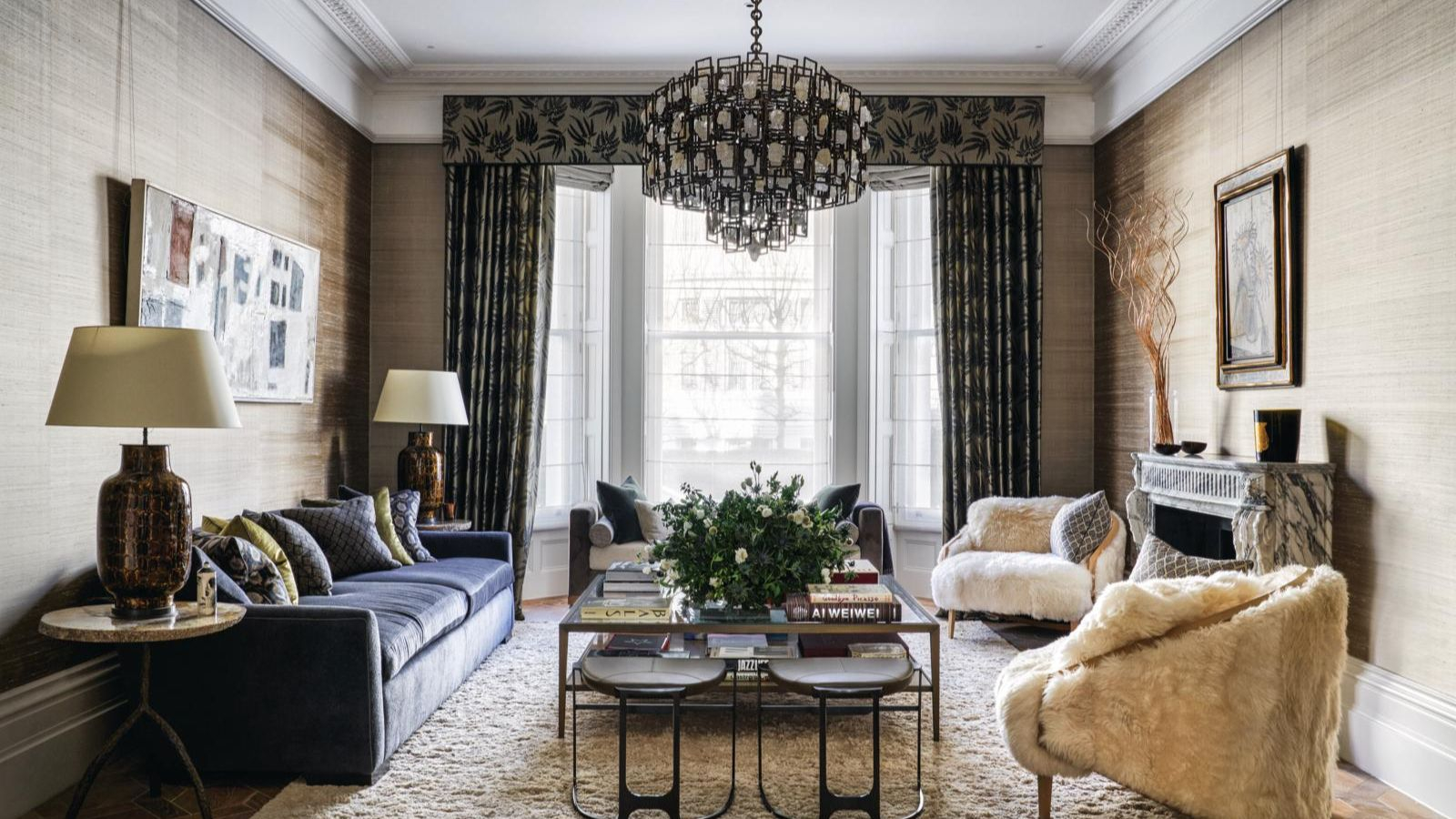
Consider the humble sofa. A visually striking, low-profile Italian sectional upholstered in crisp, unyielding linen looks breathtaking in architectural digests, but it fails the Saturday movie marathon test. Conversely, a puffy, overstuffed recliner upholstered in shiny microfiber offers physical relief while utterly destroying the room’s visual sophistication. The hybrid solution lies in material selection: high-density foam cores wrapped in down-feather blends, housed within heavyweight, textured performance fabrics like bouclé, brushed wool, or heavy Belgian linen. These materials introduce visual depth and organic irregularities that soften rigid spatial geometry while offering an enveloping tactile experience.
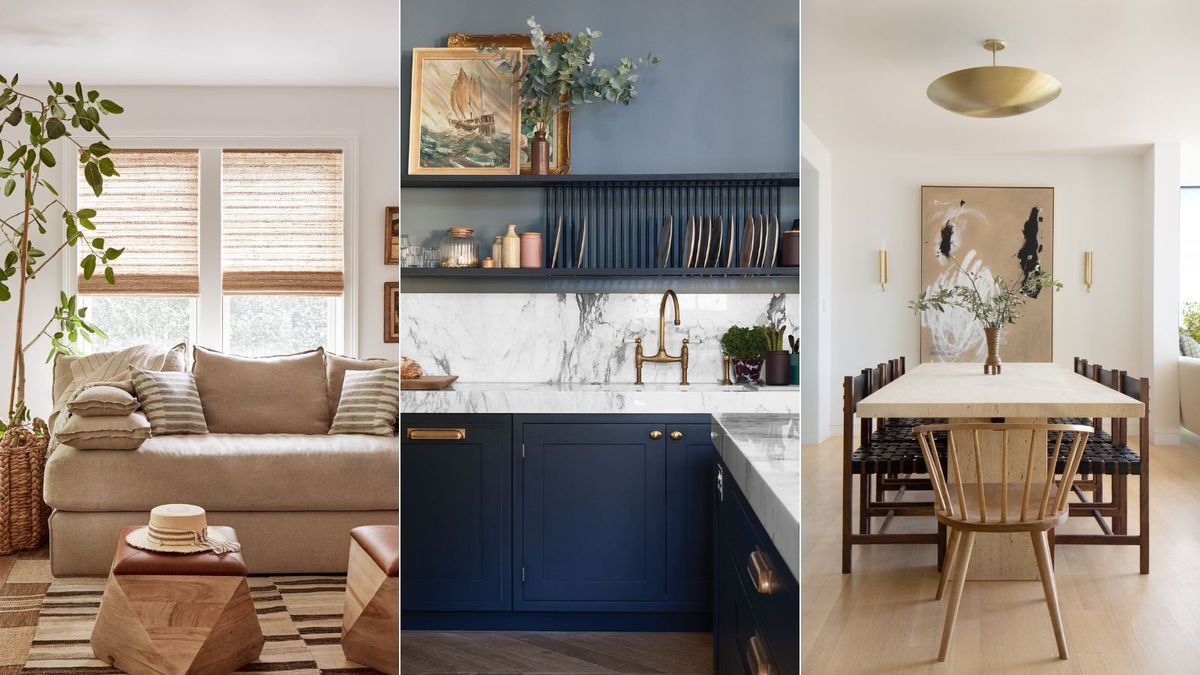
Beyond upholstery, the tactile dialogue extends to flooring, wall treatments, and hardware. Walking barefoot across a room transitions from a mundane act to a sensory grounding exercise when cool, honed marble meets warm, wire-brushed white oak flooring. By pairing disparate textures—smooth with rough, matte with subtle sheen—you create a space that feels curated by a seasoned eye yet deeply welcoming to the human body.
Lighting acts as the invisible conductor of this sensory orchestra. Harsh, overhead recessed lighting instantly strips a room of its coziness, turning even the most expensive furniture arrangement into a clinical waiting room. True sophistication demands a tiered lighting strategy that utilizes low-temperature, dimmable ambient sources, architectural wall washers, and task-oriented floor lamps. When light is cast at eye level and below, shadows soften, sharp architectural corners recede, and the entire room breathes an atmosphere of effortless intimacy.
Navigating Scale, Proportion, and Functional Flow in Open Layouts
One of the most common pitfalls in modern spatial design is the sacrifice of functional flow at the altar of aesthetic minimalism. We have all stepped into homes where monumental art pieces and oversized designer coffee tables leave barely enough clearance to navigate without bruising a shin. Sophistication requires breathing room, but comfort requires accessibility.
Layout orchestration begins with the principle of negative space. In a balanced living environment, furniture should never crowd the perimeter of a room like defensive wallflowers, nor should it jam the center into an impenetrable obstacle course. Traffic pathways must be mapped with military precision—typically requiring a minimum of thirty to thirty-six inches of clearance along primary walking routes. When people can move through a space fluidly without bumping into furniture corners, an innate sense of calm pervades the room.
Proportion also dictates psychological comfort. Sofas that are too shallow force an awkward, upright posture that feels tense, while oversized sectional monsters can swallow a room whole, making even a generous living area feel cramped. Selecting furniture with exposed legs—such as a mid-century modern credenza or an elevated accent chair—allows light to pass underneath the piece, creating an optical illusion of expansive square footage while maintaining a grounded, heavy aesthetic anchor.
Furthermore, multi-functionality must be engineered into the spatial plan without looking chaotic. In 2026, living spaces frequently double as creative studios, wellness corners, and workspaces. Concealed storage is the unsung hero of this dynamic. Custom built-ins with push-to-open panels, decorative ottomans with hidden compartments, and sleek media consoles ensure that the detritus of daily life—chargers, laptops, children’s toys, and yoga mats—can vanish in seconds, instantly restoring the room’s refined, curated composure.
A Step-by-Step Methodology for Designing Your Balanced Sanctuary
Transforming a chaotic or overly sterile living space into a harmonious haven of sophisticated comfort requires a systematic, phased approach. Rather than gutting the room overnight, execute these five distinct operational phases.
- Step 1 (Audit and Layout Mapping): Walk through your living space at different times of day to track natural light patterns and identify dead zones where traffic clogs. Measure your room accurately and map out primary pathways, ensuring at least three feet of clearance around main seating zones before purchasing any new items.
- Step 2 (Anchor Piece Selection): Invest in your primary anchor pieces—typically the sofa and the primary media or architectural focal point. Prioritize high-end internal construction (kiln-dried hardwood frames, eight-way hand-tied springs) combined with high-performance, spill-resistant tactile fabrics like heavy-weight textured linens or stain-treated velvets.
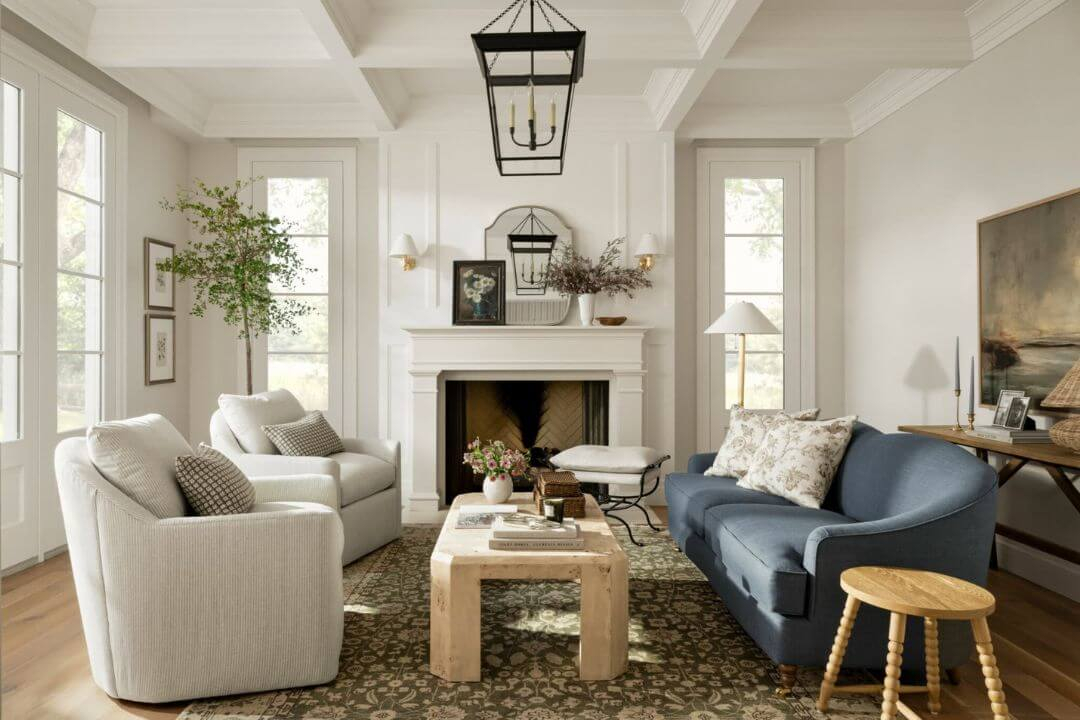
- Step 3 (Layering Textures and Textiles): Introduce visual warmth and physical softness simultaneously by layering materials. Combine a smooth, polished stone or glass coffee table with a plush, high-pile wool or jute-blend area rug, and introduce varying textile weights through drapery and throw pillows.
- Step 4 (Tiered Lighting Installation): Eliminate harsh overhead glare by installing dimmer switches on all primary fixtures and introducing at least three distinct sources of warm illumination (2400K to 2700K color temperature), including a statement floor lamp, a sculptural table lamp, and directional wall sconces.
- Step 5 (Curated Editing and Personalization): Remove all generic decor and replace them with intentional, high-impact personal artifacts—oversized art books, sculptural ceramics, vintage brass objects, and meaningful heirlooms. Leave at least thirty percent of your tabletop and shelf space completely bare to maintain visual breathing room.
Avoiding Common Interior Design Traps and Practitioner Workarounds
Even experienced decorators occasionally stumble when trying to reconcile high-end elegance with everyday comfort. Recognizing these recurring traps saves both financial capital and emotional energy.
- Pitfall 1 (The Museum-Exhibit Syndrome): Filling a room exclusively with delicate, high-end designer pieces that nobody is allowed to touch creates profound social anxiety and physical discomfort. Workaround: Invest in performance textiles that mimic delicate natural fibers (such as Crypton-treated linens or indoor-outdoor performance velvets) so guests can sit back with a glass of red wine without inducing panic.
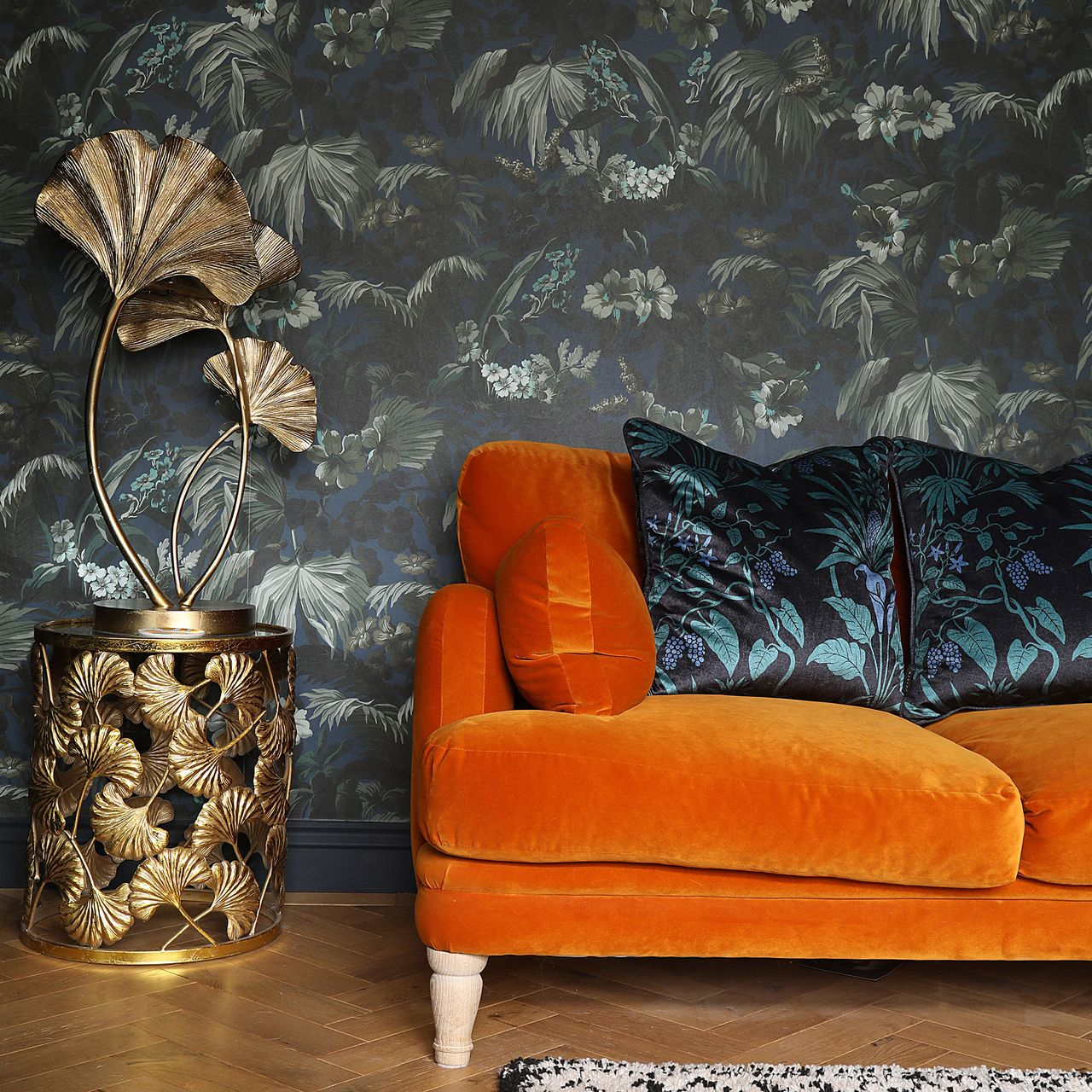
- Pitfall 2 (Monochromatic Flatness): Relying solely on a single neutral shade—such as fifty shades of stark white or institutional gray—results in a cold, uninspiring environment. Workaround: Embrace tonal layering by incorporating five distinct shades within the same color family, paired with contrasting organic textures like raw wood, forged iron, and woven grasscloth.
- Pitfall 3 (Undersized Area Rugs): Floating a tiny rug in the center of a room with all furniture hovering entirely off it makes the space look disjointed and cheap. Workaround: Follow the golden rule of rug sizing: all primary furniture legs (or at least the front legs of every seating piece) must rest comfortably on the rug to anchor the grouping.
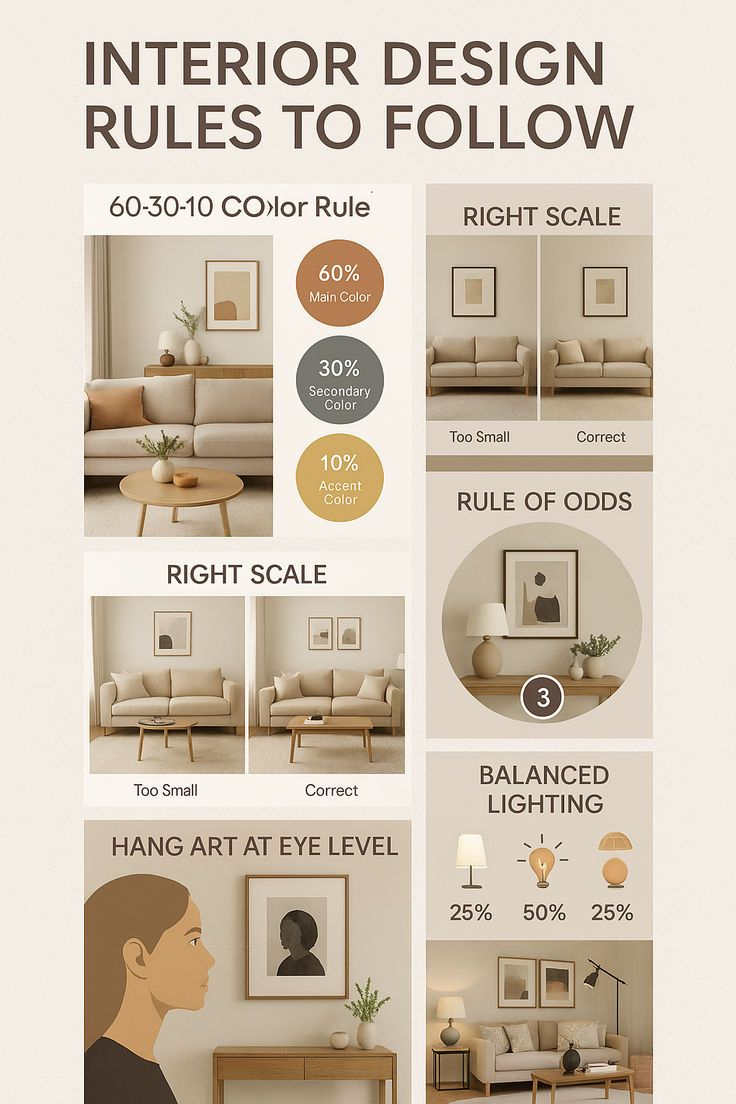
- Pitfall 4 (Cluttered Horizontal Surfaces): Treating coffee tables, sideboards, and bookshelves as storage dumps for mail, keys, and random knickknacks destroys visual sophistication. Workaround: Implement the tray rule—cluster smaller items onto decorative trays or bowls, and adhere to the rule of threes for object arrangement (varying heights and shapes).
- Pitfall 5 (Ignoring Ergonomic Realities): Prioritizing low-slung, ultra-modern seating that lacks lumbar support leads to physical strain during long periods of relaxation. Workaround: Balance aesthetic profile with ergonomics by selecting modular seating systems that offer adjustable back cushions or pairing sleek low chairs with supportive, mobile footstools.
The Broader Impact of Intentional Living Spaces on Well-Being
The physical arrangement of our immediate environment exerts a profound, scientifically documented influence on our neurological health and emotional resilience. When we consciously bridge the gap between comfort and sophistication, we are not merely participating in superficial home decor trends; we are actively engineering a restorative ecosystem that buffers against external stressors.
In an era defined by cognitive overload and digital exhaustion, the home functions as the ultimate counter-weight. A sophisticated room uncluttered by visual noise signals safety to the primitive brain, while tactile comfort elements—soft wools, supportive cushions, organic wood grains—stimulate the parasympathetic nervous system, encouraging deep physical relaxation. This synergy between aesthetic order and bodily ease fosters clearer thinking, deeper interpersonal connections, and a restored sense of personal agency.
Furthermore, sustainable curation plays an expanding role in modern domestic design. The quest for balanced living spaces naturally steers homeowners away from fast-furniture disposable culture and toward heirloom-quality craftsmanship. Investing in solid woods, organic natural dyes, modular repairable sofas, and timeless architectural lighting reduces lifetime consumption while elevating daily living standards. A home designed with this level of long-term intention pays dividends every single day, turning routine domestic moments into rituals of quiet luxury.
Actionable Recommendations for Maintaining Your Domestic Equilibrium
Sustaining a living space that gracefully balances comfort and sophistication requires ongoing mindfulness rather than a one-time design intervention. To keep your home operating at its highest potential, integrate these practical frameworks into your routine.
- The Seasonal Textile Rotation: Refresh your soft furnishings twice a year—swapping heavy velvets and dark wool throws for breathable linens and lighter cottons as the seasons shift, keeping the tactile experience aligned with the climate.
- The One-In, Two-Out Rule: Whenever a new decorative object or piece of furniture enters your living space, evaluate what can be removed or donated to prevent the insidious creep of visual clutter.
- Mindful Evening Resets: Spend ten minutes each evening resetting the room—fluffing cushions, clearing coffee tables, adjusting lighting to its lowest ambient tier—so that your morning entry into the space is met with serene order rather than leftover chaos.
- Acoustic Softening: If your sophisticated space features hard architectural surfaces like concrete, tile, or expansive glass, introduce acoustic dampening through heavy drapery, upholstered wall panels, or large-scale canvas art to eliminate echo and foster conversational intimacy.
The pursuit of balance between comfort and sophistication is not a rigid destination marked by a completed magazine spread; it is a continuous, deeply personal practice. Your home should flex, breathe, and evolve right alongside you, accommodating life’s messy, beautiful interruptions without ever sacrificing its underlying sense of architectural grace.
By prioritizing tactile richness over sterile perfection, honoring functional human movement over rigid design dogma, and curating your environment with deliberate intention, you transform your living spaces from mere physical structures into true sanctuaries.
Step back, assess the friction points in your daily routine, and begin the rewarding work of aligning your physical environment with the life you actually want to live. The sweet spot where elegance meets ease is entirely within your grasp.