The coffee cup was bone china, paper-thin, and dangerously close to a raw edge of French oak that still bore the faint, beautiful scars of a circular saw. Across from me sat a veteran residential architect who had spent thirty years tearing down drywall, listening to crying clients, and occasionally talking stubborn homeowners out of blindingly expensive mistakes. He didn’t look like a glossy magazine editor. He looked like someone who had spent too many afternoons measuring baseboards in the rain.
"Everyone wants a sanctuary," he told me, setting his saucer down with a soft, expensive clink. "Nobody wants to pay for the friction it takes to figure out what a sanctuary actually means to them." That afternoon started a multi-year reporting journey. I sat on velvet sofas in Dallas showrooms, walked through drafty Centennial ranch homes in the Midwest, and interviewed designers who had spent decades matching paint swatches to failing memories. I wanted to know what happens when the styling smoke clears and real life takes over the floor plan.
Over hundreds of hours of conversation, a distinct truth emerged. A comforting home is rarely the product of a massive staging budget or an algorithmic scroll through a trending social feed. Instead, it is an architecture of habits, sensory honesty, and deliberate restraint. The most accomplished designers do not just curate aesthetics; they act as behavioral psychologists for how we move, rest, and recover within our four walls.
The Architecture of Behavioral Honesty Over Aesthetic Ambition
Most people build a home for the person they wish they were on their best Tuesday, rather than the person they actually are on a chaotic Friday night. Designers see this fantasy trap on every single site visit. A client requests pristine white linen upholstery while raising two toddlers and a Golden Retriever, or demands an ultra-formal dining room that ultimately becomes an expensive landing pad for unopened mail. True comfort begins only when you abandon the curated fiction and design strictly for your behavioral reality.
Experienced practitioners spend the first client meeting observing mundane habits rather than admiring architectural features. They watch where people naturally dump their keys, how they sit on a sofa when they are exhausted, and whether they actually read the books stacked neatly on architectural shelves. This investigative approach shifts the entire design trajectory. Instead of forcing a room to look like a stage set, the space bends to accommodate human friction, awkward postures, and genuine fatigue.
When you design for your actual habits, physical tension evaporates. A drop zone placed five feet away from the garage entry stops mail clutter from migrating to the kitchen island. A deep, slouchy sectional with performance-treated bouclé fabric invites you to pull your knees up without inducing a panic attack over spilled coffee. Comfort is fundamentally ergonomic and psychological relief rolled into one. If a room requires you to constantly police your own behavior to keep it looking correct, it is an adversary, not a sanctuary.
The Sensory Geometry of Scale, Light, and Acoustic Softening
Walk into a visually stunning room that feels deeply unsettling, and you can almost always diagnose the failure through physics rather than style. Human nervous systems react instantly to spatial volume, reverberation time, and tactical touch points. Designers who have mastered their craft talk less about color theory and much more about sound absorption, sightlines, and the human scale. A vaulted ceiling sounds magnificent on blueprints, but if it lacks soft textures and rhythmic scaling, it feels cavernous and cold.
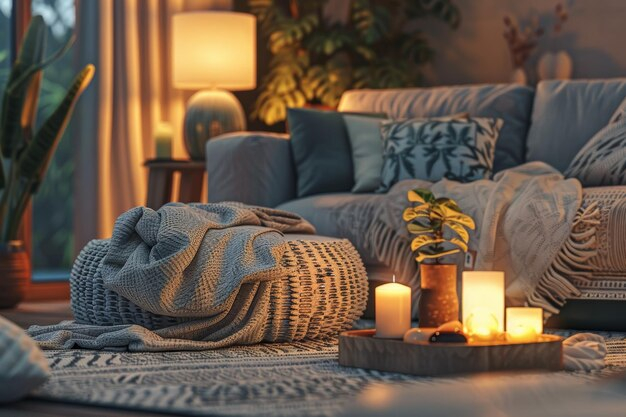
Acoustics represent the invisible architecture of comfort that amateurs almost always overlook. Hardwood floors, minimalist drywall, and glass walls create a cacophony of hard surfaces where every dropped fork and raised voice bounces aggressively around the room. Designers combat this acoustic fatigue through strategic layering: wool area rugs with heavy felt pads, unlined linen drapery that diffuses sound waves, and upholstered furniture that acts as a natural bass trap. When a room absorbs sound effectively, your nervous system registers a subtle, immediate drop in baseline anxiety.
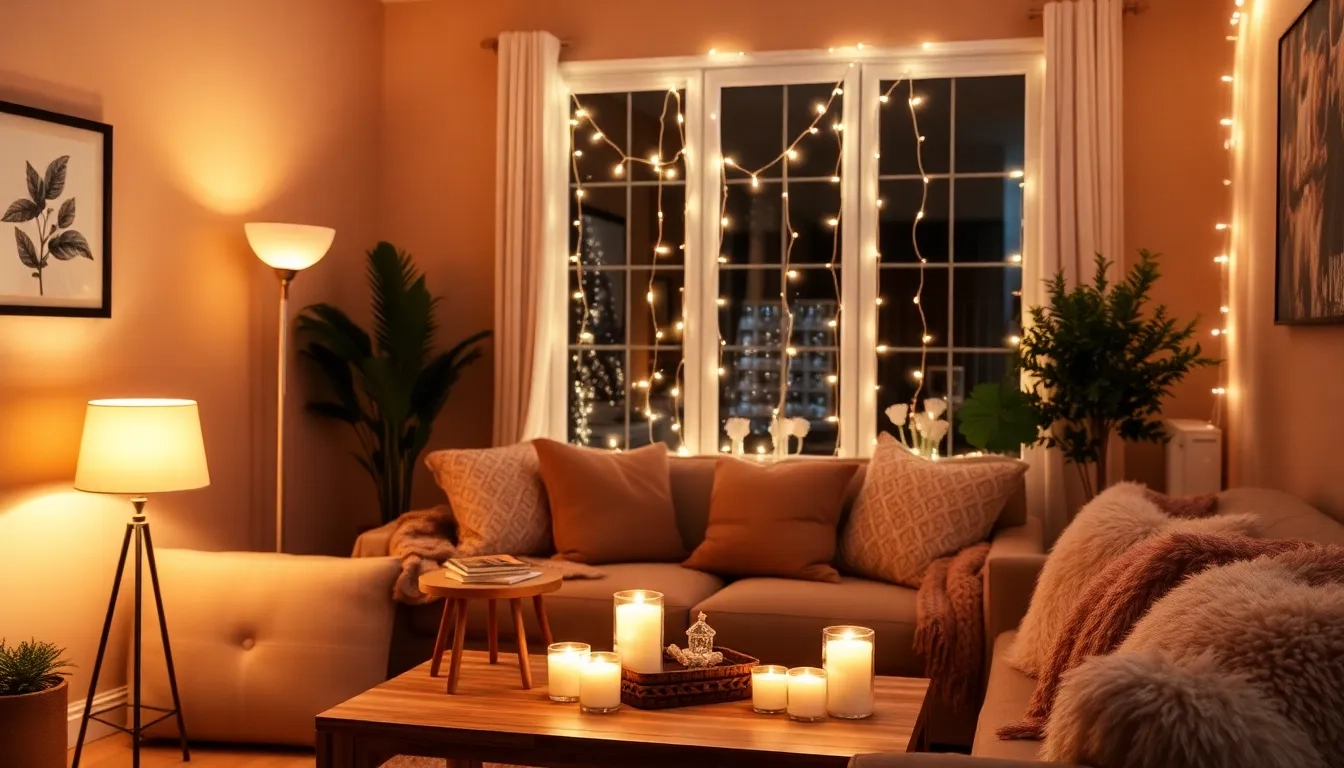
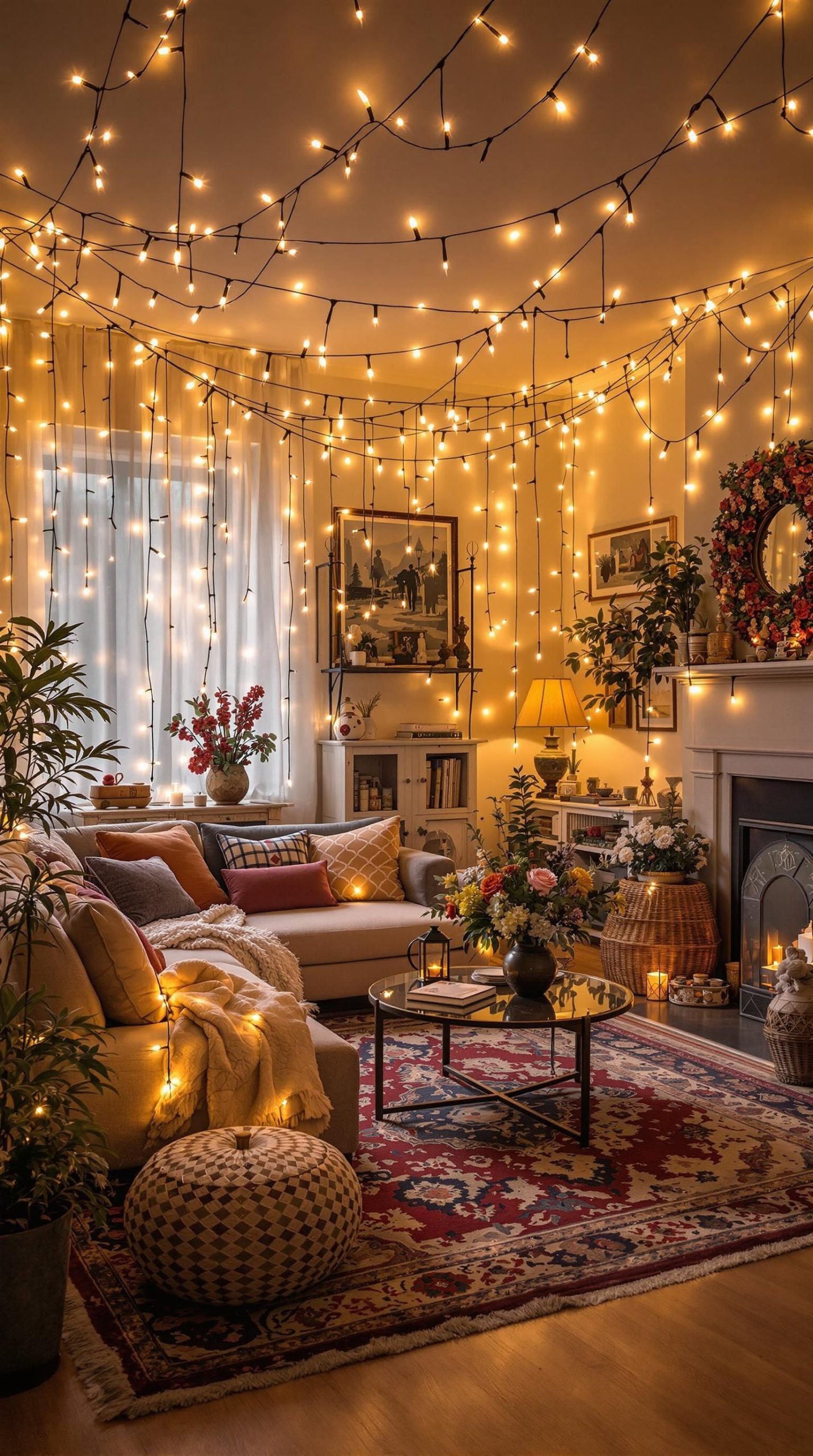
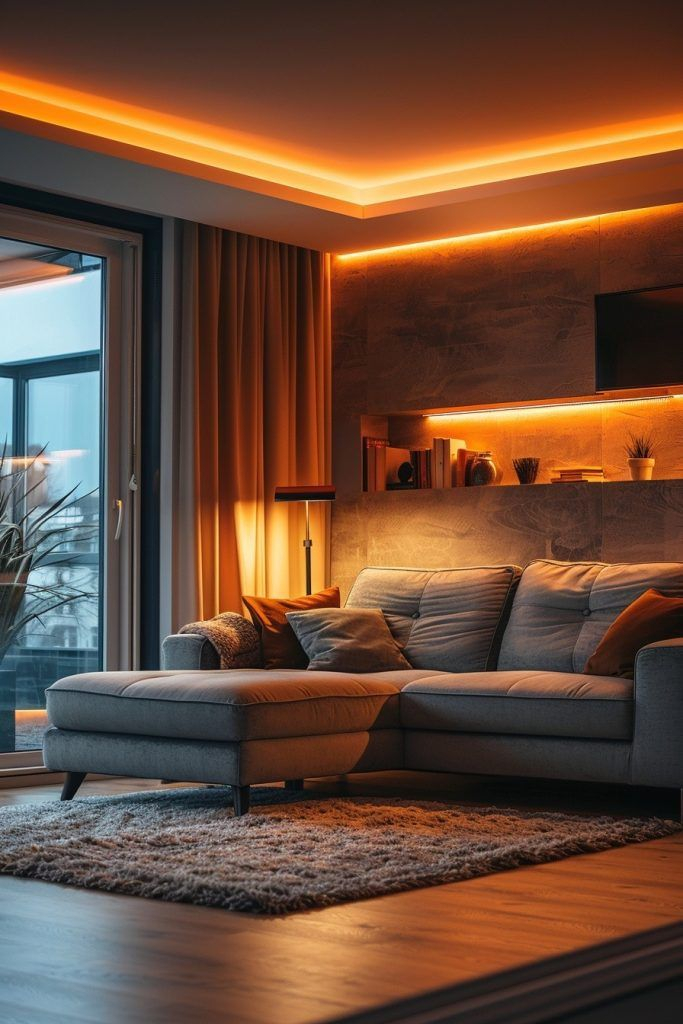
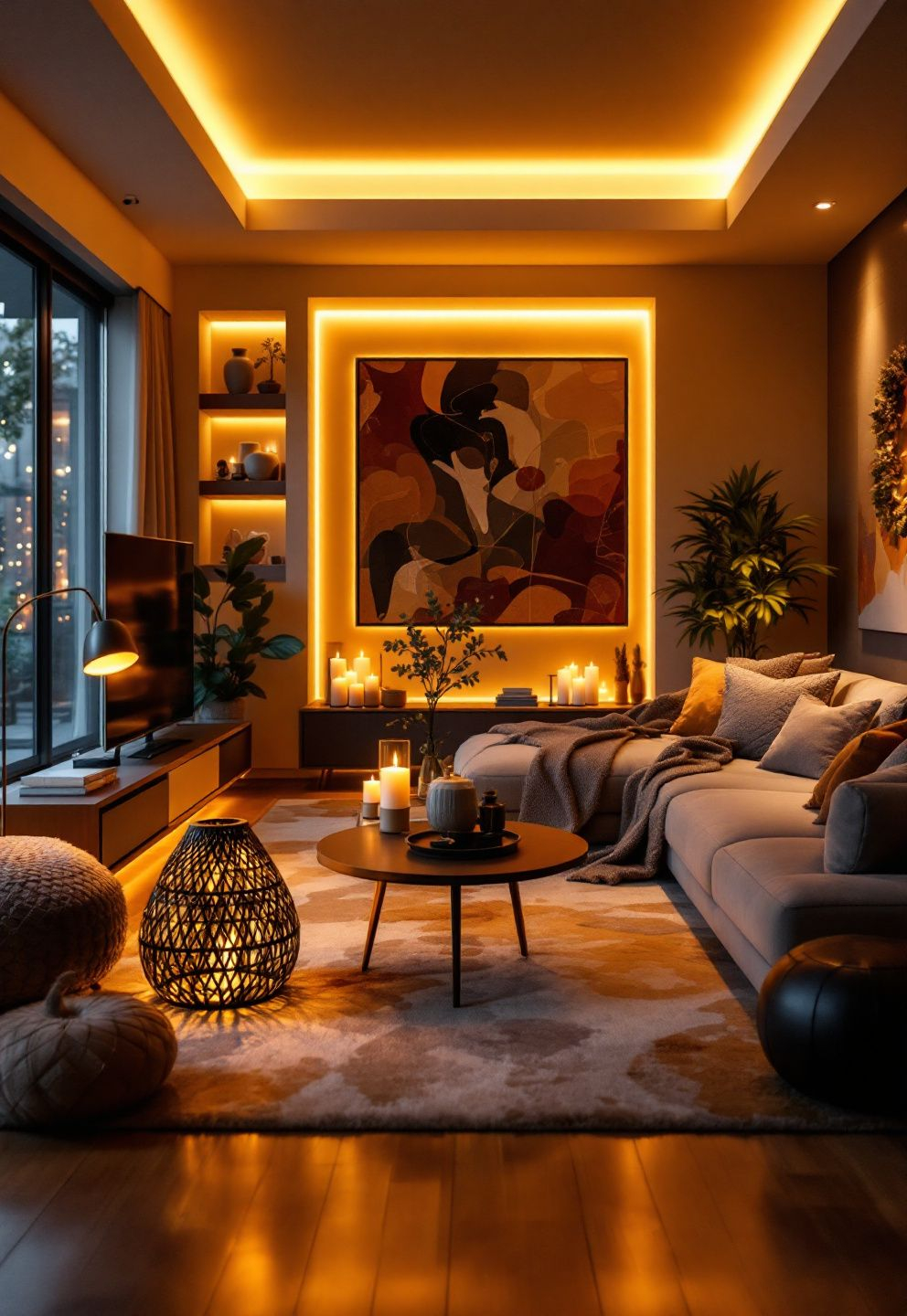
Lighting operates on a parallel physiological spectrum. The single greatest destroyer of residential comfort is the singular, overhead can light blasting downward with a harsh 4000K temperature. Decades of residential work teach that light must be ambient, layered, and warm—ideally hovering between 2400K and 2700K. By pulling light sources down to human height through table lamps, picture lights, and dimmable wall sconces, you trick the evolutionary brain into feeling sheltered and safe, mirroring the comforting glow of a hearth fire.
A Step-by-Step Methodology for Curating Lived-In Sanctuary Spaces
Transforming a chaotic footprint into a deeply comforting home requires a deliberate, sequential approach that prioritizes structural ease over surface decoration.
- Step 1 (The Behavioral Audit): Track your daily movements, clutter hotspots, and comfort bottlenecks for one full week before buying a single piece of furniture or paint swatch.
- Step 2 (The Acoustic Baseline Check): Evaluate hard-surface ratios in your primary living spaces and plan for sound-softening textiles like heavy rugs, upholstered seating, and window treatments.
- Step 3 (The Human-Scale Lighting Plan): Eliminate harsh overhead glare by establishing a three-tier lighting scheme anchored at eye level and below with warm-toned bulbs.
- Step 4 (The Tactile Material Edit): Select tactile, touch-friendly materials like patinated leather, raw brass, solid wood, and heavy linen that age gracefully rather than showing immediate wear.
- Step 5 (The Memory Integration Layer): Introduce personal artifacts, inherited pieces, and organic elements that anchor the space in your unique history rather than generic trends.
Following this sequence protects you from impulsive purchases driven by momentary visual trends. When you establish your baseline acoustics and lighting before worrying about wall art or accent pillows, the decorative choices naturally fall into place because they serve a functional, comforting purpose.
Common Pitfalls and Field-Tested Workarounds for Home Transformations
Even the most well-intentioned homeowners stumble into predictable traps when trying to engineer comfort. The industry is rife with costly missteps that veterans have learned to spot from a mile away.
- Pitfall 1 (The Museum Syndrome): Filling a home exclusively with pristine, untouchable designer pieces that make family members feel like trespassers. Workaround: Mix high-end investment seating with indestructible vintage or performance-fabric items that invite heavy daily use without anxiety.
- Pitfall 2 (The Matching Suite Trap): Buying entire bedroom or living room sets from a single catalog page, resulting in a sterile showroom aesthetic. Workaround: Anchor rooms with distinct anchor pieces across different eras and textures, ensuring the room tells a layered, evolving story.
- Pitfall 3 (Ignoring Vertical Scale): Pushing all furniture flat against the perimeter walls while leaving the center of the room empty and unanchored. Workaround: Pull seating inward to create intimate conversational clusters, using floating layouts that define distinct zones within open-plan spaces.
- Pitfall 4 (Trend Chasing Over Personal History): Overhauling a home to mirror whatever aesthetic is currently dominating social media algorithms. Workaround: Restrict trendy updates to easily swappable elements like throw pillow covers, ceramics, and art, while keeping foundational large investments timeless.
- Pitfall 5 (Neglecting Negative Space): Overcrowding every square inch of wall and floor space out of a fear of emptiness. Workaround: Leave strategic blank walls and uncluttered surfaces to give the eye—and the mind—a place to rest and breathe.
Recognizing these traps saves you from the financial and emotional exhaustion of redesigning the same room three times over. True luxury is the absence of unnecessary stress, both in execution and daily maintenance.
The Evolution of the Home as an Emotional Ecosystem
A truly comforting home is never a finished product; it is an organic ecosystem that shifts and matures alongside its inhabitants. Designers who have maintained relationships with clients over twenty or thirty years witness this firsthand. The nursery becomes a teenager’s bunker, which eventually transforms into a guest suite for aging parents or returning college graduates. Homes that survive these life cycles are built on flexibility, structural durability, and emotional resonance.
This perspective challenges the disposable culture of fast interior decor. When you invest in materials that develop a rich patina—unlacquered brass that darkens with touch, leather that softens with age, and solid wood that accepts minor dents as character—your home becomes a physical archive of your life. The scratches on the dining table cease to be flaws and start acting as timestamps for family milestones, holiday dinners, and quiet Sunday mornings.
Furthermore, economic value and emotional comfort align perfectly in this philosophy. Homes built with an emphasis on timeless quality, natural materials, and tailored spatial utility retain their appeal through shifting market cycles. You stop chasing micro-trends because your environment is anchored in human ergonomics and personal authenticity. The result is a profound sense of psychological security that no trend-driven makeover can ever replicate.
Strategic Frameworks for Cultivating Lasting Residential Well-Being
To operationalize these insights, consider your home not as a series of decorated boxes, but as a framework for daily restoration. Here are the core actionable philosophies to guide your decisions moving forward:
- Prioritize Touch Over Sight: When evaluating a textile or surface, close your eyes and feel it. If it doesn’t feel comforting against bare skin or tired hands, visual beauty alone will not save it over time.
- Embrace Patina as Perfection: Reject the anxiety of pristine upkeep. Choose materials that welcome wear and tear, transforming use into organic beauty.
- Design for Transitions: Pay special attention to entryways, hallways, and transitional zones where the stress of the outside world meets the safety of the interior.
- Edit Ruthlessly: Treat your belongings like a garden; regular pruning of unnecessary objects keeps the space breathable and intentional.
These guidelines create an environment that actively works to lower your cortisol levels the moment you step across the threshold. They transform interior design from an intimidating performance art into a deeply personal act of self-care.
Sitting back down with those decades of design wisdom in mind, the illusion of the "perfect" home completely dissolves. Perfection is sterile, fragile, and ultimately exhausting. What remains is something far more valuable: a resonant, forgiving, and deeply personal environment that supports your real life in all its messy, beautiful complexity.
Your home does not need to impress strangers on the internet. It needs to hold you when you are tired, inspire you when you are creative, and offer a quiet harbor from a noisy world. By prioritizing behavioral honesty, acoustic warmth, and tactile longevity, you build more than just a well-appointed room—you build a lasting sanctuary that truly feels like home.