Walking into a house that has been scrubbed of all personal friction feels suspiciously like stepping into a hotel lobby. The surfaces are clear, the throw pillows align at a rigid forty-five-degree angle, and a generic canvas of a misty forest hangs securely over the sofa. It looks expensive, yet it says absolutely nothing. You could swap the occupants tomorrow, and nobody would notice the difference.
Contrast that with a home where the walls wear the deep, muddy terracotta of a sun-baked courtyard in Oaxaca, where an industrial steel workbench serves as a kitchen island, and where a stack of dog-eared paperback novels sits beside a sleek, minimalist brass reading lamp. That room does not merely exist; it speaks. It confesses habits, travels, aesthetic regressions, and quiet moments of joy. Yet, making a space speak coherently requires more than dumping random keepsakes into a corner.
Without a working grasp of foundational interior design styles—the historical grammars of architecture and decor—personal curation quickly degrades into visual clutter. Understanding these styles is not about copying a glossy magazine spread or surrendering your identity to an arbitrary trend. It is about acquiring a vocabulary. Just as a writer needs to understand syntax, meter, and genre before penning an autobiography, a homeowner needs to understand minimalism, industrialism, traditionalism, or bohemian eclecticism to write their spatial story clearly.
Decoding the Architectural Grammar of Your Living Space
The reason many home improvement projects stall out or feel disjointed is that people treat decorating like a shopping trip rather than a translation exercise. They buy a velvet sofa because it looked striking on social media, pair it with a rustic pine coffee table because of a weekend farmhouse kick, and wonder why the room feels restless. The items clash not because they are inherently incompatible, but because they belong to entirely different design languages.
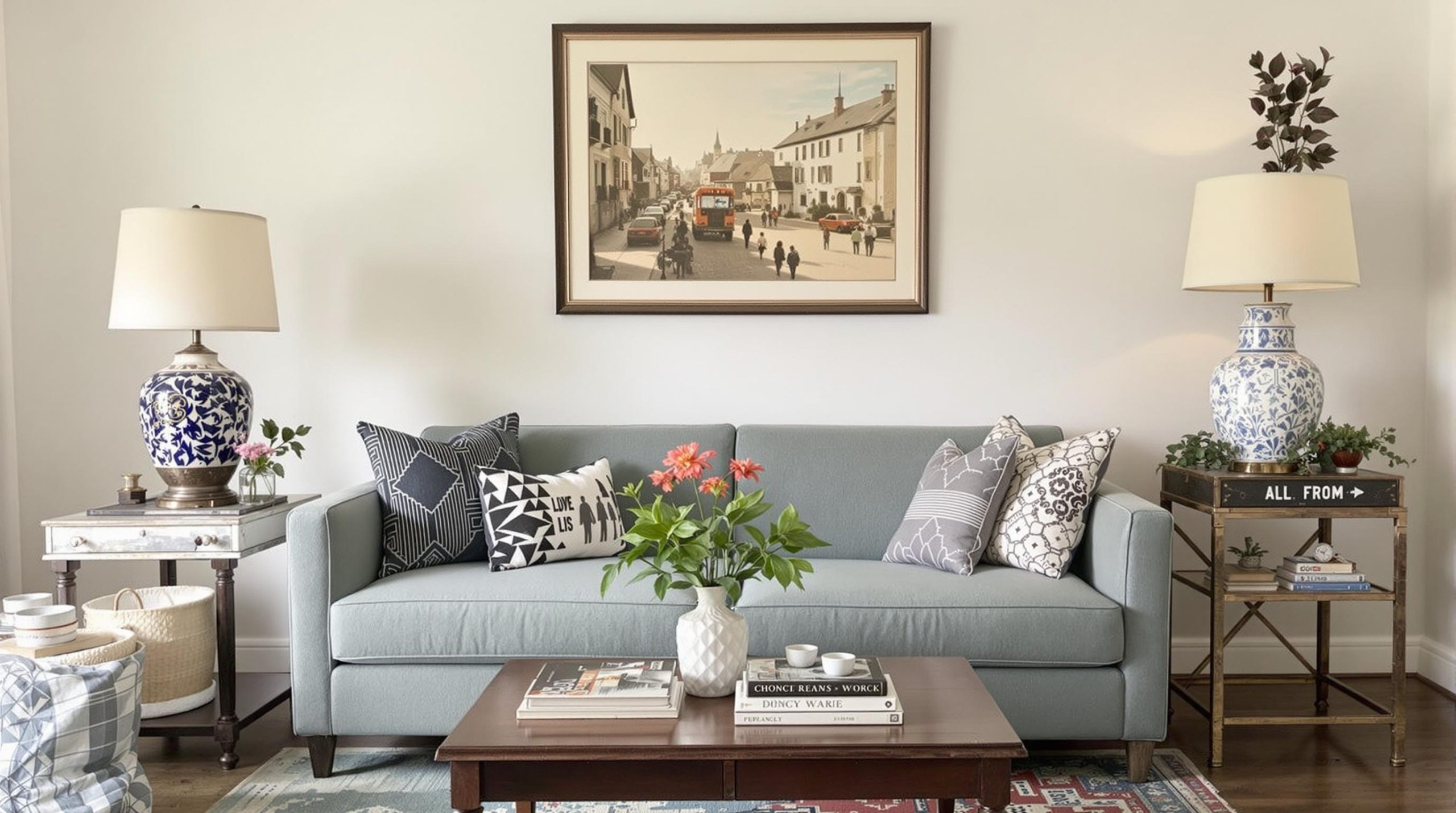
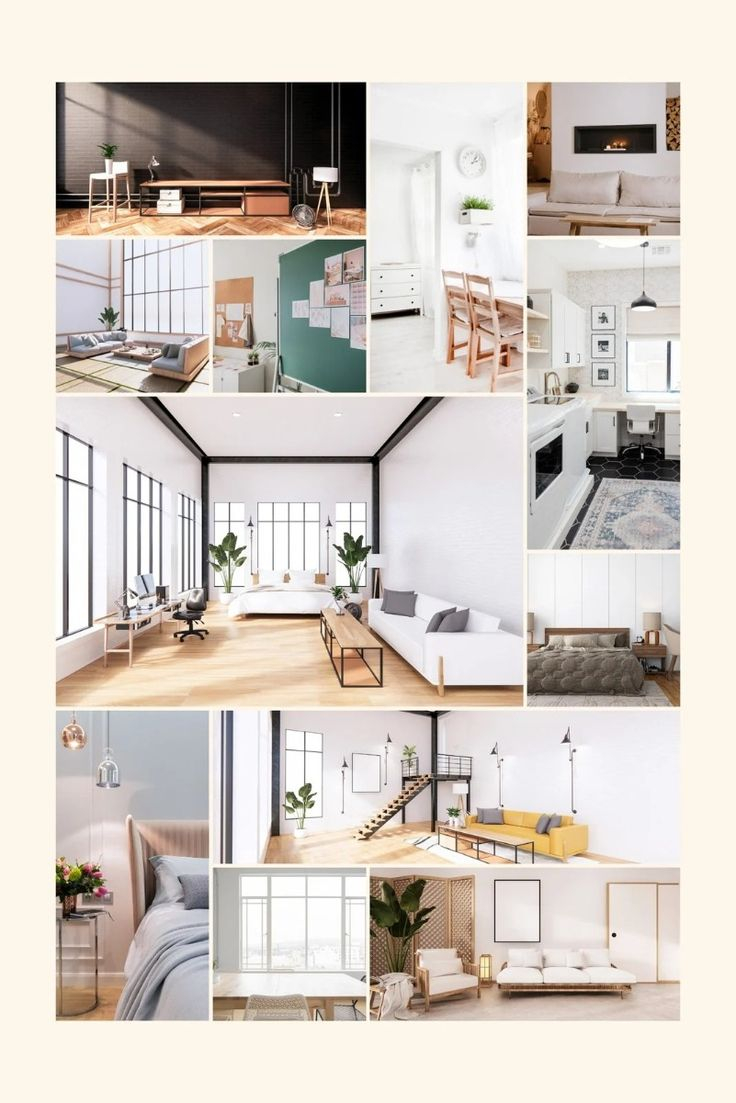
Core design styles function as established vocabularies, each rooted in specific eras, philosophies, and material realities. Minimalism developed out of a modernist rejection of ornament, prioritizing clean geometry, negative space, and a restrained palette where every single object must justify its physical footprint. Traditional design, on the other hand, leans into symmetry, classical proportions, rich wood tones, and layered textiles that speak of heritage, stability, and enduring craftsmanship.
When you study these core styles, you stop looking at furniture as isolated objects and start seeing them as signifiers. A brushed brass fixture tells a story of mid-century glamour or modern industrial refinement. A raw-edge live-edge slab table communicates a reverence for organic materiality and wabi-sabi imperfection. By mapping your personal values onto these established frameworks, you create an intentional baseline. You decide whether your story is told through the disciplined silence of Scandinavian simplicity or the maximalist narrative density of a global nomad.
The Psychology of Materiality and Spatial Autobiography
Every chair, wall finish, and floor treatment you select acts as a tactile proxy for your internal psychological landscape. Environmental psychologists have long noted that our physical surroundings directly regulate our nervous systems, stress hormones, and sense of agency. When a home accurately mirrors its inhabitant’s identity, it acts as an externalized memory palace, grounding the psyche in physical reality.
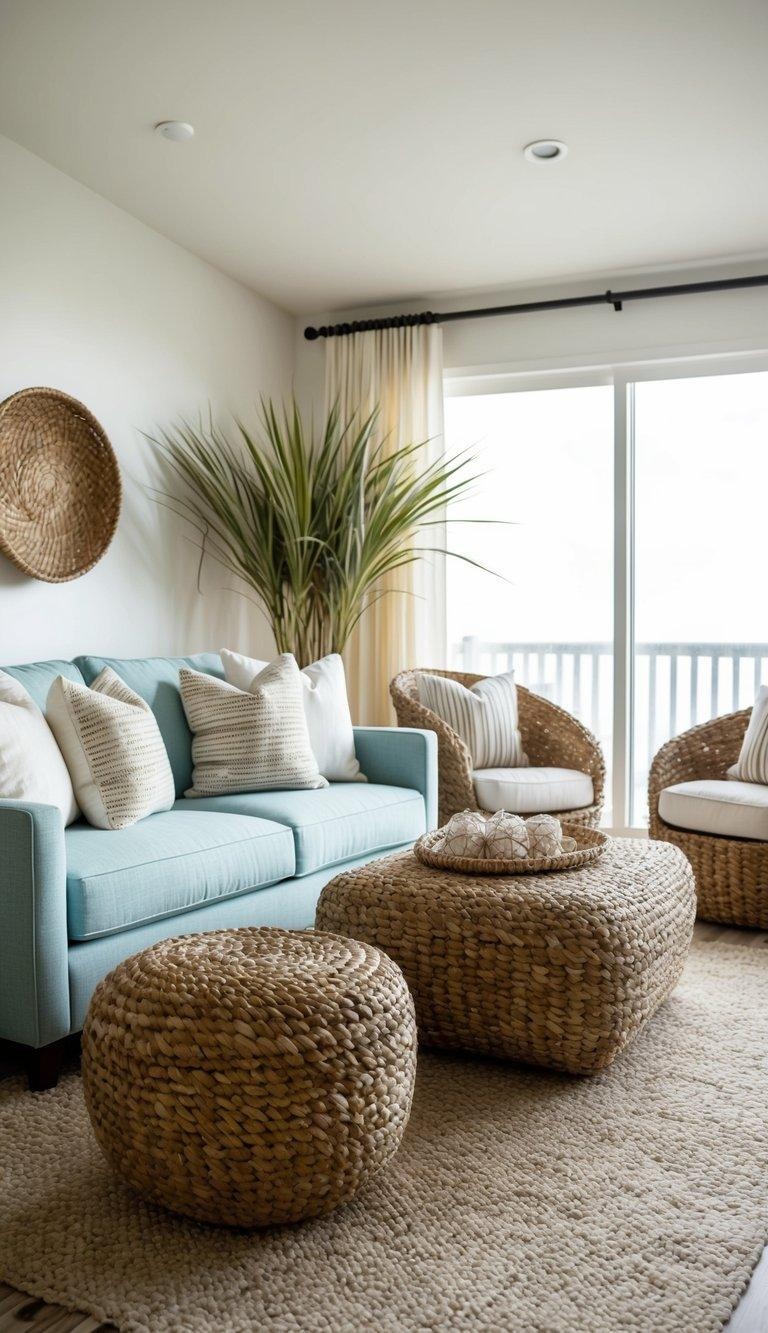
Consider how different materials trigger distinct emotional responses. Industrial design relies heavily on hot-rolled steel, exposed brick, and distressed leather, signaling an appreciation for urban grit, utility, and historical preservation. If you are someone who finds comfort in function, resilience, and the honest display of structural bones, industrial elements allow you to articulate that pragmatism. Conversely, coastal or organic modern styles utilize bleached white oak, linen, jute, and lime-washed walls. These choices whisper of a desire for sanctuary, breath, and a slower, earth-bound rhythm of life.
The trap to avoid is letting a style dictate your life rather than using it to frame your experiences. If you love travel, collecting heavy Moroccan wool rugs and intricate brass lanterns, forcing them into a strict, sterile minimalist framework creates visual tension that feels oppressive. However, if you understand the underlying principles of minimalism—such as breathing room and visual hierarchy—you can curate those vibrant, story-rich artifacts against a quiet, restrained backdrop. The style becomes the canvas, and your life’s artifacts become the brushstrokes.
Step-by-Step Methodology for Translating Your Life Into Room Design
Building a narrative-driven home requires a deliberate, methodical approach. You cannot rush authenticity; it is assembled through conscious editing and deep self-reflection.
- Step 1 (Audit Your Life Narrative): Make a physical or digital list of the five experiences, places, or values that have shaped you most profoundly—such as childhood summers in a cabin, years spent living abroad in a dense metropolis, or a deep passion for botanical illustration.
- Step 2 (Identify Your Baseline Core Style): Review major design styles—modernist, traditional, industrial, bohemian, or transitional—and select the one structural framework that feels most naturally aligned with your baseline tolerance for visual stimulation and clutter.
- Step 3 (Curate Meaningful Anchors): Select three to five heirloom pieces, travel artifacts, or personal creations that represent turning points in your story. These will serve as the uncompromised focal points in your main rooms.
- Step 4 (Bridge the Gap with Neutral Layers): Use the vocabulary of your chosen core design style to select large foundational pieces—paint colors, flooring, sofas, and large case goods—that tie your disparate personal artifacts together into a single, cohesive visual sentence.
- Step 5 (Edit and Iterate Relentlessly): Walk through your home with fresh eyes every six months. Remove items that no longer serve your narrative or that were purchased purely out of impulse, allowing your space to evolve as your personal story continues to unfold.
Navigating Common Traps and Missteps in Personal Styling
Even with the best intentions, homeowners frequently stumble when trying to balance historical design rules with deeply personal storytelling. Recognizing these pitfalls before picking up a paintbrush saves both time and financial resources.
- Pitfall 1 (The Theme Park Trap): Over-committing to a single style to the point where a room looks like a movie set rather than a lived-in home. Workaround: Ground any historical or niche style with modern, utilitarian pieces and personal items that break up the predictable formula.
- Pitfall 2 (Clutter Disguised as Narrative): Confusing sentimental hoarding with storytelling, resulting in chaotic rooms where meaningful items are drowned out by random junk. Workaround: Apply the gallery standard—if everything is special, nothing is special. Rotate displayed artifacts seasonally and store the rest.
- Pitfall 3 (Ignoring Scale and Proportion): Placing oversized, heavy traditional furniture inside a compact, modern urban apartment, making the space feel claustrophobic and confused. Workaround: Always measure spatial dimensions and respect the volumetric scale dictated by the architecture before acquiring major statement pieces.
- Pitfall 4 (Trend Chasing Without Foundation): Adopting micro-trends that contradict your core aesthetic simply because they are popular on digital feeds. Workaround: Wait three months before purchasing any trend-driven decor; if your desire for it fades, your core style has successfully protected you from an expensive mistake.
- Pitfall 5 (Neglecting Lighting Narrative): Relying solely on harsh, overhead builder-grade lighting that flattens textures and destroys the moody atmosphere of your carefully curated space. Workaround: Layer your lighting using low-level task lamps, picture lights, and warm ambient bulbs to sculpt shadows and highlight your personal artifacts.
The Long-Term Impact of Intentional, Story-Driven Spaces
Designing a home as an ongoing autobiography changes your relationship with consumerism and domestic labor. When every item in your living room has a reason to exist—either because it performs a vital function or because it holds a vital memory—the urge to constantly refresh your decor with cheap, disposable goods begins to fade. Your home transforms from a static display case into a living, breathing archive of your existence.
This approach also fosters profound psychological resilience. In an era marked by rapid cultural shifts and digital saturation, returning to a physical space that honors your personal history provides an irreplaceable grounding effect. The scuffs on your dining table from years of family arguments and celebrations, the patina on a copper pot inherited from a grandparent, and the specific shade of indigo on the study walls all work in concert to remind you of who you are and where you have traveled. Style stops being a superficial set of aesthetic rules enforced by outside arbiters and becomes an intimate, protective extension of your own skin.
Recommendations for Sustaining Your Home’s Narrative Evolution
To keep your home feeling alive and authentic over decades, you must treat interior design not as a one-time project with a definitive finish line, but as an ongoing literary draft.
Develop a habit of intentional curation rather than passive accumulation. When you travel or reach a new milestone in your career or personal life, ask yourself what physical object can quietly mark this chapter without disrupting the spatial harmony of your rooms. If you acquire a bold, textured ceramic vessel in Portugal, find a quiet minimalist shelf where its form can sing without competing with other loud objects.
Furthermore, respect the architectural integrity of the shell you inhabit. If you live in a mid-century ranch house, fighting the architecture by trying to turn it into a French country chateau creates permanent discord. Instead, lean into the low rooflines, expansive glass, and organic flow of the original era, then layer your personal story on top of that structural foundation. By respecting the grammar of the building while injecting the vocabulary of your unique life, you achieve the ultimate design equilibrium: a home that looks like no one else on earth, yet feels entirely inevitable.
Your home is the only canvas you get to inhabit every single day of your life. It absorbs your laughter, shelters your grief, witnesses your private rituals, and holds the physical evidence of your passage through time. Treating it merely as a collection of matching furniture sets is a missed opportunity to engage in one of the most satisfying creative acts available to us.
By studying the core design styles, you are not locking yourself into a rigid box or stifling your creativity. You are learning the grammar of space, proportion, and materiality so that your personal story can ring out clear, true, and resonant. Take a slow walk through your rooms today. Look past the paint colors and the price tags, and ask yourself what story your walls are currently telling. Then, armed with a deeper understanding of design history and your own identity, pick up the brush and start writing the next chapter.