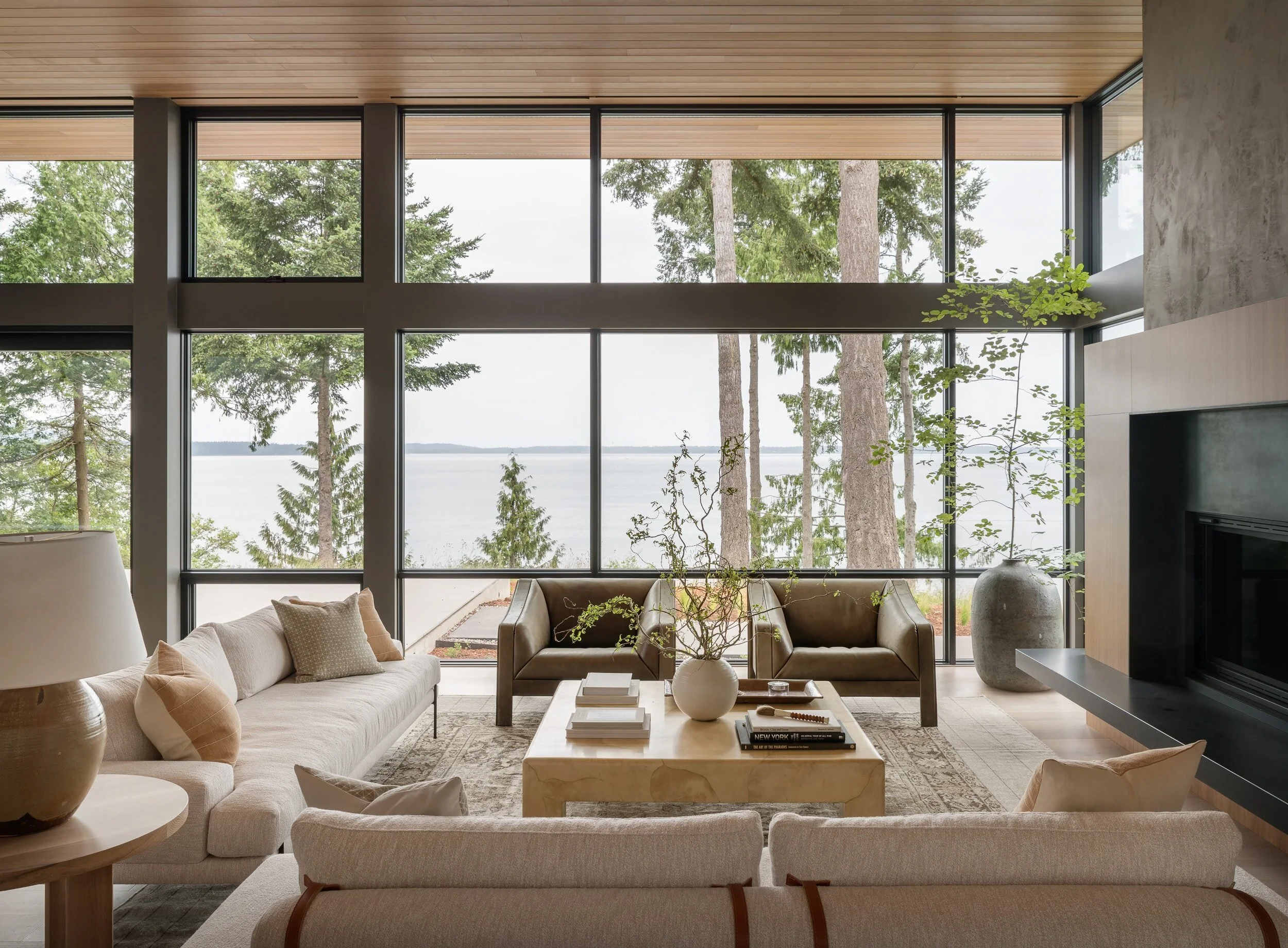
Ever walked into a room and just felt your shoulders drop? That immediate sense of relief is what we are chasing here. It is not about stripping away everything you love until you are sitting on a bare floor. Not at all. It is about curating a space that breathes. A place where the noise of the outside world fades the moment you cross the threshold. In 2026, more people than ever are turning away from the cold, sterile look of ultra-modern design. They want something real. Something grounded.
We are talking about cozy minimalism with an earthy soul. Think less "museum exhibit" and more "quiet cabin in the woods," even if you live in a city apartment. This style marries the clean lines and clutter-free philosophy of minimalism with the warm, tactile comfort of nature. It is a balance. A dance between having enough space to think and having enough texture to feel held. If you have been feeling overwhelmed by too much stuff or too many harsh angles in your home, you are in the right place. Let us dig in.
The Foundation: Mastering the Warm Neutral Palette
Color sets the mood before you even touch a piece of furniture. For an earthy minimalist space, forget the stark whites and cool grays that dominated the early 2010s. Those colors can feel clinical. Instead, reach for the hues found in nature. We are talking about warm neutrals. Think of the color of unbleached linen, soft sand, clay, or weathered stone. These tones create a backdrop that feels enveloping rather than empty.
In 2026, interior designers are leaning heavily into "greige" (a mix of gray and beige) but warming it up with undertones of terracotta or ochre. A wall painted in a soft mushroom tone does not just sit there; it reflects light in a way that makes the room feel softer. You might worry that sticking to neutrals will be boring. But here is the secret: variation is key. Layer different shades of the same family. A cream sofa against a taupe wall with a chocolate brown rug creates depth without chaos. It is subtle, but your eye notices the richness.
Do not be afraid to add small pops of deeper earth tones. A burnt orange cushion or a deep olive green throw can anchor the space. These accents mimic the colors of autumn leaves or forest moss. They remind us of the outdoors. When choosing paint, always test samples on your walls. Light changes throughout the day, and a color that looks perfect at noon might feel too dark by evening. Take your time with this step. It is the canvas for everything else.
Texture Over Clutter: The Tactile Experience
Minimalism is often misunderstood as having nothing. But true cozy minimalism is about having the right things. And in an earthy aesthetic, texture is king. Since we are limiting the number of objects, each one needs to pull its weight visually and physically. This is where natural materials shine. Wood, stone, wool, cotton, linen, and clay are your best friends. They bring life to a room in a way that plastic or synthetic fabrics simply cannot.
Imagine running your hand along a rough-hewn wooden coffee table. Or sinking your toes into a thick, hand-woven jute rug. These sensations ground you. They connect you to the physical world. In 2026, there is a huge appreciation for imperfection. Look for furniture with visible grain, knots, or slight irregularities. A ceramic vase with a glaze that drips unevenly tells a story. It shows human touch. This concept, sometimes called wabi-sabi, celebrates beauty in imperfection and transience.
Mix smooth surfaces with rough ones to keep the eye interested. Pair a sleek, low-profile leather chair with a chunky knit blanket. Place a smooth river stone on a textured linen runner. The contrast creates tension and harmony at the same time. Avoid shiny, reflective surfaces like high-gloss lacquer or chrome. They feel cold and distant. Stick to matte finishes. They absorb light and feel more organic. Remember, you are building a sanctuary for your senses, not a showroom.
Furniture with Purpose and Soul
When selecting furniture for an earthy minimalist home, the rule is simple: every piece must serve a purpose and bring joy. This is the core of minimalism. But "purpose" does not mean purely functional in a utilitarian sense. A chair should be comfortable to sit in, yes, but it should also look like it belongs in a forest clearing. Look for pieces with organic shapes. Curves are softer and more inviting than sharp, aggressive angles.
Wood is the star player here. Oak, walnut, and teak are popular choices because they age beautifully. In 2026, sustainable sourcing is non-negotiable for many homeowners. Look for furniture made from reclaimed wood or certified sustainable forests. It adds character and reduces environmental impact. A dining table made from a single slab of wood becomes a focal point. It does not need much decoration around it. Its natural beauty speaks for itself.
Keep the scale in mind. Earthy minimalism thrives on open space. Do not cram the room full of heavy furniture. Choose low-profile pieces that sit closer to the ground. This creates a sense of spaciousness and calm. A low sofa with wide arms invites lounging. A simple bench at the foot of the bed offers a place to sit without visual bulk. If a piece feels too heavy or ornate, it probably is. Edit ruthlessly. Ask yourself: Does this make me feel calm? If the answer is no, let it go.
Bringing the Outdoors In: Biophilic Touches
You cannot have an earthy space without actual elements of the earth. Plants are the easiest and most effective way to breathe life into a minimalist room. They add color, shape, and movement. But do not just grab any plant. Choose varieties that fit the aesthetic. Snake plants, fiddle leaf figs, and monstera deliciosa have strong architectural lines that complement minimalist design. They look sculptural.
Place plants in simple pots. Terracotta, concrete, or unglazed ceramic work best. Avoid busy patterns or bright colors on the pots. Let the greenery be the star. If you do not have a green thumb, dried branches or pampas grass can offer a similar organic vibe without the maintenance. A tall vase with a few eucalyptus stems adds height and a subtle scent. It is understated elegance.
Lighting also plays a crucial role in connecting with nature. Maximize natural light whenever possible. Use sheer curtains that filter sunlight softly rather than blocking it out completely. In the evening, opt for warm-toned bulbs. Harsh white light kills the cozy vibe. Use lamps with bases made of wood, stone, or woven rattan. The glow should feel like candlelight or sunset. It wraps the room in a golden hue that makes everything look softer and more inviting.
Intentional Decor: Less But Meaningful
Decor in an earthy minimalist home is not an afterthought. It is highly curated. Each object should have meaning or significant aesthetic value. This is where personal touches come in, but they must be edited. Instead of ten small knick-knacks on a shelf, choose one large, beautiful object. Maybe it is a hand-thrown bowl from a local artisan. Or a piece of driftwood you found on a beach trip. These items tell your story without shouting.
Wall art should follow the same principle. Large-scale pieces with natural themes work well. Think abstract landscapes, botanical prints in muted tones, or textured fabric hangings. Leave plenty of negative space around the art. Do not cover every inch of wall. The empty space allows the eye to rest. In 2026, there is a trend towards "silent decor"—objects that do not demand attention but reward close inspection. A textured wall hanging made of wool or hemp adds warmth and sound dampening.
Books can also be decor. Stack a few hardcover books with neutral spines on a coffee table. Add a small stone or a candle on top. It looks lived-in but tidy. Avoid mass-produced decor items that lack soul. Seek out handmade goods. Support local craftsmen. Their work carries energy and intention. When you buy something made by hand, you are bringing that creator’s care into your home. It makes the space feel more authentic and connected.
Creating the space is only half the battle. Keeping it cozy and minimal requires daily habits. It is not about being obsessive or rigid. It is about mindfulness. Start with a morning routine. Spend five minutes tidying up. Put cushions back in place. Fold throws. Clear surfaces. This small act resets the energy of the room. It prevents clutter from accumulating. A clear space leads to a clear mind.
Be mindful of what you bring into the home. Before buying something new, ask: Do I really need this? Will it add value? Will it fit the earthy minimalist aesthetic? Impulse buys are the enemy of tranquility. In 2026, many people are adopting a "one in, one out" rule. If you buy a new vase, donate an old one. This keeps the balance intact. It forces you to be intentional with your possessions.
Finally, engage your senses regularly. Light a cedar or sandalwood candle. Play soft, ambient music. Open the windows to let fresh air circulate. Notice how the light changes on the walls. These small moments of awareness deepen your connection to the space. Your home becomes a partner in your well-being, not just a container for your stuff. It supports you. It holds you. And that is the ultimate goal of cozy earthy minimalism.
So, where do you start? Pick one corner. One shelf. One room. Strip it back. Add warmth. Feel the difference. It is not about perfection. It is about presence. It is about creating a home that feels like a deep breath. In a world that moves fast, your home can be the place where time slows down. Where you can just be. And honestly, is there anything more valuable than that?