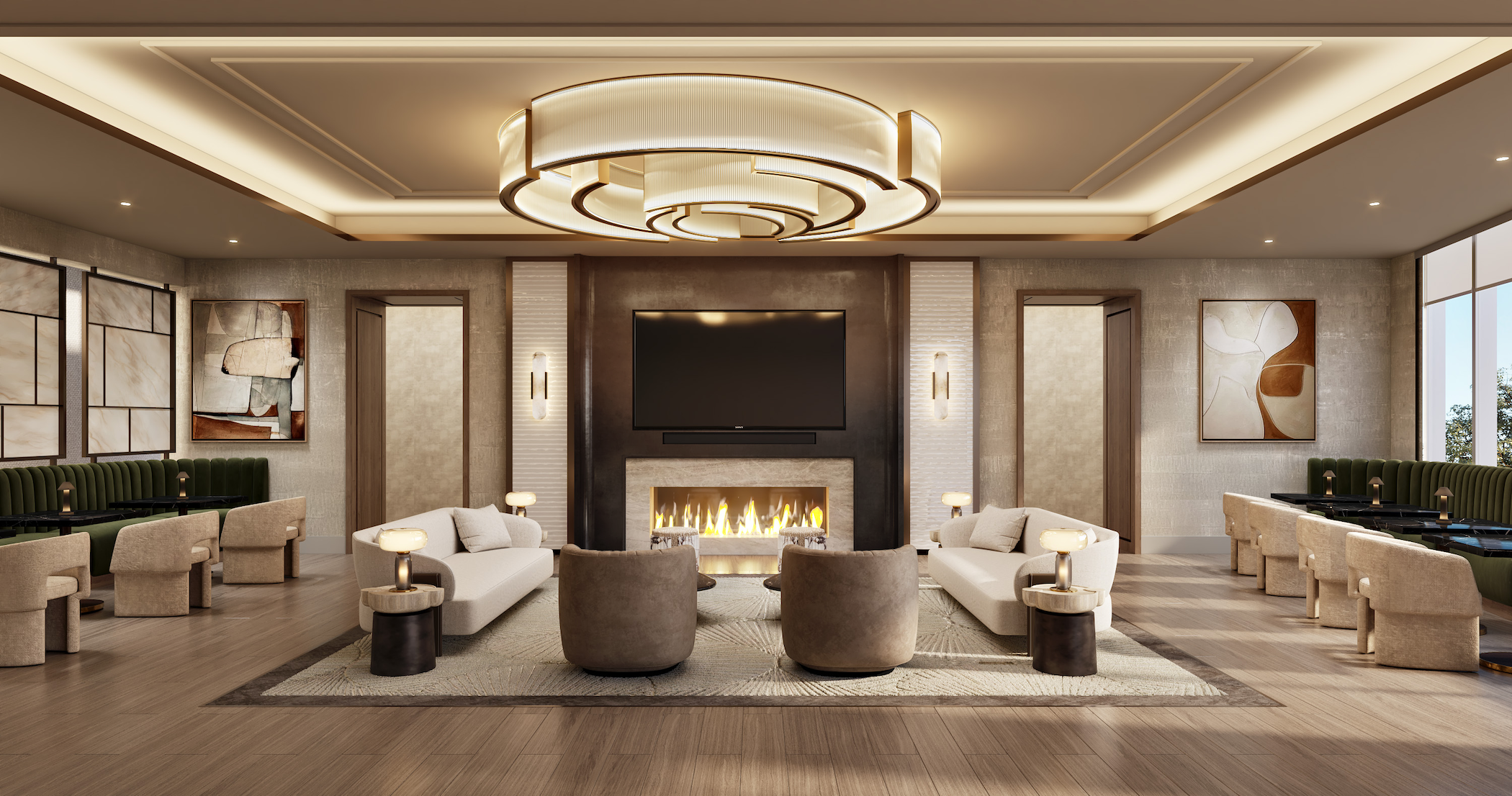
The morning sun does not bounce aggressively off the glass and steel in Elena Vance’s Tribeca penthouse anymore. Instead, it drifts across hand-troweled lime-wash walls, catching the subtle, undulating ridges of unsealed travertine and pooling softly over deep-piled wool rugs dyed in shades of unbleached flax. Five years ago, this very room was a masterclass in aggressive austerity—a shrine to high-gloss lacquered white surfaces, floating chrome staircases, and sharp-angled leather chairs that felt more like sculptural art pieces than functional furniture. It was breathtakingly chic, and utterly exhausting to inhabit.
Today, the space breathes. The shift away from sterile, hyper-rational design did not happen overnight, but it has reached a definitive tipping point. High-end living spaces across global design capitals—from Milan and Copenhagen to Los Angeles and Sydney—are undergoing a profound psychological recalibration. Wealthy homeowners, weary of digital hyper-connectivity and the visual noise of modern life, are trading the cold sheen of industrial modernism for an aesthetic that marries spatial restraint with profound sensory comfort. This is not merely a passing seasonal color palette update; it is a fundamental re-architecting of how luxury is felt, lived in, and valued.
To understand why warm minimalism has captured the collective imagination of top-tier architects and interior designers, one must look at the shifting psychology of domestic space. For decades, luxury was signaled by scale, perfection, and the immaculate absence of clutter. But perfection has a way of feeling clinical. When the world outside became increasingly volatile, digital, and hyper-stimulated, the home ceased to be a showroom and reverted to its primal function: a sanctuary. Warm minimalism provides the visual quietude of traditional minimalism without demanding that occupants live inside a museum exhibit. It bridges the gap between architectural rigor and human warmth, proving that you can strip a room down to its essential components without sacrificing its soul.
The Architectural Evolution from Sterile Modernism to Tactile Restraint
The roots of this design philosophy lie in a rejection of the hyper-processed environments that dominated luxury real estate throughout the 2010s. For years, high-end architecture was synonymous with absolute symmetry, flawless synthetic coatings, and an obsession with pristine condition. Every edge was razor-sharp; every surface was wiped clean of imperfection. However, this pursuit of visual perfection created spaces that actively rejected human touch. Fingerprints felt like transgressions; a dropped book sounded like a sacrilege. Warm minimalism redefines restraint by introducing materials that age with dignity, welcoming the patina of daily life rather than hiding from it.
At the core of this transition is a massive pivot in material science and sourcing. Architects are moving away from cold composite stones and high-gloss synthetics, favoring living materials that engage multiple senses at once. Walls finished in Roman clay or tadelakt absorb light rather than reflecting it ruthlessly, creating a soft, hazy ambiance that flatters both the architecture and the human form. Floors are clad in wide-plank French white oak with an ultra-matte, hard-wax oil finish that exposes the grain’s natural irregularities rather than sealing them beneath layers of polyurethane. Every surface invites a physical response—the cool, porous touch of travertine, the dense weave of raw linen, the brushed texture of unlacquered brass hardware that darkens gracefully over time.
This material honesty represents a deeper philosophical shift in how high-end clients view their investments. Instead of buying static objects designed to look timeless through artificial preservation, homeowners are embracing transience. A marble coffee table with a faint ring from an espresso cup or a leather armchair softened by years of afternoon reading sessions adds a narrative layer to the home. The design is no longer frozen in the moment of installation; it evolves alongside the people who inhabit it. This approach strips away the anxiety of maintenance, replacing it with a quiet confidence that values authenticity over immaculate preservation.
Psychology of Space and the Neuroscience of Sensory Quietude
The resurgence of warm minimalism is deeply rooted in environmental psychology and neuro-architecture. Human nervous systems are biologically wired to respond to organic geometries, irregular textures, and earthy palettes. When a living space is composed entirely of straight lines, 90-degree angles, and high-contrast achromatic colors—like stark black and brilliant white—the brain’s visual processing centers remain in a state of subtle, continuous alertness. The environment reads as artificial, triggering a low-level vigilance. In contrast, warm minimalism utilizes soft, undulating curves, biophilic design principles, and a tonal color spectrum that signals safety and calm to the amygdala.
Color theory within this movement has shifted dramatically away from the stark grey scales that dominated luxury design for over a decade. High-end palettes are now anchored in complex neutrals: clay, bone, sand, warm taupe, and bruised olive. These colors are rarely flat; they are layered using techniques like lime-washing, lime-plastering, and Roman clay application, which produce micro-variations in tone across a single wall. When sunlight shifts throughout the day, the walls appear to breathe, casting soft shadows that disrupt the rigid geometry of the room. This atmospheric dynamism creates a profound sense of grounding, effectively transforming a penthouse apartment into a psychological anchor against the chaos of the outside world.
Furthermore, acoustic comfort has become a primary metric of high-end design. Traditional minimalist spaces, with their vast expanses of glass, polished concrete, and bare walls, often suffered from harsh acoustic echo, creating an invisible form of sensory fatigue. Warm minimalism solves this through textile architecture. Heavy bouclé draperies, acoustic plaster ceilings, slatted wood paneling, and thick wool carpets absorb sound waves, creating an envelope of profound acoustic quiet. In a world where ambient noise pollution is an ever-present stressor, the ability to close a door and enter an environment of absolute acoustic serenity is the ultimate luxury currency.
Implementing the Aesthetic: A Room-by-Room Methodology for Warm Minimalism
Achieving the delicate balance of warm minimalism requires extreme discipline. It is deceptively easy to cross the line from curated restraint into unfinished emptiness, or conversely, to slip back into traditional maximalism by adding too many decorative objects. Every piece of furniture, lighting fixture, and architectural detail must earn its place through a rigorous triage of form, function, and emotional resonance. The following step-by-step framework outlines how master designers curate these spaces from the ground up.
- Step 1 (Establish the Architectural Envelope): Strip away decorative moldings and unnecessary trim to focus on clean planes, but replace cold drywall with tactile wall treatments like lime-wash, Venetian plaster, or micro-cement in warm, earthy tones.
- Step 2 (Curate a Monochromatic, Tonal Palette): Build your color story using closely related hues—such as ecru, oatmeal, warm stone, and burnt sienna—ensuring that visual interest is derived from texture and depth rather than loud accent colors.
- Step 3 (Prioritize Organic Forms and Low Profiles): Select furniture with rounded silhouettes, curved backs, and low-slung profiles that encourage lingering and relaxation while visually opening up the sightlines of the room.
- Step 4 (Layer Tactile, Unprocessed Textiles): Introduce rich, tactile contrast through heavy linen drapery, raw wool upholstery, chunky knit throws, and vintage kilim rugs that add warmth underfoot without introducing visual clutter.
- Step 5 (Edit with Intentional Negative Space): Embrace empty corners and bare walls, allowing statement lighting or a single monumental piece of art to command attention without competing against other objects.
Navigating the Traps: Common Design Mistakes and Field-Tested Workarounds
Even seasoned interior designers occasionally stumble when attempting to master warm minimalism. The aesthetic relies entirely on nuance; a single miscalculated element can cause a room to feel uncomfortably rustic, overly trendy, or strangely sterile. Recognizing these pitfalls before breaking ground saves homeowners both immense financial waste and aesthetic dissonance.
- Pitfall 1 (Relying on Flat, Synthetic Paints): Using standard flat white or grey paint instantly kills the warmth of the space, making walls look clinical rather than organic. Workaround: Invest in authentic mineral-based lime washes or clay plasters that feature natural color variation and dynamic light refraction.
- Pitfall 2 (Overcrowding with Trendy Organic Shapes): Filling every corner with asymmetric bubble sofas and curved travertine tables can quickly make a high-end home look like a generic social media feed. Workaround: Balance organic curves with strict architectural straight lines, such as a sharp structural fireplace or a linear blackened-steel bookshelf.
- Pitfall 3 (Ignoring Proper Scale and Negative Space): Trying to fill vast architectural volumes with undersized minimalist furniture leaves rooms feeling cavernous, cold, and ungrounded. Workaround: Utilize fewer, larger-scale statement pieces that command the room’s volume while leaving generous expanses of open floor space.
- Pitfall 4 (Neglecting Layered Lighting Design): Relying on harsh, overhead recessed downlights destroys the soft, intimate ambiance that defines warm minimalism. Workaround: Layer illumination at human eye level using concealed architectural cove lighting, diffused floor lamps, and sculptural ceramic table lamps with warm color temperatures (2200K–2700K).
- Pitfall 5 (Selecting High-Gloss or Over-Sealed Finishes): Using heavy polyurethane sealants on wood or high-gloss lacquers on cabinetry creates artificial barriers that prevent materials from aging gracefully. Workaround: Choose breathable, natural finishes like hard-wax oils, raw soap treatments, and unlacquered living metals that develop a rich, personal patina.
The Long-Term Economic and Sustainable Value of Quiet Luxury
Beyond aesthetics and psychological well-being, warm minimalism represents a radical shift in how luxury consumers approach sustainability and long-term asset value. For decades, fast-furniture trends and rapid cyclical changes in interior design encouraged a disposable culture of consumption. Homeowners would gut and renovate their living spaces every five to seven years to stay current with prevailing micro-trends. Warm minimalism directly opposes this cycle. By returning to fundamental principles of craftsmanship, enduring materials, and timeless proportions, it creates interiors that are designed to last for decades, not seasons.
This longevity translates directly into economic prudence at the highest levels of real estate. Homes designed with architectural integrity, custom lime-plastered walls, solid hardwoods, and bespoke millwork possess a timeless quality that transcends shifting market tastes. When a property comes to market, buyers are increasingly drawn to interiors that feel grounded, complete, and emotionally resonant. The investment is shifted away from superficial decorative items and redirected toward structural quality, artisanal labor, and sustainable materials that actually improve with age.
Furthermore, the materials championed by warm minimalism—such as certified sustainable timber, non-toxic mineral paints, natural clay plasters, and organic natural fibers—drastically improve indoor air quality. By eliminating synthetic volatile organic compounds (VOCs) commonly found in standard paints, engineered laminates, and foam cushions, these homes actively support the physical health of their occupants. In contemporary luxury real estate, wellness and sustainability are no longer optional amenities; they are the ultimate baseline requirements.
Mastering the Craft: Actionable Frameworks for Enduring Interiors
Translating the philosophy of warm minimalism into a functional, livable masterpiece requires a structured methodology that balances creative intuition with rigorous planning. To ensure your living space achieves that elusive balance of serene restraint and enveloping comfort, apply the following strategic framework during your next design or renovation project.
- Establish a Material Hierarchy First: Before selecting a single piece of furniture, determine the primary trio of materials that will anchor your space—such as French oak, unsealed travertine, and raw linen—and use them consistently throughout adjacent rooms to create seamless visual flow.
- Curate Through Subtraction, Not Addition: When styling surfaces and rooms, follow the principle of removing one item from every vignette; if an object does not serve a functional purpose or spark deep emotional joy, it has no business occupying visual space in a minimalist home.
- Integrate Hidden Storage Solutions: Maintain the illusion of effortless calm by designing floor-to-ceiling flush-panel millwork that conceals electronics, kitchen appliances, and daily clutter behind seamless, touch-latch doors.
- Incorporate Living Finishes That Tell a Story: Specify unlacquered brass, oiled bronze, and untreated leather fixtures that capture the history of your daily life, transforming signs of wear and tear into personal badges of character.
- Design for Circadian Rhythm: Align your interior lighting and window treatments with natural daylight patterns, using automated sheer draperies and dimmable warm-toned fixtures to transition the home fluidly from bright morning clarity to intimate evening shadow.
The ascent of warm minimalism is more than a fleeting stylistic detour; it is a profound course correction for an industry that temporarily lost its connection to human scale and sensory comfort. By stripping away the superfluous and doubling down on material authenticity, tactile richness, and psychological refuge, contemporary designers have redefined what it means to live luxuriously. The most coveted homes are no longer monuments to cold perfection or displays of unyielding wealth.
Instead, they are deeply personal, grounding environments that honor the passage of time, invite physical touch, and offer an absolute sanctuary from the noise of the modern world. As we look ahead, this philosophy will continue to shape how we build, furnish, and inhabit our most intimate spaces. True luxury has finally stopped shouting. It whispers in the texture of stone, the warmth of unbleached flax, and the profound, beautiful quiet of a room designed for the soul.