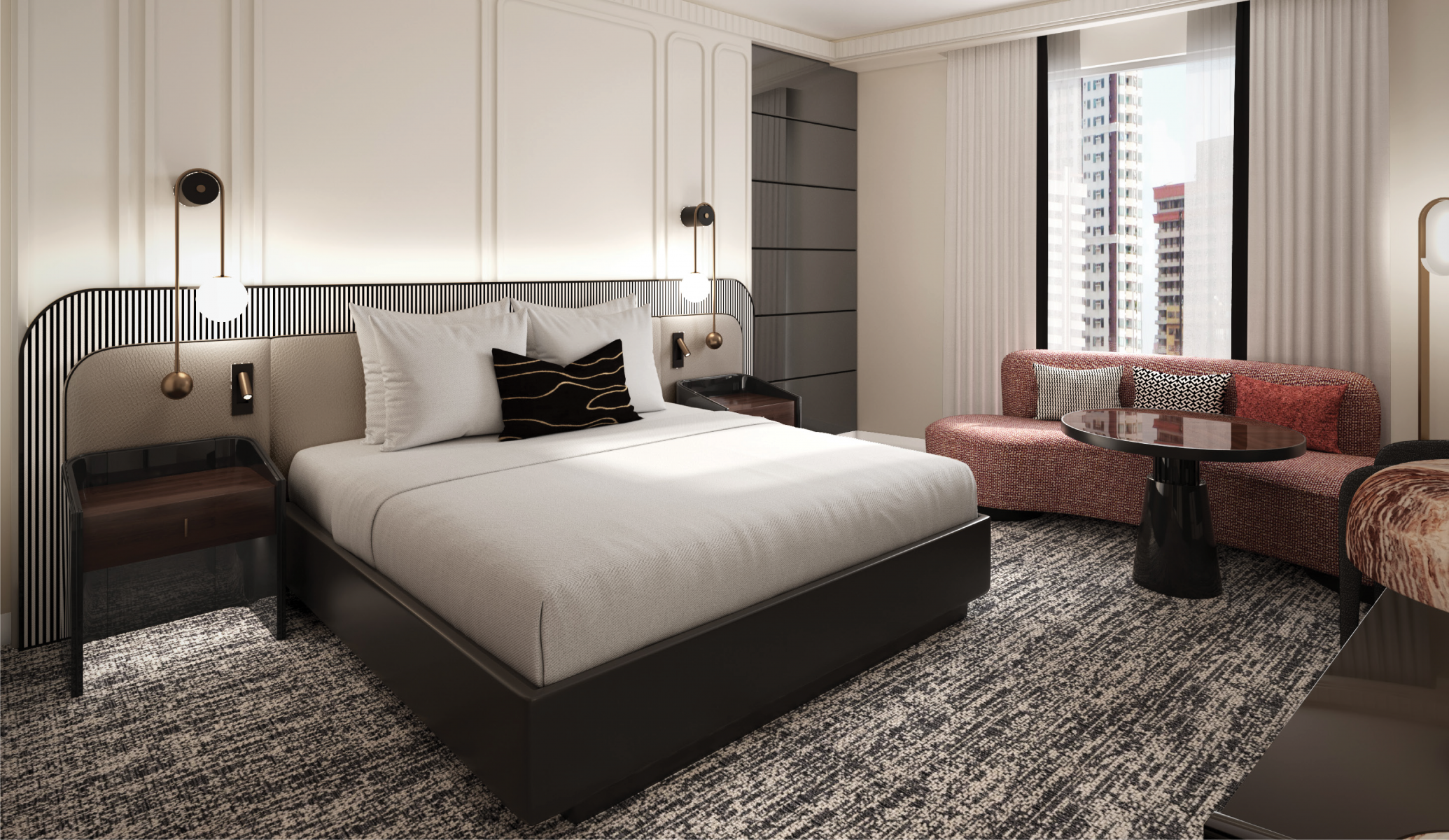
Ever walk into a hotel room and just feel your shoulders drop? That instant exhale. It’s not magic, though it feels like it. Usually, it’s the result of thoughtful design choices, specifically the things you touch. We spend roughly one-third of our lives in bed, yet so many of us treat our bedrooms as an afterthought. A place to crash. A storage unit for laundry we haven’t folded. But what if that space could actually heal you?
In 2026, the conversation around sleep has shifted. It’s no longer just about tracking hours on a smartwatch or buying the most expensive mattress. It’s about the environment. It’s about creating a sensory experience that signals to your brain: it is safe to rest here. And the fastest way to hack that signal isn’t through technology. It’s through texture. The rough weave of linen, the cool slide of silk, the deep pile of wool. These aren’t just decorative details. They are the building blocks of serenity.
Let’s be honest. Life is loud. Our screens are bright. The world outside is demanding. Your bedroom should be the antidote. It should be a soft place to land. By focusing on premium textures, you aren’t just decorating. You are curating a mood. You are wrapping yourself in comfort that goes skin-deep. This guide isn’t about buying the most expensive stuff. It’s about understanding how materials affect your nervous system and using that knowledge to build a retreat that feels like a hug.
The Psychology of Softness
Why does touching something soft make us feel calm? It’s primal. Think about a child with a security blanket or a pet seeking out a plush rug. Humans are wired to seek comfort through touch. When our skin encounters high-quality, soft textures, our brain releases oxytocin. That’s the bonding hormone. The love hormone. It lowers cortisol, the stress chemical. So, when you sink into a bed made of long-staple cotton or brushed flannel, you aren’t just getting comfortable. You are chemically signaling your body to relax.
Recent studies in environmental psychology back this up. In 2025, researchers found that tactile environments significantly impact sleep latency—how long it takes to fall asleep. Participants who slept in rooms with varied, natural textures reported falling asleep faster and feeling more rested than those in minimalist, hard-surfaced rooms. It turns out, sterility doesn’t equal peace. Warmth does. And warmth comes from texture.
This is why the "quiet luxury" trend isn’t going anywhere. It’s not about logos or flashiness. It’s about the quiet confidence of quality. A heavy knit throw at the foot of the bed. A velvet pillow that invites you to lean in. These elements create a sense of safety. They wrap the room in a visual and tactile warmth that says, stay awhile. When you prioritize these sensations, you stop fighting your environment and start working with it. You let the room do the heavy lifting of calming you down.
Choosing the Right Foundation: Bedding Matters
Your bed is the anchor of the room. It’s the biggest surface area, so it has the biggest impact. If you want a serene retreat, start here. But don’t just grab the first sheet set you see. Look at the fiber. Linen is having a massive moment in 2026, and for good reason. It’s breathable, durable, and gets softer with every wash. That slightly rumpled look? It’s intentional. It feels relaxed. Unpretentious. Perfect for a space where you’re supposed to let go of perfectionism.
If linen feels too textured for you, consider high-thread-count percale cotton. It’s crisp, cool, and clean. Like a fresh shirt. It creates a sense of order and clarity. On the other hand, sateen offers a subtle sheen and a silky smoothness that feels indulgent. There’s no right answer, only what feels right to your skin. The key is natural fibers. Synthetic blends trap heat and static. They don’t breathe. Natural materials like cotton, linen, hemp, and bamboo regulate temperature and feel alive against your skin.
Layering is where the magic happens. Don’t stop at the sheets. Add a duvet with a textured cover. Maybe a waffle weave for summer or a heavy down alternative for winter. Then, add a quilt or a coverlet. This isn’t just for looks. It gives you options. You can adjust your warmth throughout the night. But visually, it adds depth. A flat bed looks sterile. A layered bed looks inviting. It looks like a place where someone cares about comfort. And that someone should be you.
Floor Feelings: Grounding Your Space
We often forget about the floor. But think about the first thing you touch when you get out of bed. If it’s cold hardwood or cheap carpet, the spell is broken. The transition from the warm cocoon of your bed to the harsh reality of the floor jars the senses. A plush rug changes that. It extends the comfort zone. It softens the acoustics of the room, absorbing sound instead of bouncing it around. Silence is a texture, too.
In 2026, sustainable flooring options are more accessible than ever. Wool rugs are incredible for bedrooms. They are naturally flame-resistant, stain-resistant, and incredibly soft. They also regulate humidity, which helps keep the air quality better for breathing while you sleep. If wool is out of budget, look for high-quality jute or sisal layered with a softer runner. The contrast between the rough natural fiber and the soft bedding creates a nice balance. It connects the room to nature.
Barefoot living is a big part of the serene retreat concept. You want to feel grounded. Literally. When your feet hit a soft, warm surface, it reinforces the feeling of safety. Avoid synthetic carpets that off-gas chemicals. Stick to natural materials. They smell better. They feel better. And they age beautifully. A little wear and tear on a natural fiber rug adds character. It tells a story. In a sanctuary, perfection is less important than authenticity. Let the floor be a place of comfort, not just a structural necessity.
Window Treatments and Light Control
Light is the enemy of sleep, but it’s also essential for waking up. The trick is control. And the tool for that control is your window treatments. Heavy, textured curtains do more than just block light. They add weight to the room. Visually, they ground the space. A floor-to-ceiling velvet or heavy linen curtain creates a sense of enclosure. It makes the room feel smaller, cozier. More like a nest.
Blackout linings are non-negotiable for a true retreat. But you don’t have to sacrifice style for function. Layer sheer curtains underneath heavier drapes. During the day, open the heavy ones and let the light filter through the sheers. It creates a soft, diffused glow that eliminates harsh shadows. Shadows can be unsettling. Soft light is calming. The texture of the fabric plays with the light, creating patterns that change throughout the day. It makes the room feel dynamic yet peaceful.
Don’t overlook the hardware. The rods and rings you use matter. In line with the "quiet luxury" aesthetic, choose matte finishes. Brushed brass, matte black, or aged bronze. Avoid shiny chrome. It’s too clinical. The weight of the rod should match the weight of the curtains. When you pull those curtains closed at night, it should feel substantial. Satisfying. It’s a ritual. A physical act of closing out the world. That tactile feedback reinforces the mental shift from day to night.
Accent Textures: Pillows, Throws, and Details
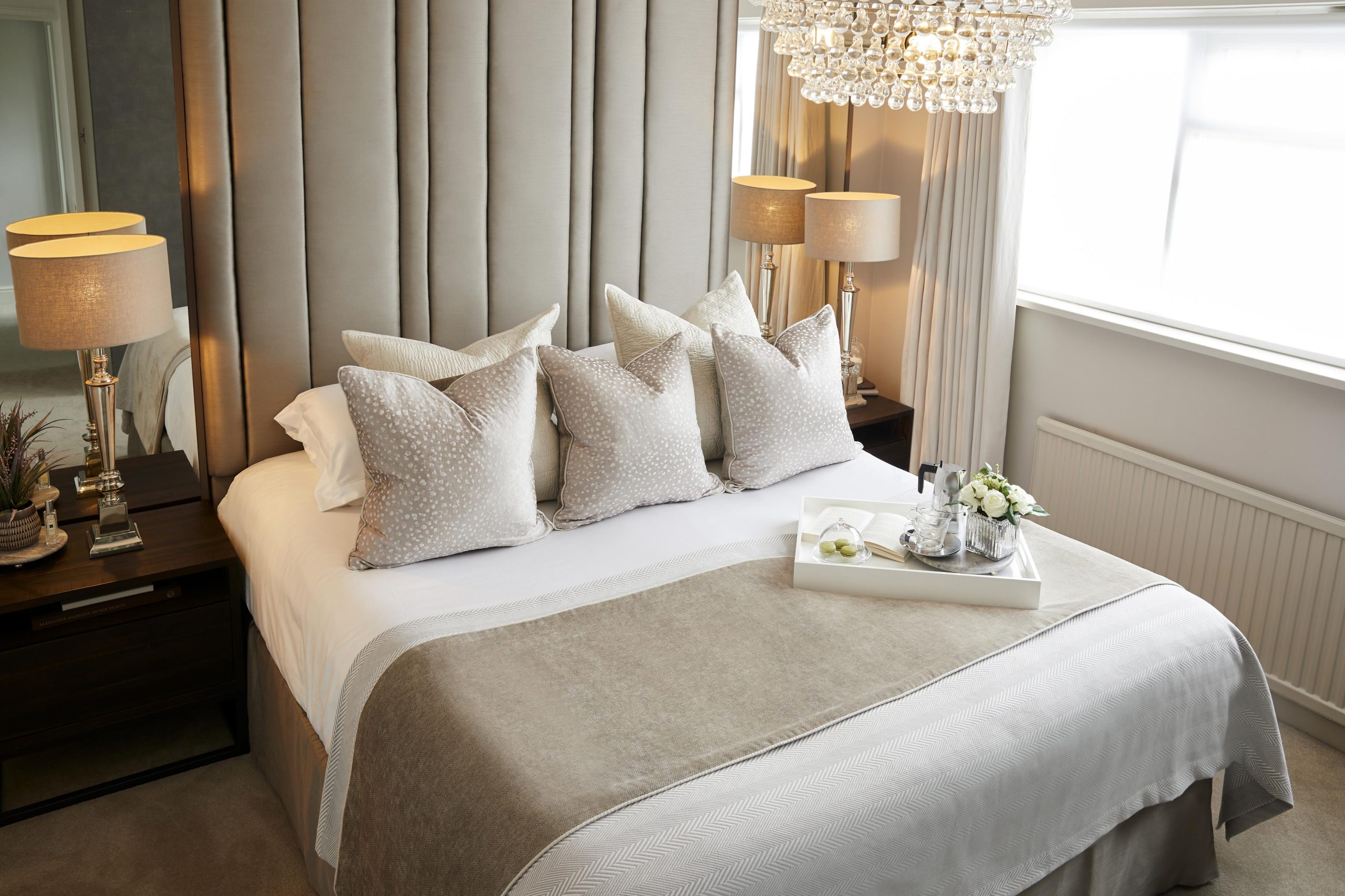
Now for the fun part. The accessories. This is where you can play. Pillows aren’t just for sleeping. They are for leaning, propping, and hugging. Mix sizes and shapes. Use Euro shams for height. Add lumbar pillows for support. But pay attention to the covers. Mix knits with wovens. A chunky cable-knit pillow next to a smooth silk one creates interest. It invites you to reach out and touch. Variety prevents boredom. It keeps the space feeling curated, not catalog-perfect.
Throws are the unsung heroes of the bedroom. Drape one over a chair in the corner. Fold one neatly at the foot of the bed. Keep one within arm’s reach for those chilly nights. A faux fur throw adds a touch of wildness. A cashmere blend adds pure luxury. Even a simple cotton gauze throw can add a layer of airy softness. The goal is abundance. Not clutter. Abundance of comfort. You want to feel surrounded by softness.
Small details matter too. Consider the texture of your lampshades. A linen shade casts a warmer, softer light than a paper one. What about the handle on your dresser? Smooth wood or cool stone feels better than plastic. These micro-interactions add up. Every time you touch something in your room, it should feel good. It should feel intentional. This level of attention transforms a generic bedroom into a personal sanctuary. It shows respect for your own well-being. And thats a powerful message to send yourself every single day.
Creating the space is one thing. Keeping it serene is another. Premium textures require care. They aren’t low-maintenance, but they are worth it. Wash your linens regularly, but don’t over-dry them. Take them out while they are slightly damp to prevent stiffness. Use gentle detergents. Avoid harsh chemicals that strip the natural oils from fibers. You want them to stay soft. You want them to smell clean, not artificial.
Decluttering is part of texture maintenance. Too many objects create visual noise. Visual noise creates mental noise. Keep surfaces clear. Let the textures speak. If you have a beautiful wool rug, don’t cover it with junk. If you have stunning linen curtains, don’t block them with piles of clothes. The beauty of these materials is in their simplicity. They need space to breathe. Just like you.
Finally, engage with your space. Don’t just look at it. Touch it. Run your hand over the headboard. Sink into the pillows. Notice how the light hits the quilt. Mindfulness isn’t just for meditation cushions. It’s for everyday life. By appreciating the textures around you, you reinforce the calm they provide. You remind yourself that this space is for rest. For recovery. For you. In a world that constantly demands more, your bedroom should demand nothing. It just offers comfort. And in 2026, that is the ultimate luxury.
So, where do you start? You don’t need to redo the whole room tomorrow. Start with one thing. Maybe a new pillowcase. Maybe a small rug. Notice how it changes the feel of the room. Notice how it changes how you feel. Build from there. Layer by layer. Texture by texture. Create a space that holds you. A space that heals you. Because you deserve a retreat. You deserve a place where the world stops spinning, even just for a few hours. Let the softness do its work. Let the silence settle in. And sleep. Really sleep.