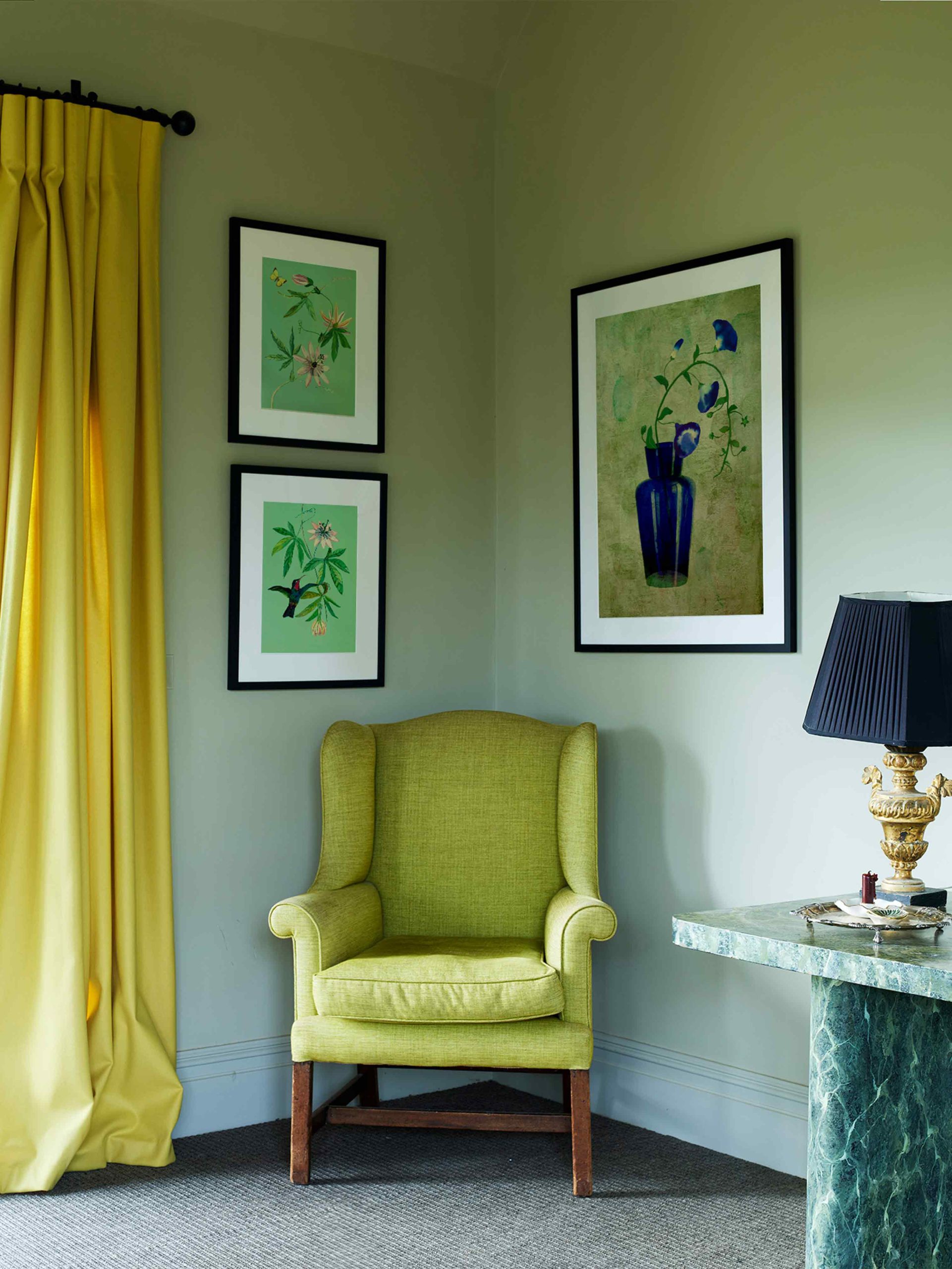
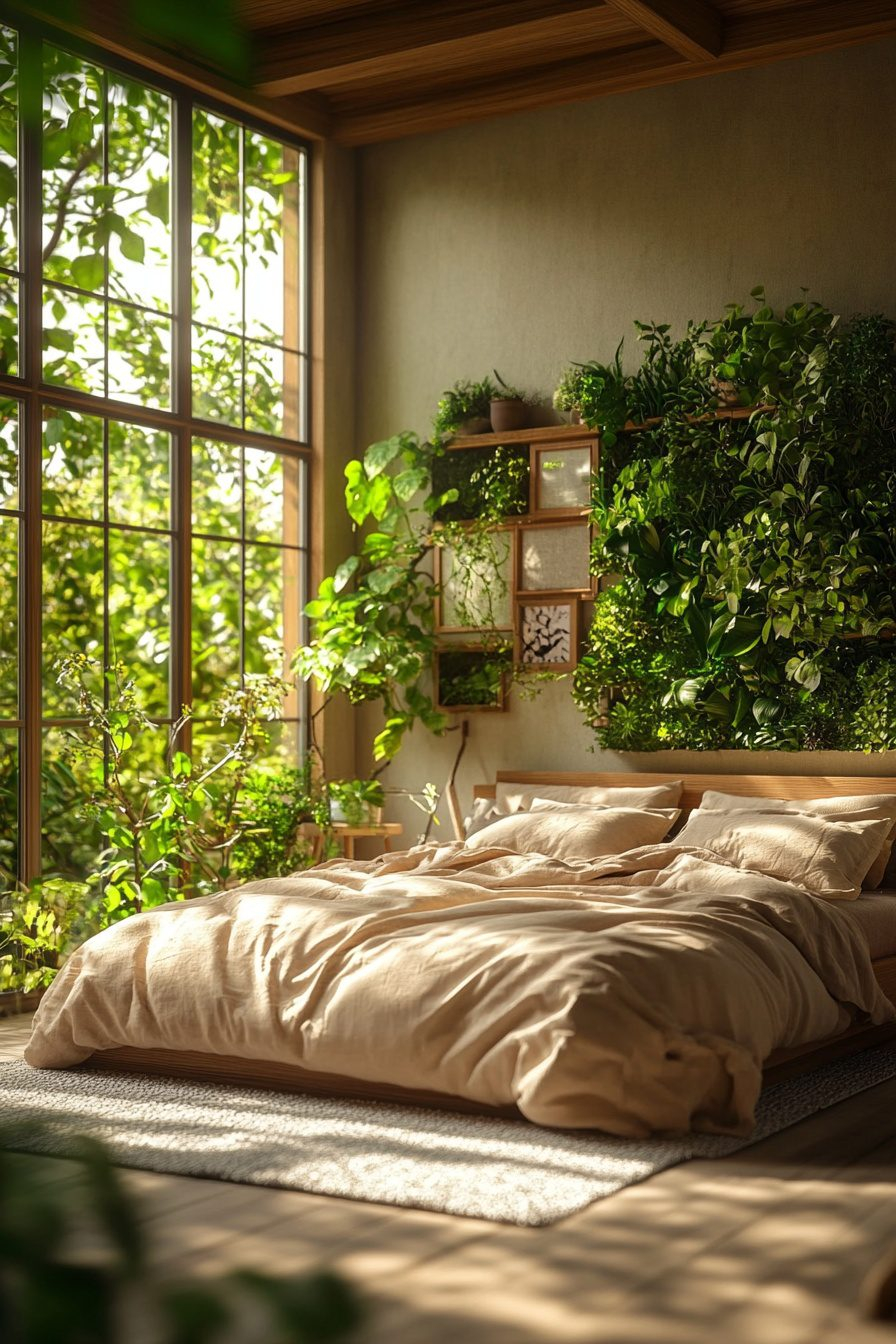
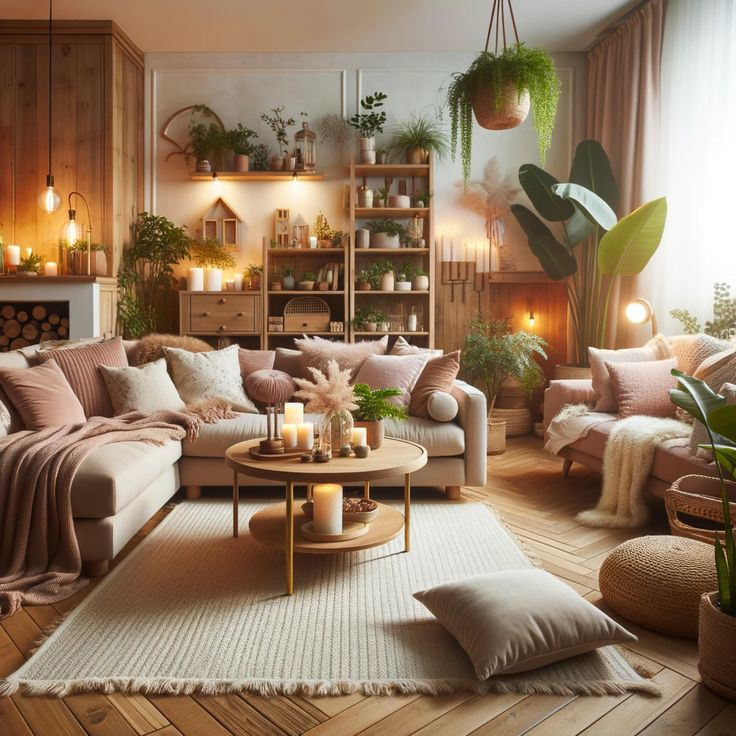
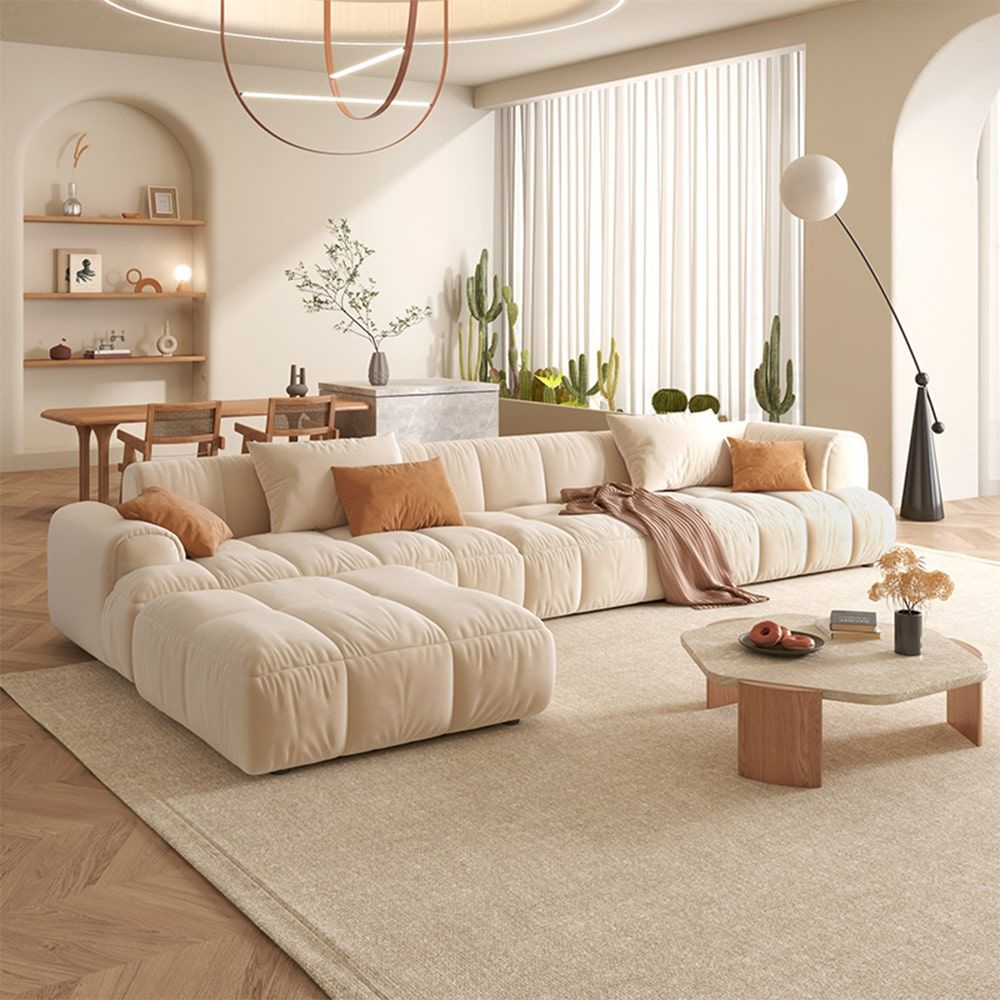
You walk into a room, and it just feels… right. Not perfect, not sterile, but right. There’s a warmth there that you can’t buy off a flat-pack assembly line. It’s in the grain of the oak table, slightly uneven because a human hand sanded it. It’s in the chair that creaks just a little, reminding you it was built to last, not to be replaced next season. This isn’t just a vibe; it’s a movement. And in 2026, it’s everywhere.
We are seeing a massive shift. People are tired of the disposable. They are done with furniture that falls apart after two moves. Instead, there is a hunger for things with stories. Things that feel like they have always been there, even if they were made last month. This return to handcrafted Americana isn’t about wearing a costume from the past. It’s about grounding ourselves in a time when making things well mattered. It’s about comfort, nostalgia, and personality redefining how we live.
So, why now? Why is everyone suddenly obsessed with "brown furniture" and artisan workshops? Maybe it’s because the world feels fast and uncertain. Having a solid, heavy dresser made by a craftsperson in Vermont or Kentucky gives you something to hold onto. Literally and figuratively. Let’s dive into what this trend actually looks like, because it’s not your grandfather’s dusty attic. It’s fresh, it’s vibrant, and it’s deeply personal.
The Shift Away from Mass Production
For years, we bought furniture like we bought fast fashion. Cheap, trendy, and destined for the landfill. But the mood has shifted. In 2026, buyers are actively rejecting mass production. They want traceability. They want to know who made their sofa and where the wood came from. This isn’t just a niche preference anymore; it’s becoming the standard for anyone who cares about their home.
Artisan-made pieces are dominating the market because they offer something algorithms can’t: soul. When you buy a handcrafted piece, you are buying into a narrative. You are supporting a local economy and reducing your carbon footprint. Sustainability is no longer a buzzword; it’s a requirement. Consumers are seeking eco-friendly materials, and nothing says sustainable like a solid wood table that will outlive you.
This shift is permanent. It’s not a fad that will fade by next year. People have realized that quality costs more upfront but saves money and stress in the long run. A handcrafted chair might cost three times as much as a factory-made one, but it won’t wobble after six months. It becomes an heirloom. This change in mindset is driving designers to source locally and prioritize craftsmanship over speed. It’s a slower way to live, but it feels better.
Heritage Chic Meets Modern Comfort
One of the biggest misconceptions about Americana style is that it has to be stiff or uncomfortable. That’s old news. In 2026, we are seeing "Heritage Chic." This is the art of taking historic American antiques—what some call "brown furniture"—and integrating them into modern luxury homes. Think of a rugged, 19th-century farm table paired with sleek, contemporary lighting. Or a vintage chest of drawers refinished with a bold, modern color.
The key here is mixing eras. Designers are encouraging us to blend the old with the new. You don’t need to furnish your entire house in period-correct styles. In fact, that looks like a museum, not a home. The magic happens when you juxtapose a rough-hewn wooden bench with a soft, plush, modern velvet sofa. It creates tension and interest. It shows that you respect the past but live in the present.
Comfort is king in this new iteration. Traditional styles are being reimagined with modern ergonomics. A rocking chair might look like it’s from 1890, but the cushioning is high-density foam wrapped in durable, stain-resistant fabric. It’s about having the aesthetic of history without the back pain. This balance allows people to enjoy the visual warmth of Americana while still enjoying the conveniences of modern life. It’s the best of both worlds.
The Storytelling Power of Imperfection
Perfection is boring. Have you noticed? A machine-made table is flawless, but it has no character. Handcrafted Americana celebrates the flaw. The knot in the wood. The slight variation in the glaze of a ceramic lamp. The hand-painted motif that looks a bit naïve. These aren’t mistakes; they are signatures. They prove a human was here.
This trend is about deeply personal storytelling. Your home should reflect who you are, not what a catalog says you should like. In 2026, we are seeing a rise in whimsical elements and mixed materials. Rattan accents are popping up on sturdy oak frames. Metal vessels with unusual spouts or multiple handles are being used as decor. These pieces express an unsettled, complex national culture. They are conversational starters.
When you invite friends over, they don’t just see a table. They ask, "Where did you find that?" And you get to tell the story. Maybe you bought it from a maker at a local fair. Maybe it was passed down from your aunt. That connection is what makes a house a home. It’s about warmth and memory. The imperfections invite touch. They invite you to sit down and stay a while. It’s a rejection of the cold, untouchable aesthetic that dominated the early 2020s.
Regional Influences and Local Craft
Americana isn’t a monolith. It’s different in Maine than it is in Texas. In 2026, there is a huge appreciation for regional influence. Designers are looking to local traditions for inspiration. In the Pacific Northwest, you see more cedar and rain-inspired motifs. In the Southwest, it’s about terracotta tones and rugged leather. This localization makes the trend feel authentic rather than generic.
Supporting local artisans means keeping these regional styles alive. It prevents everything from looking the same. When you buy from a maker in your region, you are getting a piece of that landscape. The wood might have been harvested nearby. The techniques might have been passed down through generations of local craftsmen. This adds a layer of meaning to the object.
It also builds community. Visiting a workshop, talking to the maker, understanding the process—it connects you to your neighbors. It’s a stark contrast to clicking "buy" on a faceless website. This personal interaction is part of the value proposition. People are willing to pay for that connection. They want to feel part of something bigger than just a transaction. It’s about identity, both personal and communal.
Mixing Materials and Textures
If there is one rule for 2026 Americana, it’s this: mix it up. Gone are the days of matching wood tones. Now, we celebrate the clash. Dark walnut next to light pine. Rough metal next to smooth glass. This eclecticism keeps the space feeling dynamic and alive. It prevents the room from feeling too curated or staged.
Rattan and cane are making a huge comeback, often paired with heavier woods. This adds visual lightness to substantial pieces. Imagine a solid oak sideboard with rattan drawer fronts. It’s sturdy but airy. Textiles play a big role too. Quilts, woven blankets, and embroidered pillows add layers of texture. These soft elements soften the hard lines of wooden furniture.
Whimsical elements are also key. Don’t be afraid to add something unexpected. A chair with a quirky shape. A lamp with a hand-painted shade. These items inject personality into the room. They show that you don’t take yourself too seriously. The goal is a lived-in look. A space that feels collected over time, not bought in a day. This approach allows for flexibility. You can add and subtract pieces as your life changes.
Sustainability as a Core Value
Let’s be real: you can’t talk about 2026 furniture without talking about sustainability. Handcrafted Americana is inherently green. It uses natural materials. It avoids plastics and synthetic composites. But it goes deeper than that. It’s about longevity. The most sustainable piece of furniture is the one you never throw away.
Makers are using reclaimed wood, non-toxic finishes, and ethical sourcing practices. Consumers are demanding transparency. They want to know that the wood wasn’t harvested from endangered forests. They want to know that the workers were paid fairly. This ethical stance is a major driver of the trend. It aligns with the values of a generation that is increasingly concerned about the planet.
Buying less, but buying better, is the mantra. Instead of filling your home with cheap items, you invest in a few key pieces. This minimalist approach reduces clutter and waste. It also creates a more serene living environment. Your home becomes a sanctuary, not a storage unit for disposable goods. This shift in consumption habits is healthy for our wallets and our world. It’s a win-win.
So, how do you bring this into your own space? Start small. You don’t need to redo your whole house. Pick one piece. Maybe a dining table or a reading chair. Look for something handcrafted. Visit a local craft fair or browse online marketplaces that feature independent makers. Look for signs of human touch. Irregularities are good.
Mix it with what you already have. Don’t worry if your new rustic table doesn’t match your modern chairs. That’s the point. Add some texture with a woven rug or a linen curtain. Bring in some plants to soften the look. The goal is to create a space that feels warm and inviting. A place where you want to linger.
Remember, it’s about how the space makes you feel. If it feels stiff or formal, you’re doing it wrong. Americana is about comfort. It’s about hospitality. It’s about gathering with loved ones. So, choose pieces that invite you to sit, to eat, to talk. Let your home tell your story. And don’t be afraid to let it evolve. After all, the best homes are never truly finished. They grow with you.