Let’s be completely honest for a second. Nobody wakes up on a Saturday morning excited to scrub the shower. You know the drill: you grab that old toothbrush, a bottle of harsh chemical spray, and you spend an hour on your knees fighting a losing battle against mildew. It’s exhausting, it hurts your back, and within a few weeks, the dark stains are right back where they started.
For decades, we just accepted this as part of homeownership. If you wanted a beautiful tiled bathroom or a sleek kitchen backsplash, you had to pay the "grout tax." But things have changed fast recently. By 2026, a massive shift has taken over the interior design world, and it’s saving our sanity.
The Nightmare of Traditional Tile Maintenance
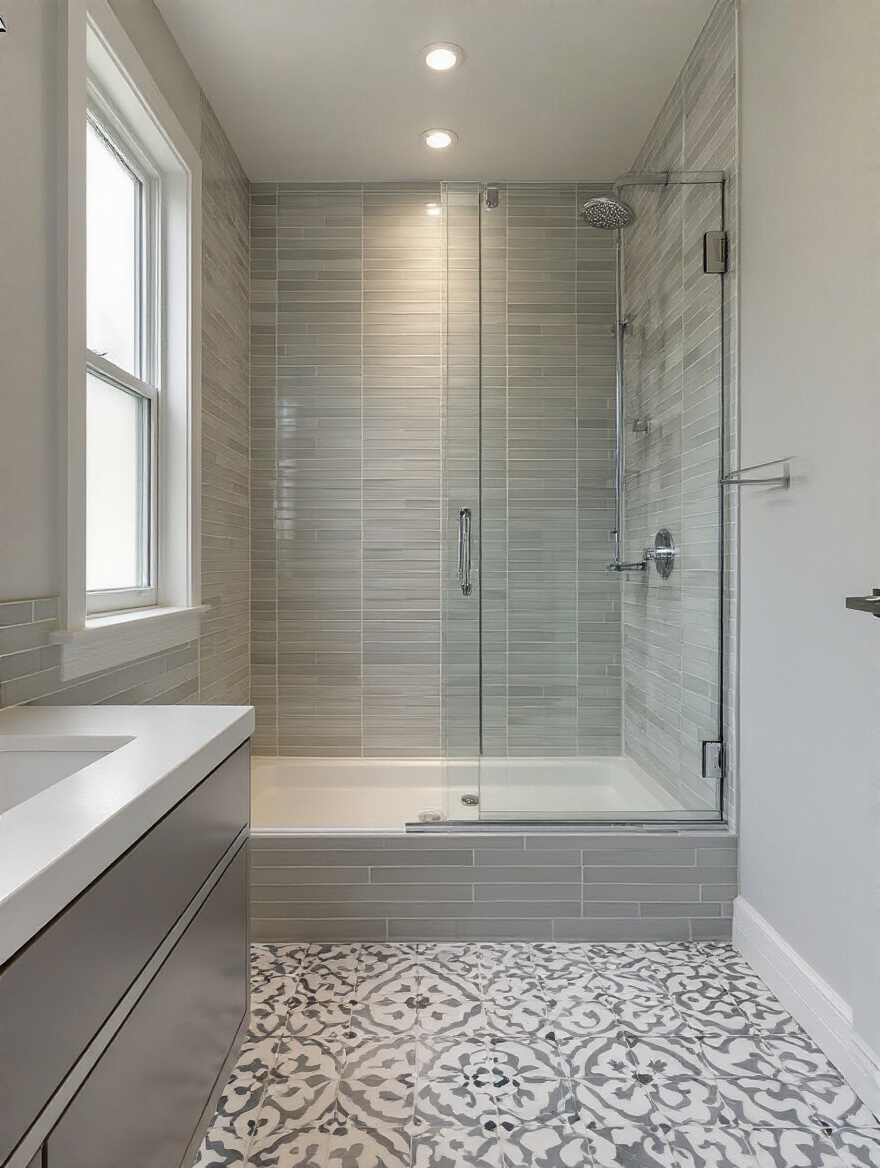
We love the look of classic subway tile or intricate mosaics, but we hate the reality of living with them. Grout is inherently porous. Think of it like a hard sponge that absorbs oils, soap scum, and dirty water every single day. Because it sits slightly lower than the tile edges, it creates perfect little channels where moisture collects and bacteria thrives.
Over time, even the most expensive sealers wear off. This leaves you with discolored lines that make a clean bathroom look dirty. Homeowners have spent millions on specialized steam cleaners and heavy-duty chemicals just to keep up, turning a simple chore into a part-time job.
Enter the Large Format Slab
So, what exactly is changing the game. Enter large format slab walls. We aren’t talking about standard 12-inch tiles anymore. These are colossal panels of porcelain, sintered stone, or natural quartz that can measure up to 5 feet by 10 feet.
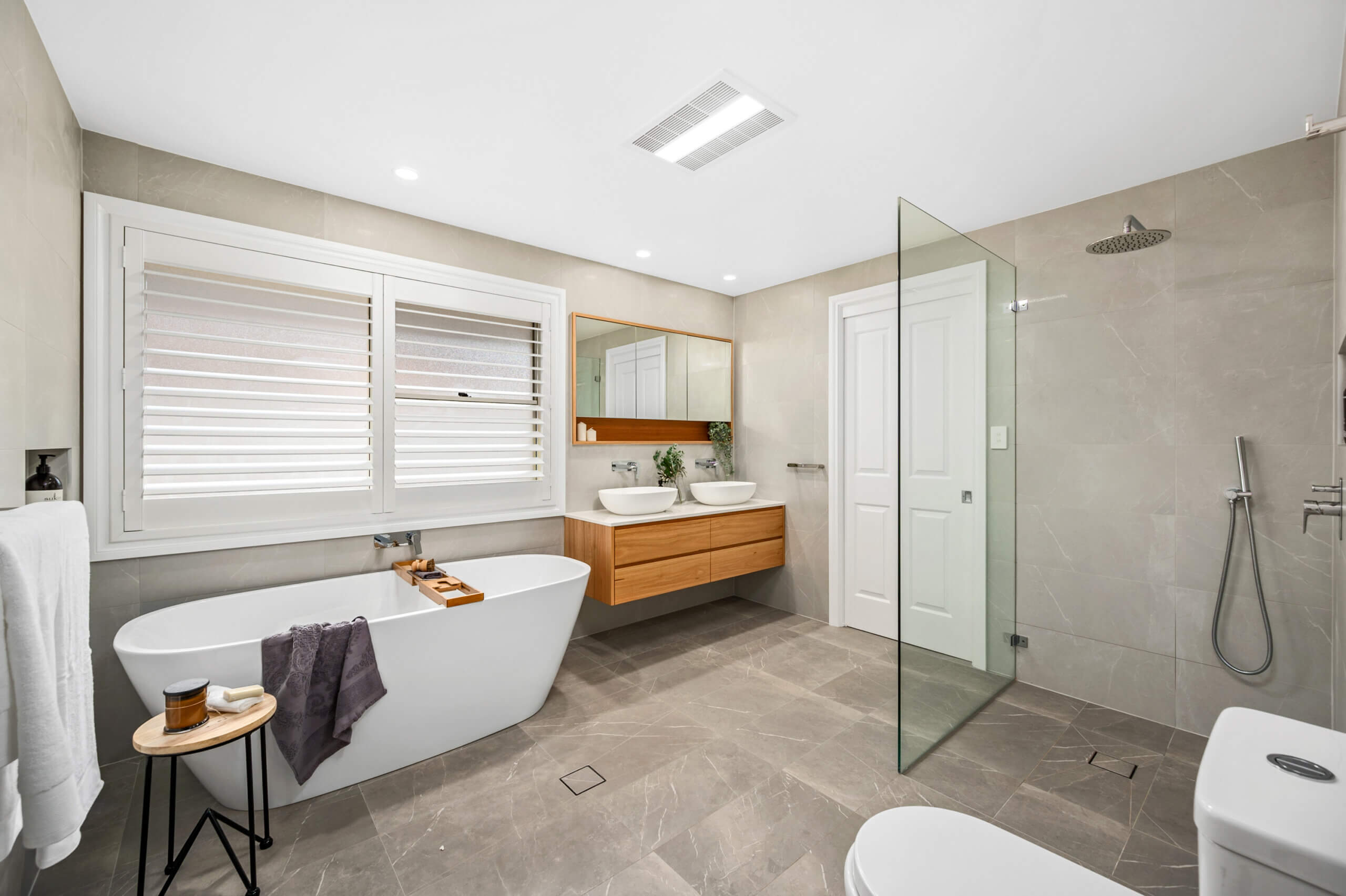
Because these sheets are so gigantic, a single panel can often cover an entire shower wall from floor to ceiling. When you eliminate the breaks between tiles, you eliminate the need for grout. Suddenly, a space that used to have hundreds of tiny, grime-collecting joints now has just a couple of seamless corners.
Why Porcelain Technology Swallowed the Market
A few years ago, putting massive slabs on a wall meant buying heavy, expensive marble that required constant professional sealing. Today, modern manufacturing has changed everything. Advanced porcelain slabs are engineered to be incredibly thin—often just 6mm thick—making them lightweight enough to hang on standard drywall.
These modern materials are completely non-porous. They don’t absorb water, they don’t stain, and they are totally immune to mold growth. Plus, the printing technology has gotten so good that these panels mimic the dramatic veining of rare Italian marble perfectly, but at a fraction of the cost and maintenance.
A Total Shift in How We Clean
Imagine cleaning your entire shower in under two minutes. With slab walls, the dreaded toothbrush is officially retired. Instead, you just take a squeegee or a microfiber cloth with some mild dish soap and wipe down the smooth surface.
There are no cracks for dirt to hide in, no rough textures to snag your sponge, and no need for caustic bleach sprays that burn your throat. It turns out that when you remove the texture, cleaning becomes as easy as wiping down a kitchen counter.
The Visual Magic of Seamless Design
Beyond the practical cleaning benefits, there is a major aesthetic bonus here. Grout lines act like visual speed bumps. They chop up a wall into tiny boxes, which can make a small bathroom feel cramped and busy.
Slabs do the exact opposite. Because the pattern flows continuously across the wall, it tricks your brain into seeing a much larger, more open space. It gives off an instant luxury hotel vibe, making even a modest suburban bathroom look like a high-end spa.
What to Watch Out For During Installation
Now, before you run out to buy these massive panels, there are a few practical things to keep in mind. Handling a piece of porcelain the size of a mattress requires special equipment and serious skill. This is definitely not a DIY project you can tackle over a weekend with a friend.
The walls behind the slabs need to be perfectly flat and plumb. If the wall bows even a little bit, the stiff panel won’t sit right and could crack. You also need to make sure your home’s hallways and doorways are wide enough just to carry the slabs into the bathroom in the first place.
As we move through 2026, the trend toward low-maintenance living is only growing stronger. People are prioritizing their time more than ever, and they are willing to invest upfront to avoid future headaches. The initial cost of slab materials and expert installation can be higher than traditional tile, but the savings in time, energy, and cleaning supplies make it worth it for many.
Ultimately, home design should make our lives easier, not give us more chores. Large format slab walls have proven that we don’t have to sacrifice style to get a clean house. The era of scrubbing on your knees is finally drawing to a close, and honestly, nobody is going to miss it.