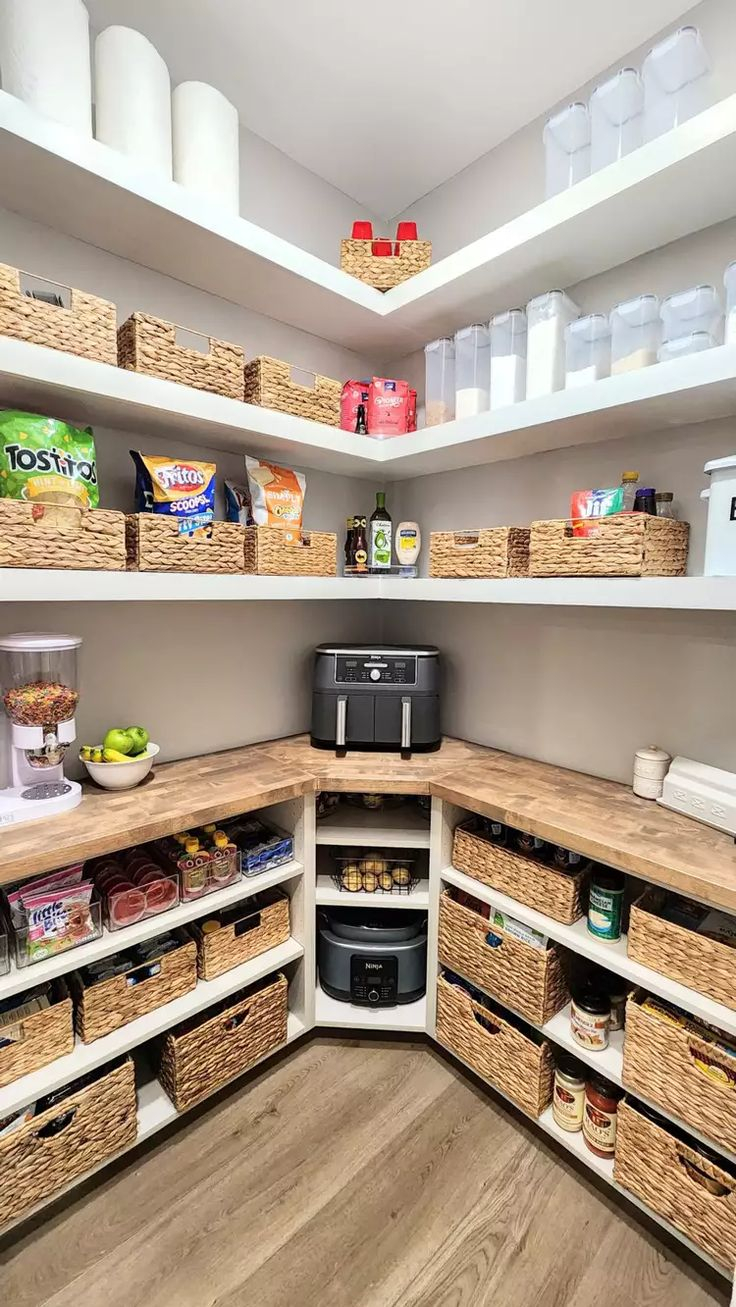
It started with a lost bag of black lentils and a jar of ancient-grain mustard that expired during the previous presidential administration. Standing in the amber gloom of my reach-in pantry, illuminated by a solitary 40-watt bulb that cast long, depressing shadows behind towering stacks of canned tomatoes, I realized the space was actively working against my desire to feed my family well. Every weeknight dinner began with an archaeological excavation. I would pull out three heavy boxes just to reach the tamari, knocking over a canister of breadcrumbs in the process, cursing the void where logic and visibility went to die.
The tipping point arrived on a rainy Tuesday evening when I abandoned a recipe for braised lamb shanks simply because I could not face the physical labor of unearthing the dried rosemary and tomato paste. That was the night I declared war on the abyss. A dark pantry is not merely an aesthetic grievance; it is a psychological barrier to creativity and an insidious engine of food waste. When you cannot see what you own, you buy duplicates. When ingredients are buried in cardboard mazes, cooking shifts from an act of creative pleasure to a tedious endurance test.
Fixing this spatial emergency did not require a structural contractor, a five-figure kitchen remodel, or a wholesale demolition of drywall. Instead, the transformation hinged on a series of micro-interventions: physics-based lighting adjustments, ruthless vertical geometry, and a psychological realignment of how ingredients are categorized. By treating the pantry not as a storage closet of last resort, but as the active command center of a working kitchen, the entire dynamic of my home cooking shifted. What was once a black hole became an ergonomic powerhouse, turning the friction of meal prep into frictionless flow.
Illuminating the Void Through Strategic Lighting and Material Physics
Light is the foundational variable of any functional workspace, yet traditional pantries are routinely treated as interior windowless dungeons where illumination is an afterthought. My initial setup relied on a single ceiling fixture positioned behind the top shelf, ensuring that my own head acted as a perpetual eclipse whenever I reached for anything below eye level. To build an efficient cooking hub, the first mechanical upgrade had to address lumens, color temperature, and shadow angles. Task lighting cannot be generalized in a confined vertical corridor; it demands linear precision.
The solution involved abandoning the central incandescent bulb in favor of hardwired, low-profile LED light bars mounted directly to the underside of each wooden shelf. These fixtures, operating at a clean 4000K neutral white spectrum, deliver daylight-balanced clarity without the harsh, clinical glare of blue-spectrum commercial lights or the dull, yellowish tint of old-school bulbs. A high Color Rendering Index (CRI) rating above 90 was non-negotiable; spices need to look like spices, and lentils need to display their true earthen hues so you can instantly spot mold, pests, or age-related fading.
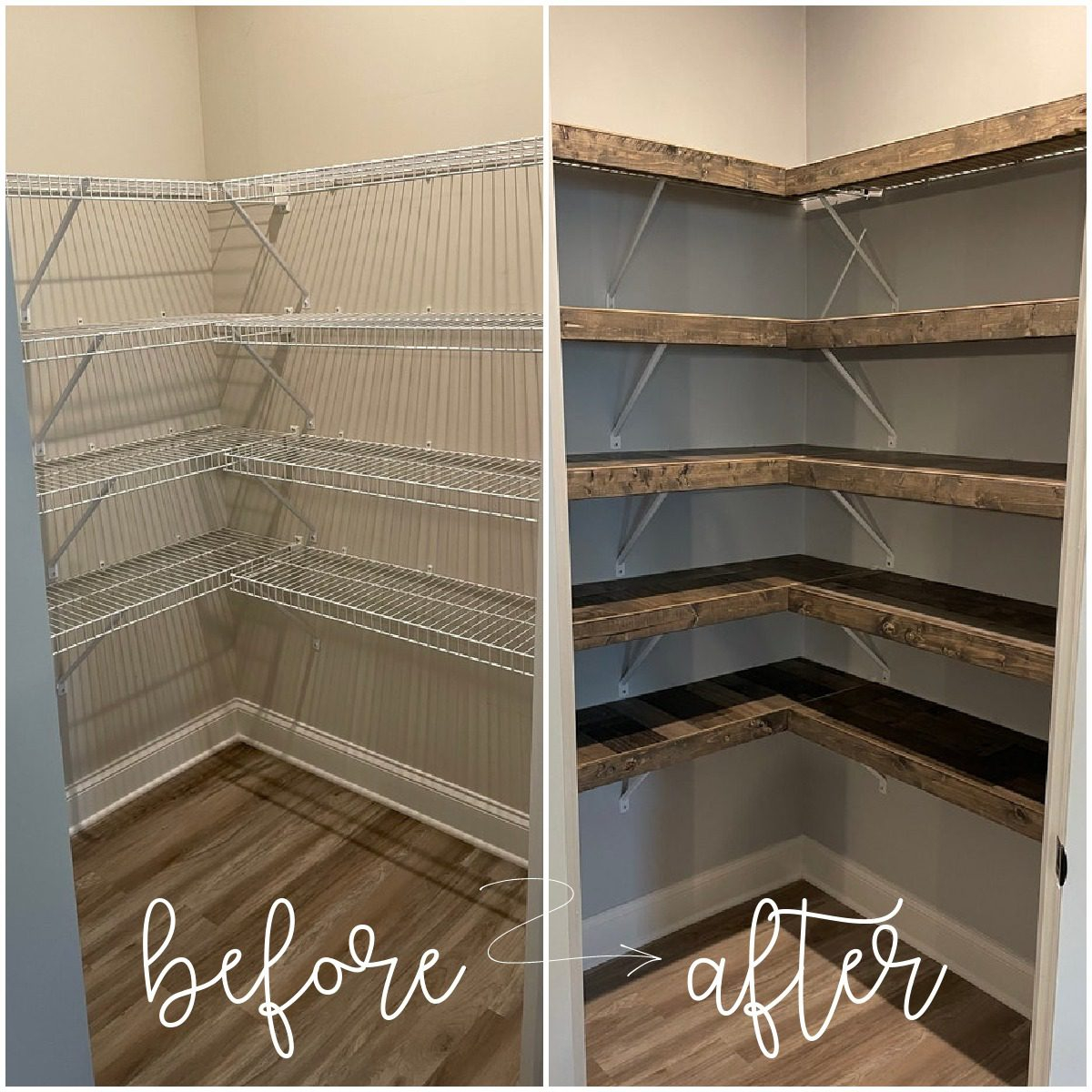
Beyond illumination, the physical surfaces of the pantry required an immediate overhaul. Dark, unpainted cedar shelving had spent decades absorbing ambient oils, dust, and visual weight. Replacing those heavy boards with matte-white, high-density laminate shelving instantly bounced the newly introduced LED light downward, creating a luminous cascade effect from top to bottom. Dark corners vanish when light reflects off high-reflectance surfaces. Suddenly, the entire volume of the cabinet was legible from across the kitchen, transforming a cavernous closet into an open-air display case of culinary potential.
Engineering Vertical Real Estate and Eliminating Visual Noise
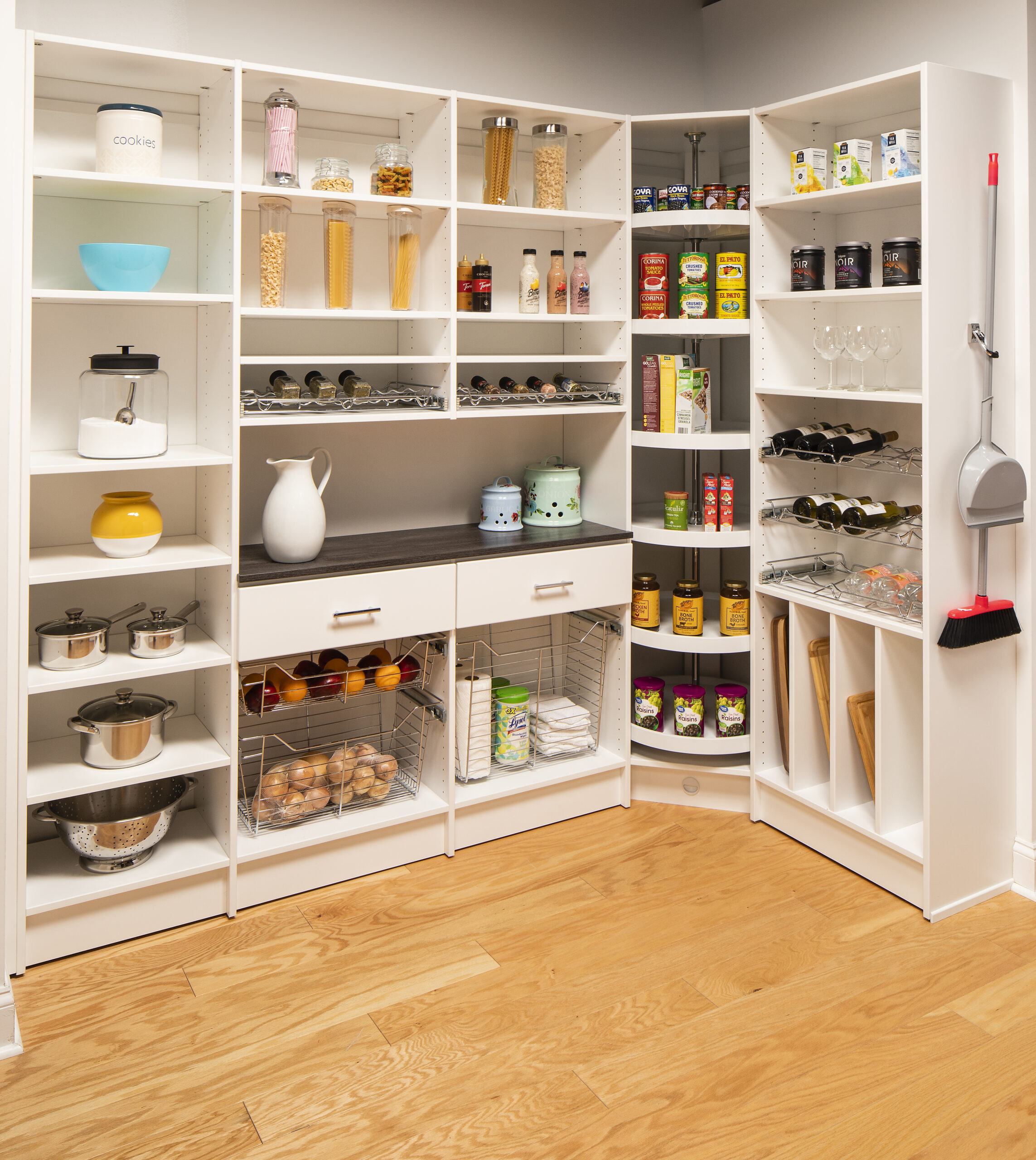
Most pantries fail not because they lack square footage, but because they waste the cubic air space between shelves. Standard builder-grade spacing leaves massive vertical gaps—sometimes twelve to fifteen inches—where cereal boxes lean precariously and bags of flour slouch into formless heaps. To reclaim this lost geography, the layout required a transition from horizontal stacking to modular, vertical compartmentalization. Every vertical inch had to earn its keep based on frequency of use and package geometry.
The primary culprit of visual clutter was the tyranny of commercial packaging. Brightly colored cardboard boxes covered in marketing noise, bilingual cooking instructions, and neon UPC codes create cognitive overload. When your eyes are forced to process dozens of competing visual signals, decision fatigue sets in before you even start chopping onions. The remedy was decanting dry goods into uniform, airtight glass containers with wide mouths and bamboo lids. Uniformity creates calm, but more importantly, it allows instant visual inventory tracking. You can see at a glance whether you are running low on Arborio rice or bread flour without lifting a single lid.
To maximize depth without losing items to the back, I integrated tiered shelf risers and heavy-duty ball-bearing pull-out wire baskets for the lower zones. The lower shelves of a pantry are notoriously difficult ergonomic traps; kneeling on a kitchen floor to dig through a pile of cast-iron skillets or bulk grain sacks invites back strain. By installing full-extension pull-out drawers, the back of the pantry slides out to meet the cook. This ergonomic adjustment eliminated the dead zones where ingredients went to expire, ensuring that rotation protocols happened naturally through physical accessibility.
Step-by-Step Practical Implementation Guide
Transforming a dark, chaotic pantry into a streamlined cooking hub requires a sequential methodology. Skipping steps or diving straight into buying storage containers before auditing your inventory will only result in mismatched bins and wasted money. Follow this field-tested roadmap to systematically overhaul your space over a single weekend.
- Step 1 (The Total Extraction): Empty every single item out of the pantry onto the kitchen island or dining table. Group items into broad categories: baking supplies, grains, canned goods, vinegars and oils, and spices. Discard anything past its expiration date or compromised by pantry moths.
- Step 2 (Surface Sanitation and Light Installation): Wipe down all bare shelving with a multi-surface cleaner, followed by a vinegar-water rinse to remove residual grease. Mount your under-shelf LED lighting strips, running the low-voltage wires discreetly along the back corners down to a concealed power source or motion sensor.
- Step 3 (Zoning and Ergonomic Mapping): Assign zones based on frequency of access. Eye-level shelves are reserved for daily essentials like olive oil, salt, grains, and frequently used spices. The highest shelves house seasonal items and bulk backups. The lowest pull-out drawers hold heavy items like canned tomatoes, cast-iron accessories, and large flour crocks.
- Step 4 (Decanting and Standardizing Containers): Transfer dry goods into airtight, square or rectangular containers to maximize spatial efficiency over round vessels. Apply minimalist, water-resistant labels to the top or front of each container indicating the contents and, crucially, the expiration or purchase date.
- Step 5 (Establishing the Maintenance Protocol): Implement a strict first-in, first-out (FIFO) loading habit. When new groceries arrive, older stock moves forward. Dedicate ten minutes every Sunday evening to wipe down shelves and adjust inventory zones before the weekly meal planning session begins.
Common Pitfalls and Field-Tested Workarounds
Even with the best intentions, pantry transformations can derail if you fall into common organizational traps. Over-optimizing for aesthetics at the expense of function is the fastest way to render your new space unusable. Here are the primary pitfalls encountered during pantry overhauls and how to sidestep them successfully.
- Pitfall 1 (Buying Containers Before Measuring): Purchasing aesthetic bins and jars before inventorying your actual stock leads to containers that are either too small for bulk items or too large for awkward shelves. Workaround: Complete the total extraction and measurement phase first. Draft a spatial map on paper, noting the exact height, depth, and weight capacity of every shelf before shopping for hardware.
- Pitfall 2 (Over-Decanting Everything): Pouring every single item into glass jars creates a clean look, but discarding packaging for items with vital cooking instructions—such as yeast rise times, pasta boiling benchmarks, or specific spice blends—creates operational friction. Workaround: Retain cooking instructions by cutting out the back panel of boxes and slipping them beneath glass jars, or use label makers to include critical cooking metrics directly on the container.
- Pitfall 3 (Ignoring Pest Vulnerability): Storing flour, grains, and legumes in flimsy paper bags or unsealed plastic containers invites grain weevils and pantry moths, which can silently infest an entire kitchen within weeks. Workaround: Invest exclusively in silicone-gasket airtight containers for all dry goods, and place food-grade diatomaceous earth or bay leaves in strategic corners as natural deterrents.
- Pitfall 4 (Neglecting Weight Distribution): Placing heavy items like cast-iron Dutch ovens, large ceramic crocks, or cases of sparkling water on unsupported upper shelves creates structural hazard and ergonomic strain. Workaround: Anchor heavy shelving securely into wall studs, and strictly adhere to a gravity-weighted hierarchy where heavy items remain at waist height or below.
- Pitfall 5 (Static Layouts That Resist Seasonal Shifts): Treating the pantry as a permanent installation fails to account for how cooking habits change between summer grilling seasons and winter braising months. Workaround: Design modular zones with adjustable shelf tracks so you can easily shift baking supplies up during the holidays and bring pickling or canning gear forward in late summer.
Cultivating Culinary Momentum Through Ergonomic Design
An efficient pantry does more than save time; it fundamentally alters the cognitive load of meal preparation. In culinary ergonomics, the concept of "mise en place" traditionally applies to the kitchen counter, but its success depends entirely on the efficiency of the staging ground behind the cabinet doors. When your ingredients are organized logically, cooking transitions from a frantic search mission into a rhythmic, meditative practice. You no longer wander between the refrigerator, spice rack, and pantry rummaging for forgotten items while dinner burns on the stove.
Furthermore, this systematic approach to storage exerts a profound psychological influence on household food waste. The United Nations Environment Programme and various culinary economists consistently report that modern households throw away staggering quantities of edible food simply because items slide into dark obscurity past their prime. By replacing visual chaos with transparent organization, you establish an active feedback loop between what you own and what you cook. You notice when the red lentils are running low before you open a new bag of green ones, and you see the half-used jar of harissa paste before it develops a biological ecosystem.
There is also an undeniable economic dividend to this spatial discipline. When bulk purchases are visible and protected from pests, buying dried beans, grains, and canned goods in quantity becomes a viable strategy for reducing grocery bills. You stop paying convenience premiums for small packages because you actually have the shelf space to store economy-size containers properly. The pantry shifts from a passive dumping ground of forgotten impulse buys into a high-yield asset that actively supports your dietary goals and financial budget.
Actionable Frameworks for Long-Term Pantry Maintenance
Building a great pantry is an event; maintaining it is a system. Without a lightweight maintenance framework, entropy will inevitably reclaim the space within three months. The secret to longevity lies in establishing friction-free habits that take minutes rather than multi-hour deep cleans. Treat your pantry like a professional restaurant line station where closing duties are just as important as opening prep.
The first rule of long-term maintenance is the "One In, One Out" rule for specialty ingredients. If you buy a rare pomegranate molasses or an obscure chili paste for a single weekend recipe, it must either find a permanent home in your weekly rotation or be consumed within a defined window before another specialty item enters the footprint. This prevents the accumulation of culinary tourist items that crowd out staples like olive oil, kosher salt, and standard flours.
The second framework is the monthly audit linked to grocery delivery or shopping cycles. On the last Thursday of every month, take five minutes to run a digital or visual scan of the pantry shelves while compiling your grocery list. Check the expiration dates on dairy backups, flours, and oils. By integrating this micro-habit into your routine, pantry management ceases to be a dreaded seasonal chore and becomes an effortless background process of a well-run home kitchen.
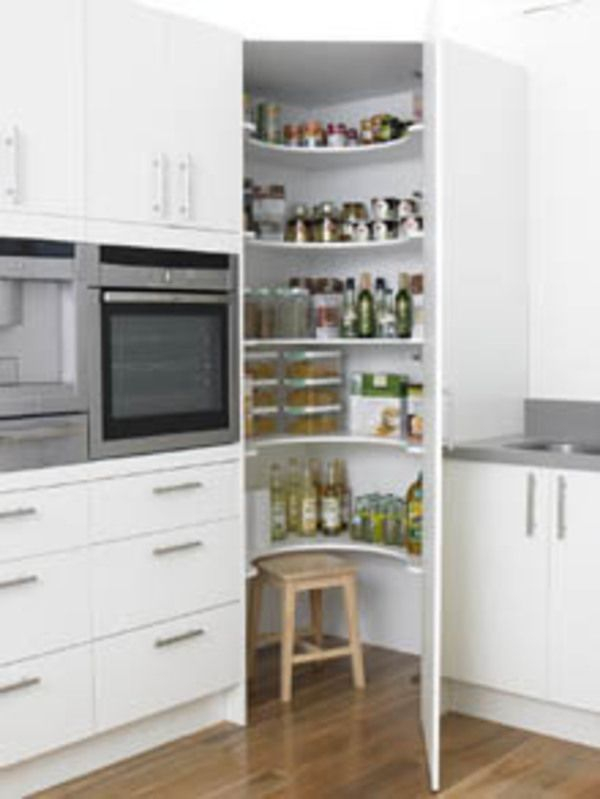
That initial evening of standing in the gloom of my dark pantry feels like a lifetime ago. Today, sliding open the cabinet doors reveals a brightly lit, neatly ordered staging ground where every jar catches the light and every ingredient has a defined purpose. The transformation did not require an architect or a massive financial investment; it simply demanded a refusal to accept inefficiency in a space used multiple times a day.
When you remove the physical friction from your cooking environment, your relationship with food changes. You cook more often, experiment with more confidence, and waste far less. The pantry ceases to be a dark closet of forgotten items and becomes the beating heart of an efficient, joyful kitchen. Take a hard look at your own shelves tonight, unscrew that dim bulb, and start shedding light on the meals waiting to be made.