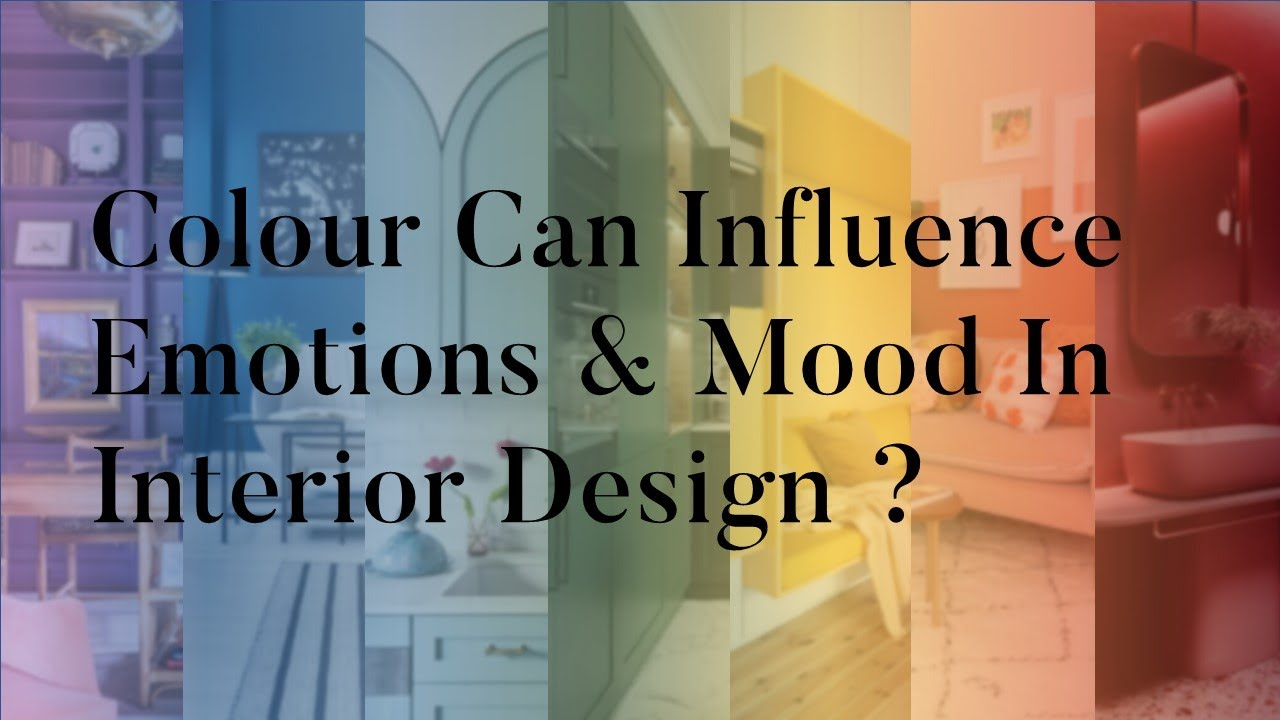
Walk into ten different modern homes, and you will likely notice a strange, creeping uniformity. We have traded the messy, idiosyncratic signatures of human lives for hyper-curated, sterile visual zones that look less like places meant for living and more like waiting rooms for high-end boutique hotels. Every edge is rounded, every color palette reduced to fifty shades of greige, and every trace of personal history vacuumed up into a seamless display of manufactured serenity. Yet, the moment people actually gather—when wine is poured, voices rise in laughter, and shoes come off—that fragile, pristine calm often shatters against the reality of human warmth.
On the opposite end of the spectrum lies the maximalist trap. It is the room choked with an accumulation of vintage finds, shouting gallery walls, saturated jewel tones, and a thousand knick-knacks collected over decades. While these spaces burst with undeniable personality and narrative weight, they can quickly trigger cognitive overload. Guests sit down and immediately feel visually cornered, their nervous systems working overtime to process competing stimuli rather than relaxing into a deep, uninterrupted conversation.
The central design dilemma of the modern household is figuring out how to thread this needle. How do you honor the eccentricities, travel histories, and bold tastes of the people who inhabit a home without turning the main gathering room into a visual carnival? The answer requires a delicate calibration between aesthetic restraint and unfiltered self-expression, recognizing that true calm is not the absence of style, but the careful orchestration of it.
The Architecture of Stillness Meets the Narrative of Self
For decades, the dominant cultural reflex when seeking peace at home was to strip everything away. Minimalism promised that if you removed enough objects, your mind would magically quiet down. But human psychology rarely responds well to stark deprivation. When a room is entirely devoid of personal artifacts, it stops feeling like a sanctuary and starts feeling alienating. The human brain looks for anchors—familiar shapes, textured memories, and visual markers of identity that signal safety and belonging.
At the same time, personality cannot simply be dumped onto a room in an unedited avalanche. Designing a primary gathering space demands an understanding of visual hierarchy. Every room needs a baseline of calm—what interior architects call "negative space" or visual breathing room. This is achieved through large, uninterrupted planes of soft neutrals, low-saturation earth tones, and tactile fabrics that absorb sound and light rather than reflecting them aggressively. Once that neutral envelope is established, personality can be layered in through deliberate, high-impact focal points rather than scattered clutter.
Consider how the eye moves across a well-balanced room. If the walls, floors, and primary upholstery share a quiet, matte finish, a single oversized canvas featuring bold brushstrokes or a treasured family heirloom ceases to be a distraction. Instead, it becomes an anchor. The calm background acts as a quiet stage, allowing the unique, idiosyncratic elements of your life to perform without shouting over one another.
Dissecting the Psychology of the Living Room Layout
The physical arrangement of furniture dictates the psychological tone of every interaction that takes place within it. For generations, the default Western floor plan has positioned a massive sofa directly opposite a monolithic television screen, anchored by a central coffee table acting as a physical buffer. This layout sends a clear, albeit subconscious, message: this room is designed for passive consumption, not active human connection. The TV acts as an attention magnet, pulling every eye away from the people sitting in the room and rendering genuine dialogue secondary.
To pivot toward a gathering space that invites both presence and personality, the layout must prioritize face-to-face engagement. Conversational clustering—arranging seating perpendicular or angled toward one another rather than lined up in a row—changes the entire dynamic of a room. When people can maintain natural eye contact without straining their necks, conversation flows more organically.
Furthermore, integrating natural elements into this layout bridges the gap between inner calm and personal expression. Biophilic design principles show that incorporating raw wood grains, unpolished stone, and living botanicals lowers cortisol levels and promotes psychological restoration. When a room features a rugged, live-edge oak coffee table juxtaposed against a sleek, modern sofa, you introduce a dialogue between nature and human ingenuity. It creates a space that feels grounded, intentional, and deeply alive without resorting to visual chaos.
A Step-by-Step Methodology for Balancing Expression and Serenity
Transforming your main living area from a chaotic storage unit for your tastes or a lifeless showroom into a balanced haven requires a methodical approach. You cannot simply buy your way into balance; you must edit, curate, and place elements with surgical precision.
- Step 1 (The Great Audit and Clear-Out): Remove every single decorative object, throw pillow, and piece of art from the gathering space. Live with the bare room for forty-eight hours to assess the foundational calm of the lighting, spatial flow, and large furniture silhouettes.
- Step 2 (Establish the Neutral Envelope): Anchor the room with high-texture, low-chroma base layers. Utilize linen drapery, boucle or wool upholstery in warm oatmeal or charcoal tones, and matte-finished flooring that minimizes glare and visual noise.
- Step 3 (Curate the Personality Anchors): Select no more than three to four high-personality statement pieces. These should be items with genuine narrative weight—a vibrant abstract painting purchased during a memorable trip, a sculptural ceramic vase, or a vintage rug with rich patina.
- Step 4 (Introduce Strategic Softening): Balance hard architectural lines and bold personal statements with tactile comfort. Layer in organic textiles, handmade ceramics, and warm, dimmable layered lighting (targeting color temperatures between 2400K and 2700K) to dissolve harsh shadows.
- Step 5 (The Final Editing Pass): Bring your personality items back into the room one by one. If an item competes for attention with your primary anchors or disrupts the visual breathing room, relocate it to a secondary room or storage.
Navigating Common Missteps and Practical Workarounds
Even with the best intentions, homeowners frequently stumble when attempting to marry self-expression with tranquility. Recognizing these traps before picking up a hammer or buying a new accent chair saves both time and money.
- Pitfall 1 (The Clutter Creep): Allowing small decorative items to multiply across every flat surface until the room feels chaotic. Workaround: Implement the "one in, two out" rule for accessories, and group small items onto intentional trays or ledges to create clean visual boundaries.
- Pitfall 2 (Monochrome Monotony): Leaning so heavily into minimalist calm that the room feels devoid of life, warmth, or human signature. Workaround: Inject subtle personality through rich textures—such as ribbed ceramics, heavy wool knits, or aged leather—rather than loud colors.
- Pitfall 3 (The Scale Mismatch): Pairing oversized, loud personality pieces with fragile, undersized calm furniture, creating an aggressive visual imbalance. Workaround: Ensure your statement pieces match the gravitational weight of the room; a tiny painting on a massive wall will look anxious, not calm.
- Pitfall 4 (Harsh Overhead Lighting): Relying entirely on bright, unshaded ceiling fixtures that obliterate shadow and turn a cozy gathering space into a clinical exam room. Workaround: Eliminate overhead glare in favor of low-level ambient pools using floor lamps, wall sconces, and table lamps placed at eye level.
- Pitfall 5 (The Museum Trap): Creating a space so pristinely curated that guests feel afraid to touch anything or put their feet up. Workaround: Choose durable, patina-friendly materials like distressed leather and performance linens that actually improve in character the more they are used by real people.
The Broader Impact of Intentional Spaces on Daily Well-Being
The physical spaces we inhabit do not merely sit around us; they actively shape our internal landscapes. Environmental psychology repeatedly demonstrates that visual clutter elevates baseline stress levels, keeping the sympathetic nervous system on high alert. Conversely, environments that successfully marry soothing structural calm with authentic personal markers act as psychological buffers against the friction of modern existence.
When your primary gathering space strikes the right chord, it ceases to be just a room and transforms into a social anchor. It invites lingering. Friends stay an extra hour after dinner because the acoustic absorption of the textiles and the gentle warmth of the lighting make them feel secure. Family members naturally gravitate toward the center of the house because the environment honors who they are without demanding perfection in return.
Investing thought into this balance yields compounding returns on your daily quality of life. It bridges the gap between private sanctuary and public hospitality, proving that you do not have to sacrifice your identity to achieve peace, nor do you have to sacrifice peace to express your soul.
Cultivating a Timeless Sanctuary for Connection
Achieving the sweet spot between personality and calm is not a one-time interior design project; it is an ongoing practice of listening to how your home feels as your life evolves. Tastes shift, families grow, and the objects that once represented who you were might need to make room for new chapters of your story. The secret lies in holding your decor loosely while maintaining a firm commitment to the emotional atmosphere of the room.
As you step back to evaluate your own main gathering space, ask yourself what the room is trying to say to anyone who walks through the door. Does it whisper an invitation to rest, or does it scream for attention? Does it feel unmistakably like you, or could it belong to anyone? By answering these questions honestly and applying deliberate restraint, you can craft a room that honors your unique narrative while offering a deep, restorative harbor from the outside world.
The ultimate measure of a well-designed gathering space is not how well it photographs for a design magazine, but how it feels on a quiet Tuesday evening when you walk in tired from the world. It is the subtle exhale that happens when your shoulders drop, paired with the quiet pride you feel seeing your favorite books, art, and memories arranged with care.
Take things one step at a time. Do not rush to fill every empty corner or overhaul your entire home in a single weekend. Begin with clearing the noise, anchor your base in calm, touchable textures, and let your personality emerge slowly through a few treasured pieces that truly matter. In doing so, you build a space that is not only visually stunning, but profoundly human.