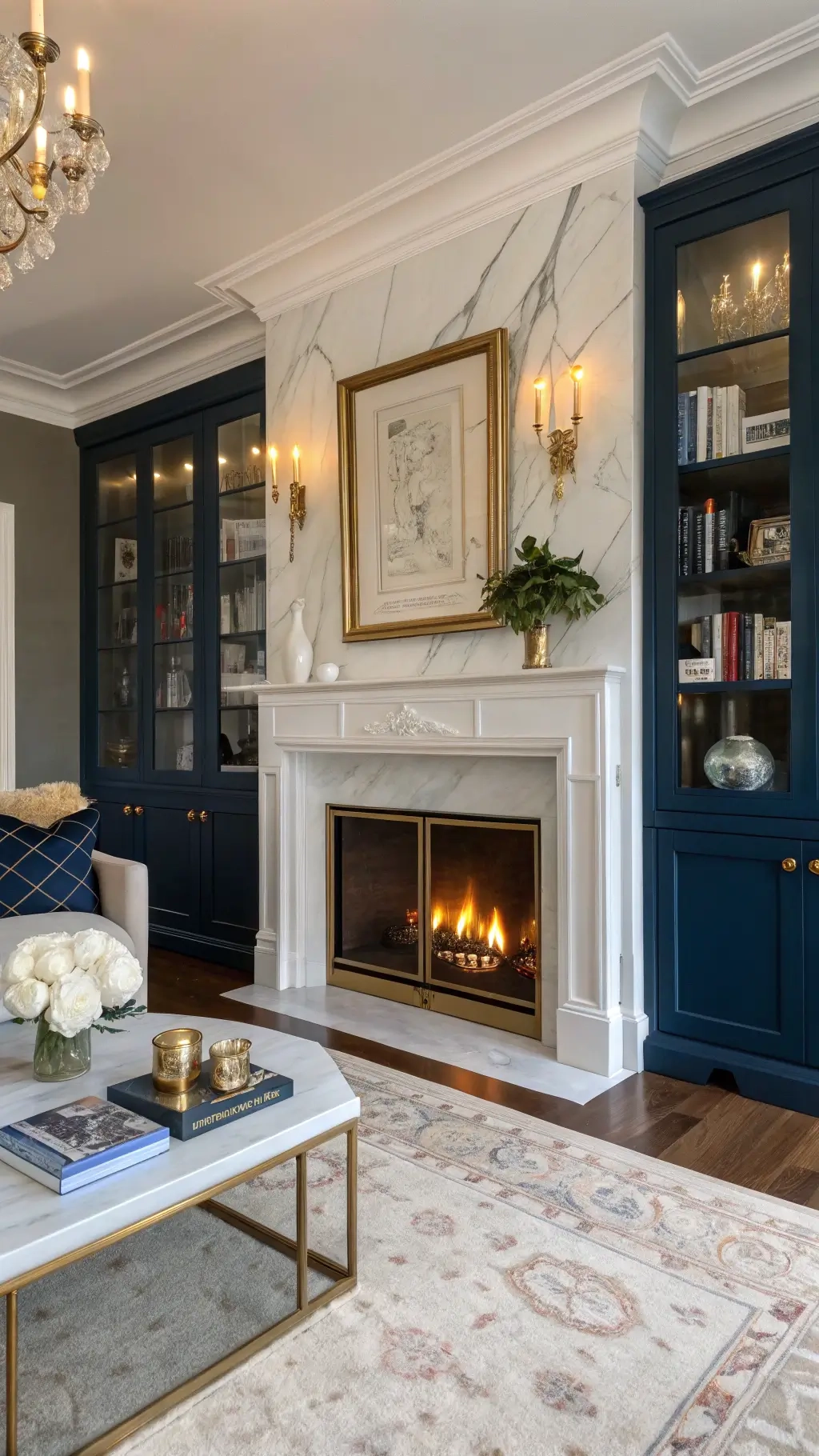
We have all been there. You spend hours picking out the perfect sofa, finding that vintage rug, and hanging just the right prints on the wall. The room feels cozy. It feels like you. Then, you turn off the lights to watch a movie, and suddenly, that massive black void stares back at you. It sucks the life out of the space. Designers have long called it the "big black rectangle" problem, and honestly? They are right. It is an eyesore. But here is the thing: we are not going to give up our shows. We are not going to hide our TVs in cabinets like it is 1995. We just want them to look good when they are off. And guess what? You can do it. It is easier than you think.
The truth is, televisions are everywhere. In countless interior design photos online, you will notice one thing missing: the TV. This isn’t because people stopped watching Netflix. It is because photographers and stylists know that a blank screen ruins the vibe. Experts like Monika Nessbach, founder of Designbar, point out that this aversion to the dark screen is growing. But abandoning your TV for the sake of art sounds impossible for most of us. So, instead of hiding it, let’s talk about blending it. Let’s make it part of the decor. By 2026, the technology and tricks available to us have made this simpler than ever. You don’t need a degree in interior design. You just need a few smart moves.
The Gallery Wall Camouflage Trick
One of the oldest tricks in the book is also one of the most effective. If you can’t hide the TV, surround it. By placing your television in the center of a gallery wall, you transform that intimidating black screen into just another rectangular element in a larger composition. It breaks up the mass. Suddenly, the TV isn’t the main character; it is part of the ensemble. This approach works because it distracts the eye. When someone walks into the room, they see the collection of art, the mix of frames, and the colors. The TV becomes background noise.
To pull this off, consistency is key. Choose frames that share a similar color or style to create cohesion. Maybe they are all black wood, or perhaps they are all thin gold metal. But don’t make it too rigid. Vary the sizes of the artwork around the TV to keep the arrangement feeling organic. If every frame is the same size, it looks like a grid, and grids feel stiff. You want it to feel collected over time. Also, try to match the matting or the tone of the art to the room’s palette. If your walls are warm beige, choose art with warm tones. This helps the TV blend in even when it is off, because the surrounding elements soften the contrast.
Another tip? Don’t be afraid to go big. Small frames get lost next to a 65-inch screen. Use larger prints or canvases to balance the scale. You can even extend the gallery wall to the ceiling or floor to draw the eye vertically. This makes the TV feel less like a blob and more like a intentional part of the wall’s architecture. It is a simple fix, but it changes everything. Plus, it gives you an excuse to buy more art. And who doesn’t love that?
Embracing the "Frame TV" Illusion
Let’s talk tech for a second. If you are in the market for a new set, or even if you aren’t, you have probably heard of the Samsung Frame or similar "art mode" TVs. These devices are designed specifically to solve this problem. When they are turned off, they display high-resolution artwork that mimics the texture and depth of a real painting. In 2026, this technology has gotten incredibly good. The screens are matte, which reduces glare, and they come with customizable bezels that look like actual picture frames. You can swap them out to match your season or your mood.
But here is the catch: simply putting a digital image on the screen isn’t always enough. As designer Jasmine Roth has pointed out, sometimes the TV still looks like a TV. The sheen might be slightly off, or the colors might look too vibrant compared to a real canvas. To fix this, you need to tweak the settings. Most art-mode TVs allow you to adjust the brightness and color temperature. Lower the brightness. Real paintings don’t glow. Make the image softer, muted. Choose art that has texture or brushstrokes visible in the image. Abstract pieces or impressionist styles work better than sharp, high-contrast photography, which can look obviously digital.
You don’t need an expensive new TV to get this effect, though. Many modern smart TVs have built-in art apps or screensavers that cycle through famous paintings. Even if your TV doesn’t have a dedicated "art mode," you can use a streaming stick or app to display static images. The goal is to break the association between the device and entertainment. When the screen shows a Monet instead of a news ticker, your brain registers it as decor. It is a psychological trick, but it works. Just remember to turn off any motion sensors that might wake the screen up unexpectedly. Nothing kills the illusion like a sudden flash of light when you walk by with a cup of coffee.
The Power of Physical Framing and Bezels
If you already have a TV and don’t want to replace it, you can still fake the frame look. This is where physical accessories come in. You can buy third-party bezels or frames that snap onto the edges of your television. These are often made of wood or metal and add a layer of depth that mimics a traditional picture frame. It sounds simple, but adding that physical border changes how the eye perceives the object. It stops looking like a piece of electronics and starts looking like a mounted display.
When choosing a frame, think about the weight of the material. Lightweight options are best, especially if you are mounting the TV on drywall. You don’t want to strain the mount. Canvas prints are lighter than glass-covered art, which is another reason designers love them for this purpose. If you are feeling ambitious, you can even build a custom frame using molding from a hardware store. Paint it to match your trim or your other frames. This DIY approach lets you customize the width and style exactly to your taste. Want a chunky, rustic farmhouse look? Go for it. Prefer something sleek and modern? Keep it thin.
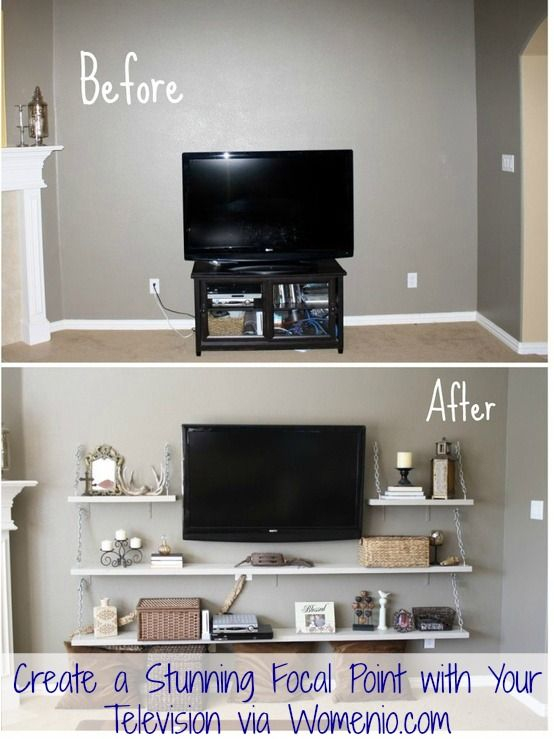
There is also the option of floating shelves or ledges above and below the TV. These break up the vertical space and give you places to put small objects—books, plants, or small sculptures. This adds layers to the vignette. The TV becomes just one part of a styled moment. Just be careful not to clutter it too much. The goal is elegance, not chaos. Keep the items on the shelves minimal and curated. A single vase with dried branches can add height and softness without distracting from the screen. It is about balance. Always balance.
Concealment With Style: Cabinets and Sliding Panels
Sometimes, the best way to make a TV look like art is to hide it completely. But we aren’t talking about shoving it into a dark cupboard. We mean stylish concealment. Think of sliding panels, rotating mounts, or cabinet doors that blend into the wall. This trend has huge momentum in 2026 because it offers the ultimate clean look. When the TV is off, you see a beautiful piece of woodwork, a mirror, or even a large-scale print. When you want to watch, you slide, flip, or open the panel. It is like magic.
For those who love a bit of drama, consider a top-hinge design. This is where a large canvas or mirror is mounted on gas struts (like the ones on a car trunk) above the TV. When you want to watch, you lift the art, and the TV is revealed behind it. It effectively turns your TV into a hidden wall safe, but for entertainment. The key here is to use lightweight materials for the covering panel. A heavy glass mirror would be dangerous and hard to operate. A canvas print or a lightweight wooden panel is much safer and easier to manage.
If building a mechanical system sounds too complex, look into media consoles with sliding doors. Many modern units feature doors that slide to the sides or fold away, revealing the screen only when needed. Choose a console that matches your room’s style. If you have a mid-century modern vibe, look for teak wood with tapered legs. If you prefer industrial, go for metal and reclaimed wood. The idea is that the furniture itself is a statement piece. The TV is just a guest inside it. This approach also helps with cable management, which is another major eyesore. Keep those wires tucked away, and the whole setup looks cleaner.
Lighting and Placement Matters More Than You Think
Where you put your TV and how you light it can make or break the illusion. One of the biggest mistakes people make is mounting the TV too high. It creates neck strain and makes the screen feel disconnected from the rest of the room. Ideally, the center of the screen should be at eye level when you are seated. This grounds the TV in the space. It makes it feel like a natural part of the seating area, rather than an afterthought stuck on the wall. If you have a fireplace, resist the urge to mount the TV above it unless you have no other choice. Heat can damage the electronics, and the height is usually awkward.
Lighting is equally important. Glare is the enemy of both viewing and aesthetics. If your TV reflects a window or a bright lamp, it looks like a shiny black mirror. Not very artistic. Position your seating and your TV to avoid direct light sources. Use bias lighting—LED strips placed behind the TV—to reduce eye strain and create a soft glow around the screen. This halo effect can actually make the TV feel like it is floating, adding a modern, gallery-like ambiance. Choose warm white LEDs for a cozy feel, or cooler tones for a crisp, contemporary look.
Also, consider the wall color behind the TV. Darker walls help the black screen blend in better than white walls. If you have a white wall, the contrast is stark. Painting the wall a deep navy, charcoal, or even a rich earth tone can make the TV recede visually. It creates a backdrop that absorbs the darkness of the screen. If you can’t paint the whole room, consider an accent wall or a large panel behind the TV. This frames the device and gives it a designated zone. It tells the eye, "This is where the screen lives," which makes it feel intentional rather than accidental.
Finally, let’s talk about what is actually on the screen. If you are using your TV to display art, the quality of the image matters. Not all digital art is created equal. High-resolution is a must. Pixelated images look cheap and break the spell. Look for sources that offer 4K or higher resolution files. There are many free and paid resources online where you can download museum-quality scans of classic paintings. Think of it as having a constantly changing art collection. One day you are in Paris with the Impressionists; the next, you are in New York with abstract expressionism.
But don’t just stick to old masters. Contemporary digital art is booming. There are artists who create moving landscapes, slow-motion nature scenes, or abstract loops that are mesmerizing. These dynamic pieces can add life to a room without the distraction of a plot or dialogue. A slow-moving video of clouds or ocean waves can be incredibly calming. It turns your TV into a window rather than a screen. Just make sure the movement is subtle. Fast-paced action defeats the purpose of relaxation.
Experiment with different genres to see what fits your space. Minimalist line drawings work well in modern, sparse rooms. Vibrant pop art might suit a playful, eclectic space. Rotate your selection regularly to keep the room feeling fresh. You can even sync the art with the seasons. Warm, golden landscapes for autumn; cool, icy scenes for winter. It is a small detail, but it shows thoughtfulness. And that is what good design is all about. It is not just about hiding the TV; it is about enhancing the experience of living in your home. So, take your time. Play around. Find what makes you happy.
At the end of the day, your TV is a tool for connection and entertainment. It shouldn’t be a source of stress or aesthetic guilt. By using these strategies—gallery walls, smart framing, clever concealment, thoughtful lighting, and curated digital art—you can reclaim your living space. You can have your cake and eat it too. You can watch your favorite shows and still have a room that feels polished and peaceful. It is not about perfection. It is about intention. So, look at that black rectangle again. What could it become? A window? A painting? A part of your story? The choice is yours. And honestly, it is kind of fun to figure it out.