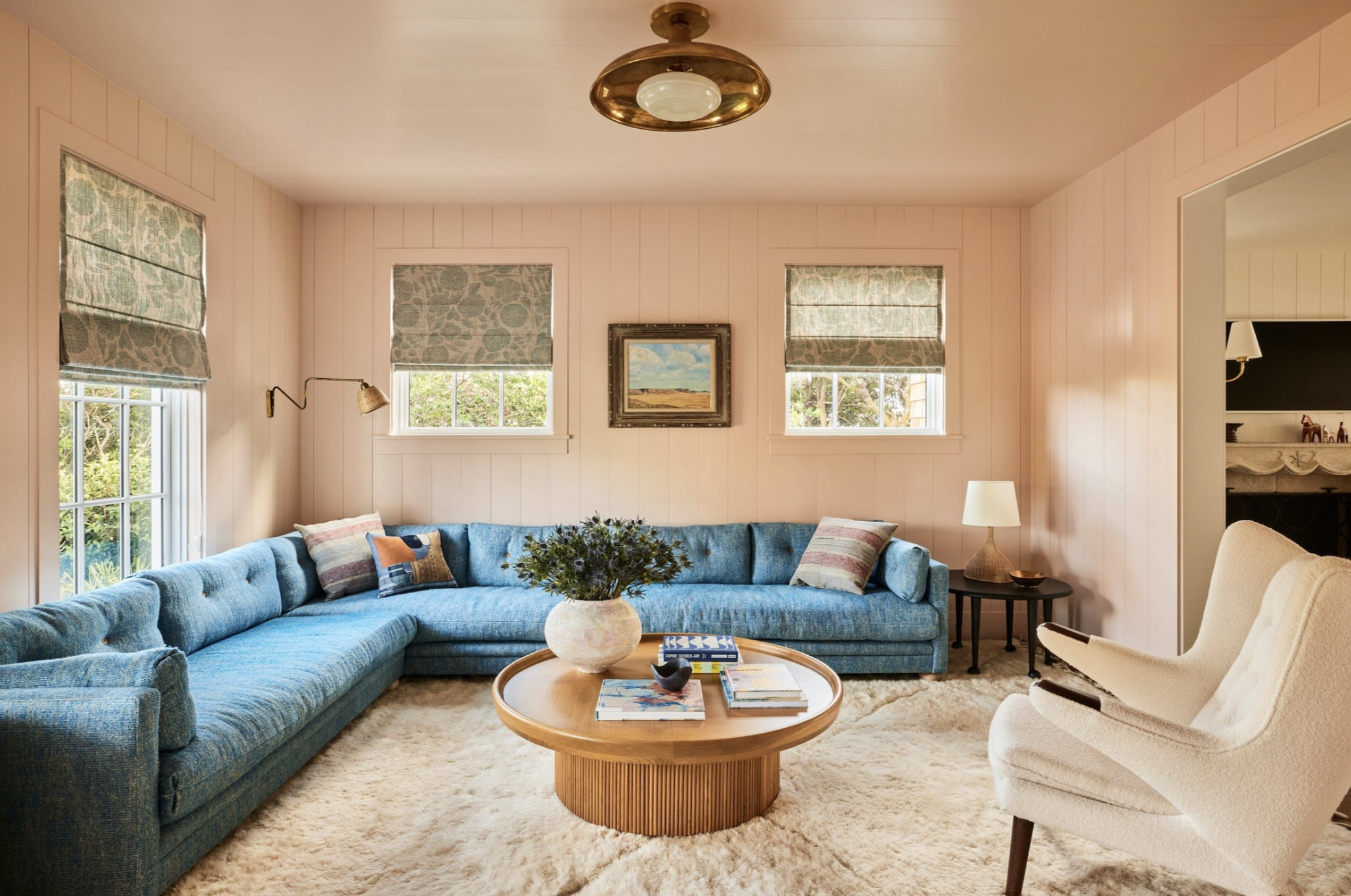
For years, we’ve been told the same golden rule of interior design: if a room is small, you absolutely must paint it bright white. The theory goes that light colors push the walls back and make the space feel larger. But let’s be honest for a second. Sometimes, a tiny white room just ends up looking like a sterile, boring box. It lacks personality, and it definitely doesn’t feel cozy.
What if we stopped trying to trick ourselves into thinking a small room is big? Instead, what if we leaned into the smallness and made it feel like a warm, sheltering hug. That is where moody paint shades come in. Deep forest greens, rich charcoals, and velvety navy blues have a magical way of blurring the corners of a room, creating an intimate, high-end vibe that white paint could never achieve.
1. Ditching the Myth of "Light and Airy
We’ve practically been brainwashed to believe that dark colors are the enemy of small spaces. But in 2026, design rules are meant to be broken, and people are realizing that trying to force a tiny, windowless spare room or a cramped study to look "airy" is a losing battle. When you paint a small room white, the lack of natural light can actually make the walls look a bit dingy and grey.
By choosing a deep, saturated tone instead, you are making a deliberate design choice. You aren’t trying to hide the room’s size; you’re celebrating it. Dark shades absorb light rather than reflecting it, which tricks the eye into not knowing quite where the walls begin and end. This creates an illusion of depth, making the room feel like an endless, cozy cocoon.
2. Choosing Your Specific Flavor of Moody
When we say "moody," we don’t just mean pitch black—though a soft charcoal can look amazing. There is a whole spectrum of rich, comforting colors to choose from. Think about the mood you want to set. For a study or a home library, a deep forest green or a warm olive can feel incredibly grounding and intellectual.
If you are working on a bedroom, you might want to look at a dusty, plummy eggplant or a deep, midnight navy. These colors have a naturally calming effect on our brains, making them perfect for winding down at the end of a long day. For a small powder room or entry way, a rich terracotta or chocolate brown can bring an instant sense of warmth and luxury. The key is to look for shades with warm undertones so the space never feels cold or clinical.
3. The Secret Weapon: Color Drenching
If you really want to make a small room feel cozy, you have to go all in. This is where a technique called "color drenching" comes into play. Instead of painting just the walls and leaving the ceiling white and the baseboards cream, you paint everything the same color.
Yes, we mean the walls, the trim, the doors, and even the ceiling. When you paint the ceiling the same dark color as the walls, you eliminate the harsh contrast line where the wall ends. This seamless look actually makes the ceiling feel higher and the room feel more expansive. It removes the visual noise, leaving you with a beautifully cohesive space that wraps around you.
4. Playing with Different Paint Finishes
One of the biggest mistakes people make when going dark is using the wrong paint sheen. If you paint a dark wall with a high-gloss finish, every single bump, scratch, and imperfection in your drywall will stand out. Plus, the light will bounce off it in a distracting, harsh way.
Instead, opt for a flat, matte, or eggshell finish on the walls. A matte finish gives dark colors a velvety, touchable texture that practically begs you to relax. It absorbs the light beautifully, softening the overall look. If you want a little bit of contrast, you can use a satin or semi-gloss finish in the exact same color on your baseboards and window trim to create subtle, elegant layers.
Dark paint is only half of the equation; the other half is lighting. If