Have you ever stood on the edge of the ocean, breathed in that sharp, salty air, and felt your whole body instantly untie its knots. There is a specific kind of magic that happens where the water meets the land. For centuries, people have been drawn to the coast not just for vacations, but to build lives rooted in the rhythm of the tides.
But building a home by the sea isn’t just about putting up walls with a view. It is a constant dance with nature. Between shifting sands, wild winds, and sloped terrains, creating a peaceful beach sanctuary takes serious grit and imagination. Behind every stunning panoramic window, there is a very human story of someone looking for peace, connection, and a place to truly slow down.
A Second Lease on Life in a Cornwall Cottage
Take the story of a tiny, old coast guard cottage tucked away in Tintagel, Cornwall. The owner had lived there for over two decades, watching the fierce Atlantic waves crash against the cliffs. The house was full of memories, but it felt tired, cramped, and closed off from the beautiful environment outside. It needed to evolve alongside its owner’s life.
Working with an interior designer, the goal wasn’t to build a massive, flashy mansion. Instead, they wanted to make the incredible sea views the absolute star of the show. They stripped back the clutter and focused on making a quiet, calm space. Today, the back windows act like changing paintings, offering a front-row seat to nature’s daily show. It is a beautiful reminder that sometimes, relaxing means clearing out the old to let the light in.
Chasing the Horizon from Big Sur to Scandinavia
Further across the world, the stories change but the feeling stays exactly the same. In places like Big Sur, California, houses literally cling to the sides of cliffs, looking out over the vast Pacific. The people who live here talk about a feeling of deep humility. You cannot live with a massive ocean outside your door and not feel small, in the best way possible.
Meanwhile, on the flat, breezy coastal plains of Denmark, relaxation looks a bit different. It is all about simplicity and functionality. These Scandinavian retreats use clean lines and light woods to mimic the pale beach grass and grey skies. They are built to withstand heavy winds, proving that a home can be incredibly tough on the outside while remaining completely soft and cozy on the inside.
When Nature Dictates the Architecture
Living on the edge of the world means you have to play by nature’s rules. You cannot just build whatever you want on a sand dune. In places like the Outer Banks of North Carolina, homeowners have embraced a beautiful mix of Scandinavian minimalism and local coastal traditions.
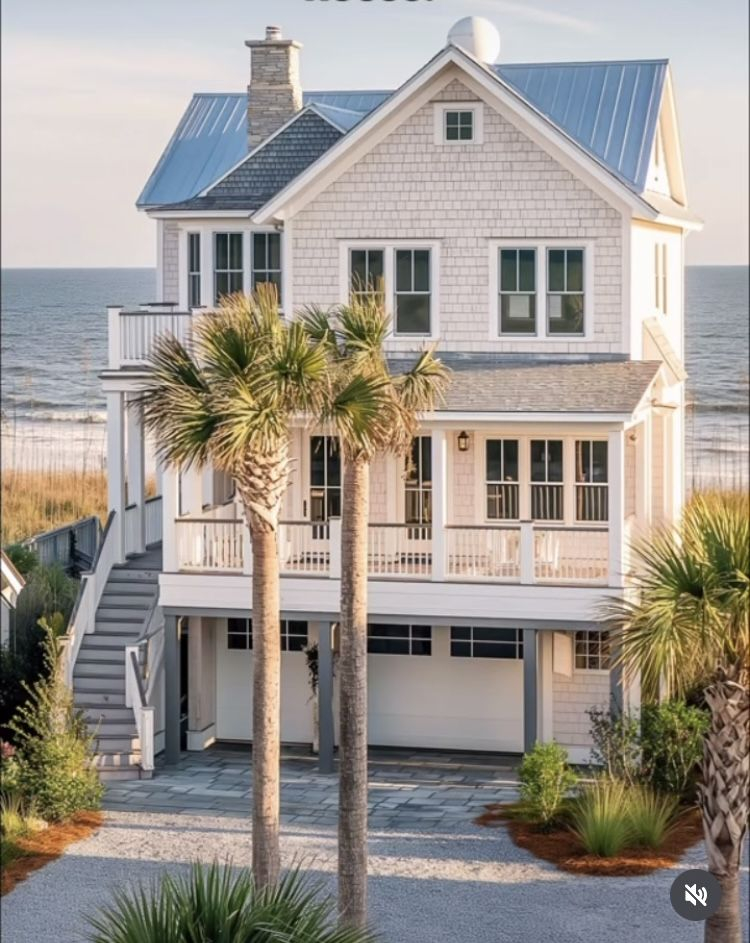
- Elevated Foundations: Homes are built on stilts to let storm surges pass safely underneath.
- Weathered Materials: Using wood that turns a beautiful silver-grey as it gets battered by salt and sun.
- Flexible Spaces: Large decks that blend the indoor living room seamlessly with the outdoor air.
These design choices are not just stylistic; they are survival strategies that turn into art. The people who live here say that watching their home weather over time connects them directly to the earth.
The Pull of Mediterranean Serenity
In warmer climates, the human connection to the sea takes on a slower, sun-drenched rhythm. Throughout the Mediterranean, coastal homes use thick stone walls and white plaster to stay cool during the baking summer months. These spaces are designed for long, lazy afternoons and big family dinners that stretch late into the night.
Homeowners in these regions often combine traditional local styles with modern, wide-open architecture. They create courtyards that capture the ocean breeze and use tiled floors that feel cool under bare feet. It is a style of living that completely rejects the rush of modern city life, prioritizing long conversations and afternoon naps instead.
Designing for the Ultimate Mental Reset
Why do these spaces make us feel so incredibly peaceful. Architects and psychologists who study these environments point to something called "blue space" thinking. Being near water naturally lowers our stress hormones and clears our minds.
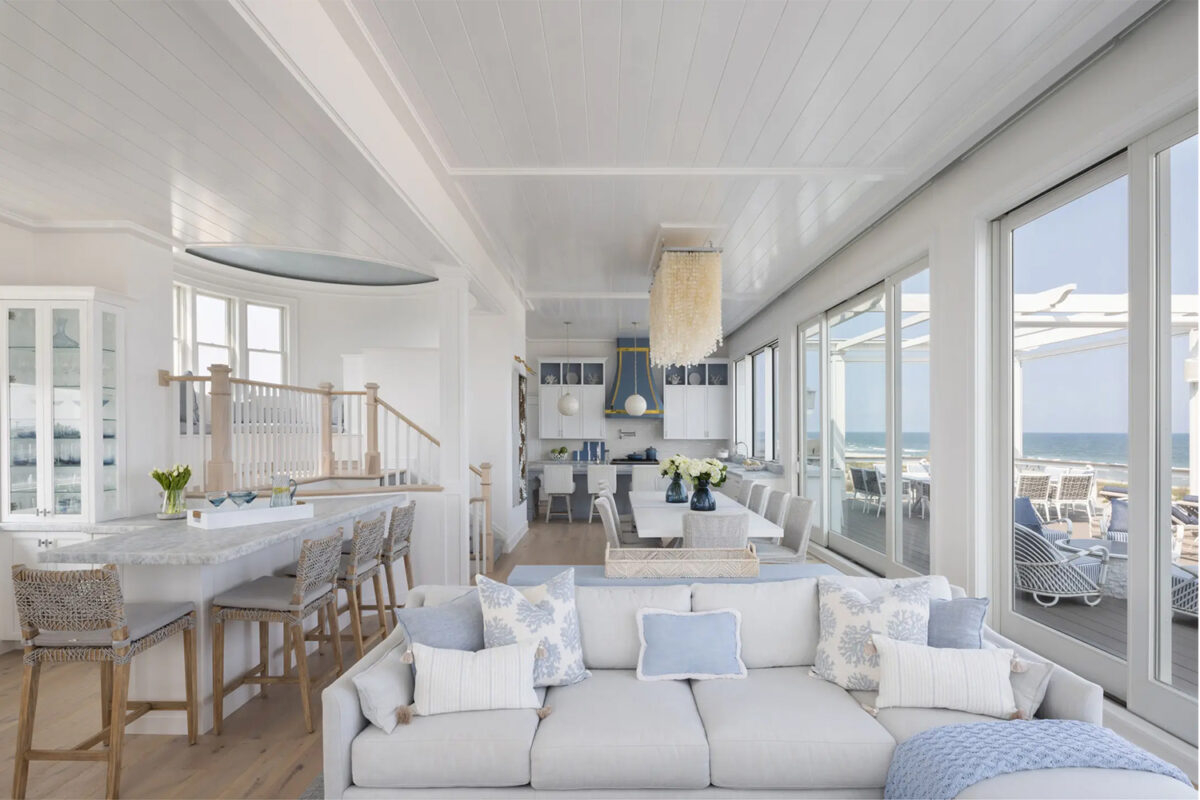
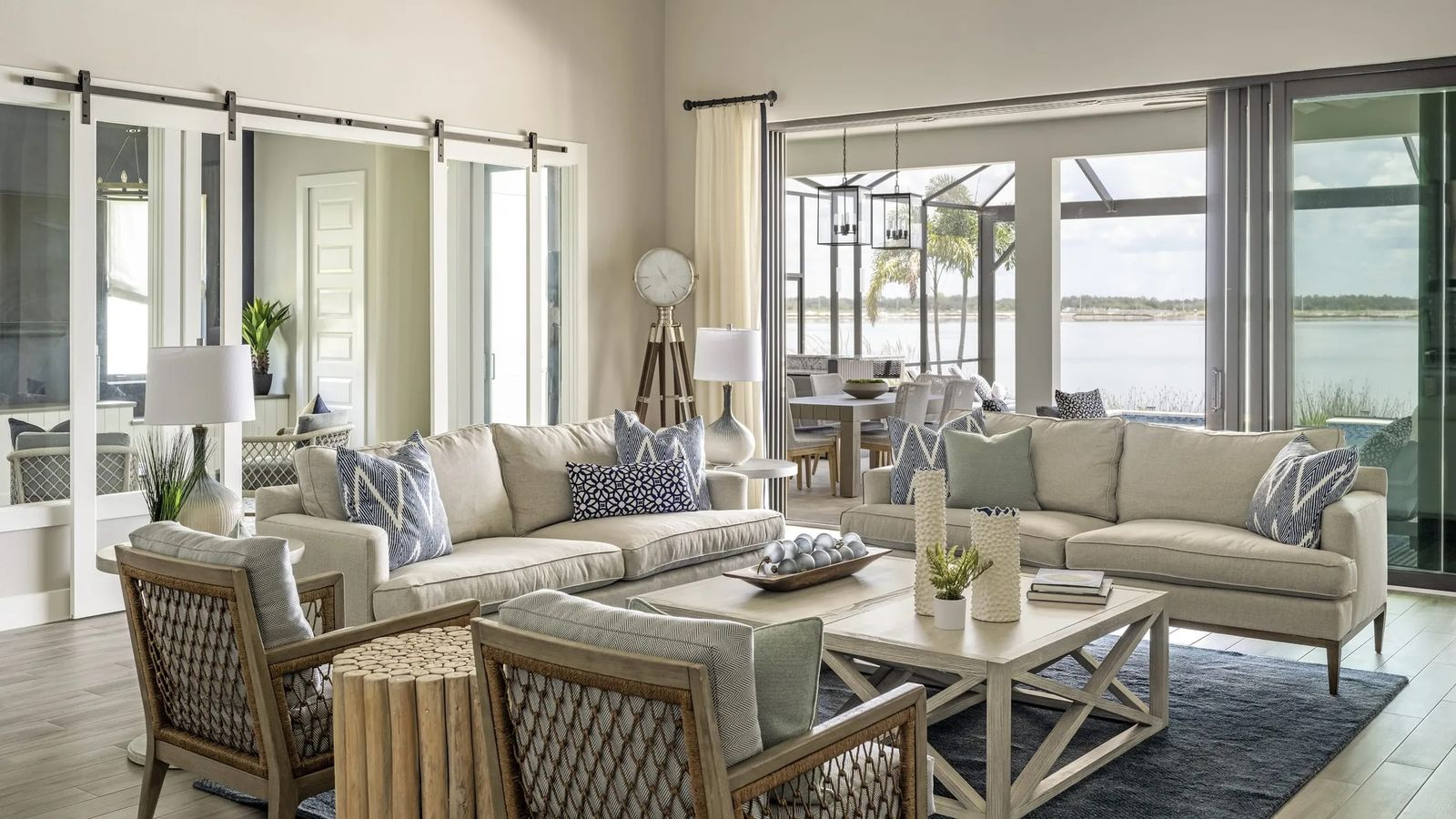
But the interior choices matter just as much as the location. The most relaxing homes avoid bright, jarring colors. Instead, they lean into sandy beiges, soft blues, and muted greens. They use textures like linen, jute, and rough-sawn wood. When you touch these surfaces, your brain instantly connects to the natural world outside, making the entire house feel like an extension of the beach itself.
Finding Comfort in Japan’s Resort Towns
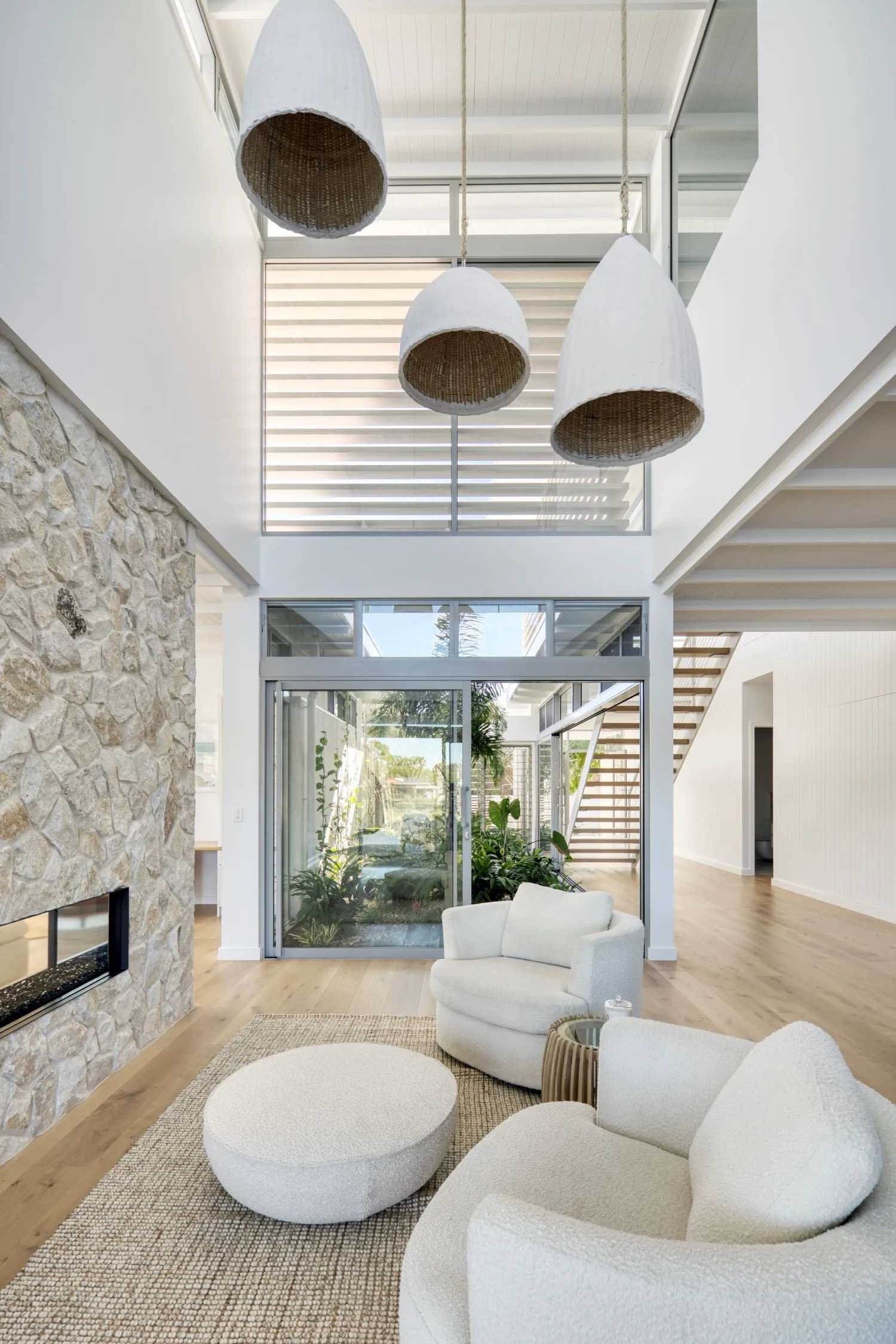
Relaxation also takes on beautiful cultural notes depending on where you look. In Japan’s popular coastal resort towns, beachside living focuses heavily on mindfulness and privacy. These homes often feature hidden gardens and large sliding panels that open up to private views of the water.
Rather than trying to dominate the landscape, these structures are built to blend into the trees and rocks. Homeowners express that their houses help them practice ma—the Japanese concept of negative space or gaps. By leaving rooms uncluttered and focusing on the sound of the waves, the home becomes a literal breathing room for the soul.
Ultimately, whether it is a sleek modern villa with panoramic views of the Pacific or a cozy, centuries-old cottage in England, the core desire remains identical. People want a sanctuary. They want a place where the passage of time is measured by the rising tide rather than the ticking of a clock.
Living on the front lines of the coast reminds us that life is constantly moving and changing, just like the ocean. The families who make these places home learn to appreciate the quiet mornings, the loud storms, and the simple joy of watching a sunset over the water. It turns out that the most beautiful thing about a coastal home isn’t the architecture at all—it is the way it changes the people inside.