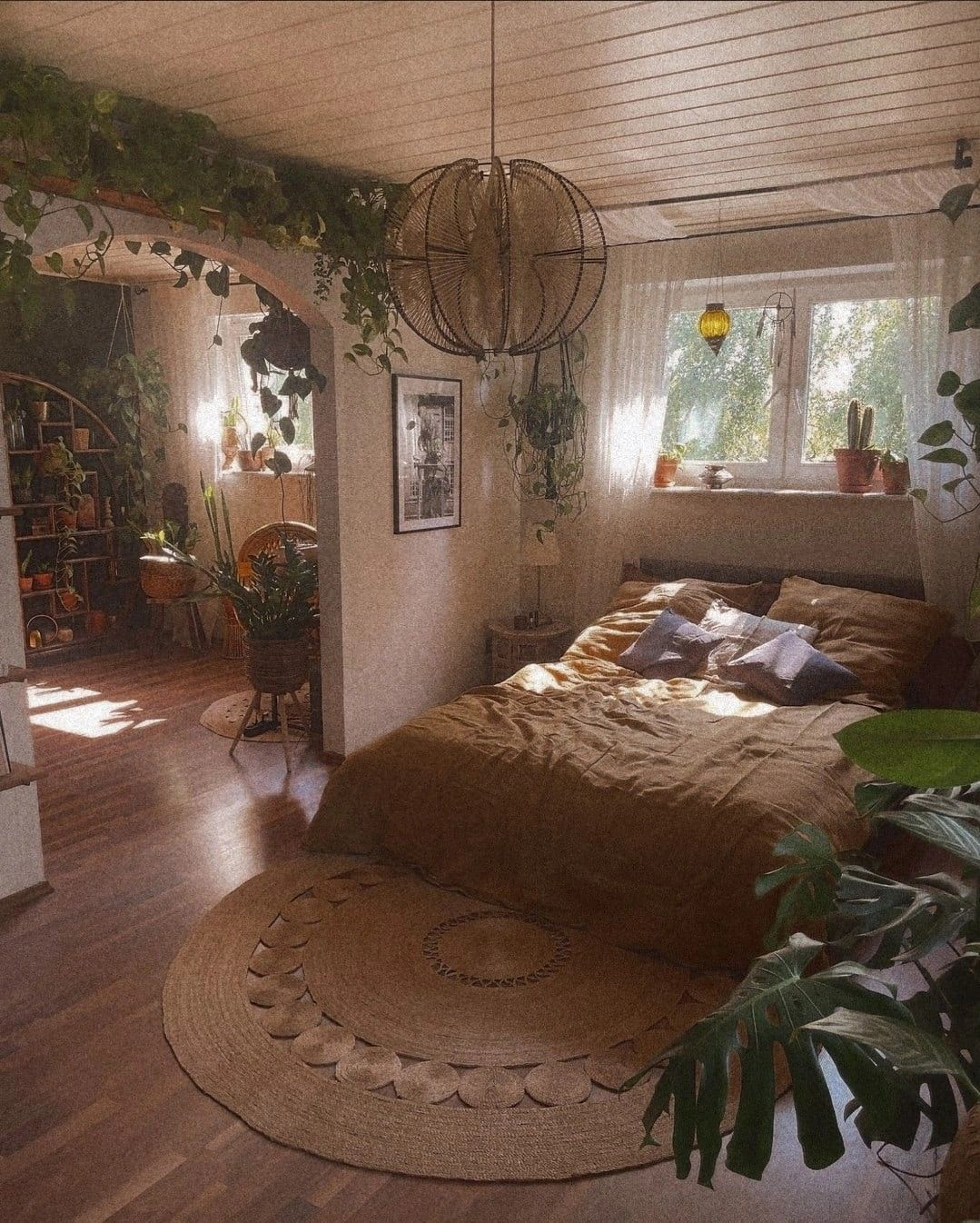
Ever find yourself staring at the ceiling at 2:00 AM, wondering why your brain won’t just shut off. You turned off the TV, you put down your phone, yet sleep remains completely out of reach. The hidden culprit might be sitting right on your nightstand or hanging from your ceiling.
We don’t give our indoor lighting enough credit for how it messes with our body clock. Our minds are hardwired to respond to natural light patterns, but modern life throws a giant wrench into that system. Fortunatly, fixing your evening environment doesn’t require a massive renovation or a ton of cash.
The Problem with That Bright Overhead Fixture
Most of us rely on a single, blazing bulb in the middle of the room to light up the whole space. It’s great when you are looking for a lost sock, but it is terrible for winding down. When harsh, bright light hits your eyes late in the evening, it tricks your brain into thinking it’s still noon.
This happens because intense exposure halts the production of melatonin, the chemical that signals it is time for bed. By relying on that big ceiling light right up until you hit the pillow, you’re essentially giving your body a jolt of artificial daytime. Shifting away from this setup is the first major step toward better rest.
Swap Out Those Harsh White Bulbs
Take a close look at the bulbs you bought recently. If they emit a crisp, bluish-white glow often labeled as "daylight," they belong in your home office or kitchen, not your bedroom. Blue light wavelengths are fantastic for keeping you alert, but they are an absolute nightmare for your sleep cycle.
Instead, look for bulbs that say "warm white" or "soft white" on the package. These usually have a color temperature around 2700K. They cast a cozy, amber glow that mimics the setting sun, which naturally tells your brain that the day is winding down and it’s safe to relax.
Layer Your Lights for a Calming Vibe
Instead of using one massive light source, try scattering a few smaller lamps around the room. This is what designers call layering, and it does wonders for creating a relaxed mood. Think about placing a lamp on your dresser and another on your bedside table.
Having options means you can gradually turn things off as the night goes on. You might keep two lamps on while you get pajamas ready, then drop down to just one low-wattage reading light when you climb into bed. It creates a gentle transition that coaxes your mind into a sleepy state.
Bring Down the Height of Your Lamps
The direction the light comes from matters just as much as how bright it is. Overhead lighting mimics the midday sun, which naturally keeps us awake. On the other hand, light that sits low to the ground feels more like a campfire or a sunset, which signals rest.
Try to keep your evening light sources at eye level or lower when you are sitting down. Table lamps with thick fabric shades are perfect for this because they diffuse the glow horizontally rather than blasting it downward. It changes the entire energy of the room instantly.
The Magic of Simple Dimmer Switches
If you don’t want to buy new lamps, dimmers are an absolute game-changer for your bedtime routine. You don’t even need to rewire your walls anymore. You can buy cheap smart bulbs or plug-in dimmer switches that work with any standard lamp you already own.
As 2026 rolls along, more people are realizing that slowly lowering the brightness of their rooms over an hour makes a massive difference. By dimming your lights by half around 9:00 PM, you create a seamless runway for sleep. It’s a simple habit that yields huge rewards.
Block Out the Rest of the World
Sometimes the issue isn’t what’s inside your room, but what is leaking in from the outside. Streetlights, glowing car headlights, and even a bright moon can seep through thin curtains and disturb your deepest sleep cycles without you realizing it.
Investing in a decent pair of blackout curtains can completely transform your space. If you can’t get new curtains, a comfortable, contoured eye mask does the exact same job for a fraction of the price. Keeping your room pitch black ensures that your body stays asleep once you finally drift off.
Elevating your bedroom lighting isn’t about making a perfect, picture-definiton space. It’s about respecting how your body naturally works and creating a sanctuary where you can actually recover from the day. Small shifts lead to big results.
Start by switching off the big overhead light tonight and relying on a warm lamp instead. Pay attention to how much quicker your eyelids feel heavy. With just a few minor tweaks to your bulbs and habits, you’ll be well on your way to waking up actually feeling refreshed.