Ever walked into a house and instantly felt a wave of relief wash over you. It is not just about expensive furniture or perfect matching colors. There is a hidden science behind why certain rooms make us want to kick off our shoes and stay a while, while others leave us feeling tense and on edge.
We spend nearly all our days inside four walls nowadays. Because of that, the layout of our living areas plays a massive role in our daily mental health and actions. When a home design works, it feels completely natural. It meets your needs before you even realize you have them.
The Invisible Pull of Spatial Psychology
Our brains are constantly analyzing the rooms we walk through. Neuropsychology shows that spatial arrangements and architectural choices trigger deep emotional reactions. If a hallway is too cramped, your body might register a tiny hint of flight-or-fight stress. On the flip side, an open view can make you feel safe and free.
It is all about how we move through a space. When furniture blocks a natural walking path, it creates micro-frustrations. You might not notice it consciously, but bumping your shin on a poorly placed coffee table every day slowly drains your mental energy.
Letting the Sunshine In
Natural light is practically magic when it comes to our mood. Recent studies in 2026 continue to highlight how much sunlight impacts our sleep cycles and happiness. A dark room can make you feel isolated, while a sun-drenched corner can instantly lift your spirits.
- Boosts Focus: Sunlight helps you stay alert during work hours.
- Improves Sleep: Daytime exposure regulates your internal clock.
- Saves Energy: Utilizing windows lowers your monthly power bills.
If your home lacks massive windows, do not panic. You can trick your mind by placing mirrors opposite your light sources to bounce the sunshine around. It instantly makes a tiny room feel twice as large.
The Balance of Social and Private Spots
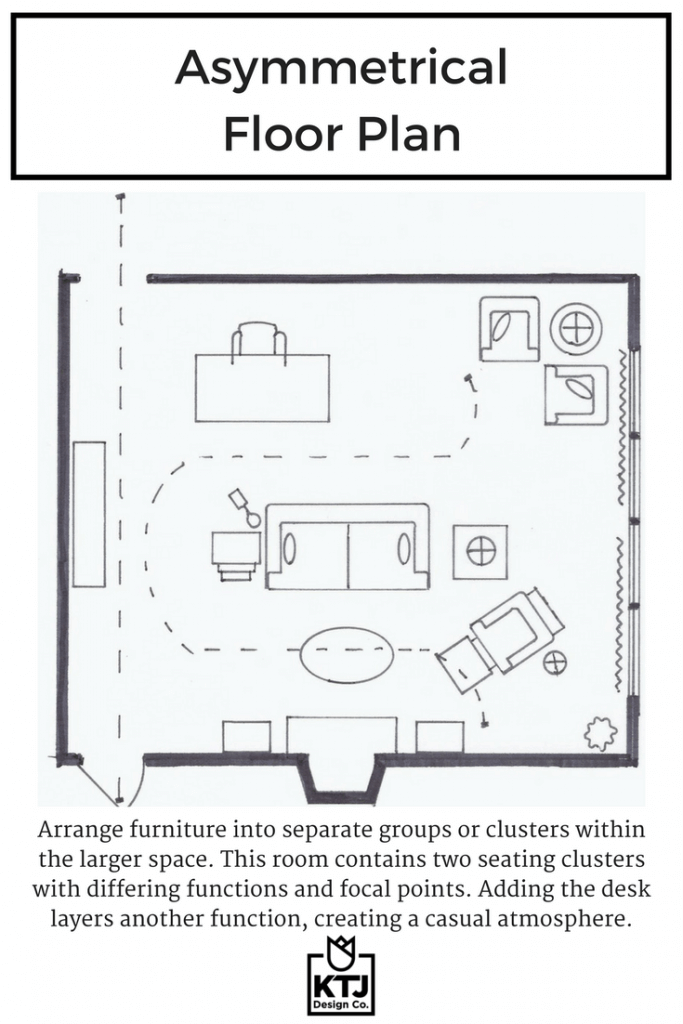
A truly effortless home understands that humans are complicated. Sometimes we want to hang out with family, and other times we just want to hide away with a good book. Good layouts balance these needs perfectly by creating distinct zones.
Think about an open kitchen that flows into the living room. It invites people to chat while dinner is cooking. But a home also needs quiet corners—like a comfortable chair tucked into a bedroom alcove—where someone can unwind alone after a long day. Without these private sanctuaries, a house can start to feel overwhelming.
Size Versus Smart Design
A lot of people think they need a massive mansion to be happy. But recent design trends show that the actual size of your home matters way less than how you use the space. A huge, empty room can feel cold and lonely, while a tiny apartment can feel like a cozy womb if it is styled with intention.
It comes down to smart choices. Built-in storage, multifunctional furniture, and keeping paths clear can turn even a small studio into a functional masterpiece. Every single corner should have a clear job to do.
Colors and Textures That Calm the Mind
The visual palette of your home speaks directly to your nervous system. Bright, chaotic patterns might look cool in a magazine, but living with them every day can cause sensory overload. Soft, earthy tones like warm beige, gentle greens, and soft blues naturally signal to our brains that it is time to relax.
Texture matters just as much as color. Touching a rough stone surface, a soft wool blanket, or smooth wood grounds us in the present moment. Mixing these natural elements brings a bit of the outdoors inside, which is proven to lower blood pressure.
Clearing the Visual Noise
Clutter is the ultimate enemy of a peaceful mind. When your eyes scan a room and see piles of mail, tangled cords, and random knickknacks, your brain treats it as a giant to-do list. It is impossible to fully rest when your environment looks chaotic.
Designing an effortless home means creating easy storage systems. If it takes too much effort to put something away, you wont do it. Keep storage close to where you actually use the items, so tidying up becomes a mindless habit rather than a dreaded chore.
At the end of the day, a home that feels effortless is one that reflects your true habits and personality. It shouldn’t feel like a sterile museum where you are afraid to touch anything. It should feel like a supportive partner that makes your daily routines easier and more joyful.
By paying attention to how layout, light, and clutter affect your emotions, you can make small shifts that yield massive rewards for your wellbeing. Start with just one room, clear the pathways, let the light in, and notice how your mood shifts. You deserve a space that lifts you up.