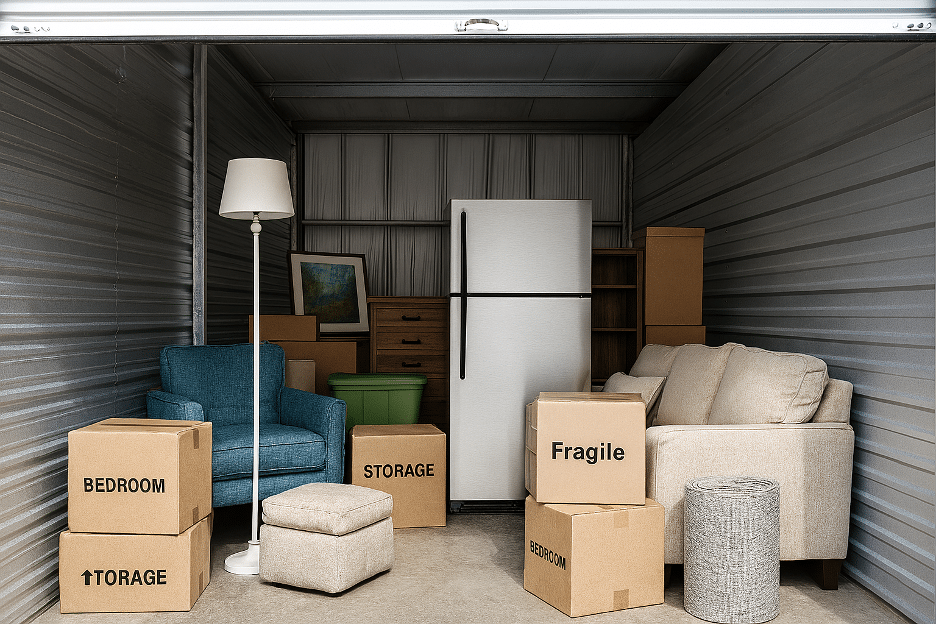
Did you know that improper handling and storage cause unexpected damage to nearly one in three pieces of furniture? It’s a heartbreaking stat. Think about that gorgeous oak dining table you inherited, or the sleek leather sofa you saved up for months to buy. Seeing them scratched, warped, or covered in mold can completely ruin your day.
Whether you are moving across town, putting things away for a home remodel, or just trying to survive daily life with pets and kids, keeping your furniture safe matters. It’s not just about saving money; it’s about preserving the comforts of home and protecting your hard-earned investments. Let’s look at how we can stop damage before it even starts.
Know Your Materials Before You Clean
Before you grab a random spray from under the sink, you need to understand what your furniture is actually made of. Different materials react wildly differently to humidity, temperature, and cleaning liquids. For instance, putting a soaking wet cloth on solid wood can cause it to swell and crack, while using the wrong chemical cleaner on genuine leather can strip away its natural oils, leaving it dry and brittle.
Take a close look at your tags. Fabric couches often have care codes like "W" for water-based cleaners or "S" for specific solvents. If you aren’t sure, always do a small spot test on a hidden area, like the back of a chair leg or the underside of a cushion. Taking two minutes to check can save you from a permanent, costly blunder.
The Secret Weapon: Deep Cleaning Before Storage
If you are planning to put your items away into a storage unit or a spare room for a long time, the absolute worst thing you can do is pack them away dirty. Food crumbs, invisible sweat oils, and dust are basically an open invitation for pests, mold, and terrible odors. A deep clean is your first line of defense.
Vacuum your fabric couches thoroughly, making sure to get deep down into the crevices where crumbs hide. Use a dedicated wood soap for tables and chairs, and apply a good conditioner to leather pieces so they do not dry out over time. Let everything dry completely for at least 24 hours before wrapping it up; trapping moisture is a fast track to mold ruin.
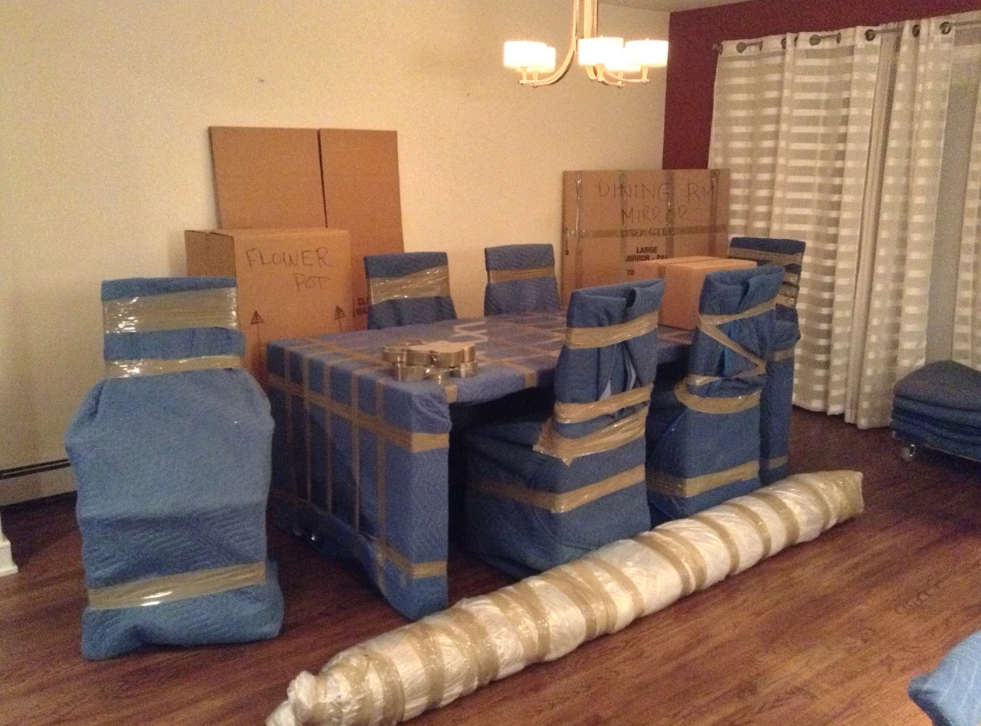
When it is time to move or store things, avoid the temptation to just wrap everything tightly in thick plastic stretch wrap. Wrapping wood or leather directly in plastic traps moisture, which leads to condensation and eventual rot. Instead, use breathable materials like old cotton blankets, moving pads, or soft sheets as your first layer.
Once your items are safely shielded by fabric, you can use plastic wrap on the outside of the blankets just to keep them securely in place. For