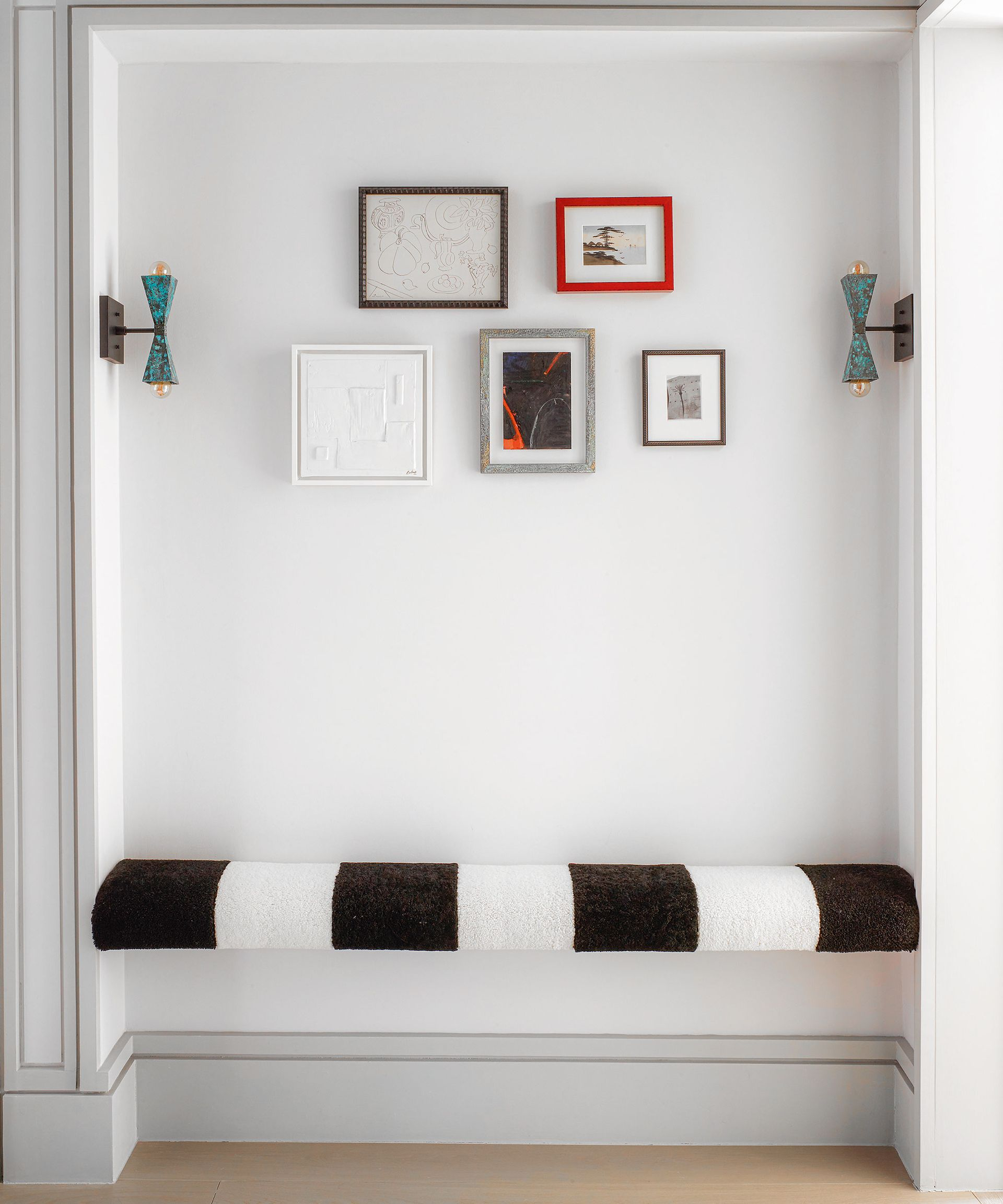
You know that feeling. You walk through the door, kick off your shoes, and instead of feeling a wave of relief wash over you, you feel… annoyed. Maybe it’s the pile of mail teetering on the console table. Maybe it’s the way the light hits the wall and makes the space look dingy. Or maybe it’s just a vague sense that something isn’t quite right, but you can’t put your finger on it.
It’s frustrating, right? Because the entryway is supposed to be the handshake of your home. It’s the first chapter. But for so many of us, it ends up being a chaotic drop zone or a forgotten void. In 2026, we’re seeing a huge shift away from those perfectly staged, impractical foyers. People want spaces that work. Spaces that breathe. If your entry feels "off," it’s usually not because you need a renovation. It’s because of a few small, fixable missteps. Let’s dig into why that happens and how to tweak it without spending a fortune.
The Lighting Trap: Why Dark Corners Kill the Vibe
Lighting is probably the biggest culprit when an entryway feels unwelcoming. Think about it. Most entryways don’t have huge windows. They’re often tucked away or shaded by the roofline. When you rely on a single, harsh overhead light, you create shadows that make the space feel smaller and colder. It’s uninviting. Guests shouldn’t have to squint to see where they’re going, and you shouldn’t feel like you’re walking into a cave after a long day.
The fix is simpler than you think. Layer your lighting. If you can, swap out that basic ceiling fixture for something with more presence—a pendant or a semi-flush mount that casts light both up and down. But here’s the real secret: add a lamp. Yes, a table lamp on your console or a floor lamp in the corner. Warm bulbs (around 2700K) make everything feel softer. It instantly changes the mood from "utility closet" to "welcome home." If you’re renting or can’t hardwire new fixtures, plug-in sconces are having a massive moment in 2026. They look built-in but require zero electrician.
Don’t forget natural light, either. If you have a window, keep it bare or use sheer curtains. Let that daylight flood in during the day. And if it’s dark? A mirror opposite a light source bounces it around. It’s a classic trick because it works. It opens up the area and makes it feel airy. You’re not just adding light; you’re adding depth.
The Clutter Paradox: Function vs. Chaos
Here’s the thing about entryways: they have a job to do. They need to hold keys, coats, shoes, and dog leashes. But when we try to force all that function into a small space without a plan, it looks messy. It feels tacky. Martha Stewart and other design pros have pointed out for years that visible chaos is the fastest way to make a home feel disorganized. If your guests see a mountain of sneakers and a jumble of umbrellas, the whole house feels less put-together.
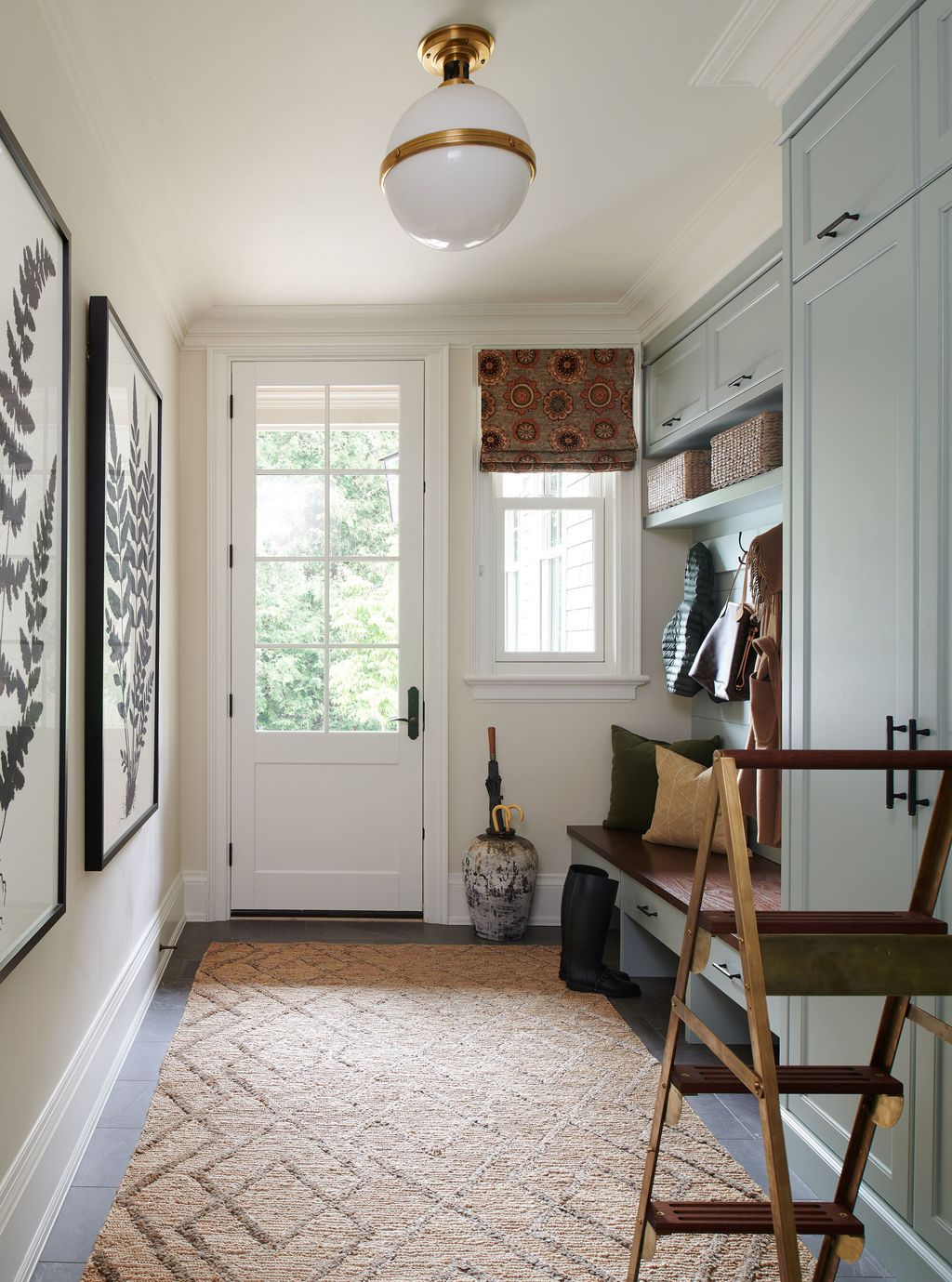
But you don’t need a massive mudroom to solve this. You need intentionality. Start by editing what stays there. Do you really need ten pairs of shoes by the door? Probably not. Keep only the daily wearers accessible. Hide the rest. Closed storage is your best friend here. A bench with bins underneath or a cabinet with doors hides the visual noise. If you only have open shelving, use baskets. Uniform baskets. When everything has a specific home, the eye relaxes.
Also, consider the vertical space. Hooks are great, but too many look cluttered. Install a sleek row of hooks at different heights if you have kids, or keep them minimal and uniform for adults. The goal is to make the drop-off process effortless so you’re not tempted to leave things on the floor. When the surface is clear, the space breathes. It feels calm. And that calmness sets the tone for the rest of your evening.
The Mirror Mistake: Scale and Placement Matter
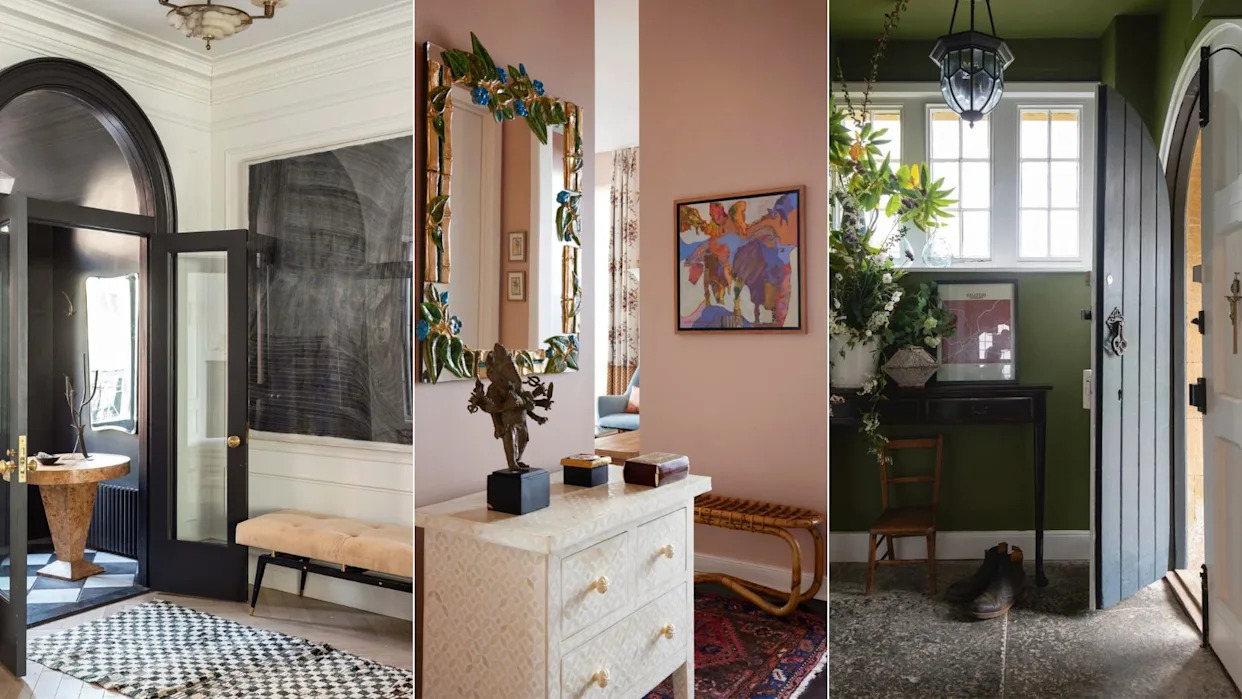
A mirror is arguably the easiest way to upgrade an entryway without taking up any floor space. It reflects light, adds depth, and gives you a last-minute check before you head out. But here’s where people go wrong: they pick a mirror that’s too small. A tiny mirror above a large console table looks awkward. It feels like an afterthought. It doesn’t do the job of opening up the space.
In 2026, the trend is leaning toward statement pieces. Go big or go home, literally. If you have a blank wall, choose a mirror that fills a good portion of it. It doesn’t have to be floor-to-ceiling, but it should feel substantial. An oversized round mirror softens the hard lines of a rectangular hallway. A tall, arched mirror adds elegance. The key is proportion. Measure your wall and your furniture. The mirror should be roughly two-thirds the width of the piece below it, or larger if it’s standing alone.
Placement is also crucial. Don’t just slap it anywhere. Think about what it reflects. If it reflects a dark corner or a messy coat rack, you’re just doubling the problem. Position it to catch a light source or reflect a nice piece of art or a plant. It becomes a focal point. It draws the eye in. And honestly, it makes the entryway feel twice as big. For small apartments, this is a game-changer. It tricks the brain into thinking there’s more room than there actually is.
The Rug Reality: Size and Durability
Rugs define spaces. Without one, an entryway can feel like a transitional no-man’s-land. But picking the wrong rug can make the area feel cramped or dirty. A common mistake is choosing a rug that’s too small. It floats in the middle of the floor, looking lost. It doesn’t anchor the furniture. Another mistake? Choosing a material that can’t handle life. Entryways are high-traffic zones. They get wet, muddy, and scuffed. A delicate silk rug here is a recipe for disaster.
Go for a low-pile rug or a runner with a washable design. In recent years, washable rugs have become incredibly stylish and durable. Brands are making them look like vintage Persian or modern geometric prints, but you can throw them in the washing machine. This is practical luxury. If you have tile or hardwood, a rug also adds warmth underfoot. It softens the sound of footsteps, which makes the whole house feel quieter and more cozy.
Size-wise, make sure the rug is large enough for people to stand on while they take off their shoes. If you have a console table, the front legs should sit on the rug. This ties the furniture to the floor. It creates a cohesive look. And if you’re worried about slipping, use a good quality rug pad. It adds cushion and keeps the rug in place. Safety matters, especially if you have kids or elderly visitors. A simple tweak like this protects your floors and your guests.
The Personal Touch: Avoiding the Showroom Look
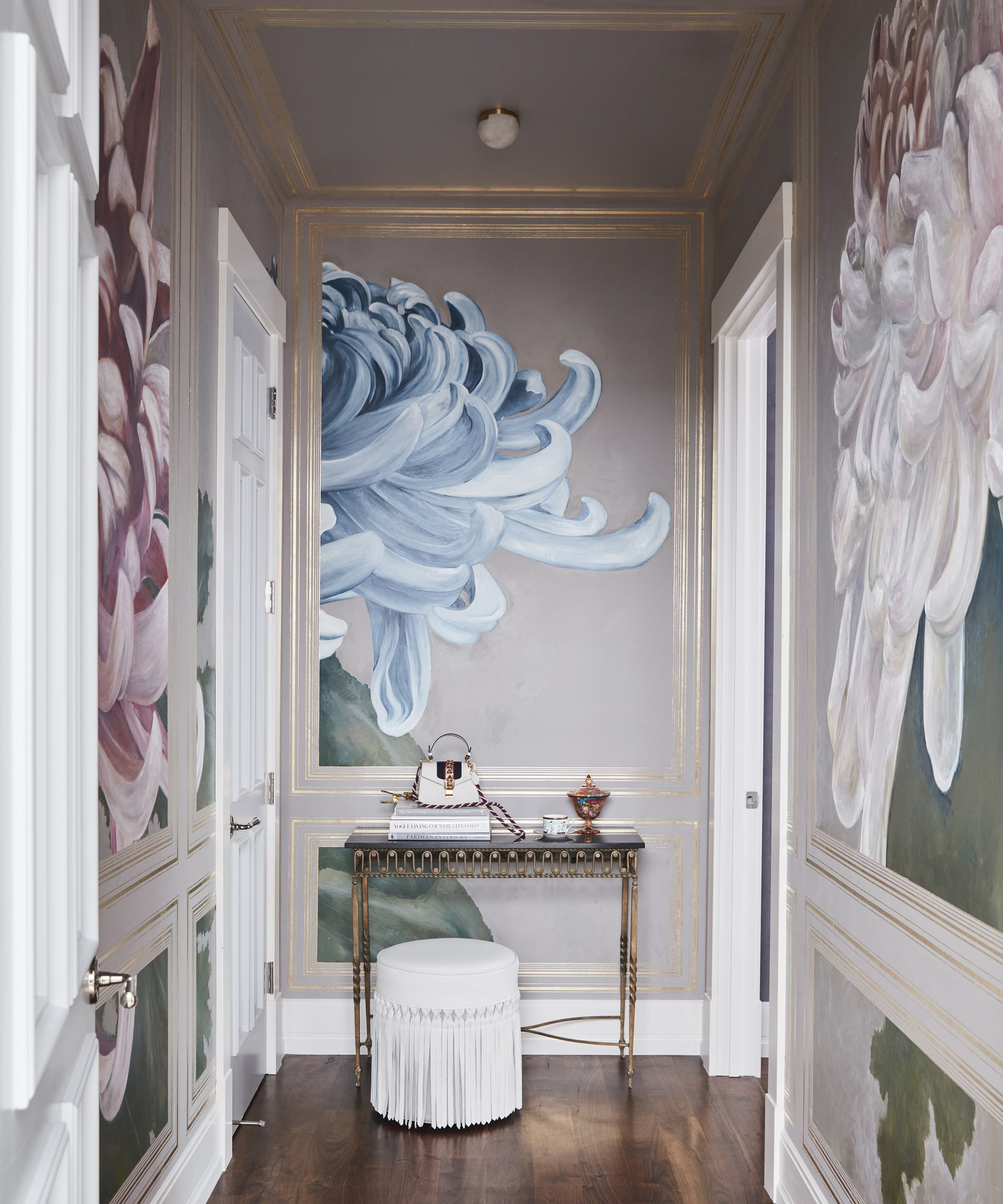
Sometimes an entryway feels "off" because it feels impersonal. It looks like a page from a catalog. While it’s nice to have a styled look, it needs to feel like your home. Interior designers often talk about the importance of introducing something personal. It could be a piece of art you love, a photo from a trip, or even a quirky object you found at a flea market. These items tell a story. They make the space unique.
But don’t overdo it. Clutter is still the enemy. Choose one or two meaningful items to display. Maybe it’s a vase with fresh flowers or greenery. Plants bring life into a static space. A snake plant or pothos can handle lower light and neglect, making them perfect for entryways. Or maybe it’s a bowl for keys that has sentimental value. The idea is to create a connection. When you walk in, you should see something that makes you smile.
Scent plays a role here too. We often forget about the nose. A subtle diffuser or a candle with a clean, fresh scent can make the entryway feel inviting. Avoid heavy, overpowering fragrances. Think citrus, linen, or light wood notes. It’s a subtle cue that signals "home." It engages another sense and makes the experience of entering your house more holistic. It’s these small, human touches that turn a house into a home.
Finally, let’s talk about color and flow. If your entryway is painted a dark, moody color but the rest of your house is bright and airy, the transition can feel jarring. It’s not that you can’t have a dark entryway—dramatic colors can be stunning—but it needs to feel intentional. If the space feels small and dark, lighter colors will help it feel bigger. Whites, creams, or soft grays reflect light and create a sense of openness.
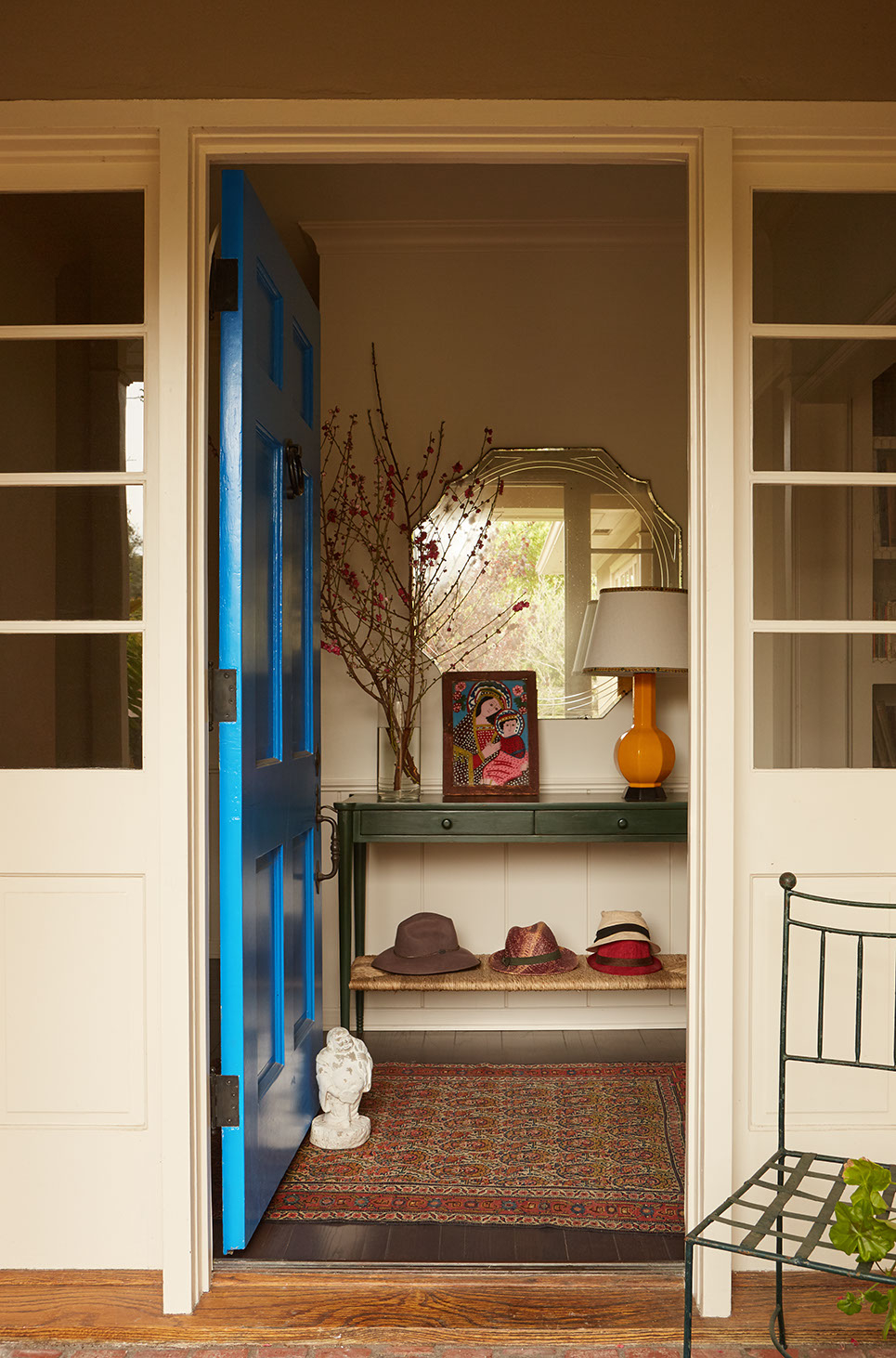
However, if you love color, try an accent wall or a painted door. A bold front door color seen from the inside can be a delightful surprise. It adds personality without overwhelming the space. The key is continuity. The entryway should feel like a natural lead-in to the rest of the house. Use similar flooring or complementary colors to create a smooth visual flow. If you have a narrow hallway, avoid busy patterns on the walls. Keep it simple to avoid feeling closed in.
Flow also means physical movement. Can you walk through easily? Is there a clear path? Move furniture if it blocks the way. Even a few inches can make a difference. In 2026, we’re prioritizing ease of movement. The entryway shouldn’t be an obstacle course. It should be a clear, open invitation. When the path is clear and the colors harmonize, the space feels resolved. It feels right. And that’s exactly what you want.
So, take a look at your entryway today. Really look at it. Is the light warm enough? Is the clutter hidden? Does the mirror feel substantial? Is the rug practical? Does it feel like you? You don’t need to knock down walls or spend thousands. Just tweak. Adjust. Edit. These small changes add up to a space that welcomes you properly. And honestly, isn’t that worth it? Coming home should feel like a hug, not a hassle.