Have you ever walked into a room and instantly felt a wave of calm wash over you, or conversely, a sense of deep, historic comfort? That is the power of deliberate interior design. For years, people have debated how to set up the perfect gathering space, and in 2026, the conversation has largely boiled down to two heavy hitters: the sleek, nature-inspired Scandinavian look and the warm, detail-rich traditional style.
Choosing between them isn’t just about picking out a couch or a rug. It is actually about how you want to live and breathe in your home. Let’s pull back the curtain on what really separates these two iconic styles so you can figure out which vibe speaks to your soul.
The Core Philosophy: Functionality vs. Heritage
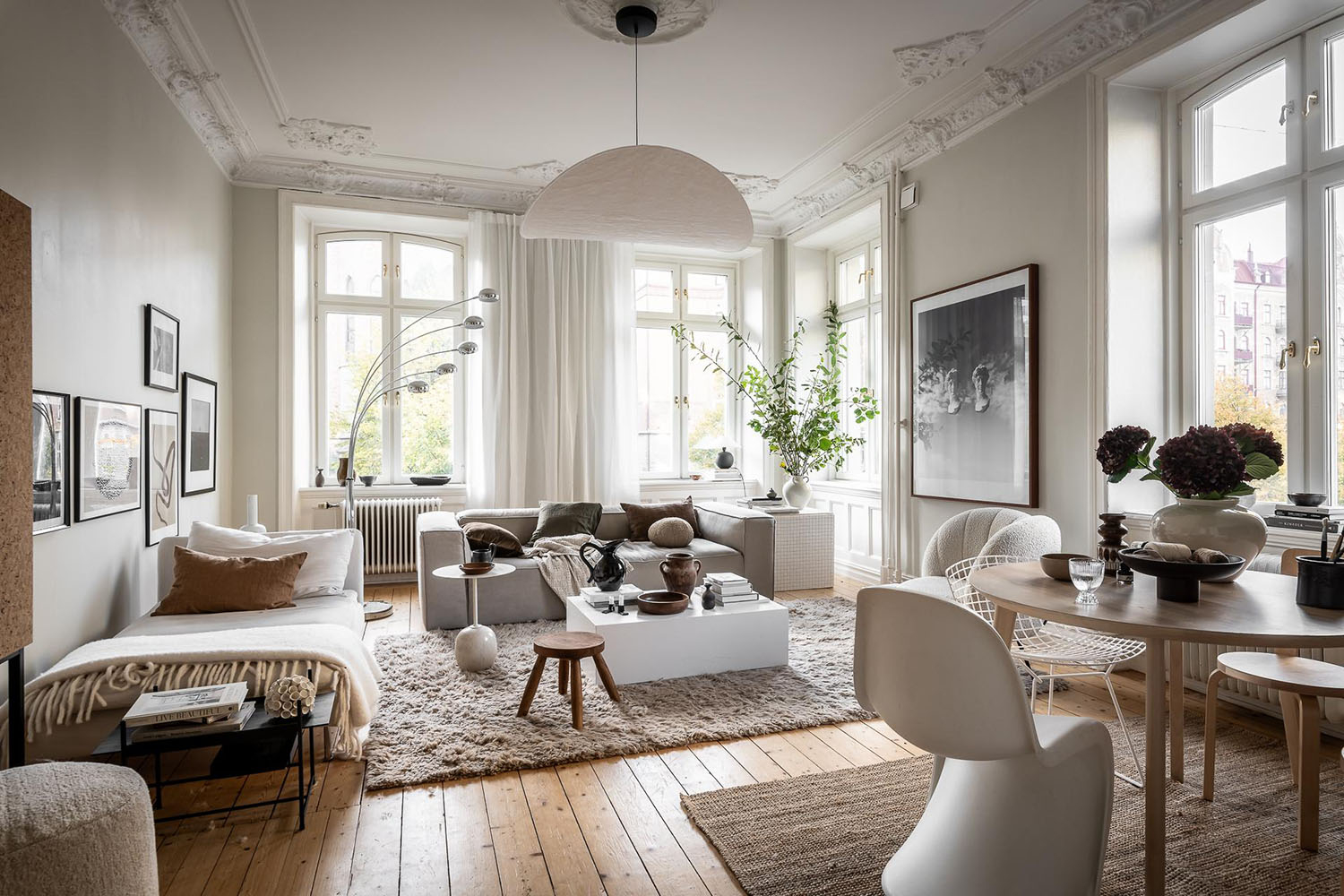
At its heart, Scandinavian design is all about simplicity and purpose. Born in the Nordic countries where winters are long and dark, this style focuses on making spaces feel bright, open, and incredibly practical. Every single object needs to earn its keep. If a chair isn’t comfortable or a table doesn’t serve a purpose, it probably doesn’t belong there. It is minimalism, but with a soft, livable edge.
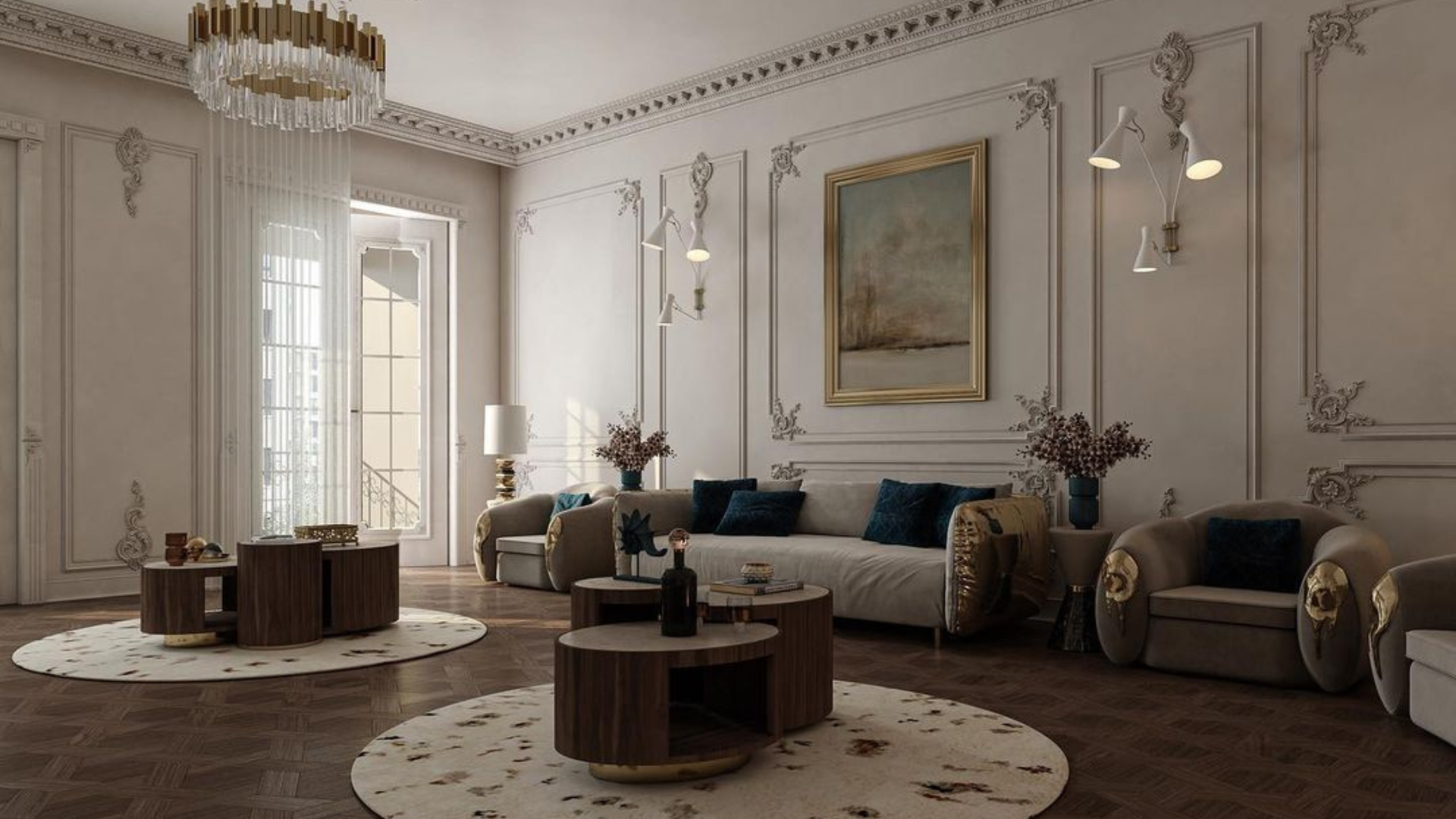
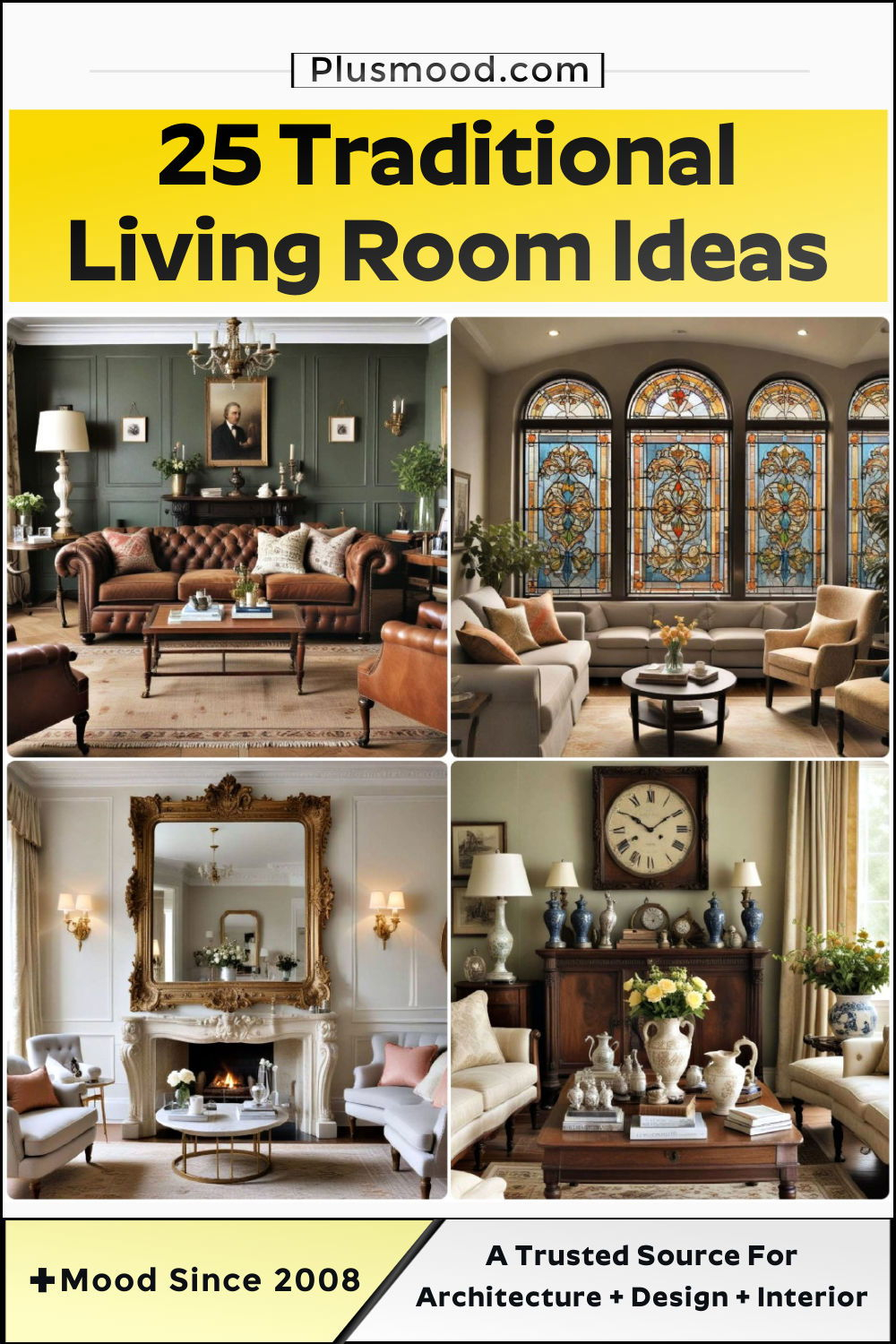
Traditional design, on the other hand, celebrates history, symmetry, and rich details. It borrows elements from old European styles—think English country homes or French estates. Instead of stripping things down, traditional living rooms embrace architectural details, crown molding, and formal layouts. It is built around the idea of familiarity and timeless elegance.
Color Palettes: Pale Sunshine vs. Rich Jewels
Step into a Scandi living room and you will likely see a lot of whites, soft grays, and muted tones. Why. Because these shades reflect the limited daylight available during Northern winters. To keep things from looking too sterile, designers mix in wood tones and earthy colors like muted sage or warm beige.
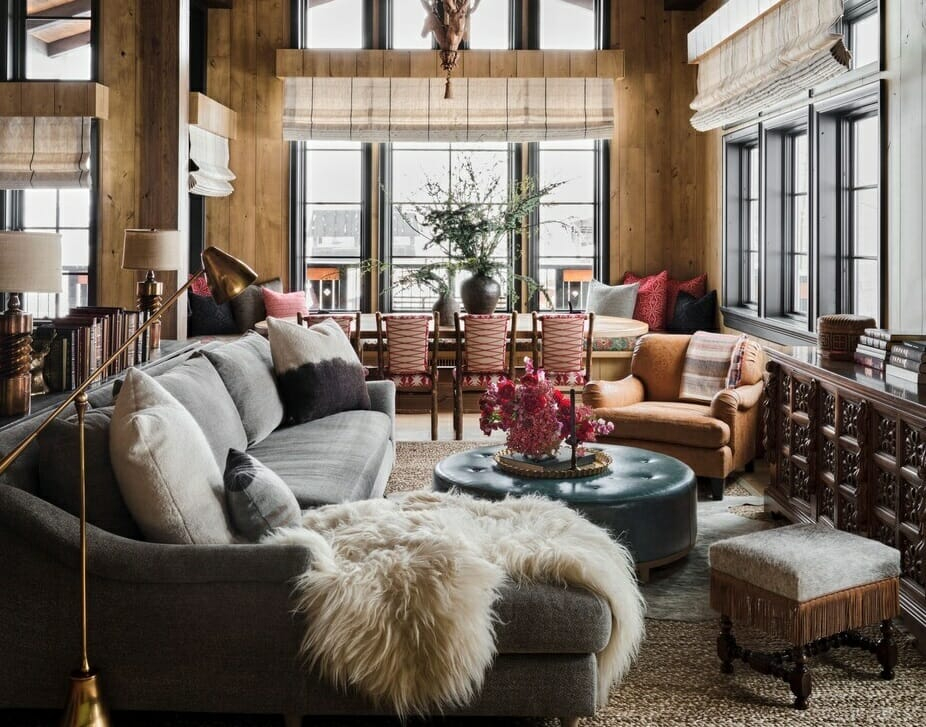
Traditional spaces love a bit more drama in the color department. While neutral backdrops are totally fine, you will often find deep jewel tones like burgundy, navy blue, and forest green. The colors feel heavy and grounded, designed to create a cozy, cocoon-like atmosphere that feels stately yet welcoming.
Furniture Shapes: Clean Lines vs. Ornate Curves
Scandi furniture is famous for its low profiles, tapered legs, and smooth surfaces. Think of mid-century modern shapes but slightly softer. The pieces often sit higher off the ground on skinny legs to let light pass underneath, which makes a small room feel much bigger than it actually is.
Traditional furniture is much more substantial and heavy. You will see rolled arms on sofas, tufted cushions, and intricately carved wooden legs on coffee tables. Pieces are built to look like they have been passed down through generations, prioritizing solid weight and grand proportions over space-saving tricks.
Materials and Textures: Raw Nature vs. Luxury Fabrics
Texture is how a Scandi room avoids looking cold. Since ornaments are kept to a minimum, layers of texture do the heavy lifting. Think chunky knit blankets, sheepskin throws, raw light woods like ash or pine, and linen curtains. It is all about celebrating raw, natural materials.
Traditional rooms lean heavily into refined luxury. You are much more likely to spot dark woods like mahogany or walnut, shiny brass accents, velvet pillows, and silk drapes. There is a speling or tactile richness here that feels deliberate and curated, like a beautifully styled museum room that you are actually allowed to sit in.
Lighting: Chasing Daylight vs. Ambient Glow
In Scandinavia, lighting is practically a religion. Because natural light is scarce for half the year, windows are rarely covered by heavy drapes. Instead, sheer fabrics or bare windows let every drop of sunshine in. For the evening, multiple lamps are scattered around the room to create a soft, warm glow, completely avoiding harsh overhead lights.
Traditional lighting likes to make a big statement. A large crystal chandelier or a formal brass fixture often acts as the centerpice of the ceiling. This is paired with matching table lamps placed symmetrically on side tables, focusing on creating a balanced, formal glow rather than just chasing maximum brightness.
Clutter and Decor: Intentional Space vs. Curated Collections
The Scandi approach to decor follows the famous concept of lagom—which translates roughly to "not too little, not too much, just right." Surfaces are mostly kept clear, with maybe a single ceramic vase or a leafy green plant resting on a shelf. Space itself is treated as a design element.
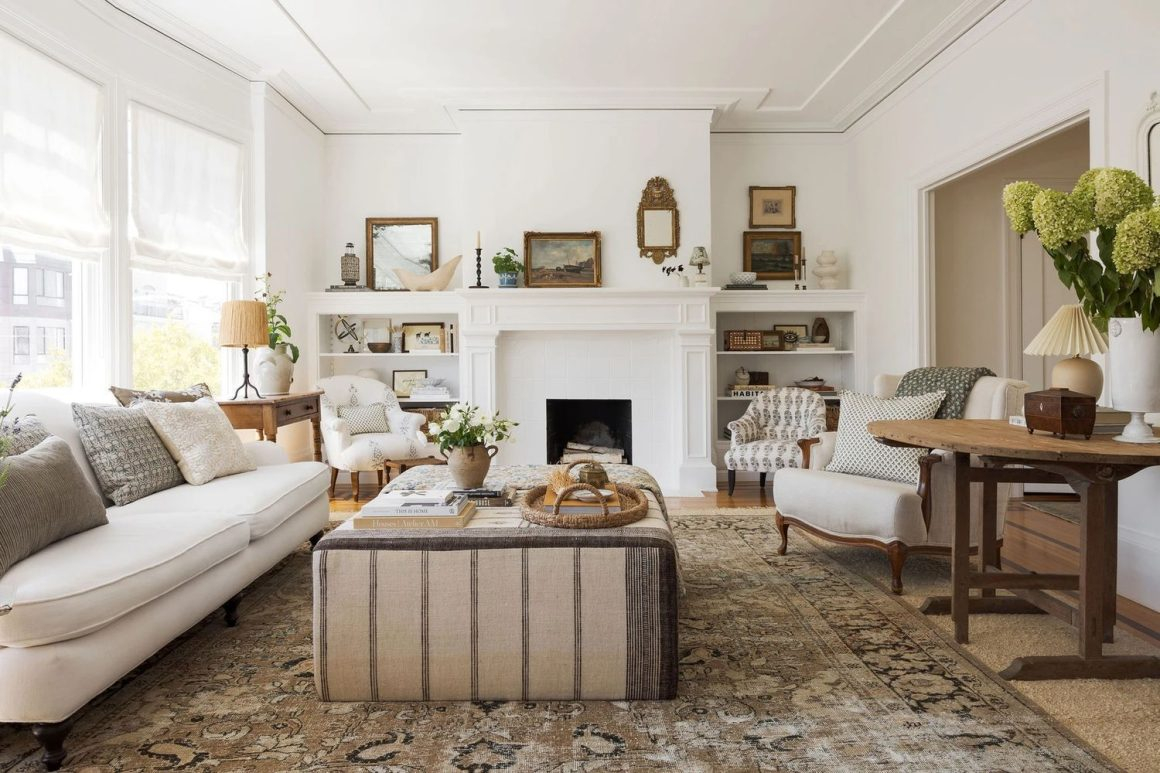
Traditional decor embraces the beauty of collections. Bookshelves are packed with old books, walls are filled with framed oil paintings or family portraits, and mantels display antique clocks or porcelain. It doesn’t look messy, but it definitely looks lived-in and packed with stories and history.
So, which path should you take for your own home. If you love clean spaces, hate clutter, and want your home to feel like a bright, peaceful sanctuary, Scandinavian design is likely your best bet. It is easy to maintain and great for smaller homes.
But if you prefer a space that feels deeply cozy, formal, and filled with historical character, traditional design will give you that timeless comfort you are looking for. There are no wrong answers here, just different ways to tell your story through the walls you live in.