We’ve all been there. You walk into a bedroom that looks like it belongs in a magazine, but the moment you open a drawer or lift a lid, chaos reigns supreme. For years, we treated storage as an afterthought—a necessary evil tucked away in ugly plastic bins or oversized wardrobes that swallowed up half the floor space. But something has shifted. In 2026, the way we think about keeping our stuff organized has undergone a quiet revolution. It’s no longer just about hiding things; it’s about making the act of storing them feel effortless and, dare I say, beautiful.
Designers aren’t just talking about bigger closets anymore. They’re reimagining the very architecture of the bedroom to make storage disappear into the background. The goal? A sanctuary that feels calm, uncluttered, and deeply personal. This new wave of storage isn’t about strict minimalism where you own nothing. It’s about smart design that adapts to how we actually live. Whether you’re in a tiny city apartment or a sprawling suburban home, the principles are the same: storage should serve you, not stress you out. And honestly? It’s about time.
The buzz around these new trends isn’t just hype. According to recent reports from major design hubs, there is a massive move away from "overly styled" looks toward spaces that feel right. People want their bedrooms to be retreats, not showrooms. This shift has pushed designers to get creative with every inch of space, turning awkward corners and unused walls into functional assets. The result is a bedroom that breathes. Let’s dive into what exactly has designers so excited this year.
The Rise of the Invisible Wardrobe
Remember those massive, freestanding armoires that dominated bedrooms in the early 2000s? They’re officially outdated. In 2026, the biggest trend is what experts are calling the "invisible wardrobe." This isn’t just about sliding doors; it’s about integrating storage so seamlessly into the walls that you barely notice it’s there. Designers love this because it creates a clean, uninterrupted visual flow. When storage blends into the architecture, the room feels larger and more serene.
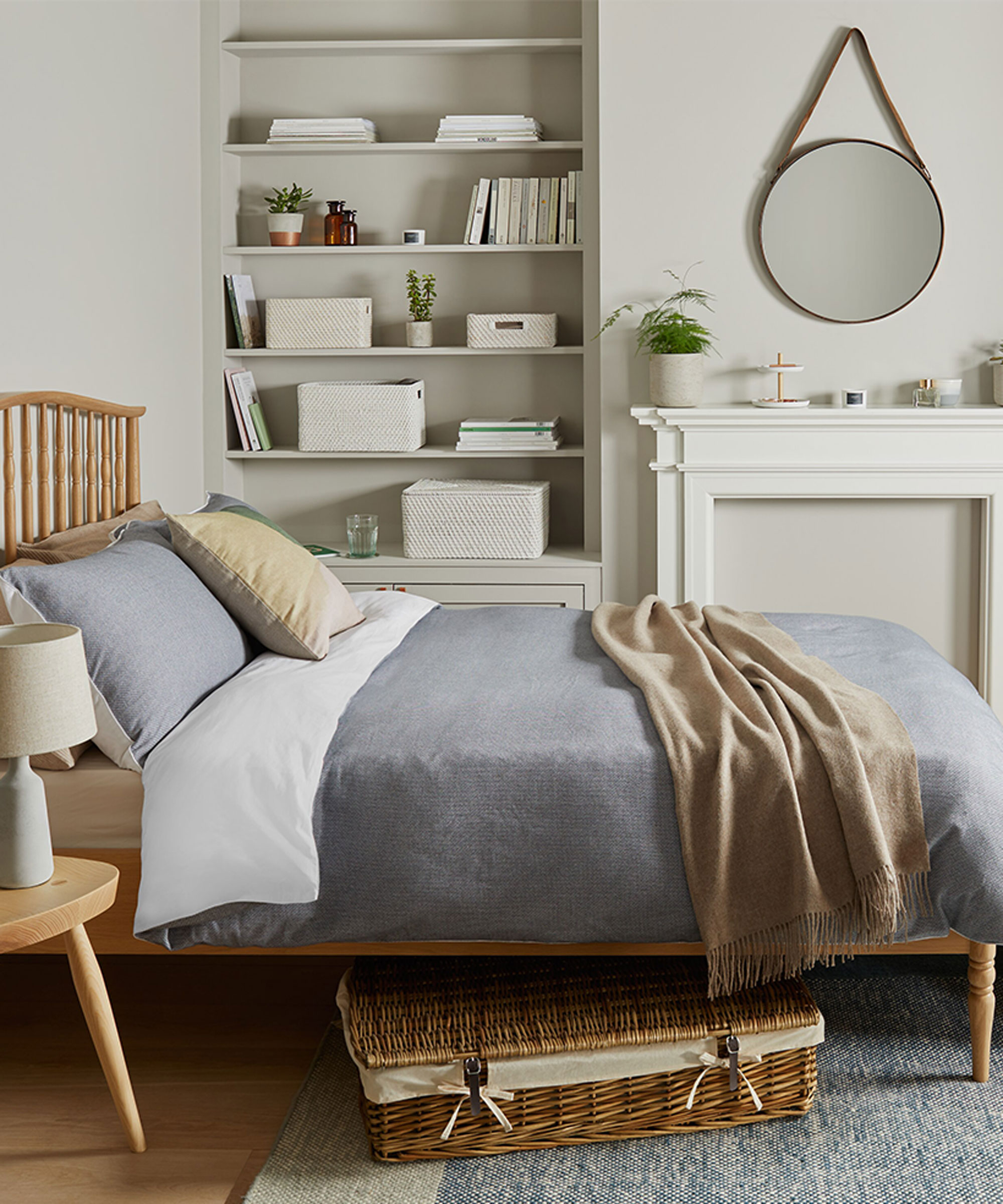
Built-in solutions are taking center stage. We’re seeing floor-to-ceiling units that match the wall color perfectly, often using materials like matte lacquers or textured woods that mimic the surrounding surfaces. These aren’t your grandmother’s built-ins, though. They feature smart layouts with adjustable shelving, hidden lighting, and specialized compartments for everything from shoes to tech gear. By turning every wall, corner, and alcove into usable space, designers can keep the room balanced and refined without adding extra furniture clutter.
What makes this approach so appealing is the psychological effect. Visual noise is real, and it contributes to anxiety. When your clothes and belongings are tucked away behind sleek, flush panels, your brain gets a break. It’s a form of passive organization. You don’t have to try hard to keep the room tidy because the design does the heavy lifting for you. Plus, customizing the interior of these wardrobes means you can tailor the space to your specific needs, whether that’s a spot for long dresses or a dedicated section for workout gear.
Under-Bed Storage Gets a Glow Up
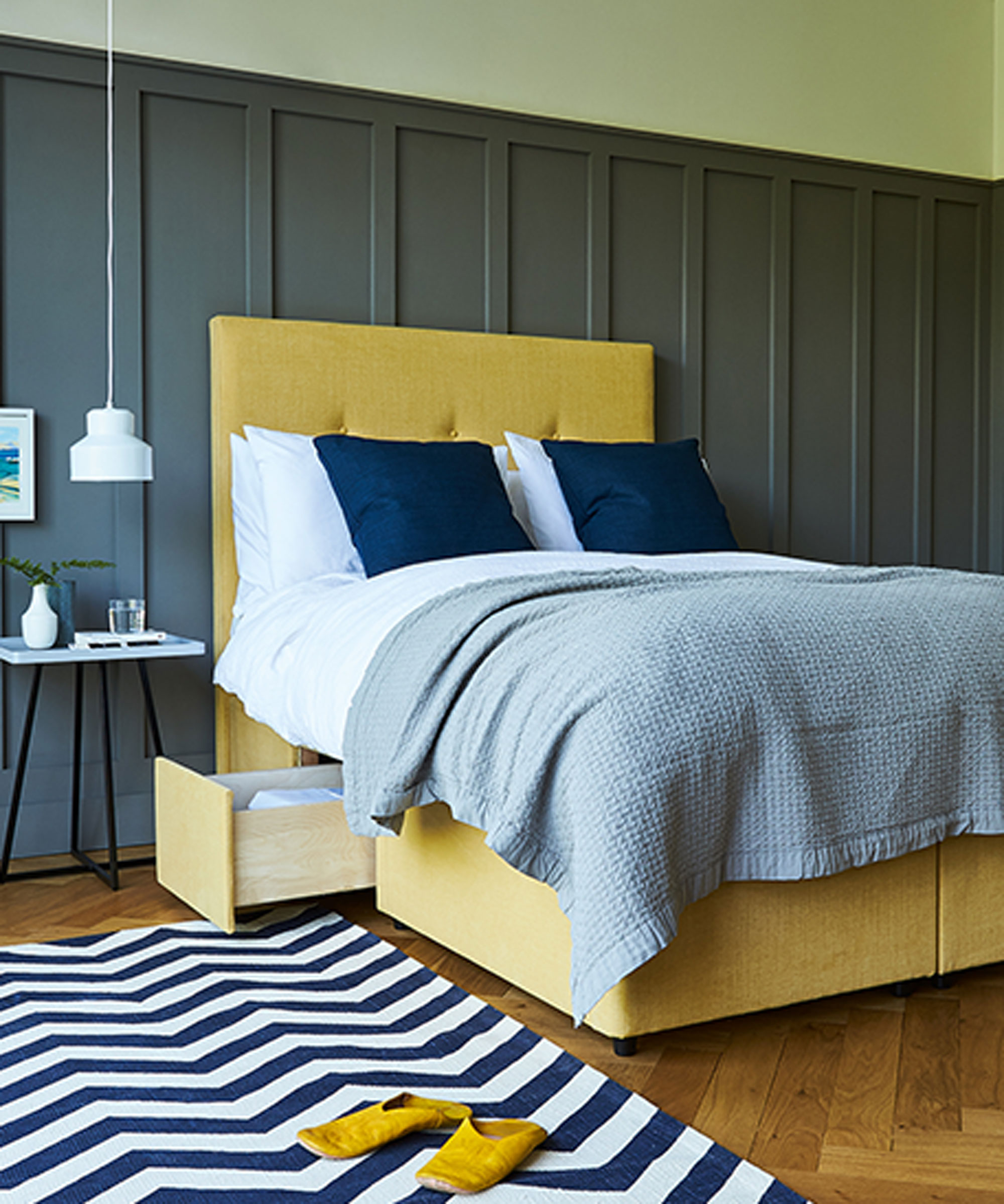
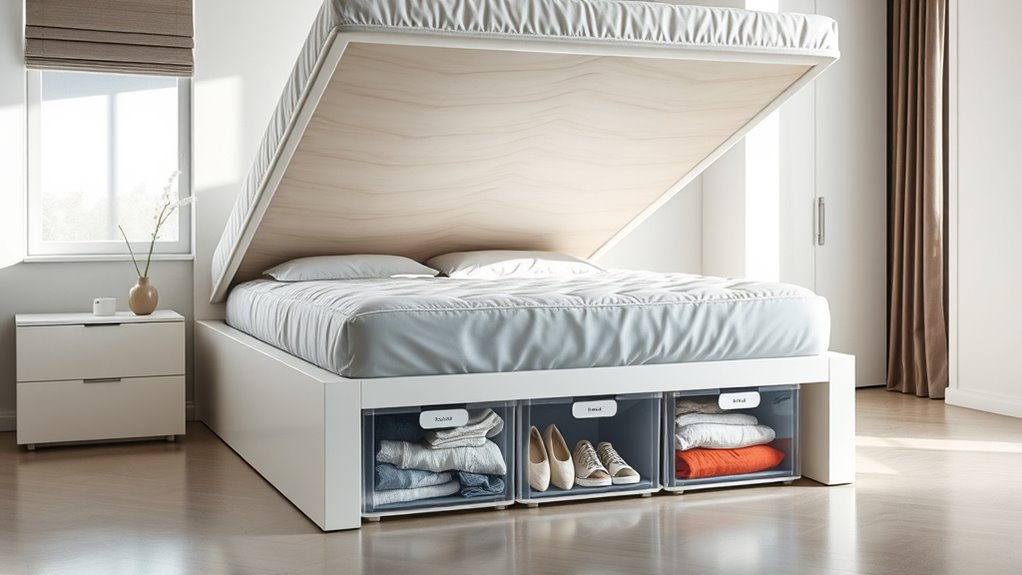
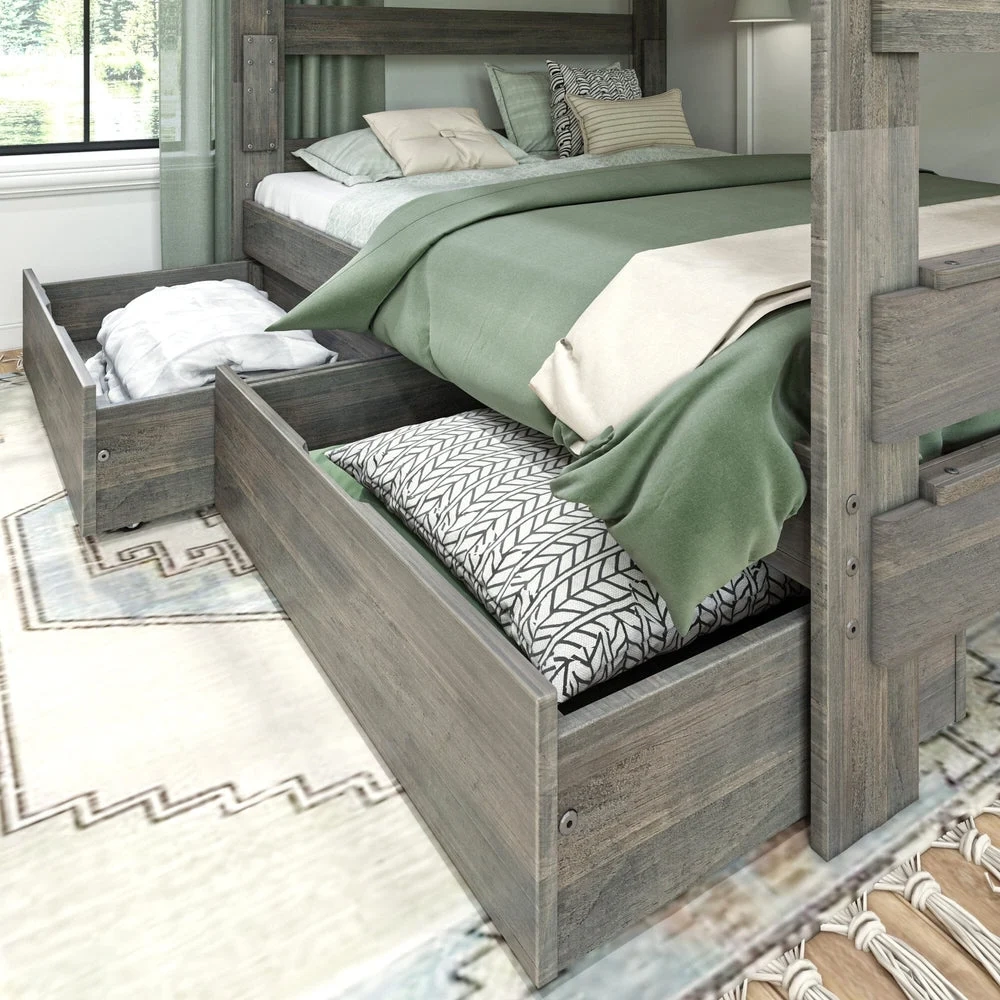
Let’s talk about the space we ignore most: under the bed. For decades, this area was either a dust trap or a graveyard for old suitcases. But in 2026, under-bed storage has gotten a serious glow up. Low-profile platform beds are huge right now, and many come with integrated storage solutions that are both accessible and stylish. We’re not talking about flimsy drawers that get stuck. These are robust, well-engineered compartments that glide smoothly and can hold a surprising amount of weight.
Designers are particularly fond of these solutions for small spaces. In urban apartments where square footage is premium, maximizing vertical and horizontal space is key. Some platforms even include built-in lighting or charging ports, turning the bed into a multi-functional hub. But it’s not just about utility. The aesthetic has improved too. Many of these beds feature warm wood tones or soft upholstery that adds texture and coziness to the room, proving that function doesn’t have to sacrifice style.
There’s also a rise in modular under-bed units that can be customized. You might choose deep drawers for winter sweaters on one side and open shelves for books on the other. This flexibility allows homeowners to adapt their storage as their needs change. It’s a practical approach that respects the reality of modern living. We have stuff. Lots of it. Instead of fighting against it, these designs embrace it, giving every item a designated home that’s easy to reach but out of sight.
Multi-Functional Furniture is the New Normal
Gone are the days when a nightstand was just a nightstand. In 2026, every piece of furniture in the bedroom is expected to pull double duty. Designers are obsessed with versatility. Storage ottomans, for example, have become a staple. They provide seating, a place to rest your feet, and hidden storage for blankets or pillows. It’s a simple concept, but executed well, it can transform a cramped corner into a functional zone.
We’re also seeing a surge in vanity tables that fold away or convert into desks. With more people working from home, the line between bedroom and office has blurred. Having a piece of furniture that can transition from a makeup station to a workspace helps maintain the bedroom’s role as a place of rest. When the workday is done, you close the laptop, fold the desk, and the space returns to its calming state. This adaptability is crucial for maintaining mental boundaries in shared spaces.
Another favorite among designers is the storage headboard. These aren’t just padded backs for your pillows; they often include shelves, niches, or even small cabinets for storing books, glasses, and phones. This keeps bedside tables clear and reduces clutter on the surface. It’s a subtle change, but it makes a big difference in how spacious the room feels. By thinking vertically, designers can free up floor space, making the room feel airier and more open.
Texture and Warmth Over Cold Minimalism
While organization is key, 2026 is not about sterile, cold minimalism. Designers are emphasizing richer textures and warmer palettes. Storage solutions are being crafted from materials that invite touch—think woven rattan baskets, soft felt liners, and natural wood finishes. This approach adds depth and character to the room, making it feel lived-in and cozy rather than like a showroom display.
The use of mixed materials is also trending. A sleek, modern wardrobe might feature leather pulls or brass accents to add a touch of luxury. Open shelving units are styled with a mix of books, plants, and decorative objects, breaking up the monotony of closed storage. This balance between hidden and displayed items allows for personal expression. You can hide the clutter but showcase the things that bring you joy.
This focus on warmth extends to the colors as well. Earthy tones, soft greens, and warm neutrals are dominating the palette. These colors create a soothing backdrop that enhances the feeling of calm. When storage units are painted in these hues, they blend harmoniously with the rest of the decor. It’s a holistic approach to design where every element works together to create a sense of well-being. The goal is comfort without sacrificing style, and texture plays a huge role in achieving that.
Smart Tech Meets Everyday Organization
It’s 2026, so of course, technology is playing a bigger role in our bedrooms. But it’s not about gimmicks. It’s about smart storage that makes life easier. We’re seeing wardrobes with internal lighting that turns on automatically when you open the door. Some high-end systems even include climate control to protect delicate fabrics or integrated speakers for a immersive audio experience. These features might seem luxurious, but they add a layer of convenience that quickly becomes indispensable.
Lighting is perhaps the most impactful tech integration. LED strips inside drawers and shelves illuminate contents, making it easy to find what you need without turning on harsh overhead lights. This is especially helpful in the early morning or late at night. Designers love this because it adds a sophisticated touch while improving functionality. It’s a small detail that makes a big difference in the user experience.
Beyond lighting, there’s a growing interest in sustainable tech. Solar-powered charging stations built into furniture are becoming more common. This reduces cable clutter and promotes eco-friendly habits. As consumers become more conscious of their environmental impact, designers are responding with solutions that are both smart and sustainable. It’s a reflection of a broader trend toward responsible design that considers both human needs and planetary health.
One of the most exciting aspects of 2026’s storage trends is the emphasis on personalization. There are no hard and fast rules. Designers are encouraging homeowners to mix and match elements to create spaces that reflect their unique personalities. DIY pegboards, for instance, have made a comeback. They offer a flexible way to organize accessories, jewelry, or even art supplies. You can rearrange them as your needs change, making them a dynamic part of the room.
Attic built-ins and nooks are also being repurposed creatively. Instead of leaving these spaces empty, people are turning them into reading corners with hidden storage for books and blankets. This maximizes every square foot of the home and adds charm. It’s about making the space personal, whether that’s through custom-built pieces or curated collections of items from travels. The bedroom becomes a true reflection of the person who lives there.
This trend also empowers people to take ownership of their spaces. With so many modular and adaptable options available, you don’t need a huge budget to achieve a high-end look. Simple changes like adding baskets to open shelves or swapping out hardware can refresh the look of existing furniture. It’s about creativity and resourcefulness. Designers are celebrating this DIY spirit, showing that good design is accessible to everyone, regardless of budget or skill level.
So, what’s the takeaway from all this? The new wave of bedroom storage in 2026 is about more than just tidying up. It’s about creating environments that support our well-being. By integrating storage seamlessly into the architecture, choosing multi-functional pieces, and embracing warmth and personalization, we can transform our bedrooms into true sanctuaries. It’s a shift from hiding our lives to honoring them.
Designers love these trends because they solve real problems. They address the need for order in a chaotic world while allowing for individual expression. The result is a space that feels both organized and inviting. Whether you’re renovating your entire home or just looking to declutter a single drawer, these principles can guide you. Start small. Think about what causes you stress in your current space and look for solutions that simplify rather than complicate.
Ultimately, the best storage is the kind you don’t notice. It’s there when you need it and invisible when you don’t. As we move further into 2026, expect to see even more innovation in this space. But the core idea will remain the same: our homes should serve us. And in the bedroom, that means peace, comfort, and a place to truly rest. So go ahead, clear out that clutter. Your future self will thank you.