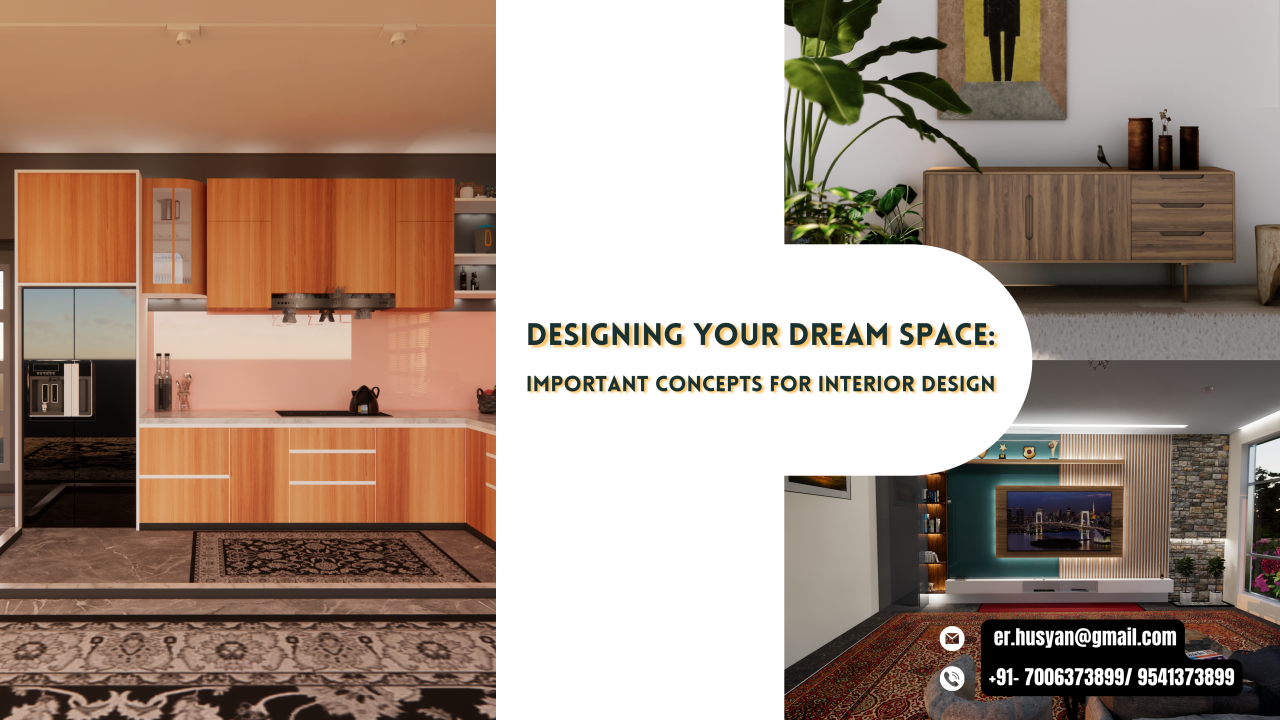
Ever walked into a house that just felt… right? You couldn’t quite put your finger on why, but everything seemed to belong. The colors didn’t fight each other. The furniture didn’t look like it was bought in a panic at three different stores. It just flowed. Now, think about your own place. Does it feel like that? Or does it feel like a collection of nice things that don’t really know each other?
If you’re nodding along to the second one, don’t worry. You are not alone. In fact, most of us struggle with this. We buy a couch we love. Then a rug that kinda matches. Then some art that speaks to us. But suddenly, the whole room feels disjointed. It’s cluttered, not with stuff, but with visual noise. In 2026, the trend isn’t about having the most expensive things. It’s about harmony. It’s about creating a sanctuary that breathes. And the good news? You don’t need a degree in interior design to get there. You just need a plan.
Start With Your Vision, Not Your Shopping Cart
Before you buy a single pillow or paint a wall, you have to stop. Seriously. Put down the credit card. The biggest mistake people make is starting with the "what" before they understand the "why." What do you want your home to feel like? Calm? Energetic? Cozy? Minimalist? This sounds fluffy, but it’s the foundation of everything. Without a clear vision, you’re just guessing. And guessing leads to regret. And regret leads to a closet full of return labels.
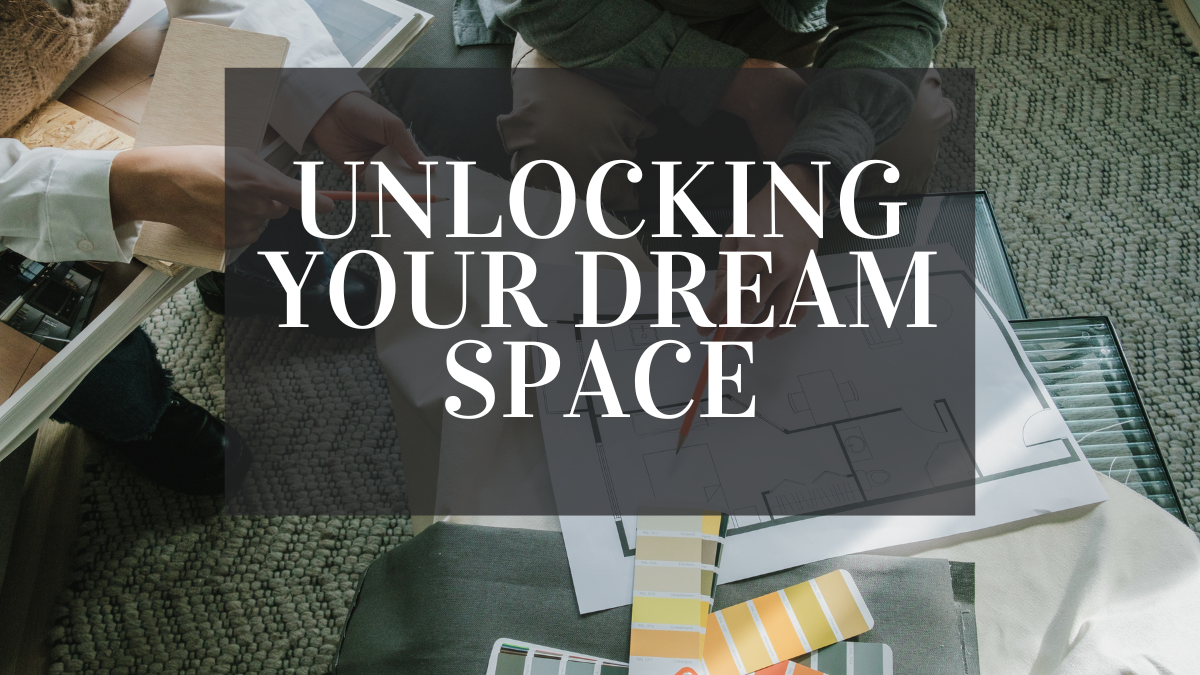
Start by creating an inspiration board. But don’t just pin pretty pictures. Look for patterns. Do you keep saving images with warm wood tones? Do you gravitate toward soft, earthy greens? Maybe you love high-contrast black and white. Write these observations down. This is your design compass. In 2026, leading designers emphasize that a cohesive design strategy guides every decision from concept to completion. If a piece doesn’t fit the vision, it doesn’t come into the house. It’s that simple. It saves you money, stress, and a lot of buyer’s remorse.
Think of your home as a story. What’s the narrative? Is it a quiet retreat from a busy world? Or is it a vibrant hub for friends and family? Once you know the story, choosing items becomes easier. You’re not just buying a lamp; you’re buying a character in your story. Does this lamp fit the plot? If not, leave it on the shelf. This mindset shift changes everything. It turns decorating from a chore into a creative act of self-expression. And honestly, it’s way more fun when you’re not second-guessing every purchase.
Master the 2026 Color Palette System
Color is the quickest way to tie a home together. But here’s the trap: using too many colors. Or using colors that clash. In 2026, the approach has shifted. It’s less about bold, statement walls in every room and more about a unified, flowing palette. According to recent data, 89% of leading US interior designers now rely on a specific system for lasting visual harmony. This system combines earthy neutrals, warm terracottas, and nature-inspired tones. It’s grounded. It’s calming. And it works.
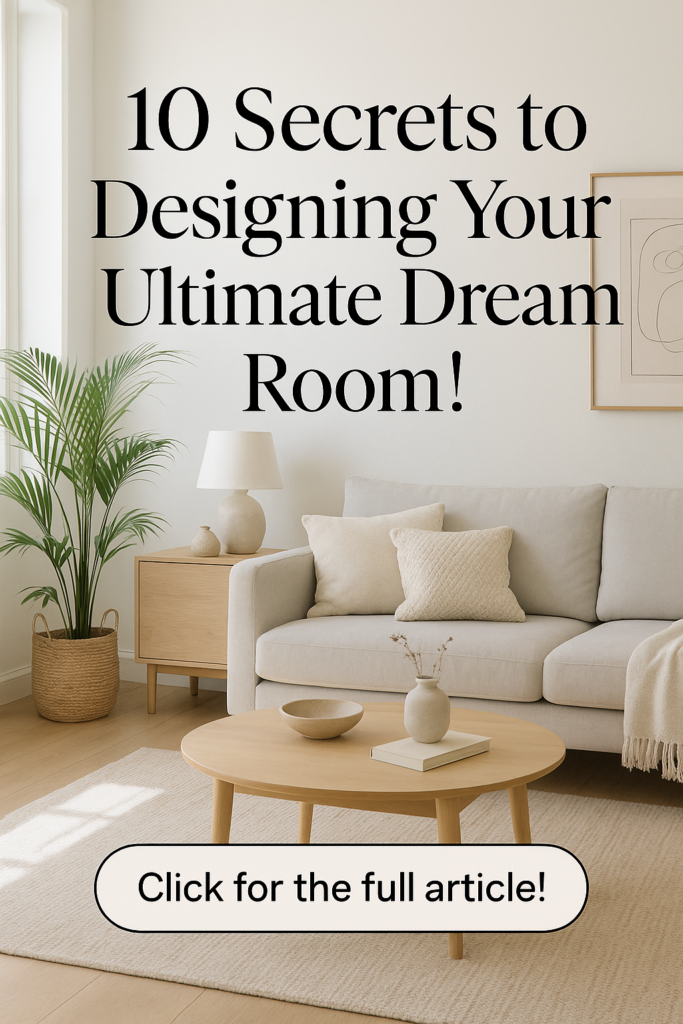
So, how do you apply this? Start with a whole-house color palette. Pick one or two main neutral colors for your walls and large surfaces. Think creamy whites, soft beiges, or gentle greys. These are your anchors. Then, choose two or three accent colors that you’ll repeat throughout the home. Maybe it’s that warm terracotta and a deep olive green. Use these accents in smaller doses—pillows, art, vases, rugs. The key is repetition. If you use that terracotta in the living room, bring a hint of it into the kitchen and the bedroom. It creates a subtle thread that connects the spaces.
Avoid the mistake of making every room a different theme. That’s what makes a home feel choppy. Instead, let the rooms bleed into each other slightly. If your hallway is painted a soft sage, carry that same sage into the adjacent bathroom as a towel or a tile accent. It doesn’t mean every room looks identical. It means they speak the same language. This creates a sense of flow. When you walk from one room to another, your eye doesn’t have to reset. It just glides. And that glide? That’s the feeling of cohesion. It’s subtle, but powerful.
Repeat Materials and Textures for Depth
Color gets all the attention, but texture is the secret sauce. A room with only smooth surfaces feels flat. Cold. Uninviting. To create a space that feels rich and layered, you need to mix materials. But again, the key is repetition. If you have oak flooring in the living room, consider using oak elements in the kitchen cabinets or bedroom furniture. This doesn’t mean everything has to match perfectly. In fact, slight variations in wood tone add character. But the material itself should be recognizable.
Think about the tactile experience of your home. What do you touch? Soft linen curtains. Rough woven baskets. Smooth ceramic lamps. Cool metal fixtures. Warm wool rugs. These textures add depth. They make a space feel curated, not catalog-bought. In 2026, the focus is on natural materials. Stone, wood, clay, cotton. These elements bring the outside in, which aligns perfectly with the earthy color trends. They also age beautifully. A leather chair gets better with time. A wooden table tells a story with its scratches. Embrace that.
Don’t be afraid to mix metals or finishes, but do it intentionally. If you choose brushed brass for your light fixtures, use it in at least two other rooms. Maybe as cabinet pulls in the kitchen and mirror frames in the bathroom. This repetition creates a rhythm. It’s like a beat in a song. You might not notice it consciously, but you feel it. It ties the house together. And if you’re worried about it looking too matchy-matchy, don’t. Variation within repetition is key. Different shapes, same material. It’s sophisticated, not sterile.
Create Flow in Open-Plan and Connected Spaces
Open-plan living is great for light and socializing, but it’s a nightmare for cohesion. How do you define spaces without walls? How do you make sure the kitchen doesn’t crash into the living room visually? The answer is zoning. You need to create distinct areas that still feel part of the whole. Use furniture arrangement to do this. A sofa back can act as a divider. A rug can anchor a dining area. Lighting can highlight a reading nook. These are invisible walls. They guide movement and eye flow without blocking sightlines.
In 2026, smart layouts are balancing style and function. Professionals use a process to connect living rooms, kitchens, and dining areas seamlessly. One trick is to maintain a consistent floor covering. If you have hardwood throughout, keep it. Don’t switch to tile in the kitchen unless necessary. If you must switch, try to match the tone closely. Disjointed flooring is one of the biggest flow-breakers. It chops up the space. Keep it continuous if you can. It makes the whole area feel larger and more unified.
Lighting plays a huge role here too. Use a mix of ambient, task, and accent lighting. But keep the style consistent. If your living room has modern, minimalist pendants, don’t switch to rustic chandeliers in the dining area. Stick to a similar design language. Maybe vary the size or shape, but keep the finish and style family the same. This ensures that when you look across the open plan, the elements harmonize. It’s about creating a visual journey. Your eye should travel smoothly from one zone to the next, not jump around in confusion.
Curate Art and Accessories with Intention
Art and accessories are where personality shines. But they’re also where chaos often creeps in. We pick up souvenirs, gifts, and impulse buys. Before you know it, your shelves look like a garage sale. To avoid this, curate with intention. Less is more. Choose pieces that truly mean something to you or that fit your color and material palette. If a souvenir doesn’t fit, store it or gift it. Don’t force it. A cohesive home isn’t about displaying everything you own. It’s about displaying the right things.
Wall art placement is crucial. Large, impactful pieces often work better than many small, scattered ones. They create focal points. And remember that color thread? Use it here. If your accent color is blue, include blue in your artwork. It doesn’t have to be the dominant color, just a hint. This ties the art back to the room. Groupings of art should feel balanced. Symmetrical for a formal look, asymmetrical for a relaxed vibe. But keep the frames consistent. Mixed frames can look messy if not done carefully. Stick to one or two frame styles for a cleaner look.
Accessories like books, plants, and ceramics should follow the same rules. Group them in threes or fives. Vary heights. Mix textures. But keep the color palette in mind. A stack of books with bright, clashing spines can disrupt a calm room. Consider turning them spine-in or covering them with neutral paper if needed. Plants are great for adding life and connecting to the nature-inspired trend of 2026. Use similar pots for your plants. Terracotta pots, for example, reinforce that earthy, warm aesthetic. It’s the little details that add up to a big impact.
Here’s the hard part. Editing. We get attached to things. But a cohesive home requires ruthlessness. Go through each room. Look at every item. Ask yourself: Does this fit my vision? Does it fit my color palette? Does it fit my material story? If the answer is no, let it go. Sell it, donate it, or store it. Clearing out the clutter that doesn’t serve your design is liberating. It makes the things you love stand out more. It gives them room to breathe. And a breathing room feels calm.
Maintenance is also key. Cohesion isn’t a one-time thing. It’s an ongoing practice. As you bring new items into your home, check them against your blueprint. Did you stick to your palette? Did you repeat your materials? If you’re tempted by a trendy piece that doesn’t fit, pause. Will you love it in a year? Or is it just a flash in the pan? Trends fade. Cohesion lasts. By sticking to your core principles, you build a home that stands the test of time. It doesn’t need constant updating. It just needs occasional refreshing.
Remember, perfection isn’t the goal. Connection is. Your home should feel like you. It should tell your story. But it should tell it clearly, without shouting. By following these steps—vision, color, materials, flow, curation, and editing—you create a space that supports you. It calms you. It welcomes you. And in 2026, that’s what a home is all about. It’s not a showroom. It’s a sanctuary. And you have the power to build it, one intentional choice at a time. So take a deep breath. Look around. And start editing. Your cohesive home is waiting.