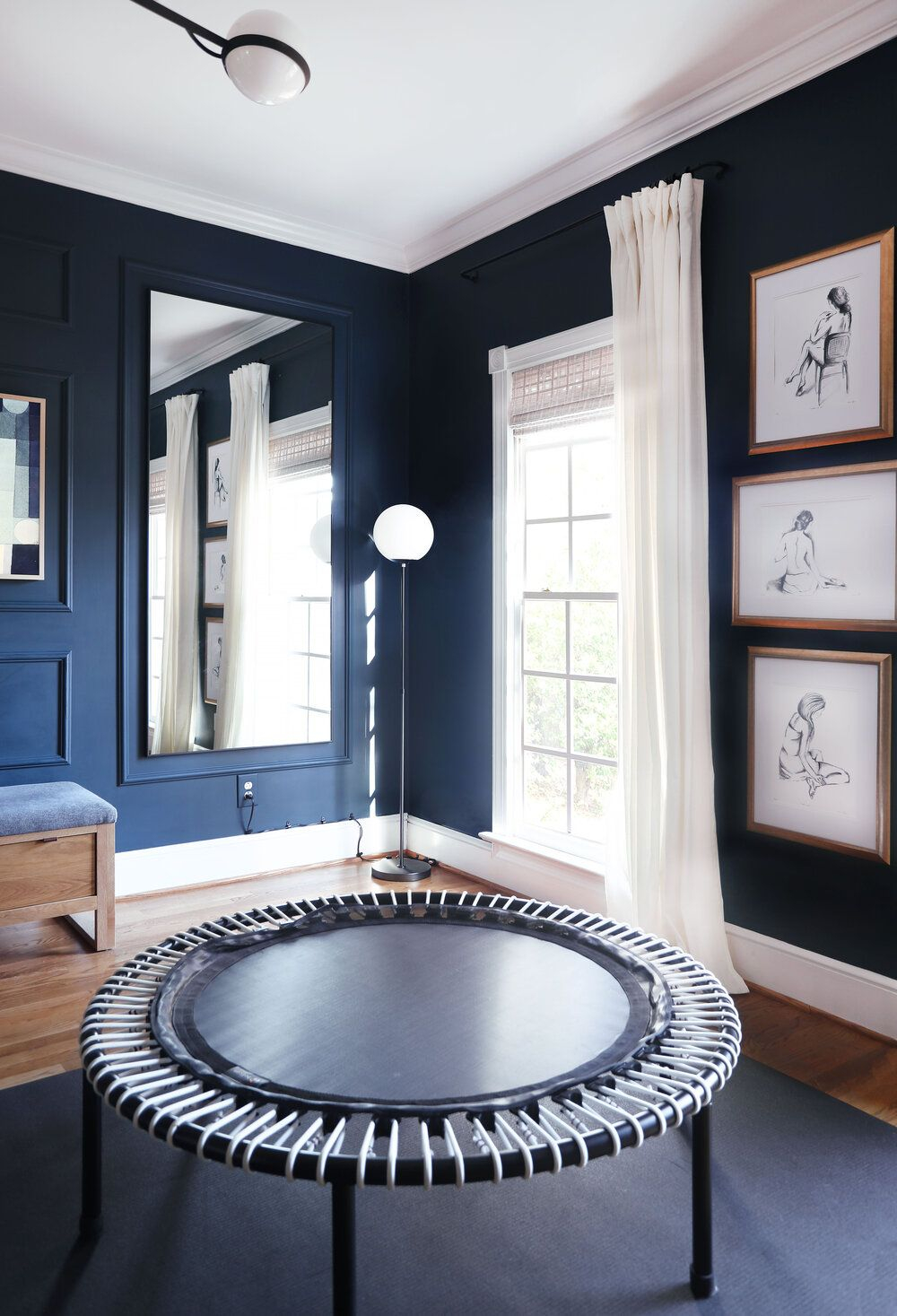
You know that feeling when you walk through your front door and your shoulders just… drop? That exhale you didn’t even know you were holding? That’s not an accident anymore. It’s design.
For years, we treated our homes like showrooms. Pretty, sure. But often cold. Distant. Like a museum exhibit labeled "Do Not Touch." But something shifted. Maybe it was the lingering echo of those long months indoors a few years back. Maybe it was just burnout hitting critical mass. Whatever the cause, by 2026, the conversation had changed completely. We stopped asking, "Does this look good?" and started asking, "How does this make me feel?"
Designers aren’t just picking paint colors anymore. They’re acting as prescriptive therapists for our living rooms. The data backs it up, too. Zillow’s 2026 Home Trend report noted a massive 33% jump in listings mentioning wellness features. That’s not a niche trend. That’s a mainstream movement. People are done with houses that demand energy. They want homes that give it back.
From Luxury Retreats to Everyday Necessities
Remember when having a sauna or a cold plunge pool was something only tech billionaires or people who vacationed in Switzerland had? Those days are gone. In 2026, these aren’t status symbols. They’re Tuesday night routines.
In cities like Austin, we’re seeing a huge shift. Locals aren’t just adding a treadmill to the garage. They are crafting purpose-built spaces specifically for unwinding. It’s about creating a sanctuary that feels intentional. A cold plunge isn’t just ice water; it’s a reset button after a stressful day. A sauna isn’t just heat; it’s a place to disconnect from screens and reconnect with yourself.
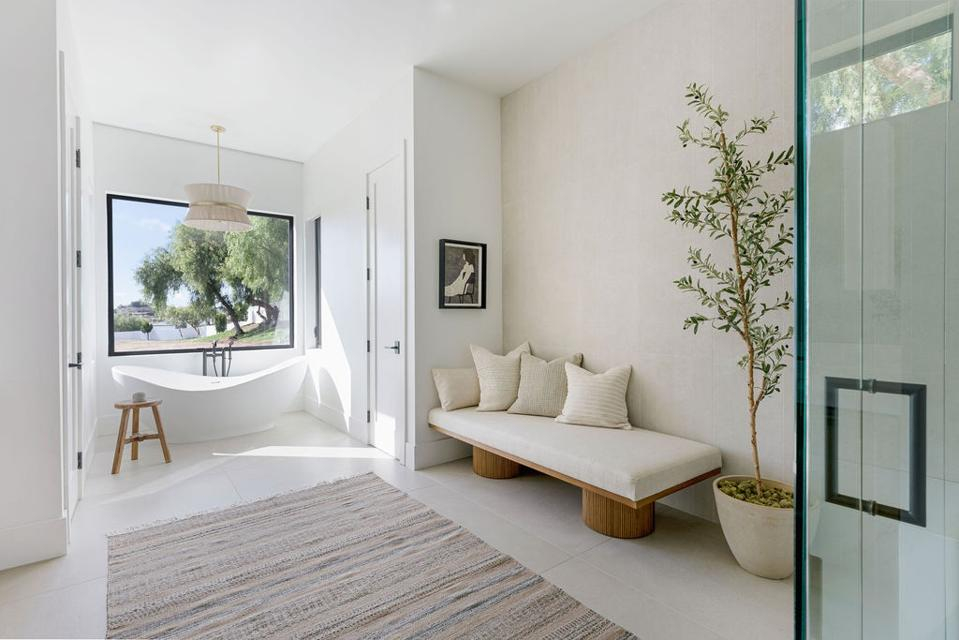
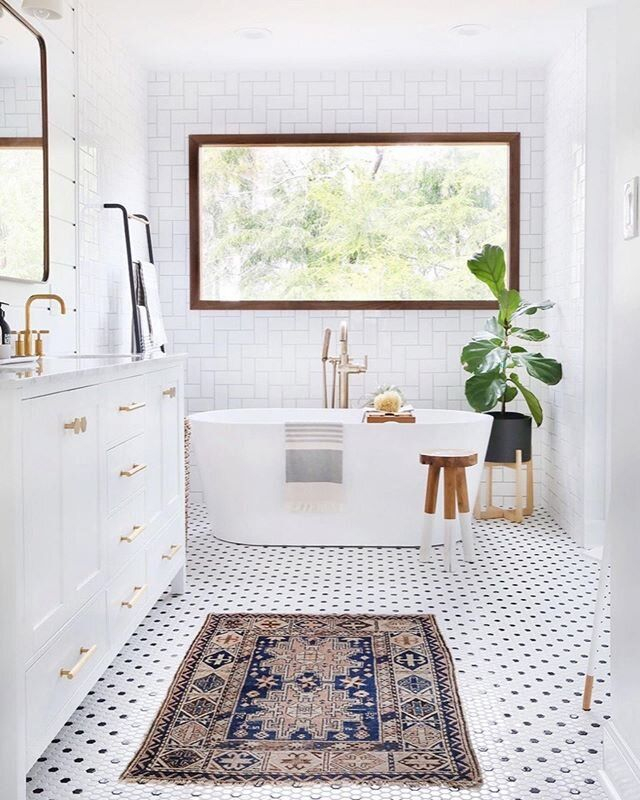
This democratization of spa features is huge. It’s no longer about impressing guests. It’s about personal restoration. Designers are integrating these elements into smaller footprints, too. You don’t need a mansion. You need a corner that works. A dedicated nook for meditation. A bathroom that feels less like a utility room and more like a retreat. The goal is serenity. And frankly, we’re all a little desperate for it.
Lighting That Listens to Your Body
Let’s talk about light. Not just any light, but the kind that actually respects your circadian rhythm. For a long time, we blasted our eyes with harsh, blue-heavy LEDs from morning till night. No wonder we were all tired and wired.
According to Lutron’s 2026 Luxury Residential Trend Report, lighting that prioritizes mood and wellness is now critical. It’s not an upgrade. It’s expected. Think motorized shades that lower automatically as the sun sets. App-controlled bulbs that shift from energizing white in the morning to warm, amber glows by evening.
It sounds simple, right? But the impact is profound. Designers are saying that lighting is the invisible architecture of wellness. It dictates how we sleep, how we wake up, and how we relax. If your lights are fighting your biology, your home is working against you. In 2026, the best designs are the ones you don’t notice—they just make you feel calm. It’s about letting the technology fade into the background so the human experience takes center stage.
The Rise of "Slow Design" and Personalization
Here’s a phrase you’ll hear a lot this year: "Slow design." It’s a pushback against the fast-furniture, flip-this-house culture. Designer Barnard put it perfectly in House Beautiful, noting that while biophilia (bringing nature indoors) is still big, the real evolution is toward deeply personalized spaces.
What does that mean for you? It means your home doesn’t have to look like a Pinterest board. It has to look like you. It’s about choosing materials that age well. Wood that develops a patina. Stone that feels cool under your bare feet. It’s about keeping things that have history. Heritage-inspired details are making a comeback because they ground us. They remind us that life isn’t disposable.
This approach is less about chasing novelty and more about supporting real life. ASID’s 2026 Trends Outlook highlights this shift amid rapid social and economic changes. People want stability. They want their homes to feel like an anchor. So, instead of buying the trendy sofa that falls apart in two years, they’re investing in pieces that tell a story. It’s slower. It’s more thoughtful. And it’s much more satisfying.
Texture, Touch, and the End of Sterile Spaces
Run your hand along your wall. What does it feel like? If the answer is "smooth drywall," you’re missing out. One of the biggest shifts in 2026 is the return of tactile materials. We are craving touch. We want surfaces that invite interaction.
Designers are moving away from sterile, perfect finishes. They’re embracing rich materials. Think limewash paints that have depth and variation. Rough-hewn timber beams. Woven textiles that add warmth and sound absorption. These aren’t just visual choices. They’re sensory ones.
When a space engages multiple senses, it lowers stress. It’s science. Soft rugs, heavy curtains, natural stone—these elements create a "cocoon" effect. Especially in bedrooms and bathrooms. The modern home is becoming a personal sanctuary, not just a place to store stuff. As one designer noted, wellness-focused interiors are less about trends and more about how spaces make us feel. If it looks good but feels cold, it’s failing. We need nurturing. We need comfort. And texture delivers that in a way flat paint never could.
Biophilia 2.0: Beyond the Potted Plant
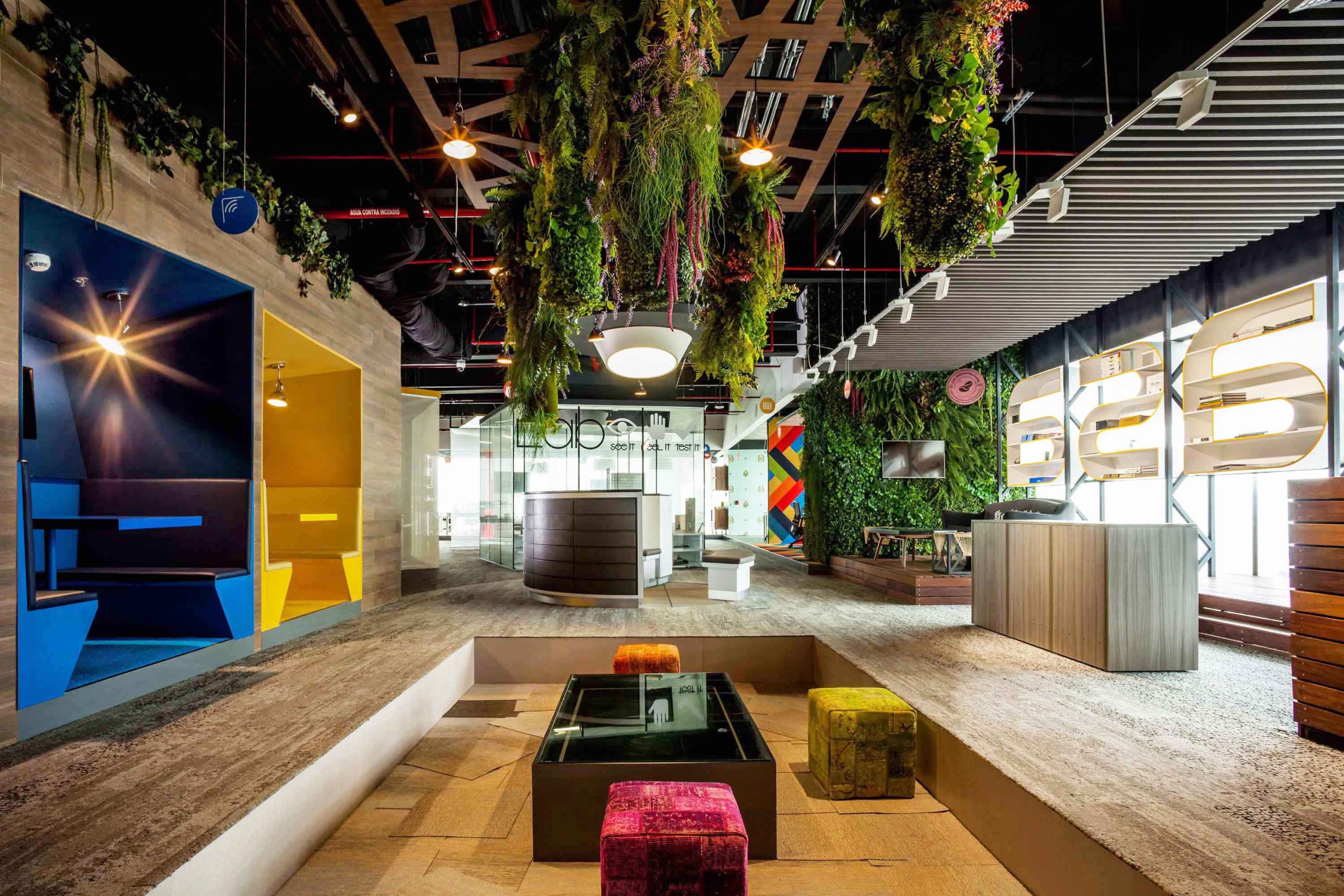
We’ve all heard of biophilia. Putting a fiddle leaf fig in the corner. Done. Boring. In 2026, the connection to nature is getting a serious upgrade. It’s no longer about decoration. It’s about integration.
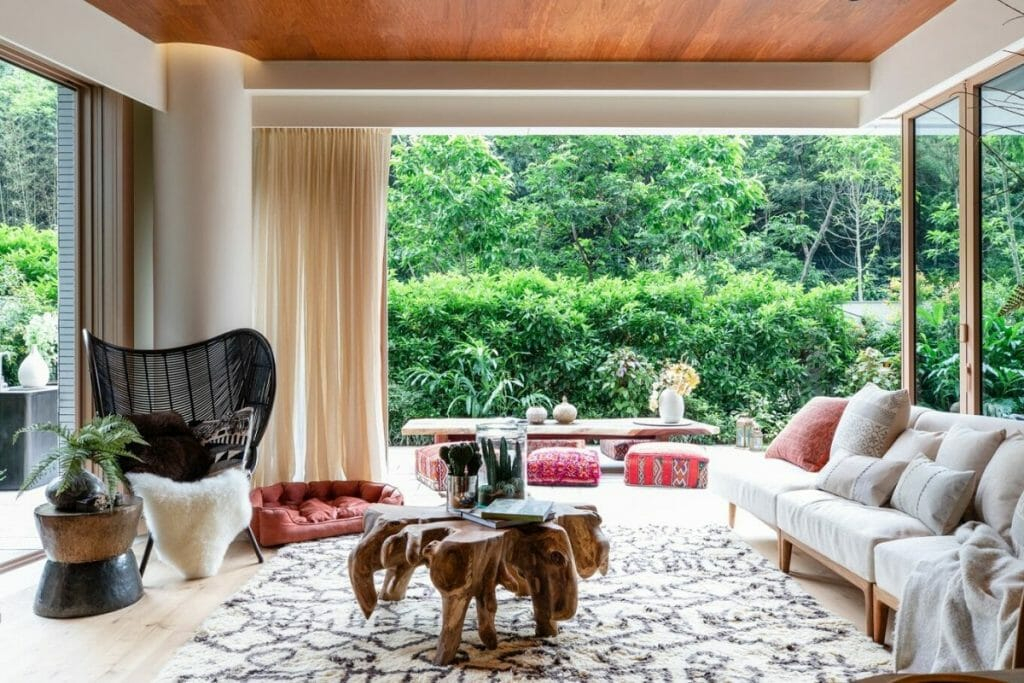
Designers are blurring the lines between inside and outside. Large sliding glass doors that disappear. Indoor courtyards. Materials sourced locally to reflect the surrounding landscape. It’s about bringing the outdoors in, yes, but also taking the indoors out. Creating spaces where you can sit comfortably in the fresh air, protected from the wind but still part of the environment.
This isn’t just aesthetic. Exposure to natural elements lowers blood pressure. It improves focus. It boosts mood. So, when designers talk about "wellness-driven spaces," they’re talking about airflow. Natural light penetration. Views of greenery from every major room. It’s holistic. It’s about recognizing that we are part of nature, not separate from it. And our homes should reflect that truth. If you can smell the rain from your living room, you’re doing it right.
So, where does this leave us? The shift toward wellness-focused design isn’t a fad. It’s a fundamental rethinking of what home means. It’s no longer enough for a house to be beautiful. It has to be beneficial.
The 33% rise in wellness mentions on Zillow tells us that buyers know this. They’re voting with their wallets. They want homes that help them sleep better, stress less, and live healthier. Designers are responding by creating spaces that are warm, personalized, and deeply restorative.
It’s a beautiful thing, really. We’re finally giving ourselves permission to prioritize comfort. To choose the chair because it supports your back, not just because it matches the rug. To install the lighting because it helps you sleep, not just because it’s bright. This is the legacy of 2026 design. It’s human. It’s kind. And it’s exactly what we needed.
Don’t worry if your home isn’t perfect. It doesn’t need to be. Just start small. Add a plant. Change a bulb. Soften a corner. Listen to what your body needs. Your home should be the place where you can finally, truly, exhale.