Have you ever walked into a small apartment and felt instantly cloistered? We have all been there. But then, occasionally, you step into a compact space that feels inexplicably grand, like a boutique hotel suite. It makes you wonder, what is the secret here.
Living small doesn’t mean giving up on luxury. In 2026, as urban centers become more crowded and mindful living takes center stage, curating a premium compact home is the ultimate design achievement. It is about shifting focus from sheer size to incredible substance. Let us dive into how you can make a small footprint feel exceptionally high-end.
The Magic of Monochromatic Palettes
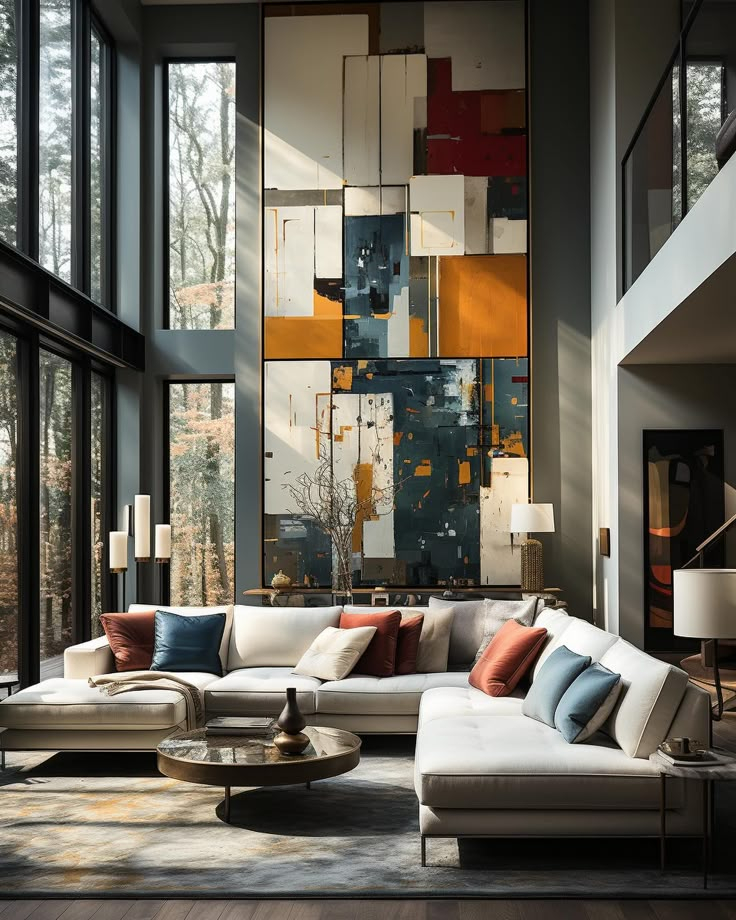
When you are dealing with tight quarters, visual clutter is the enemy. One of the easiest ways to create an expansive, premium vibe is sticking to a unified color story. This doesn’t mean everything has to be plain white. Think rich tones like warm taupes, soft greys, or even deep hunter greens.
When your walls, trim, and large furniture pieces share similar tones, the eye moves seamlessly across the room. There are no harsh visual stops. This simple trick tricks your brain into thinking the boundaries of the room are further away than they actually are. It creates an instant sense of calmness and luxury.
Multi-Functional Furniture That Doesn’t Look Modernist
We have all seen those clunky folding beds that look like they belong in a college dorm. That is exactly what you want to avoid. Premium compact living requires bespoke, hidden functionality. Think of a gorgeous custom sofa that hides deep storage underneath, or a sleek marble dining table that can effortlessly expand when guests arrive.
Investing in pieces that serve dual purposes without sacrificing style is key. Look for high-quality materials like solid wood, brushed brass, or rich leather. A beautiful ottoman that doubles as a coffee table and a storage unit for extra blankets adds both utility and a layer of texture to your living area.
Mastering Vertical Scale and Lighting
When floor space is limited, look up. Many people forget that walls offer incredible opportunities for both storage and design impact. Taking cabinets or bookshelves all the way to the ceiling draws the gaze upward, making the ceilings feel much higher.
Lighting plays a massive role here too. Instead of relying on a single boring overhead light, layer your illumination. Use flush wall sconces, low-profile floor lamps, and LED strip lighting tucked under shelves. This creates depth and shadows, making the room feel layered and architecturally interesting rather than flat and cramped.
Hidden Storage and De-cluttering Systems
You cannot have a premium home if there is stuff piling up on every surface. Luxury is inherently tied to a sense of order. However, in a small home, you need a smart strategy to hide the boring everyday items. Custom built-ins that blend into the walls are your best friend here.
Consider installing floor-to-ceiling wardrobes with touch-latch doors that have no handles. This keeps the look incredibly clean and minimal. When everything from your vacuum cleaner to your paperwork has a designated, hidden spot, the remaining open spaces can be dedicated entirely to beautiful decor and art.
Investing in Statement Materials
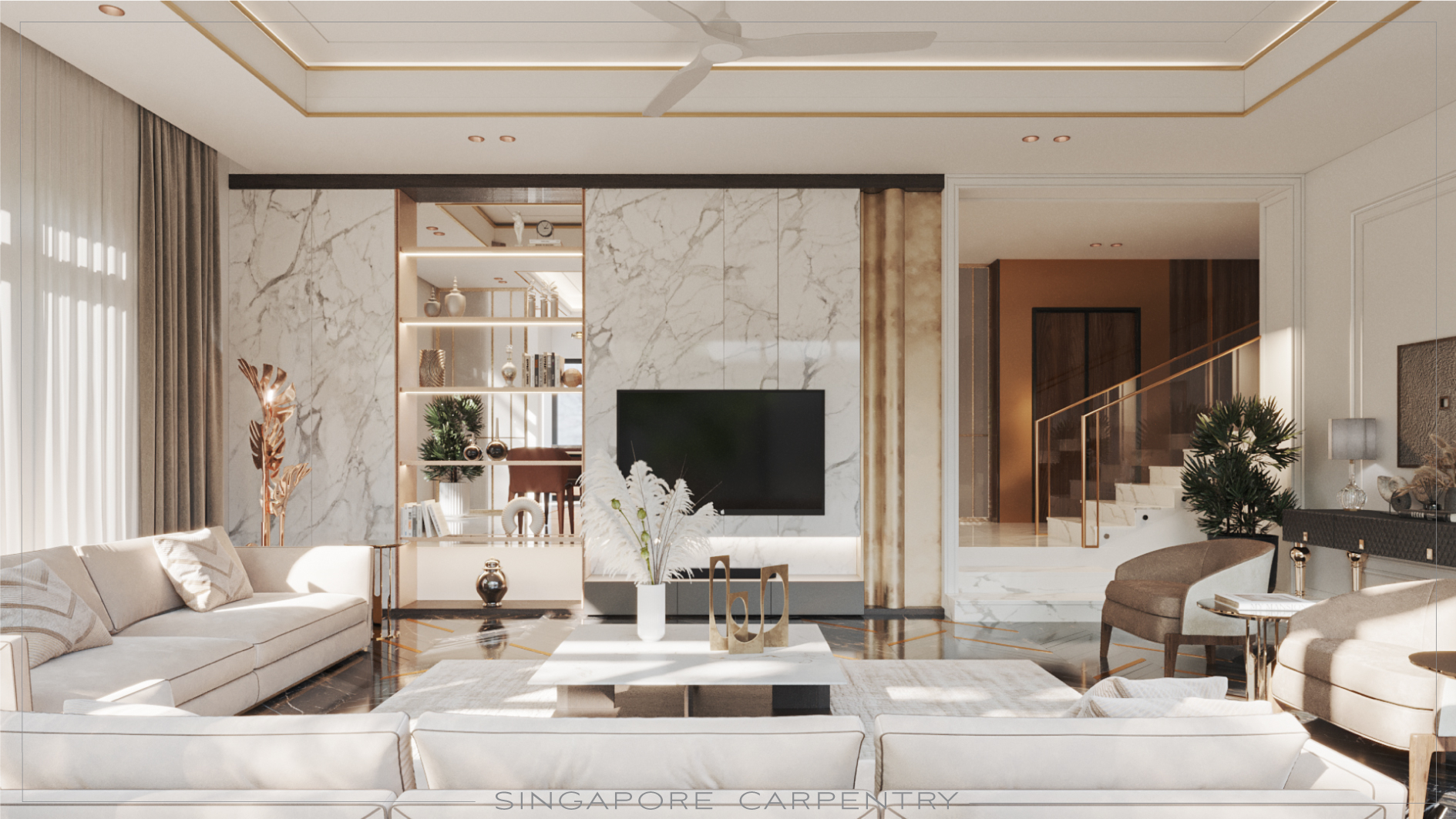
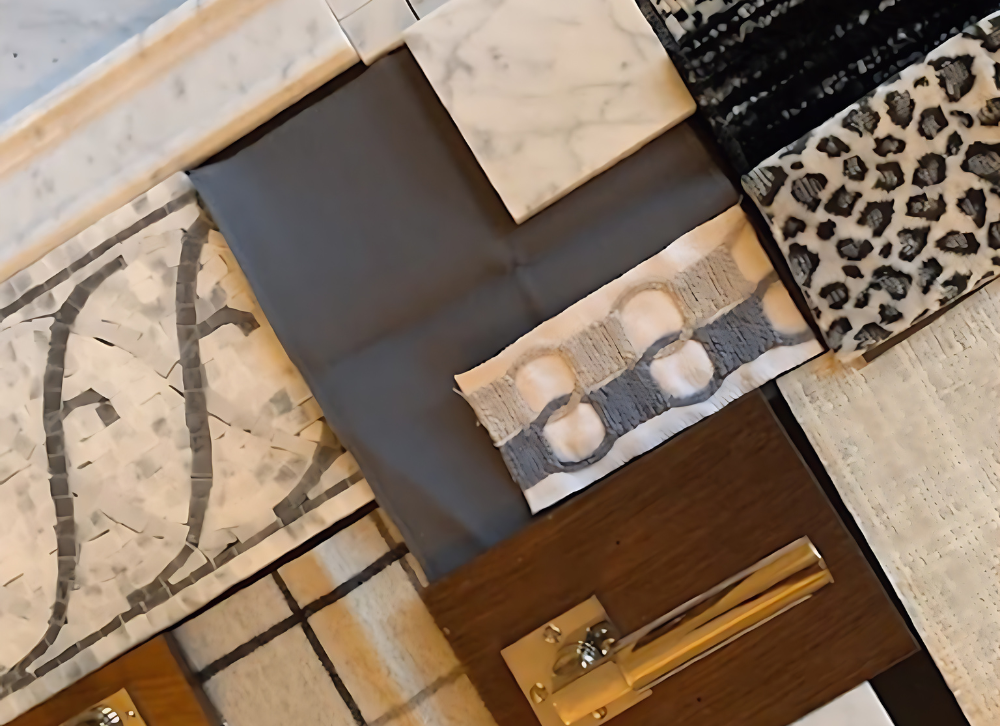
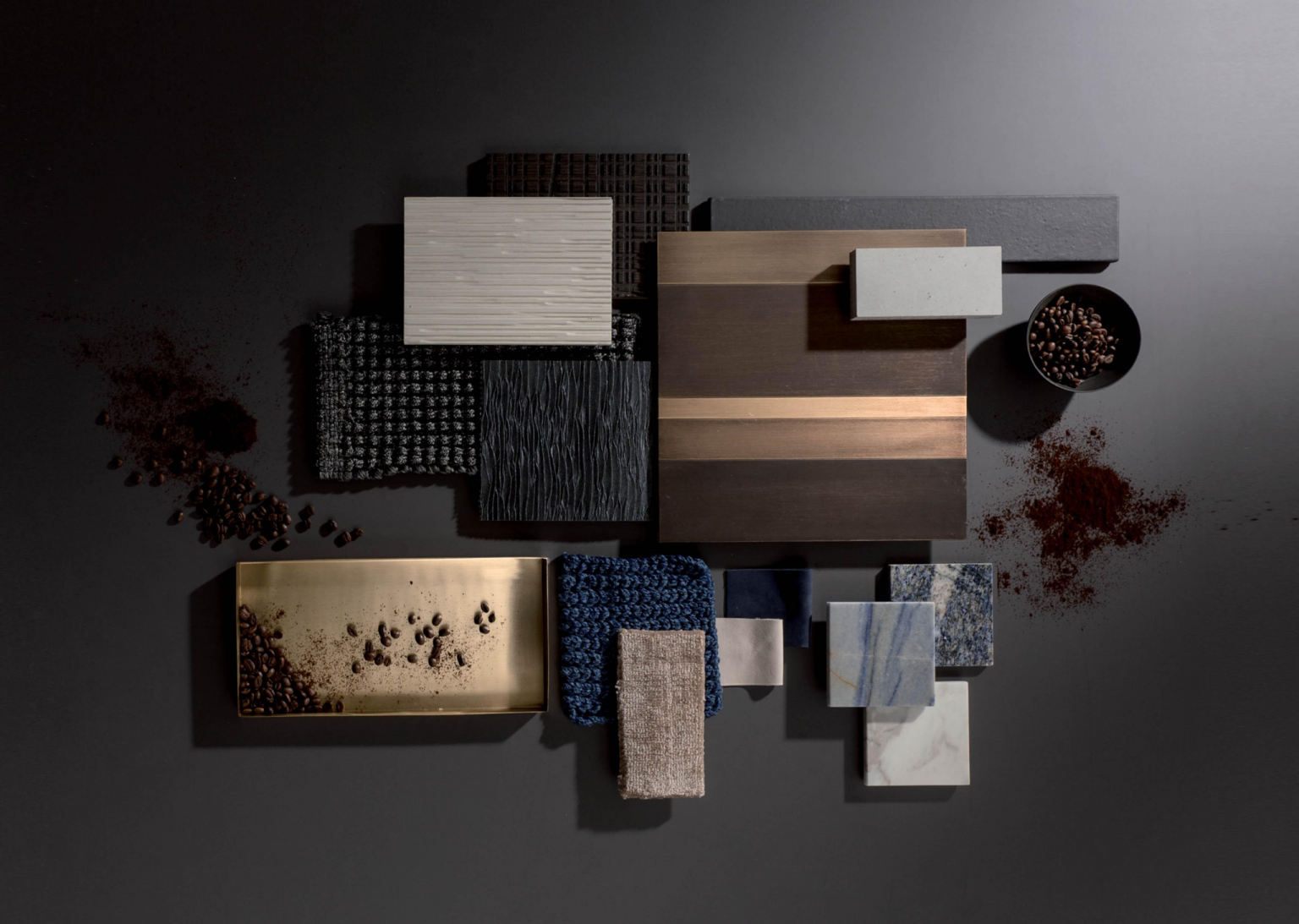
Here is a major advantage of a small home: because you need less material, you can afford to splurge on better quality. Instead of buying cheap laminate, you can invest in a stunning slab of Calacatta marble for a small kitchen island. Or maybe use a luxurious designer wallpaper on just one accent wall.
Focus on touchpoints—things you touch every day. High-end matte black faucets, solid brass door handles, and heavy linen curtains instantly elevate the entire environment. These small details signal quality and craftsmanship, completely distracting from the actual size of the room.
Creating Distinct Zones with Textiles
In a studio or open-plan layout, it can be tough to make the space feel organized. Without actual walls, things can quickly blend into a chaotic mess. The secret to fixing this is using textiles to define specific zones for sleeping, working, and relaxing.
A large, plush rug can anchoring the living area, while a different flooring texture or a sheer curtain partition can separate the bed space. Using distinct textures—like a velvet chair in the reading nook and a crisp linen duvet on the bed—helps your brain register that you are entering a completely different "room" even without physical barriers.
Curating a premium compact home isn’t about compromising; it is about editing down to the absolute best. By focusing on cohesive colors, smart vertical design, and high-quality materials, any small space can feel like a luxury retreat. It forces you to live only with what you love and use.
Ultimately, a home should feel like a sanctuary, no matter the square footage. With a few intentional design choices and a focus on hidden functionality, your compact space can easily become the most stylish, comfortable place you have ever lived.