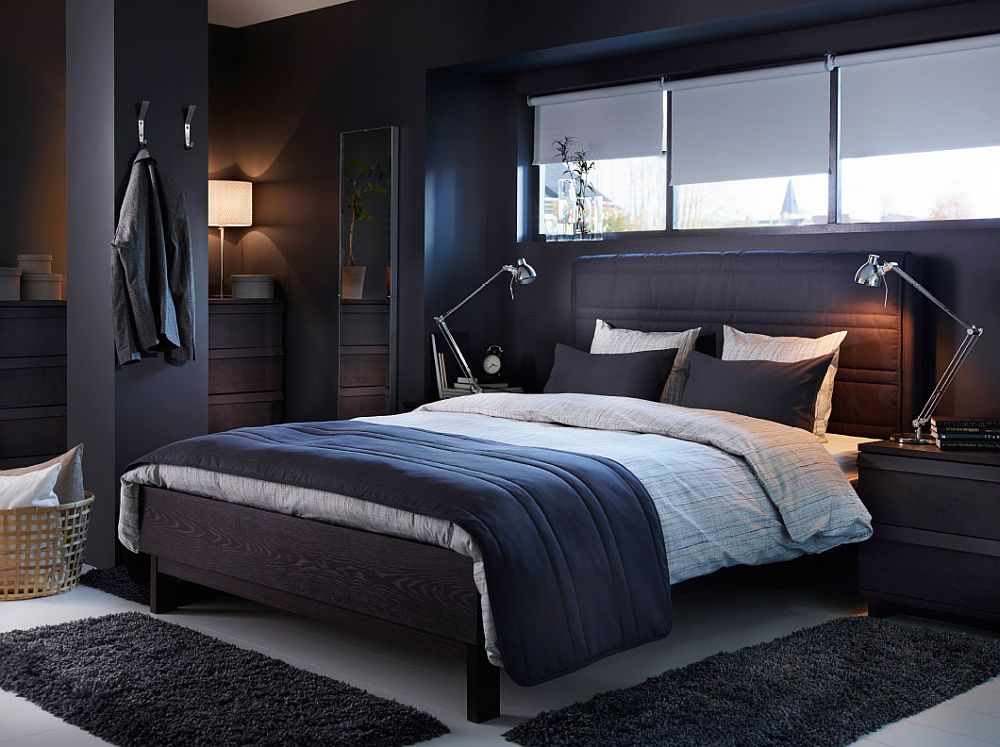
Have you ever walked into a space and instantly felt a calm wash over you? A feeling of lightness, a quiet sense of order that just soothes the soul. For many, this sensation is becoming increasingly important in our fast-paced, always-on world. It’s why, here in 2026, we’re seeing a profound rediscovery of something beautifully simple: the monochrome bedroom.
Forget any old-fashioned ideas you might have had about single-color schemes being boring or sterile. This isn’t about stark white boxes. It’s about a sophisticated, intentional approach to design that harnesses the power of one dominant hue to create a truly restorative personal haven. It’s a subtle art, really, one that many are finding provides much-needed solace and a clear visual break from the cacophony of daily life.
The Psychology Behind the Hue: Why Less Truly Is More
There’s a deep-seated reason why a monochromatic scheme feels so good, especially in our sleeping quarters. Our brains are constantly processing information, and a riot of colors, while sometimes exciting, can also be overstimulating. When you step into a bedroom bathed in a single color – perhaps a soft sage green, a deep charcoal, or a warm oat shade – your mind finds an immediate sense of quiet. It’s like a visual sigh of relief.
This reductive approach minimizes visual noise, allowing your mind to unwind and prepare for rest. In 2026, with digital demands higher than ever, creating an environment that actively encourages relaxation is not just a luxury; it’s a necessity. It helps us declutter not just our physical space but also our mental landscape, leading to better sleep and a more peaceful start to each day.
Beyond Basic: Crafting Depth and Texture
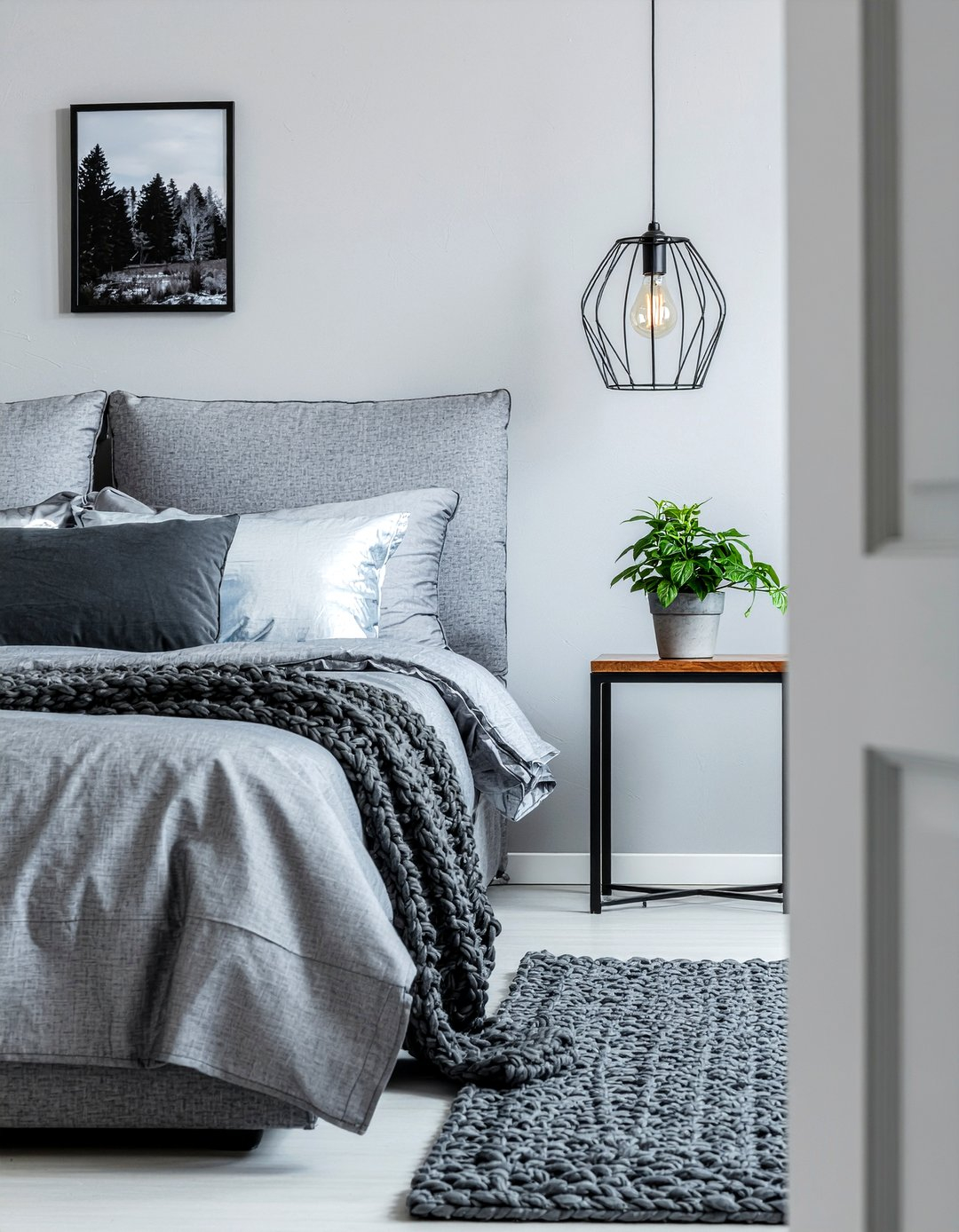
The magic of a truly beautiful monochrome room lies in its textures and variations. If you’re thinking one color means flat and uninteresting, think again. Imagine a room in varying shades of blue: a deep navy velvet headboard, light blue linen bedding, a misty grey-blue rug, and perhaps some ceramic vases in a slightly different tone. See how that creates dimension?
It’s all about layering different materials and finishes within your chosen color family. Think chunky knit throws, sleek wooden furniture, metallic accents, and plush rugs. These elements catch the light differently and give the eye something interesting to explore without introducing new colors that might disrupt the serene mood. It’s this thoughtful interplay of surfaces that turns a simple color choice into a rich, inviting experience.
Choosing Your Anchor Color: A Personal Sanctuary
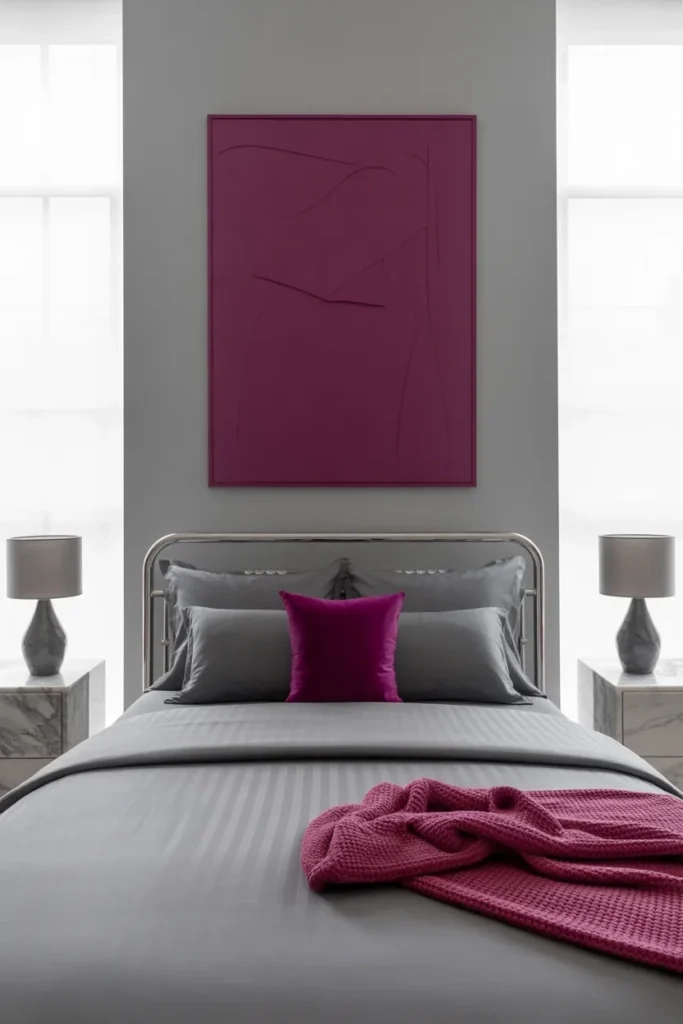
So, how do you pick the color? This is where personal preference and the desired mood come into play. Are you seeking ultimate tranquility? Soft grays, muted blues, or gentle greens are wonderful choices. For a feeling of warmth and coziness, consider earthy browns, creamy beiges, or even a soft terracotta. Want something a bit bolder but still serene? A deep forest green or a rich plum can be incredibly captivating when used monochromatically.
Remember, your bedroom is your personal retreat. Spend some time considering what colors genuinely make you feel relaxed and happy. Don’t just follow trends; follow your intuition. Test paint swatches on your walls and observe them at different times of day to see how the light affects the shade. This careful consideration will ensure your chosen hue truly resonates with you.
Lighting: The Unsung Hero of Monochrome Design
In a single-color room, lighting becomes even more critical. It’s what breathes life into your chosen shade, revealing its nuances and creating atmosphere. Harsh overhead lighting can flatten a monochromatic scheme, making it feel stark. Instead, aim for multiple light sources at different levels.
Think about soft, diffused lamps on bedside tables, an elegant floor lamp in a corner, or even subtle cove lighting. Warm-toned bulbs will enhance the cozy feel, while dimmer switches are absolute must-haves, allowing you to adjust the mood from bright and functional to dim and intimate. Good lighting can transform a monochromatic space from plain to profoundly sophisticated.
Small Details, Big Impact: Accessories and Accents
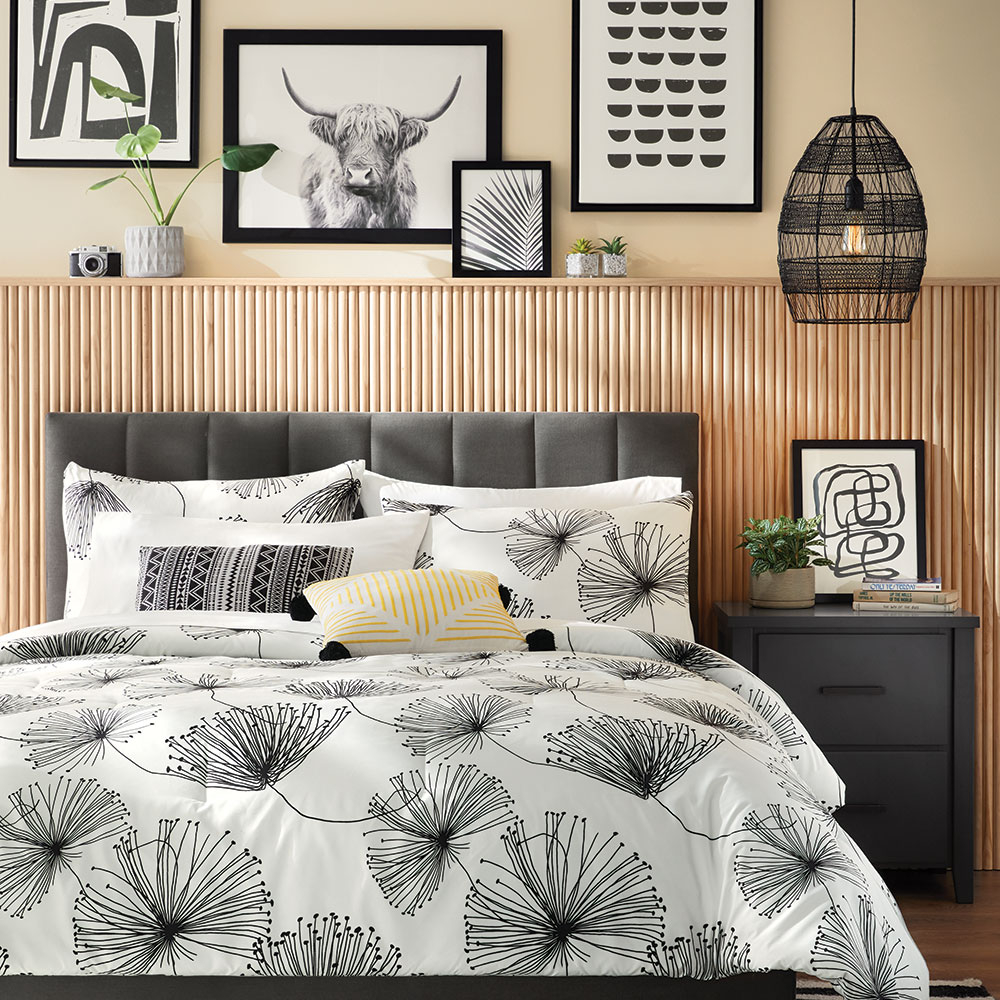
Even in a monochrome scheme, small additions can make a huge difference. While the overall palette remains consistent, you can introduce subtle variations through metallic elements like brass or matte black, or natural materials such as unpolished wood or woven baskets. These provide visual interest without clashing.
Consider adding a few plants for a touch of living green (even if your main color isn’t green, a plant adds natural texture and life). Artwork, even if it’s abstract and in a similar color family, can provide a focal point. The key is curation: each item should feel intentional and contribute to the overall feeling of peace and sophistication.
Ready to embrace the quiet power? Starting your monochrome bedroom transformation can be simpler than you might think. Here are a few practical tips for 2026:
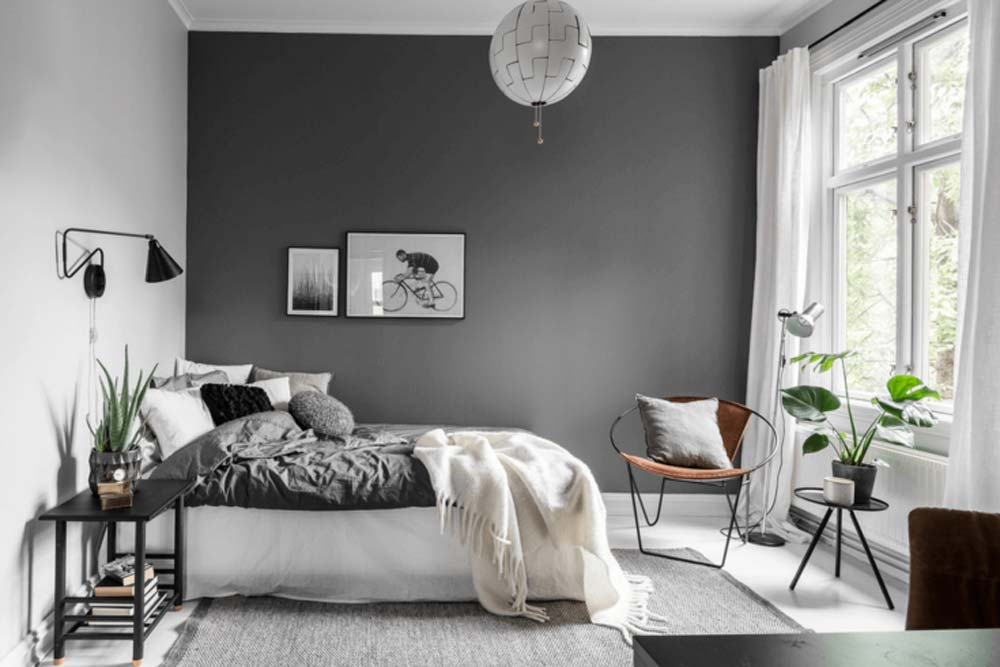
- Start with Paint: This is often the biggest visual change. Pick your anchor color and paint your walls. Don’t be afraid to try a slightly darker or lighter shade on an accent wall for subtle depth.
- Layer Bedding: Invest in high-quality bedding in various tones and textures of your chosen color. Think sheets, duvets, blankets, and decorative pillows.
- Curate Furniture: If your existing furniture doesn’t match, consider painting it or using slipcovers. Look for pieces with clean lines and simple forms.
- Add Textural Elements: Bring in rugs, curtains, throws, and decorative objects made from different materials – wool, linen, wood, metal, ceramic.
- Mindful Accessorizing: Choose decorative items thoughtfully. A single, well-chosen vase or piece of art in a complementary shade can be more impactful than many small trinkets.
The monochrome bedroom isn’t just a design trend for 2026; it’s a testament to our collective yearning for calm, order, and a genuine retreat from the relentless pace of modern existance. It’s an invitation to simplify, to breathe, and to truly rest in a space that feels utterly, beautifully yours.
By embracing a single, carefully chosen hue and layering it with rich textures and thoughtful lighting, you’re not just redecorating; you’re crafting a sanctuary. A place where the quiet power of color can truly work its magic, helping you recharge and find peace, one serene night at a time. Isn’t that something we all deserve?