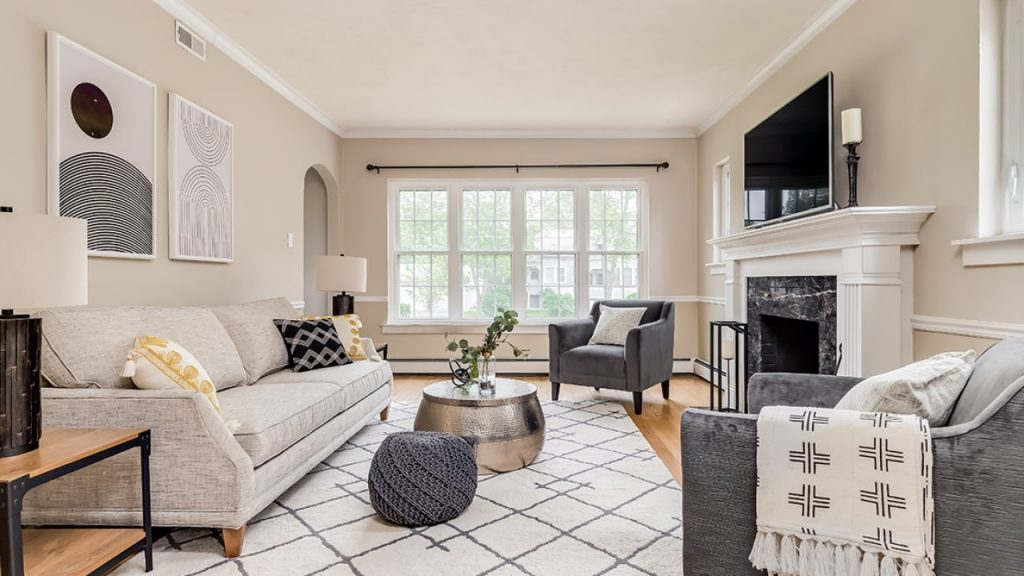
You know that feeling. You scroll through your phone, eyes glazing over as another perfectly staged living room flashes by. It’s beautiful, sure. But does it feel like you? Probably not. In 2026, we are drowning in inspiration but starving for direction. We have more access to design ideas than any generation in history, yet so many of us are stuck. We buy a mid-century chair because it’s trendy, then pair it with a farmhouse table because it was on sale, and wonder why the room feels disjointed. It’s exhausting. And expensive.
The truth is, picking a design style isn’t about memorizing the difference between Scandinavian and Japandi (though that helps). It’s about looking inward before you look outward. Experts have been saying this for years, but we rarely listen. We want the quick fix. We want the hashtag. But a home isn’t a photo op. It’s where you drink your morning coffee, where you cry after a bad day, and where you host friends who don’t care if your curtains match the rug. Before you spend another dime on decor, there are some hard truths you need to hear. Things designers wish you knew before you started tearing down walls or painting cabinets white. Let’s get real about what it actually takes to build a space that feels like home.
Your Lifestyle Is the Blueprint, Not Pinterest
It sounds obvious, right? But think about it. How many times have you chosen a piece of furniture because it looked amazing in a magazine, only to realize three months later that it’s impossible to keep clean or uncomfortable to sit on? This is the number one mistake people make. They design for a fantasy version of their life, not the actual one. If you have two dogs and a toddler, a white linen sofa might be aesthetically pleasing, but it’s a logistical nightmare. Designers wish you would start with your daily routine. Be honest. Really honest.
Do you work from home? Then your office needs to be functional and inspiring, not just a pretty backdrop for Zoom calls. Do you love cooking? Then your kitchen layout matters more than the color of the backsplash tiles. Helen Parker, creative director at deVOL Kitchens, often reminds clients to look at the architecture of their property first. Don’t force a ultra-modern kitchen into a Victorian terrace if it fights the bones of the house. Work with what you have. Your style should amplify your life, not complicate it. If you’re messy, embrace materials that hide clutter. If you’re minimalist, don’t force yourself to collect knick-knacks just to fill space. Let your habits dictate your choices.
This also means thinking about longevity. Trends move fast. In 2024, everything was curved and organic. By 2026, we’re seeing a shift back toward sharper lines and bold colors. If you base your entire renovation on what’s hot right now, you’ll be redecorating again in two years. Instead, ask yourself: Will I still love this in five years? Ten? Invest in the big ticket items—sofas, flooring, cabinetry—in neutral, timeless styles. Save the trends for the throw pillows, art, and accessories. These are easy to swap out when your taste evolves. And it will. Your taste isn’t static. Your home shouldn’t be either, but the foundation should be solid.
Stop Trying to Label Everything
Here is a secret: most professional designers don’t stick to one strict label. You won’t find many high-end homes that are 100% "Industrial" or purely "Bohemian." That’s a retail concept, not a design reality. When you try to force your home into a single box, you limit your creativity. You might see a lamp you love, but skip it because it’s "too traditional" for your "modern" living room. Stop that. The best interiors are mixes. They are curated collections of things that speak to you, regardless of their era or origin.
Think of your style as a vibe, not a category. Maybe you love the clean lines of Modernism but crave the warmth of rustic wood. That’s okay. Call it "Warm Modern" or "Rustic Chic" if you need a name, but don’t let the name rule you. In fact, some of the most interesting spaces today are what experts call "style agnostic." They prioritize mood and function over adherence to a specific rulebook. This approach takes the pressure off. You don’t have to worry if your dining chairs match your coffee table exactly. They just need to coexist harmoniously.
How do you achieve this mix without it looking like a garage sale? It’s all about balance. If you have a lot of ornate, vintage pieces, balance them with sleek, simple items to let the eye rest. If your space is very minimal, add texture through rugs, blankets, and plants to keep it from feeling sterile. Look for common threads. Maybe it’s a color palette that runs through every room. Or maybe it’s a material, like brass or oak, that appears in different forms. These subtle connections tie the space together. You create cohesion through repetition, not uniformity. So, breathe. You don’t need to pick a lane. You just need to pick what you love.
The Architecture Speaks, Listen to It
One of the biggest frustrations for designers is when clients fight the architecture of their home. You can’t turn a 1970s ranch into a Gothic castle without some serious structural changes (and a massive budget). And even then, it might not work. Your home has a personality built into its bones. The ceiling height, the window shapes, the flow of the rooms—these things matter. Ignoring them is like trying to wear a size four shoe when you’re a size ten. It’s just going to hurt.
Experts suggest starting with an audit of your space. What are its strengths? Does it have great natural light? Highlight that with sheer curtains and mirrors. Does it have charming original moldings? Restore them instead of covering them up. Does it have an awkward layout? Work with a professional to rethink the flow before you buy furniture. Helen Parker’s advice about incorporating the property’s style into your choices is gold. If you live in a historic home, lean into that history. Use colors and materials that complement the age of the building. If you’re in a new build, you have a blank slate, but that doesn’t mean you have to go cold and clinical. Add character through layering.
This doesn’t mean you can’t update or modernize. Of course you can. But do it respectfully. Updating a kitchen in an old home doesn’t mean ripping out all the character. It might mean installing modern appliances behind custom panels that match the existing cabinetry. It means choosing fixtures that bridge the gap between old and new. When you respect the architecture, your design choices feel intentional and grounded. They feel like they belong. When you fight it, the space feels tense. Visitors might not know why, but they’ll feel it. Something is off. Trust the house. It knows what it wants to be.
Color Is Emotional, Not Just Decorative
We often treat paint like an afterthought. We pick a color because it’s popular or because it looks good in the store. But color is powerful. It changes how a room feels. It affects your mood. In 2026, we are moving away from the all-white everything trend that dominated the 2010s. People are craving warmth, depth, and personality. But choosing the right color is tricky. It’s not just about the hue. It’s about the light.
Never, ever pick a paint color without testing it in your home. Paint a large swatch on the wall. Watch it throughout the day. How does it look in the morning light? At noon? Under artificial light at night? Colors shift dramatically depending on the time of day and the direction your windows face. A north-facing room will make cool colors look colder and warm colors look muted. A south-facing room will intensify everything. Designers spend hours getting this right. You should too. It’s the cheapest way to transform a space, but also the easiest to mess up.
Also, consider the emotional impact. Blue is calming, yes, but a dark navy can feel cozy and intimate in a bedroom while feeling oppressive in a small hallway. Yellow is cheerful, but too much can be anxiety-inducing. Think about how you want to feel in each room. Do you want energy in the kitchen? Try a warm terracotta or a vibrant green. Do you want relaxation in the bedroom? Go for soft neutrals or muted blues. And don’t be afraid of dark colors. A dark accent wall or a painted ceiling can add drama and sophistication. Just make sure you have enough light to balance it. Color is a tool. Use it wisely.
Budget for the Invisible Things
Here is the part nobody talks about on Instagram. The stuff you don’t see is often more important than the stuff you do. Lighting, hardware, textiles, and layout. These are the invisible engines of good design. You can have the most expensive sofa in the world, but if the lighting is harsh and flat, the room will look cheap. You can have beautiful cabinets, but if the handles are flimsy and uncomfortable, you’ll hate using them. Experts wish you would allocate your budget differently. Spend less on trendy decor and more on quality basics.
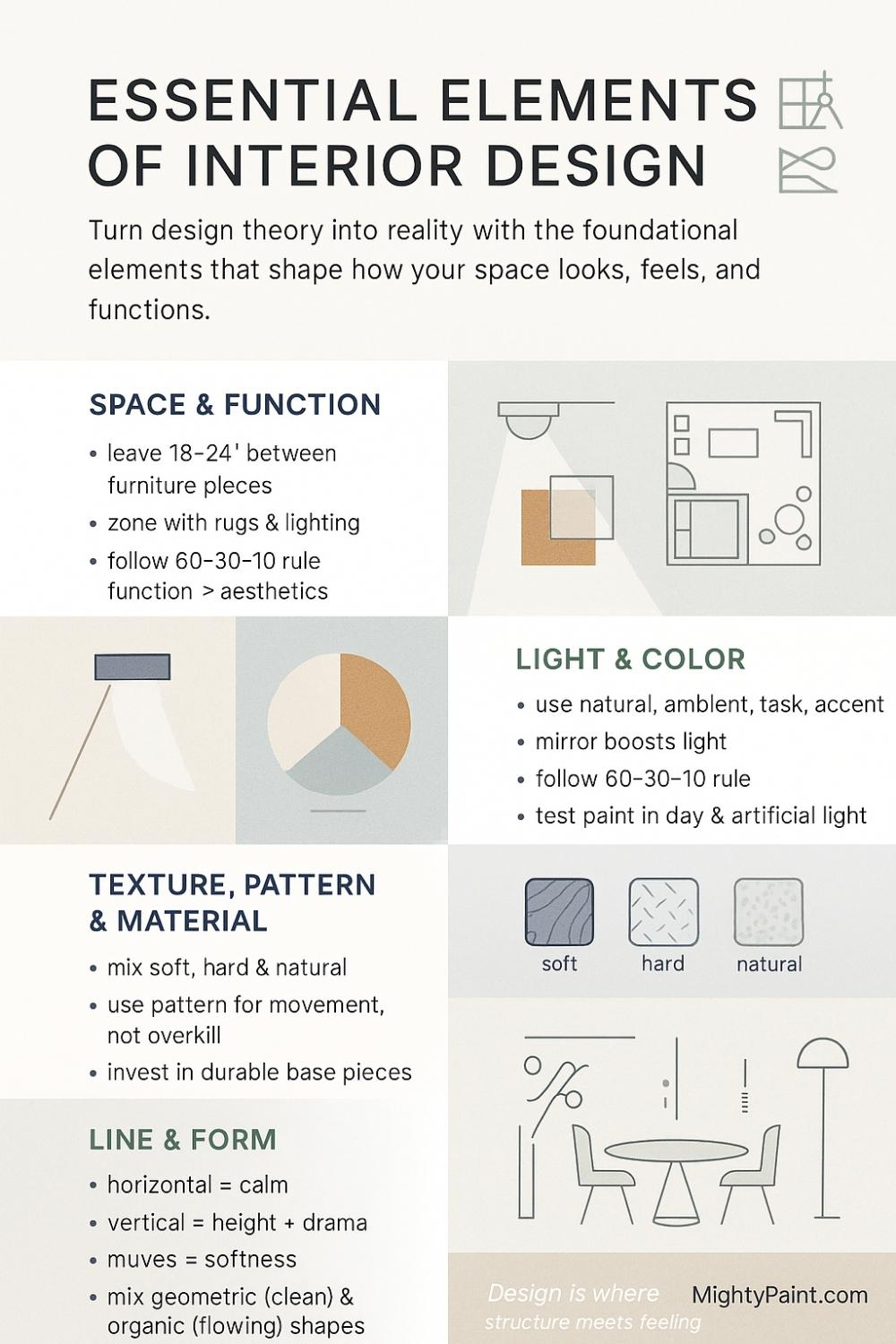
Lighting is huge. Most homes rely on a single overhead light. This is a design crime. Layer your lighting. Use ambient light for general illumination, task light for working and reading, and accent light to highlight art or architectural features. Dimmers are your best friend. They allow you to change the mood of a room instantly. And please, check the color temperature of your bulbs. Stick to 2700K-3000K for a warm, inviting glow. Anything higher looks like a hospital.
Then there’s scale. This is where most DIYers fail. They buy furniture that is too small for the room because they are afraid of overcrowding. But a tiny rug in a large living room makes the whole space feel disjointed and cheap. A massive sofa in a small apartment blocks flow and feels oppressive. Measure everything. Twice. Use painter’s tape to map out furniture sizes on the floor before you buy. Visualize the space. And don’t forget the vertical space. Hang your curtains high and wide to make ceilings feel taller. These small adjustments cost nothing but make a massive difference. They are the secrets that separate a decorated room from a designed one.
Finally, let go of the idea that your home needs to be "finished." It never will be. And that’s a good thing. A home that looks too perfect feels like a museum. It’s stiff. Uninviting. People are afraid to sit down. They are afraid to spill wine. Real life is messy. Your home should reflect that. Leave some space for growth. For new finds. For mistakes. Some of the best design moments come from happy accidents. A chair you found on the curb. A painting your kid made. A vase you bought on vacation. These things have soul.
In 2026, the concept of "slow decorating" is gaining traction. It’s the antidote to fast furniture and impulse buys. It means taking your time. Living in a space for a while before deciding what it needs. Maybe you realize you need more seating in the corner. Or maybe you discover you hate the rug you bought. That’s okay. Return it. Donate it. Learn from it. Design is a process, not a destination. It evolves as you do. Your home in five years should look different than it does today. It should tell the story of your life during that time.
So, don’t rush. Don’t stress about matching every detail. Focus on creating a space that feels good. A space that supports your life. A space that makes you happy to walk through the door. That’s the only metric that matters. Not likes. Not trends. Not labels. Just you. If you can achieve that, you’ve succeeded. Everything else is just noise. Keep it simple. Keep it real. And keep it yours.