For years, our social feeds have been flooded with the exact same image. You know the one: a pristine, snow-white living room with a single beige sofa, one carefully placed monstera plant, and absolutely zero signs of actual human life. It’s the minimalist ideal, and it has dominated global design conversations for over a decade. But honestly, does anyone actually live like that.
As we move through 2026, a massive shift is happening right under our noses. People are getting tired of living in homes that look like sterile art galleries. When you look past the glossy magazine covers, you find that global home design is incredibly diverse, deeply personal, and rarely relies on throwing everything you own into the trash. Let’s take a look at how different cultures actually set up their sanctuaries.
The Flaw in the One-Size-Fits-All Look
The biggest issue with global minimalism is that it assumes everyone around the earth needs the exact same environment to find peace. We’ve been told that less is always more, but that idea completely ignores local climates, family structures, and cultural history. A bare, open-concept layout might make sense in a quiet Nordic suburb, but try applying that to a bustling multi-generational home in Mumbai or a compact apartment in Tokyo. It just doesn’t work.
In reality, the way we decorate is a direct response to our surroundings. Our homes are meant to protect us from the outside world while celebrating our identities. When we force a single style onto every culture, we lose the beautiful, chaotic stories that make regional design so fascinating in the first place.
Japan: More Than Just Marie Kondo
When Westerners think of Japanese design, they usually think of extreme decluttering. But if you visit a real home in Kyoto or Tokyo, you will see a much different reality. Space is at a premium, yes, but instead of empty rooms, you’ll find an incredible use of hidden storage and multi-functional items. It’s not about owning nothing; it is about respecting what you do own.
Take the concept of wabi-sabi, which celebrates imperfection and aging. A truly traditional Japanese space values a cracked ceramic bowl repaired with gold or a wooden table showing years of use. This isn’t cold minimalism. It’s a warm, deeply emotional connection to daily objects that tells a story over time.
Scandinavia: Cozy Comfort Over Empty Spaces
We often blame Sweden and Denmark for launching the minimalist craze, but locals will tell you that the true spirit of Nordic design is all about hygge (coziness) and lagom (just the right amount). Because winters there are incredibly long and dark, homes are built to maximize warmth and light. This means plenty of plush blankets, flickering candles, and soft textures.
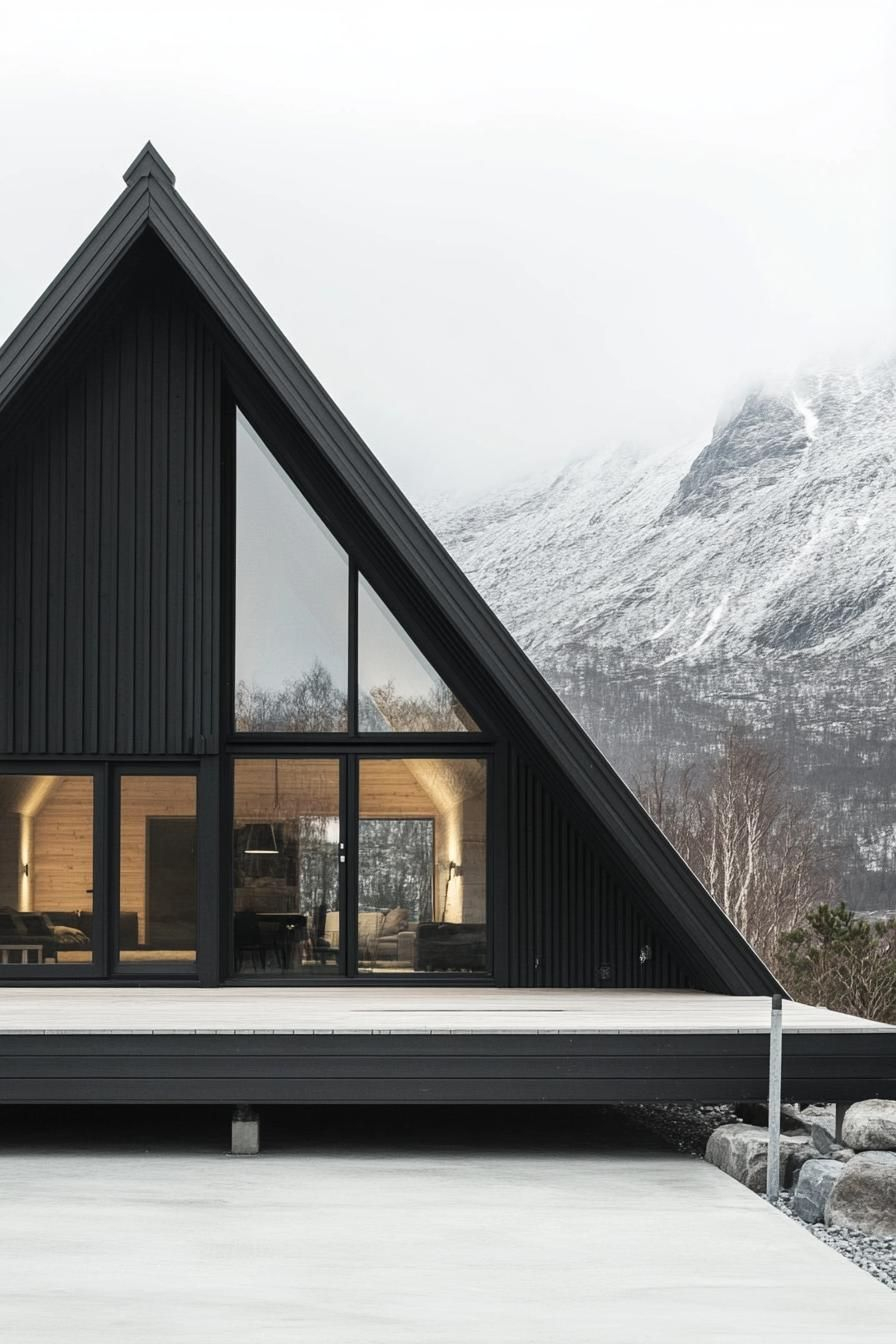
It’s not about stripping a room down to the bare bones to look cool. It’s about creating a survival kit against the freezing weather outside. A Scandinavian home focuses heavily on natural wood and soft rugs because those materials physically and visually warm up a space when it’s gray outside.
India: The Joy of Maximalism and Color
On the other side of the spectrum, Indian interior design completely embraces sensory richness. Walk into a family home in Delhi and you’re greeted by a symphony of brass fixtures, hand-woven textiles, and vibrant hues like saffron and turquoise. It is a style deeply rooted in hospitality and community, meant to welcome large gatherings of friends and extended relatives at any moment.
Every item in these spaces usually holds a deep cultural or spiritual meaning, from carved wooden partitions to ancestral artwork. Instead of hiding possessions away, Indian design displays them proudly as symbols of heritage and connection, proving that an abundance of belongings can bring immense joy and comfort.
Latin America: Merging Nature with Indoor Living
In places like Mexico and Brazil, the boundary between the indoors and the outdoors is beautifully blurred. Architecture in these regions frequently revolves around central courtyards, large open windows, and covered patios. The goal isn’t to create a closed-off, sterile cube, but to let the local climate and greenery flow right through the house.
You’ll see plenty of terracotta tiles, exposed brick, and locally sourced stone. The colors used often mimic the surrounding landscape—earthy browns, deep forest greens, and sun-washed yellows. It’s a vibrant, tactile approach to living that emphasizes fresh air and natural textures over sleek, synthetic minimalism.
North Africa: Intricate Patterns and Gathering Hubs
Moroccan design is famous worldwide, but its true heart lies in how spaces are structured for socialization. Living rooms are typically arranged around low-slung, heavily cushioned seating areas designed for hours of sipping mint tea and chatting. The focus is entirely on community comfort rather than sharp, geometric lines.
The beauty here is found in the details—hand-carved plasterwork, geometric tile mosaics, and heavily patterned wool rugs. These elements require incredible craftsmanship and are passed down through generations. It shows that complexity and detail can create an atmosphere that feels incredibly grounded and peaceful, without needing to be empty.
So, how do you take these global insights and use them in your own place. You don’t need to completely renovate your house to look like a Moroccan riad or a Swedish cabin. The real lesson here is to stop listening to strict design rules and start focusing on what actually makes you feel at ease.
- Try mixing different textures like rough wood, smooth ceramics, and woven fabrics.
- Choose colors that evoke a specific feeling you want, rather than just choosing white because it’s trendy.
- Display items that have personal meaning to you, like travel souvenirs or family heirlooms.
Ultimately, the minimalist myth is crumbling because people want their homes to feel human again. By looking at how the rest of the world decorates, we can see that there are countless ways to create a beautiful life. Your home should be a reflection of who you are, not a replica of a social media feed.