Have you noticed how rooms are starting to feel less like cold art galleries and more like a warm hug? If you have been sensing a quiet shift in the design world lately, you are definitely not imagining things. The clinical whites and sharp, sterile grays that dominated the past decade are packing their bags, making room for something far more comforting.
This year, in 2026, designers are completely obsessed with a fresh approach that pairs tactical layering with rich, earth-born color palettes. It is a design movement that doesn’t just ask you to look at a space—it invites you to feel it, live in it, and find comfort within its depth. Let’s dive into how this gorgeous, grounded aesthetic is changing the way we think about our homes.
Stepping Away From the Great Cold
For years, the design handbook told us that minimalism meant stripping things down until almost nothing was left. We ended up with pristine, bright white walls and polished surfaces that looked incredible in photographs but felt a little soulless to actually inhabit. People are tired of feeling like they can’t leave a coffee cup on the table without ruining the entire vibe.
In 2026, we are witnessing a beautiful rebellion against that starkness. Clients are actively demanding spaces that offer emotional security and a genuine connection to nature. The focus has completely shifted from creating high-gloss spectacles to designing environments that look settled rather than styled, celebrating the small imperfections that make a house feel alive.
Demystifying Tactical Layering
So, what do we actually mean when we talk about tactical layering. It sounds like military jargon, but in the context of interior design, it is all about the deliberate, structured building of depth. Instead of just picking a single paint color and a matching sofa, designers are stacking different visual and tactile elements to create a rich, three-dimensional experience.
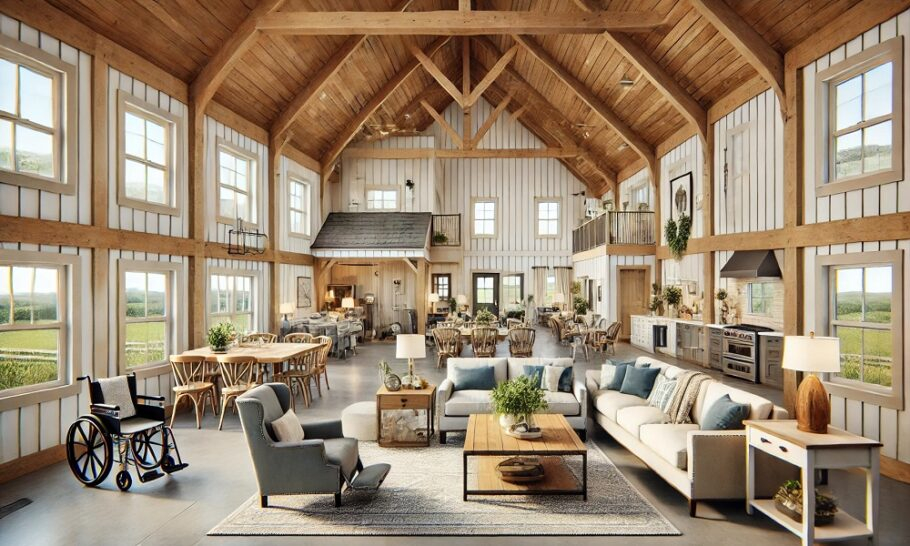
Think of it as building an outfit for a chilly autumn day. You start with a base layer, add a textured sweater, and top it with a durable coat. In a living room, tactical layering means mixing raw wood grain against matte plaster walls, then adding heavy linen drapes and a chunky wool rug. Each piece serves a specific purpose, working together to block out the chaotic outside world.
The Return of the Earthy Palette
The colors taking over this year are pulled straight from the landscape. We are talking about rich tobacco browns, warm terracotta, deep forest moss, and chalky mineral tones. Even Pantone’s choice of Cloud Dancer as a soft, meditative white shows our collective craving for quiet, gentle spaces.
These are not the flat, muddy browns of the early 2000s builder-grade kitchens, though. Today’s earthy tones have incredible depth, often featuring subtle undertones of charcoal or warm gold. They act as the new neutrals, replacing cool gray with shades like camel, mushroom, and soft taupe that instantly make a room feel cozy and expensive.
Material Integrity and Texture
Color cannot do all the heavy lifting on its own in 2026; it needs to be carried by authentic materials. Designers are turning to hand-hammered metals, artisan concrete, and natural fibers like wool to bring tonal variation into a space. A painted wall looks fine, but a textured plaster wall finished in the exact same shade reacts with natural light in a completely different way.
This focus on material integrity means that small variations are no longer hidden away. The natural knots in a piece of reclaimed timber or the slight color shifts in a batch of handmade terracotta tiles are celebrated. It is these little variations that give a room its soul and stop it from looking like a generic showroom.
The Total Immersion of Color Drenching
One of the coolest strategies we are seeing everywhere right now is color drenching. This involves taking a single, saturated hue—like a deep, inky green or a rich burgundy—and applying it to absolutely everything in a room. The walls, the baseboards, the doors, and even the ceiling get the exact same treatment.
The result is an incredibly enveloping, cocoon-like atmosphere that turns an ordinary room into a full sensory experience. It breaks up the traditional boundaries of a space, making small rooms feel larger and large rooms feel infinitely more intimate. When paired with brass hardware or dark wood furniture, the effect is pure luxury.
You don’t need to completely gut your house to embrace this beautiful shift. Start by evaluating your current palette and trading out your brightest white lightbulbs for warmer options to see how your spaces change. Try layering tone-on-tone textiles, like placing a camel-colored throw blanket over a rich brown leather armchair.
Another easy step is to incorporate natural stones or mixed metals in small doses. Swap out a standard polished chrome faucet for a matte brass or an etched steel option to add that sought-after artisanal touch. Look for pieces that prioritize comfort and soft, organic silhouettes over sharp, clinical angles.
Ultimately, this movement is a reminder that our homes should be our personal sanctuaries. By combining the smart structure of tactical layering with the soothing embrace of earthy colors, you can create a home that feels timeless, deeply personal, and ready for whatever life throws your way. It is all about loving the space you live in.