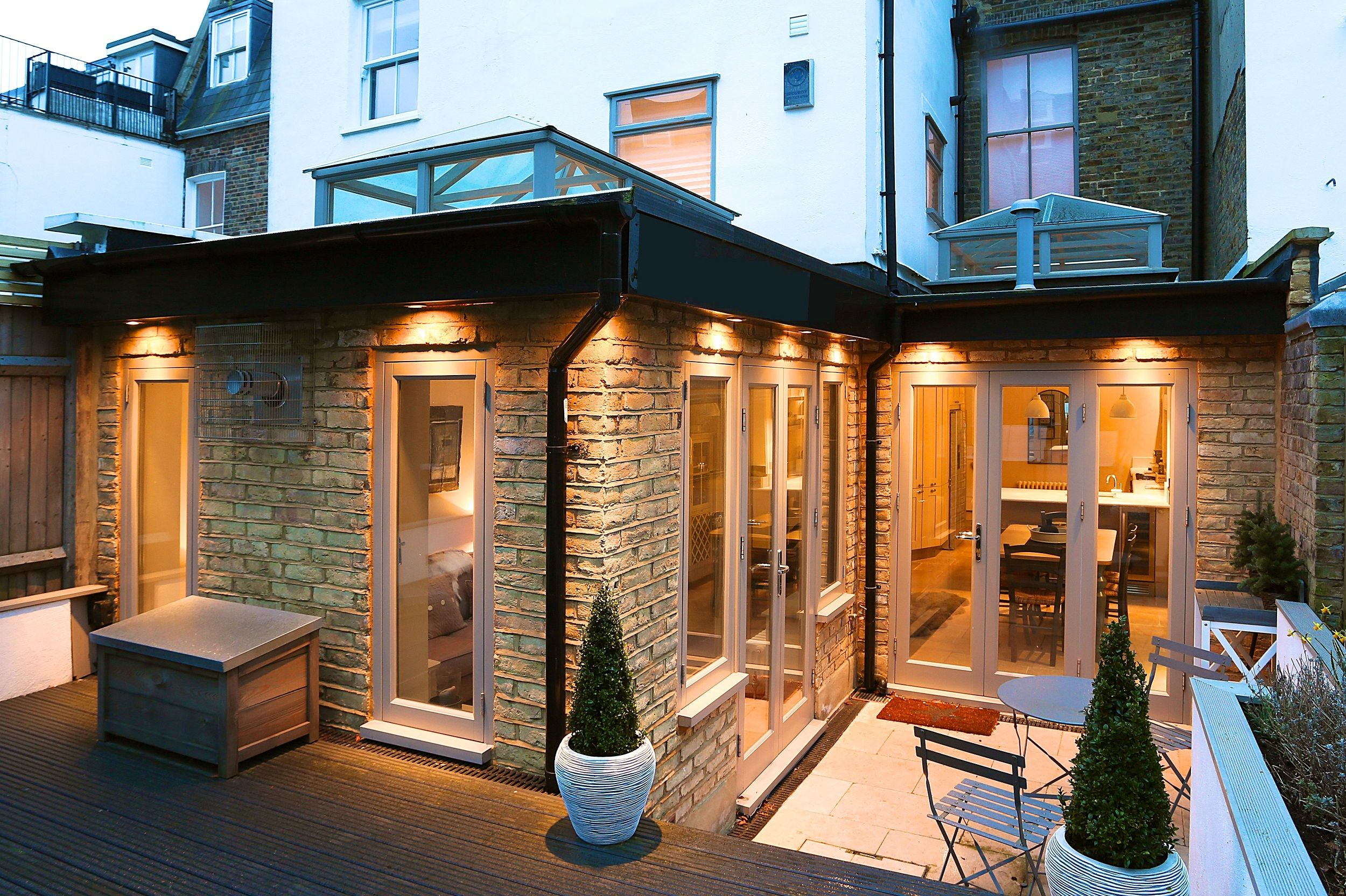
You know that feeling when you walk into a room and just… exhale? It’s not because everything is white or empty. It’s because the space feels like it knows you. For the last few years, we’ve been chasing a look called "quiet luxury." It started as a reaction to the loud, logo-heavy excess of the previous decade. But here we are in 2026, and the conversation has shifted. It’s no longer just about looking expensive without trying. It’s about feeling grounded.
Some critics are saying the trend is dead. They point to Pinterest boards filled with beige voids and declare it over. But they’re missing the point. Quiet luxury didn’t die; it grew up. It shed its skin. What we’re seeing now isn’t the cold, curated museum look of 2023. It’s warmer. It’s messier, in the best way. It’s about materials that age well and spaces that prioritize how you actually live, not just how you post on Instagram.
This year, the focus is firmly on texture over trend. We are seeing a move away from the stark, clinical minimalism that often got confused with quiet luxury. Instead, designers are editing with intention. They keep what matters. They toss the rest. It’s a subtle distinction, but it changes everything. A room can still be colorful. It can even be ornate. But the key is restraint. Every piece has a reason to be there.
The Great Misunderstanding: Editing vs. Stripping
Let’s clear up a common mix-up right away. Quiet luxury is not minimalism. Minimalism is about subtraction. It’s about removing until you can’t remove anything else. It can feel sparse. Cold, even. Quiet luxury, on the other hand, is about curation. It’s an act of editing, not stripping. Think of it like a really good wardrobe. You don’t throw out all your clothes. You keep the ones that fit perfectly, feel amazing against your skin, and make you feel confident.
In interior design, this means a room can be layered. It can have history. You might have a vintage rug that’s seen better days, paired with a sleek, modern sofa. The contrast creates interest. The "luxury" part comes from the quality of those items and the thoughtfulness behind their placement. It’s not about having less stuff. It’s about having better stuff. And knowing the difference is crucial if you want to get this look right in your own home.
Designers are emphasizing that this approach allows for personality. In 2025, we saw a lot of earth-toned restraint. That’s still here, but it’s softer. It’s not just beige on beige. It’s terracotta, olive, deep charcoal, and warm woods. The goal is harmony, not monotony. When you walk into a space designed with this philosophy, you shouldn’t notice the design first. You should notice how comfortable you feel. That’s the whisper of elegance. It doesn’t shout. It invites.
Texture is the New Color Palette
If you take one thing away from this, let it be this: touch matters. In a world where we spend so much time staring at screens, our homes need to engage our other senses. Visuals are flat. Texture is deep. This year, we’re seeing a huge emphasis on materials that invite you to reach out and touch them. Think bouclé fabrics that have been around for a while, but now paired with rough-hewn wood, polished stone, and handmade ceramics.
The shift is toward warmth. In 2025, the trend was defined by earth tones and refined materials. But in 2026, it’s about how those materials interact. A smooth marble countertop feels different next to a cabinet with a visible grain. A linen curtain drapes differently than a synthetic blend. These small details add up. They create a sensory experience that feels rich and indulgent, even if the color palette is neutral. It’s understated opulence.
This focus on texture also helps solve the problem of "sterile" interiors. Many people tried quiet luxury and ended up with spaces that felt like hotel lobbies. By layering textures, you add depth. You add soul. A chunky knit throw on a leather chair. A woven basket holding magazines. These aren’t just decor items. They’re tactile anchors. They ground the space. They make it feel lived-in. And isn’t that what a home is supposed to be?
The Rise of "Found Luxury" and Character
Here’s where it gets interesting. Some industry voices are declaring that strict quiet luxury is out. They’re talking about a new trend called "found luxury." It sounds fancy, but it’s actually quite simple. It’s about character reigning over curation. It’s the idea that the most luxurious thing you can have is something with a story. Something that wasn’t bought off a showroom floor in a set.
This aligns perfectly with the evolution of quiet luxury. It’s not a rejection of the principle; it’s an expansion. "Found luxury" embraces the eclectic. It mixes high-end pieces with flea market finds. It values the imperfections. A chipped vase becomes a focal point because of its history. A mismatched set of chairs adds charm. This approach makes the space feel personal. It feels like you.
In 2026, homeowners are moving away from the "perfect" look. They want spaces that reflect their lives. This means more eclectic interiors. More color, maybe. More pattern. But the underlying principle of quiet luxury remains: quality and intention. You’re not just throwing things together. You’re curating a collection. The "quiet" part is the confidence to let these disparate elements coexist without chaos. It’s a sophisticated balance.
Sustainability as the Ultimate Luxury
We can’t talk about modern interiors without talking about sustainability. And honestly, quiet luxury and sustainability go hand in hand. The core of this trend is buying less, but buying better. It’s about investing in pieces that will last for decades, not seasons. This is a massive shift from the fast-furniture culture that dominated the early 2010s. People are tired of replacing sofas every five years.
This mindset change is reshaping how Americans shop for their homes. There’s a growing appreciation for craftsmanship. For local artisans. For materials that are sourced responsibly. When you buy a solid wood table made by a local carpenter, you’re not just getting furniture. You’re getting a piece of art. You’re supporting your community. And you’re reducing waste. That feels good. It adds a layer of moral luxury to the aesthetic one.
In 2026, this is more than a buzzword. It’s a requirement for many designers. They’re looking for timeless appeal. They’re avoiding trends that will look dated in two years. This aligns with the quiet luxury ethos of timelessness. A well-made chair never goes out of style. A natural fiber rug ages beautifully. By focusing on these principles, homeowners create spaces that are not only elegant but also ethical. It’s sophistication with a conscience.
Practical Steps to Bring It Home
So, how do you actually do this? You don’t need a massive budget. You don’t need to gut your house. Start with editing. Walk through your rooms. Look at each item. Does it serve a purpose? Do you love it? If the answer is no, let it go. This isn’t about minimalism. It’s about clearing the clutter so the things you love can shine. It’s about making sure each decision is deliberate.
Next, focus on lighting and textiles. These are the easiest ways to add warmth. Swap out harsh overhead lights for lamps with soft, warm bulbs. Add layers of rugs. Mix materials. If you have a leather sofa, add wool pillows. If you have wood floors, add a plush area rug. These small changes soften the edges of a room. They make it feel inviting. They create that "exhale" moment we talked about.
Finally, embrace imperfection. Don’t worry if your shelves aren’t perfectly symmetrical. Don’t stress if your art doesn’t match exactly. Let your home reflect your life. Display books you’ve actually read. Put out flowers from your garden. Use the good plates on a Tuesday. Quiet luxury is about effortless sophistication. It’s about living well, not just looking well. And that’s something anyone can achieve, regardless of budget.
As we move further into 2026, the definition of luxury continues to evolve. It’s becoming less about status and more about well-being. Our homes are our sanctuaries. They’re where we recharge. Where we connect with family. Where we find peace. The quiet luxury trend, in its current form, supports this. It creates environments that are calm, beautiful, and functional.
This isn’t a fleeting fad. It’s a response to a chaotic world. People are craving stability. They’re craving authenticity. They want their homes to feel real. The shift from "curated" to "character-driven" shows that we’re maturing as a design culture. We’re learning that true luxury isn’t about impressing guests. It’s about comforting yourself.
So, is quiet luxury dead? No. It’s just quieter. It’s more human. It’s less about following rules and more about finding what works for you. Whether you call it quiet luxury, found luxury, or just good design, the goal is the same. Create a space that feels like home. A space that whispers elegance. A space that lets you breathe. And in today’s world, that’s the greatest luxury of all.