You know that feeling. You crawl into bed, exhausted, ready to crash. But instead of drifting off, you’re staring at the ceiling, wide awake. Maybe it’s stress. Maybe it’s that second cup of coffee too late in the day. But have you ever stopped to consider the light? Not just the big overhead fixture, but the tiny LEDs blinking on your TV, the streetlamp glow sneaking through the curtains, or the harsh blue hue of your phone screen? It’s easy to overlook, yet these subtle intruders are likely wrecking your rest without you even realizing it.
We live in a world that never really turns off. Our bedrooms, once sanctuaries of darkness, are now filled with gadgets and ambient glows that confuse our bodies’ natural clocks. The good news? You don’t need to turn your room into a pitch-black cave or spend a fortune on a renovation. Fixing your sleep environment is often about noticing the small things we’ve learned to ignore. Let’s walk through the essential checks that can help you reclaim your nights.
The Science of Light and Your Body Clock
Your body has an internal clock, known as the circadian rhythm, that tells it when to be alert and when to wind down. This system is heavily influenced by light. When your eyes detect bright, cool-toned light (like sunlight or LED bulbs), your brain suppresses melatonin, the hormone that makes you sleepy. This is great for mornings but terrible for bedtime. In 2026, we’re more aware than ever that even small amounts of light at the wrong time can interfere with this delicate process.
Modern bedrooms are full of light sources we barely notice anymore. A charger light, a smart speaker display, or the standby light on a monitor might seem insignificant, but to your brain, they signal "daytime." This constant low-level exposure keeps your melatonin levels suppressed, making it harder to fall asleep and reducing the quality of deep sleep you get. Understanding this biological reaction is the first step toward fixing it. It’s not just about aesthetics; it’s about creating an environment your body recognizes as safe and restful.
Check Your Bulb Color Temperature
Not all light is created equal. The color temperature of a bulb, measured in Kelvins (K), plays a huge role in how it affects your sleep. Daylight bulbs (5000K-6500K) are bright and blue-rich, perfect for offices or kitchens where you need focus. But in the bedroom? They’re a disaster. They trick your brain into thinking it’s noon, keeping you alert when you should be winding down.
Instead, look for warm white bulbs, ideally in the range of 2200K to 2700K. These emit a soft, amber glow similar to sunset or candlelight, which is much less likely to disrupt melatonin production. If you’re still using those harsh, cool-white bulbs in your bedside lamps, swap them out. It’s one of the cheapest and most effective changes you can make. Many people report feeling calmer and sleepier just by switching to warmer tones in the evening hours.
Tame the Tech Glow
Let’s be honest: most of us bring our phones into the bedroom. Whether it’s for an alarm, a last-minute scroll, or reading, our devices are constant sources of blue light. Even if you’re not actively using them, many gadgets have status lights or screens that stay on. In 2026, smart home devices are everywhere, and while they’re convenient, their default settings often prioritize visibility over sleep hygiene.
Start by checking every device in your room. Does your TV have a standby light? Cover it with a small piece of electrical tape. Is your smart thermostat glowing brightly? See if you can dim it or turn off the display at night. For your phone, use "Night Shift" or "Blue Light Filter" modes, but better yet, try charging it outside the bedroom. If you must keep it nearby, place it face down and enable "Do Not Disturb." These small actions reduce the visual noise that keeps your brain on high alert.
Layer Your Lighting for Better Wind-Down
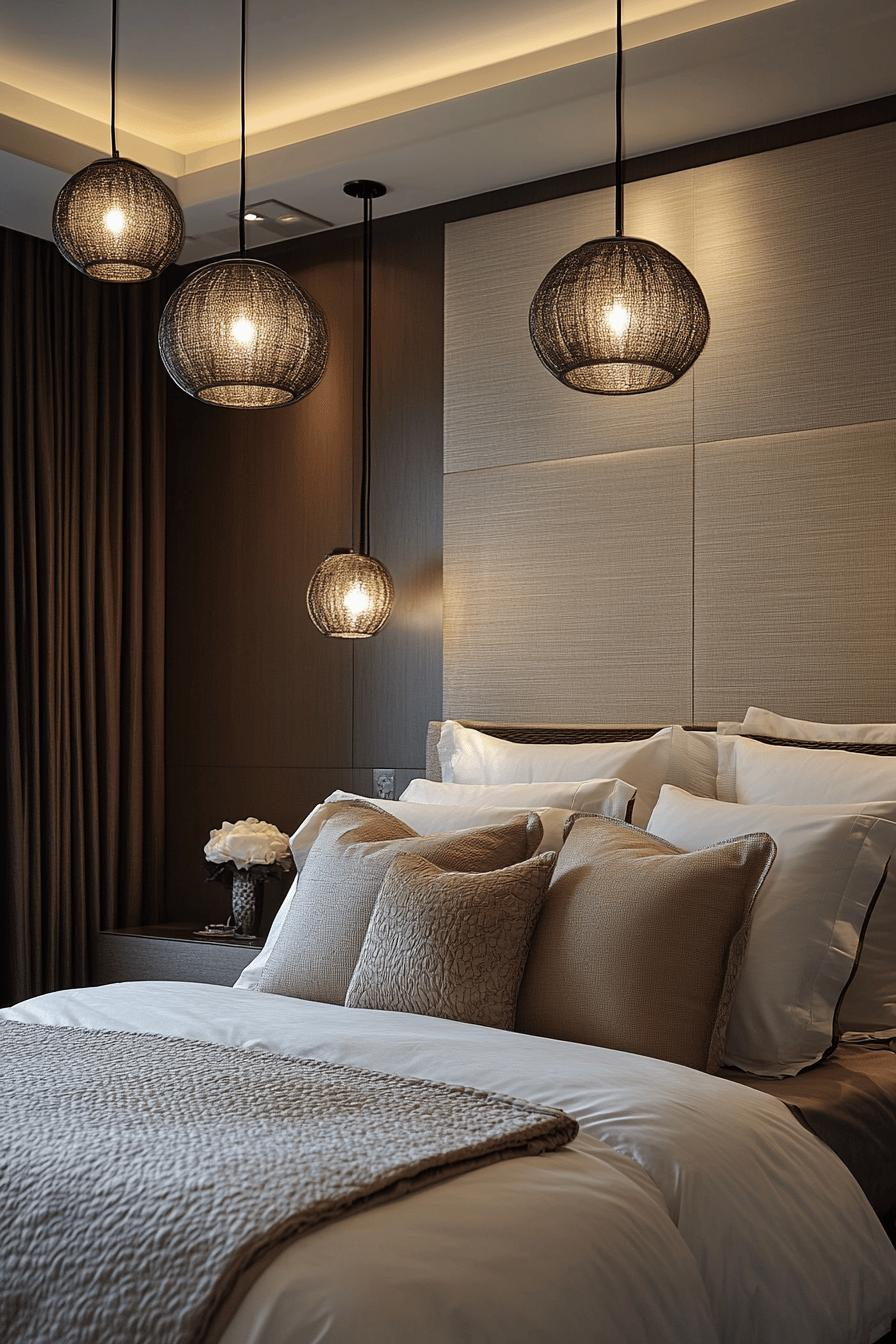
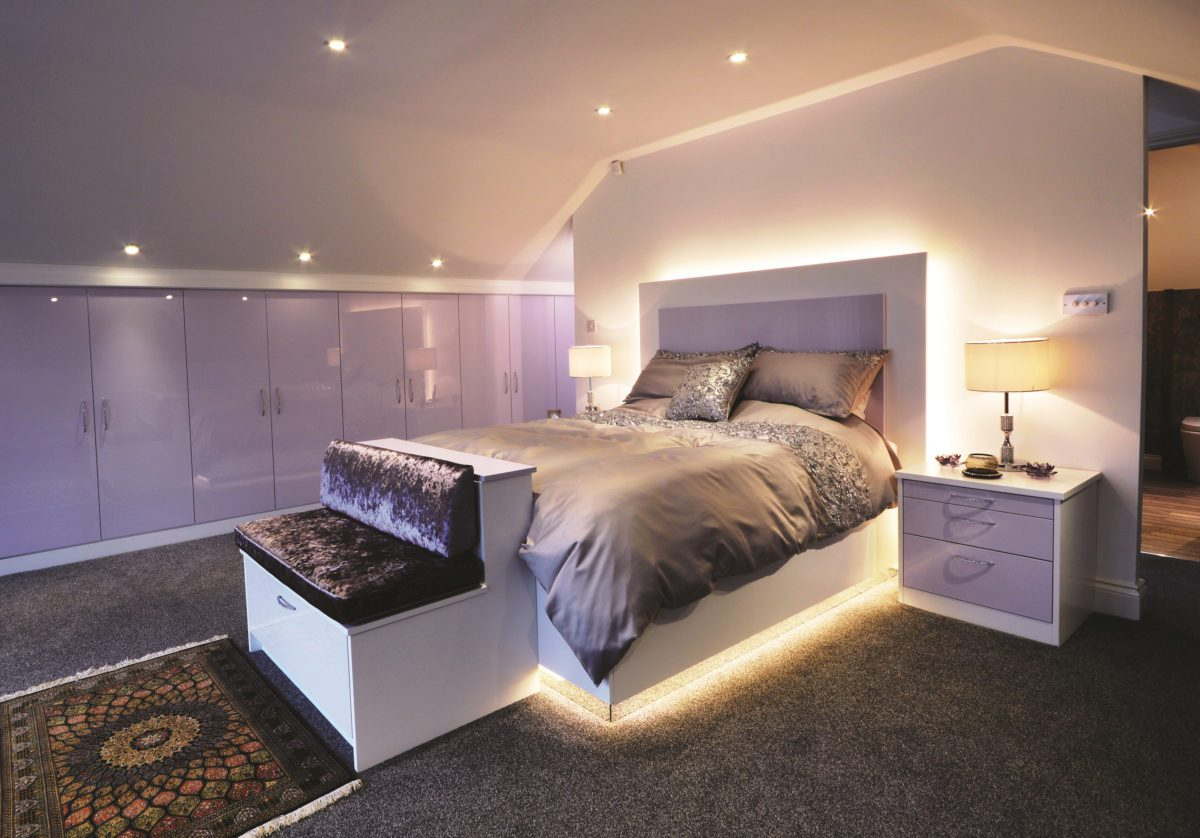
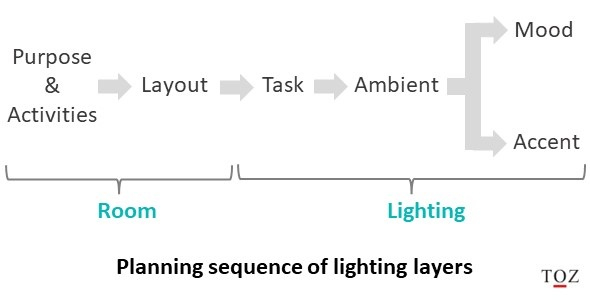
Most bedrooms rely on a single overhead light, which is often too bright and harsh for relaxation. This "one-size-fits-all" approach works against your body’s natural wind-down process. Instead, think about layering your lighting. Use multiple, softer sources that you can control independently. Table lamps, floor lamps, and wall sconces allow you to create pockets of gentle light rather than flooding the entire room.
Dimmers are your best friend here. Installing dimmer switches or using smart bulbs that can adjust brightness gives you flexibility. Start dimming the lights an hour before bed. This gradual reduction in brightness signals to your brain that it’s time to prepare for sleep. Smart bulbs are particularly useful because you can program them to automatically shift to warm white and gradually dim over the final hour before your target sleep time. It’s a set-it-and-forget-it solution that aligns perfectly with your circadian rhythm.
Block Out External Intruders
Even if you’ve perfected your indoor lighting, external light sources can still ruin your sleep. Streetlights, security lights, or early morning sun can penetrate even the thickest curtains. Light pollution is a growing concern in urban areas, and it doesn’t take much to disrupt your sleep cycle. If you wake up frequently or feel unrested, check your windows.
Blackout curtains are a classic solution, but they aren’t the only option. Consider adding blackout liners to your existing curtains, or use removable blackout shades that stick directly to the window frame. For a quick fix, a well-placed eye mask can work wonders, especially if you travel or share a room with someone who has different lighting preferences. The goal is total darkness during sleep hours. If you can see your hand in front of your face in the middle of the night, there’s still too much light.
Create a Consistent Light Routine
Lighting isn’t just about what’s in your room; it’s about when you use it. Consistency is key. Try to expose yourself to bright, natural light early in the day. This helps reset your circadian rhythm and makes you more sensitive to light cues at night. Then, as evening approaches, start transitioning to softer, warmer lighting. Avoid bright overhead lights after dinner.
Make this a ritual. Turn off the big lights, switch on the warm lamps, and maybe light a candle (safely!). This routine tells your body that the day is ending. It’s not just about blocking bad light; it’s about embracing good light at the right times. By reinforcing these natural cycles, you improve the quality of your rest and wake up feeling more refreshed. It’s a simple shift, but it can make the difference between restless nights and truly restorative sleep.
Fixing your bedroom lighting doesn’t require a complete overhaul. It’s about awareness and small, intentional changes. Swap out harsh bulbs, cover those annoying LED lights, layer your lighting with dimmers, and block out external glare. These steps are simple, affordable, and highly effective. Remember, your bedroom should be a sanctuary for rest, not a source of stimulation.
Take a look around your room tonight. What do you see? Identify the light sources that don’t belong and take action. Your body will thank you. Better sleep leads to better days, and it all starts with controlling the light. So, go ahead—dim the lights, unplug the distractions, and give yourself the gift of true darkness. You deserve it.