Ever look at a blank wall and feel like it’s judging you? You aren’t alone. We all have that one corner, that one dull hallway, or that outdated cabinet that just screams for attention. But here is the thing: you don’t need a contractor, a second mortgage, or three months of chaos to fix it. In 2026, the vibe has shifted. It’s less about tearing everything down and more about smart, surgical strikes that make a huge visual impact.
The best part? You can actually do these in a single weekend. Saturday morning coffee in hand, Sunday evening beer on the porch, admiring your handiwork. That is the dream. And honestly, it is totally achievable. Whether you are renting and need something temporary or you own the place and want to boost that curb appeal (or interior appeal), there is a project here for you. Let’s dive into the transformations that are blowing up social media and, more importantly, making real homes feel brand new.
The Architectural Wall Hack That Costs Pennies
If there is one single project defining the 2026 DIY scene, it is the MDF accent wall. Forget expensive wallpaper that peels off in humidity or paint colors that look different every hour of the day. We are talking about texture. Depth. Character. The concept is stupidly simple but looks incredibly high-end. You take basic MDF strips—yes, the cheap stuff from the hardware store that costs maybe $2 to $4 a piece—and you glue them to your wall in a pattern.
Here is why this works so well. A flat drywall surface is boring. It reflects light evenly and feels flat. But when you add those strips, you create shadows. You create rhythm. Whether you go for a classic grid, a vertical slat look, or a herringbone pattern, the result is an architectural statement that used to require custom carpentry. Now? It requires a brad nailer, some construction adhesive, a tube of caulk, and a gallon of paint. That’s it.
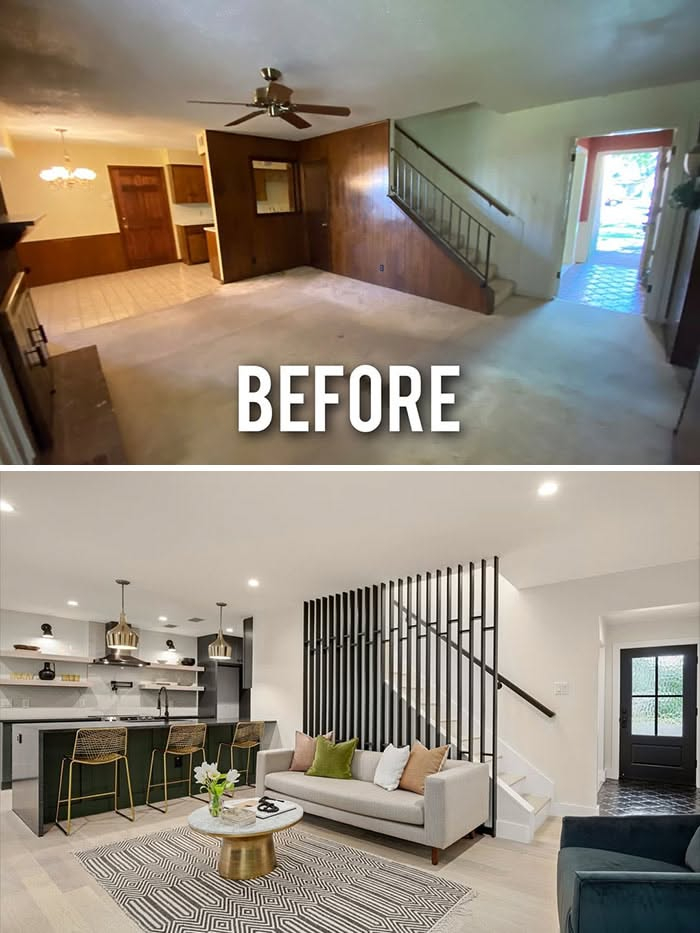
The "before" is usually a sad, beige expanse that makes a room feel small. The "after" is a feature wall that draws the eye and makes the ceiling feel higher or the room wider, depending on your orientation. Pro tip: Caulk is your best friend here. Fill those nail holes and seam lines until they disappear, then prime and paint. When you paint the whole thing one solid color—white, cream, or even a moody charcoal—the joints vanish, and it looks like built-in millwork. It is the highest ROI effort you can put in over forty-eight hours.
Renter-Friendly Magic: No Damage, All Style
Let’s be real for a second. Not everyone owns their home. Maybe you are in an apartment where drilling holes is strictly forbidden, or you just don’t want to deal with patching plaster when you move out in two years. Does that mean you are stuck with ugly fixtures and bland spaces? Absolutely not. The 2026 trend list is heavy on "renter-friendly tricks," and they are genius.
Think about lighting. Swapping out a generic boob light fixture for something sculptural and modern can change the entire mood of a room. Most landlords won’t mind if you save the original fixture and swap it back when you leave. Just keep the wires safe and use wire nuts properly. Another huge win? Peel-and-stick backsplashes in the kitchen or bathroom. The technology has come a long way. These aren’t the flimsy stickers from ten years ago. They have texture, they resist heat, and when you pull them off, they actually come off clean if you use a hairdryer to warm the adhesive first.
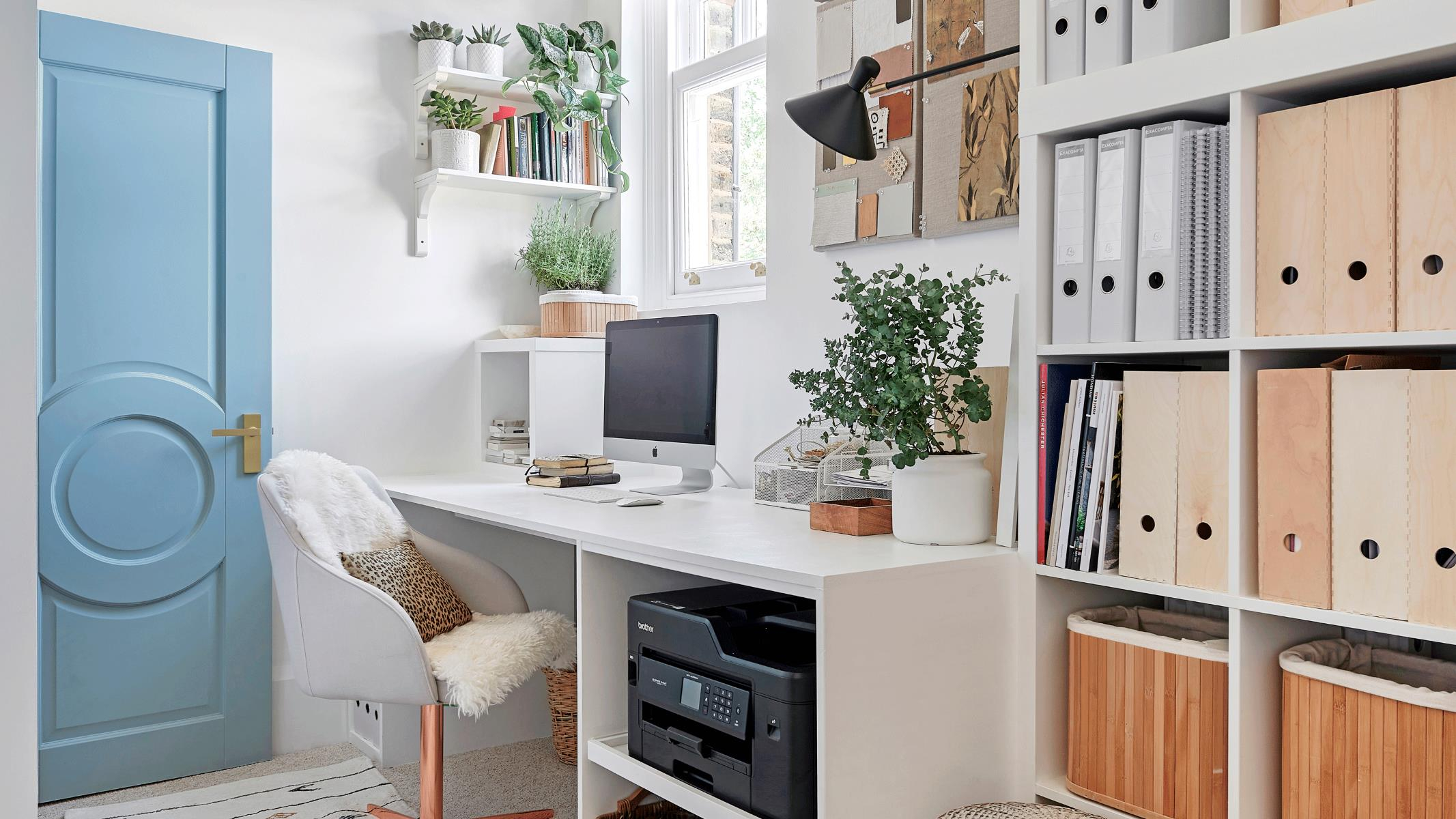
Storage is another area where renters can shine without damaging walls. Tension rods inside cabinets can double your vertical storage for baking sheets. Freestanding shelving units that anchor to the floor rather than the wall provide massive display space without a single screw in the drywall. The before shot here is usually cluttered countertops and dark corners. The after? Airy, organized, and personalized. It proves that you don’t need ownership to have style. You just need creativity and a refusal to accept the status quo.
Spa Vibes on a Shoestring Budget
We all want a bathroom that feels like a retreat. A place to decompress. But remodeling a bathroom is notoriously expensive and stressful. Tiles, plumbing, waterproofing—it is a nightmare. So, what is the 2026 alternative? Focus on the surfaces you can touch and see, and ignore the plumbing entirely. This is about creating a "spa-like" atmosphere through finishes and fixtures, not reconstruction.
Start with the vanity. Instead of ripping it out, refinish it. Sand it down, apply a high-quality primer, and paint it a deep, rich color or a crisp white. Swap out the hardware. Brass or matte black handles cost maybe $20 total but make the piece look custom. Then, look at the mirror. A large, frameless builder-grade mirror is functional but cold. Frame it with wood trim, or replace it entirely with a stylish framed mirror that adds warmth.
Lighting plays a massive role here too. Replace those harsh vanity bulbs with warm LEDs (2700K to 3000K). If you have the skill, swap the vanity light fixture for something with glass globes or brass accents. Add a wooden stool, a plush rug, and some greenery that likes humidity. The transformation is visceral. You walk in, and instead of feeling like you are in a clinical box, you feel calm. It is amazing how much psychology is tied to lighting and texture. You aren’t changing the pipes, but you are changing the experience. And that is what matters.
Dark Wood and Eco-Gardening Trends
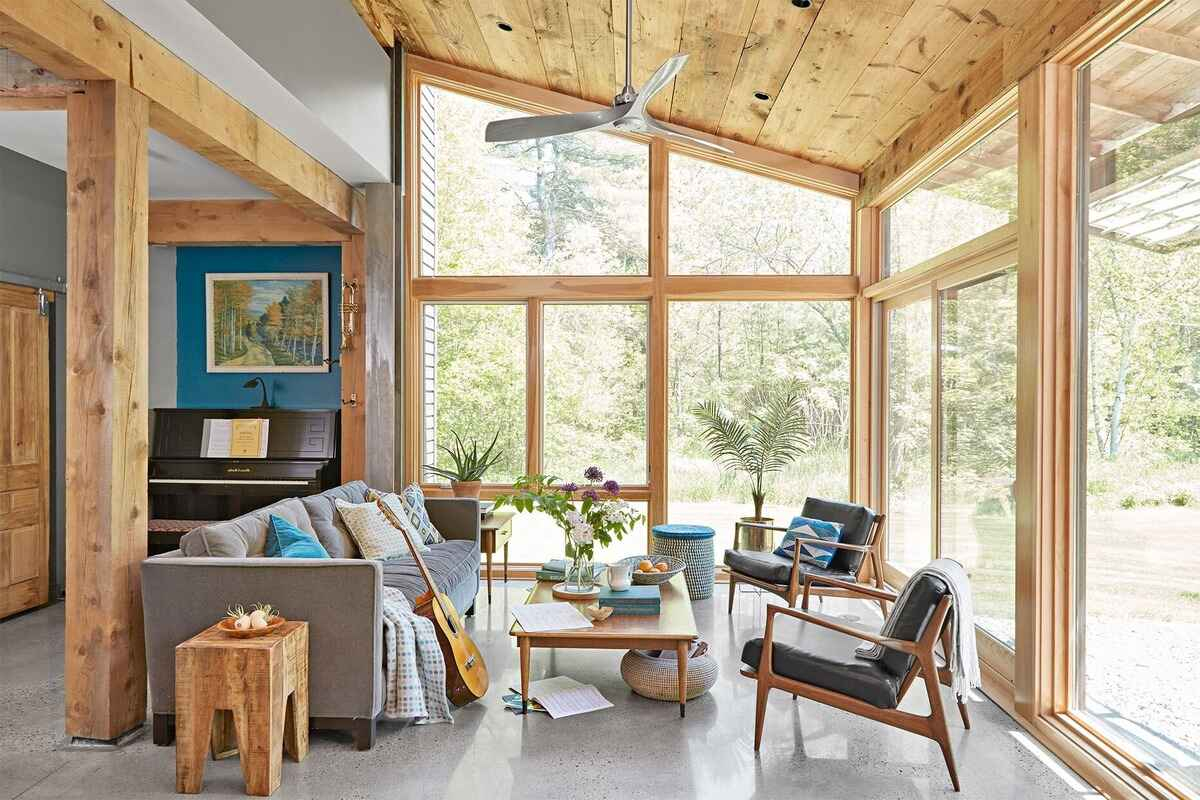
Outside the four walls, 2026 is seeing a shift toward nature and richer tones. Inside, we are seeing a resurgence of darker wood stains. For years, everything was whitewashed or light oak. Now? People are embracing walnut, espresso, and even ebony tones on furniture and trim. It grounds a space. It adds sophistication. If you have an old table or chair that looks tired, don’t toss it. Strip it and restain it darker. The grain pops, the scratches hide better, and it feels substantial.
This ties into the eco-friendly gardening trend that is huge right now. It isn’t just about planting flowers; it is about creating sustainable ecosystems. Weekend projects here include building raised beds from reclaimed wood or installing rain barrels. But let’s keep it simple for a weekend. How about refreshing your patio furniture? A good power wash, some sanding, and a coat of outdoor-rated paint in a trendy earth tone can make cracked plastic or faded wicker look brand new.
Add some native plants in terracotta pots. Native plants are key because they require less water and support local pollinators. It is a small step, but it connects your home to the environment. The before shot is often a neglected patio with faded cushions and dead plants. The after is an inviting outdoor room that feels like an extension of your living space. It is where you drink your morning coffee or unwind after work. Making that space usable and beautiful is one of the best investments of time you can make.
Clever Storage Solutions That Hide Clutter
Clutter is the enemy of peace. We all have it. Mail piles, toy explosions, tech cables everywhere. The 2026 approach to storage isn’t just about buying bins; it is about integrating storage into the architecture of your home in clever, hidden ways. This is where the "designer-level without the designer-level bill" promise really comes true.
Consider the entryway. It is usually a disaster zone. Build a simple bench with storage underneath using basic lumber. Add hooks above it for coats. Paint it to match the wall so it blends in, or contrast it to make it a feature. Suddenly, shoes have a home, coats are off the floor, and you have a place to sit while putting them on. It takes a Saturday to build and paint.
Inside closets, the game changer is modular shelving. You don’t need a custom closet system. You can buy adjustable wire or wood shelving units and install them yourself. Label everything. Use clear bins for things you need to see, and opaque baskets for things you don’t. The visual noise drops significantly. In the kitchen, install under-cabinet lighting. It brightens the counters, making the space feel larger and cleaner, and highlights the lack of clutter. These small organizational wins compound. Your home feels bigger because your eyes aren’t tripping over mess. It is functional magic.
Media Features and Tech Integration
Let’s talk about the elephant in the living room: the TV. It is big, it is black, and it is ugly. But we still watch it. The 2026 solution is to integrate it into a media feature that looks intentional, not accidental. This doesn’t mean building a massive entertainment center. It means creating a backdrop that minimizes the visual weight of the screen.
Paint the wall behind the TV a dark color. Black, navy, or dark gray. This helps the screen blend in when it is off. Mount the TV flush to the wall. Run the cables through the wall (if you are comfortable with basic electrical safety) or use a sleek cable cover painted to match the wall. Add floating shelves on either side or below for decor and components. This draws the eye around the TV, not just to it.
For gamers or tech enthusiasts, consider LED bias lighting behind the TV. It reduces eye strain and adds a cool ambient glow that changes with what you are watching. It turns a mundane activity into an experience. The before is a tangle of wires and a bulky stand. The after is a sleek, cinematic focal point. It elevates the whole room. And since most of this is mounting and painting, it is very doable in a weekend if you plan your layout carefully. Measure twice, drill once. Always.
So, there you have it. Six distinct paths to a better home, all achievable in roughly forty-eight hours. The common thread? Intentionality. You aren’t just throwing money at a problem; you are solving it with sweat equity and a bit of smarts. Whether you choose the architectural depth of an MDF wall, the renter-friendly swap of a light fixture, or the calming influence of a spa-inspired bathroom refresh, you are taking control of your environment.
Don’t let perfectionism stop you. Some caulk lines might be messy. Your paint might drip once. That is okay. It is part of the process. The goal is progress, not perfection. And honestly, most people won’t notice the tiny imperfections. They will just notice that the room feels different. Better. More you.
Pick one project. Just one. Don’t try to do the whole house. Start small. Feel that rush of accomplishment when you step back and see the change. Then, maybe next month, tackle another. Your home is a living thing, and it grows with you. Make it a place you love to be in, one weekend at a time. Now, go grab that brad nailer. You’ve got work to do.