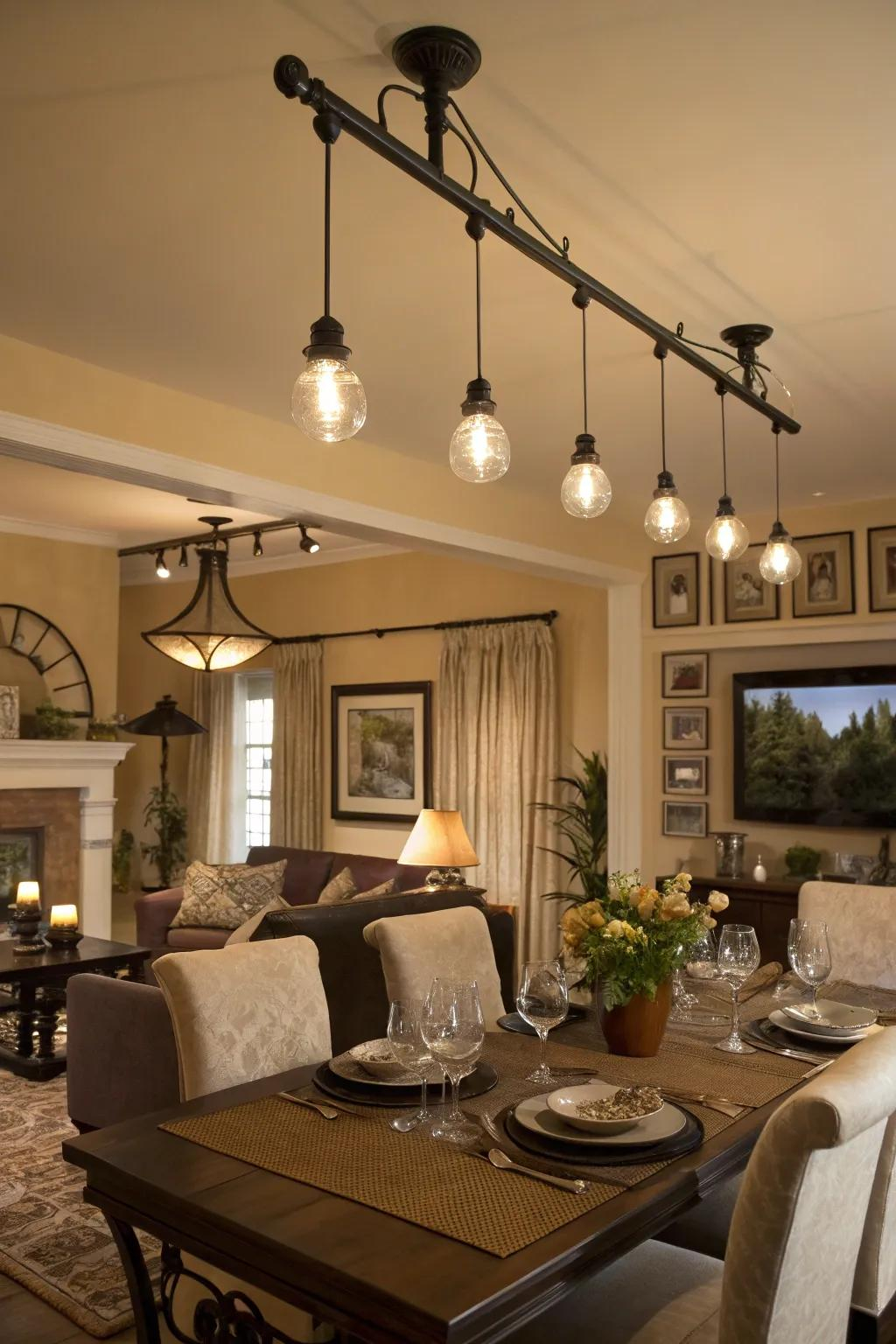
Ever walked into a tiny apartment and thought, "How does this feel so big?" It’s not magic. It’s intention. For years, we treated small living rooms like a problem to be solved—shoving furniture against walls, cramming in storage, and praying it didn’t look cluttered. But 2026 is different. The mindset has shifted. We aren’t just trying to fit things in anymore; we are curating experiences. Whether you are in a studio in the city or a cozy nook in the suburbs, your square footage doesn’t define your style. It just challenges you to be smarter about it.
The latest design wave is all about blending comfort with cleverness. Think relaxed furniture that invites you to sink in, paired with smart layouts that keep traffic flowing. It’s about making choices that serve double duty. A coffee table that lifts up for dining. A sofa that hides blankets. Walls that tell a story instead of just holding up the ceiling. If you have been staring at your compact space feeling stuck, take a breath. You don’t need more room. You need better tricks. Let’s dive into how you can make your small living room feel expansive, polished, and undeniably yours.
Rethinking the Layout: Flow Over Fitting In
The old rule was simple: push everything to the edges. Don’t do that. In 2026, designers are pulling furniture away from the walls to create breathing room. It sounds counterintuitive, right? But floating a sofa even just a few inches off the wall creates shadows and depth that make the room feel larger. It breaks up the boxy feeling. Try arranging your seating in a conversational cluster rather than lining it up like a waiting room. This encourages connection and makes the space feel purposeful.
Consider the traffic paths. Can you walk through without shimmying sideways? If not, it’s time to edit. Scale is your best friend here. Oversized pieces swallow small rooms, but too many tiny items create visual noise. Aim for a few well-proportioned staples. A streamlined armchair, a slim-profile sofa, and maybe one statement piece. Keep the floor visible. The more floor you can see, the bigger the room feels. Use legs on your furniture instead of solid bases that sit flat on the ground. It lets light pass underneath and keeps the eye moving.
Also, think vertically. If you can’t go wide, go high. Tall bookshelves or vertical art draws the eye upward, emphasizing ceiling height rather than floor limits. This trick works wonders in rooms with standard eight-foot ceilings. It creates an illusion of grandeur. Just remember to keep the top shelves curated, not cluttered. Empty space is a design element too. Let some areas rest. Your eyes need a place to land without getting overwhelmed by stuff.
Color Drenching and Emotional Neutrals
Gone are the days when small spaces had to be stark white to feel open. While light colors still help reflect light, 2026 is embracing "emotional neutrals" and even bold color drenching. This means painting the walls, trim, baseboards, and sometimes even the ceiling in the same hue. It blurs the boundaries of the room. When you can’t tell where the wall ends and the ceiling begins, the space feels endless. Try warm taupes, soft sage greens, or muted terracottas. These tones add warmth without shrinking the room.
If you are brave, go darker. A deep navy or charcoal can actually make a small room feel cozy and intimate rather than cramped. The key is consistency. Use the same color family for your large furniture pieces too. Monochromatic schemes reduce visual fragmentation. When everything flows together, the eye doesn’t stop at every contrast point. It glides. Add texture instead of more colors. Think wool throws, velvet pillows, and wooden accents. Texture adds richness without adding visual weight.
Don’t forget the power of mirrors, but use them strategically. Instead of one giant mirror, try a gallery wall of smaller reflective surfaces or a mirror placed opposite a window to bounce natural light around. Light is paint for small rooms. The more you can amplify it, the airier the space feels. Layer your lighting too. Overhead lights can be harsh. Use floor lamps, table lamps, and even sconces to create pools of light that define different zones. This adds dimension and makes the room feel layered and complex, not flat and small.
Multifunctional Furniture That Doesn’t Look Like It
Let’s be honest. Most multifunctional furniture looks clunky. But in 2026, the design world has caught up. You can now find sleek, stylish pieces that hide serious utility. Look for ottomans with hidden storage that double as extra seating or footrests. Choose coffee tables with lift-top mechanisms for working or eating. Nesting tables are another hero. They take up minimal space when stacked but expand when you have guests. It’s about flexibility. Your living room might need to be a home office by day and a lounge by night. Your furniture should support that shift seamlessly.
Avoid bulky entertainment centers. They eat up valuable real estate. Instead, mount your TV on the wall or use a slim media console that floats. If you must have storage, integrate it into the architecture. Built-in shelves that match the wall color disappear visually. They provide ample space for books and decor without protruding into the room. Keep the items on display edited. Too many knick-knacks make a small space feel chaotic. Rotate your decor seasonally to keep it fresh without accumulating more stuff.
Seating is often the biggest challenge. A sectional can work if it’s the right shape. L-shaped sectionals can define a zone without blocking flow. But consider modular pieces. You can rearrange them as needed. Maybe you want a chaise today and two separate chairs tomorrow. Modular systems offer that freedom. Also, look for transparent materials. Acrylic or glass side tables occupy visual space but not physical weight. They are practically invisible, which is a huge win for tight quarters.
Textures, Patterns, and the Maximalist Touch
Here is a surprise: maximalism is having a moment in small spaces. But not the chaotic kind. We are talking about "curated maximalism." It’s about layering patterns and textures with intention. A small room is the perfect canvas for bold wallpaper because you don’t need much of it to make an impact. Try a feature wall behind the sofa or even inside a bookshelf niche. Daring patterns add personality and depth. They distract from the size of the room and focus attention on the design.
Mix your materials. Combine smooth leather with nubby linen. Pair shiny metal with matte wood. This contrast creates interest. In a monochrome room, texture is what keeps it from feeling boring. Rug layering is also trending. Place a smaller, patterned rug over a larger, neutral jute or sisal base. It defines the seating area and adds a cozy, collected vibe. It also allows you to change the look easily without replacing the entire floor covering.
Art plays a huge role too. Don’t be afraid of large-scale art. One big piece is often better than ten small ones. It creates a focal point and simplifies the visual field. Lean a large canvas against the wall for a relaxed, modern look. Or hang a tapestry for softness. The goal is to fill the space with things you love, but to do it sparingly. Every item should earn its place. If it doesn’t bring joy or function, let it go. Your small living room should feel like a hug, not a storage unit.
Smart Storage Solutions That Stay Hidden
Clutter is the enemy of small spaces. But you still have stuff. The solution is smart, invisible storage. Look for furniture with built-in compartments. Benches with lift-up seats are great for storing blankets or board games. Bed frames with drawers underneath work if your living room doubles as a guest space. The key is to keep daily essentials accessible but out of sight. Baskets and bins are your friends, but choose ones that match your aesthetic. Woven baskets add warmth while hiding cords and remotes.
Utilize dead space. The area above doorways, the corners of rooms, and the space under windows are often overlooked. Install floating shelves high up near the ceiling for items you rarely use. Use corner shelves to turn awkward angles into useful display areas. Magnetic strips inside cabinets can hold small metal items. Hooks on the back of doors can hold bags or coats. Think vertically and internally. Every inch counts.
Digital clutter matters too. Hide your tech. Use cable management boxes to corral wires. Mount power strips under desks or behind TVs. A tangle of cords makes a room feel messy and smaller than it is. Keep surfaces clear. The clearer your horizontal planes, the more spacious the room feels. Adopt a "one in, one out" rule for decor. If you buy a new vase, donate an old one. This discipline keeps your space balanced and breathable. It’s not about deprivation; it’s about curation.
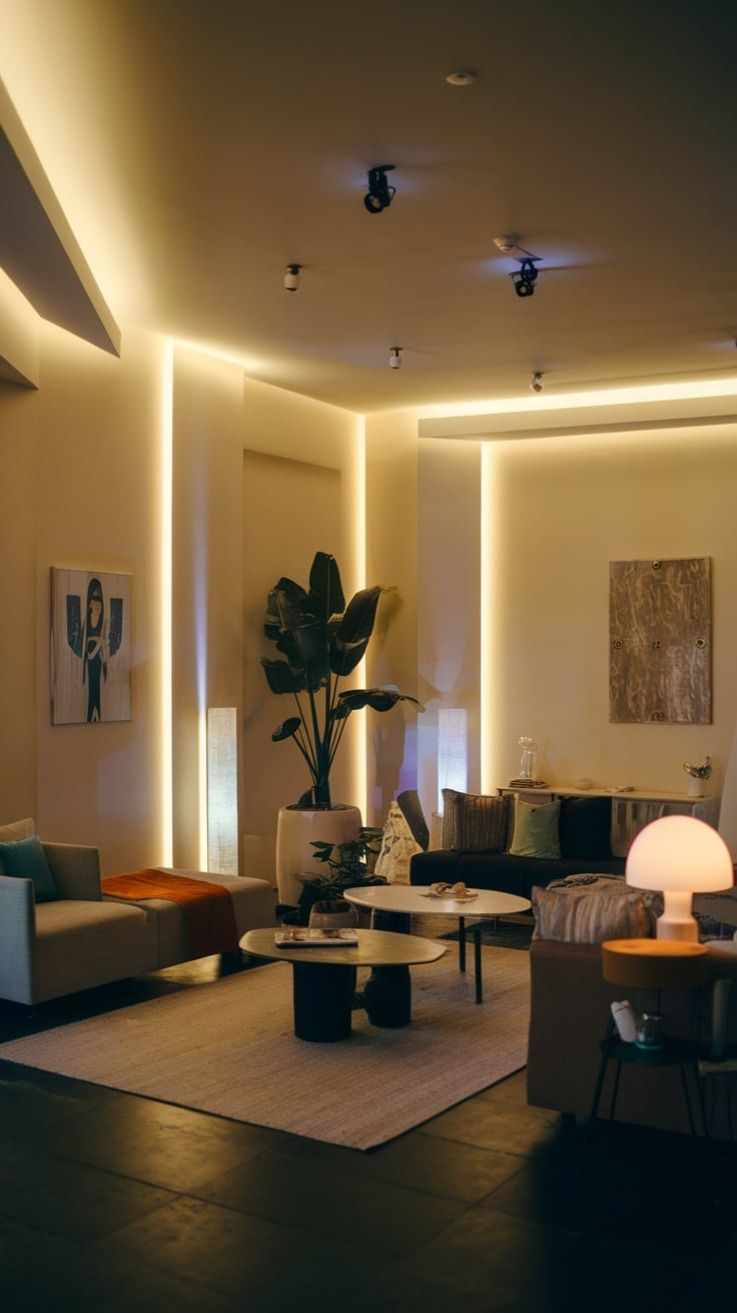
Lighting can make or break a small room. Harsh overhead lighting casts shadows that emphasize corners and make ceilings feel lower. Swap those bulbs for warmer tones. Aim for 2700K to 3000K color temperature. It creates a cozy, inviting glow. Use dimmers wherever possible. Being able to adjust the light level changes the mood instantly. Bright for cleaning or working, soft for relaxing or entertaining. It gives your small room multiple personalities.
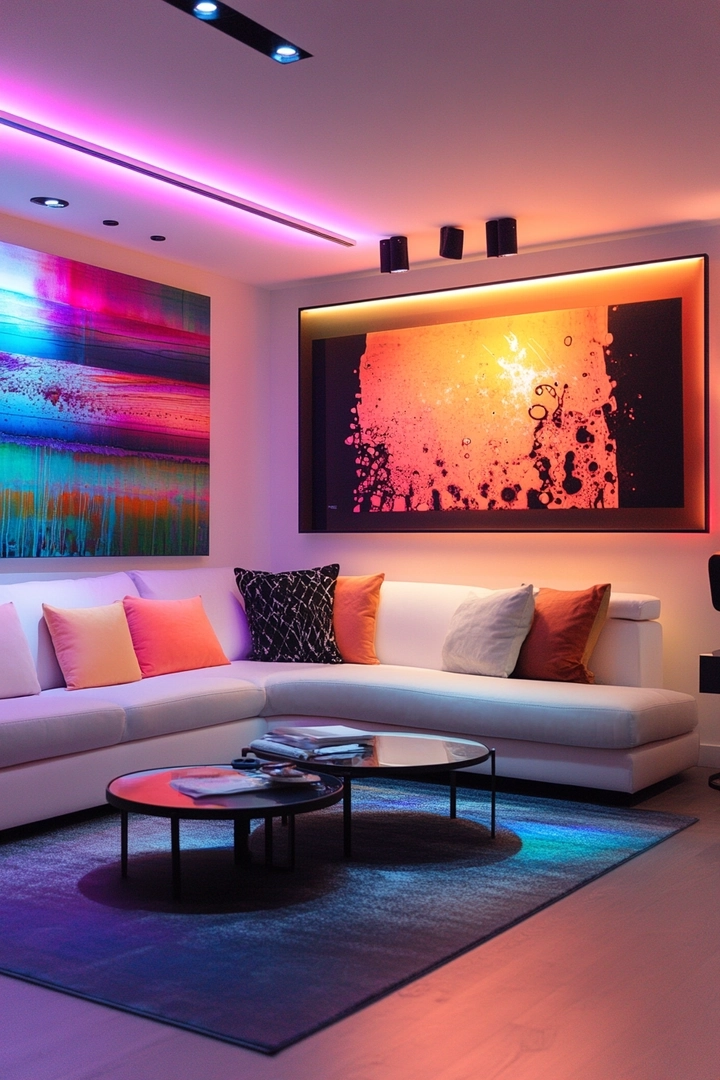
Layer your light sources. Combine ambient, task, and accent lighting. Ambient light comes from ceiling fixtures or recessed lights. Task lighting is for reading or working, like a floor lamp next to your chair. Accent lighting highlights art or architectural features, like LED strips behind a TV or under shelves. This layering adds depth. It makes the room feel three-dimensional and rich. Avoid relying on a single source. It flattens the space.
Finally, bring in nature. Plants add life and color without taking up much visual weight. Hang trailing plants from the ceiling to draw the eye up. Use tall, slender plants in corners to fill vertical space. Greenery connects the indoors with the outdoors, making the room feel less confined. Open a window when you can. Fresh air and natural light are the best design tools you have. They cost nothing and transform the energy of the space. Listen to your room. Does it feel stiff? Add a soft throw. Does it feel dark? Add a lamp. Styling a small living room is an ongoing conversation, not a one-time fix.
So, there you have it. Styling a small living room in 2026 isn’t about sacrificing style for space. It’s about merging them. By floating your furniture, embracing emotional colors, choosing smart multifunctional pieces, and layering light and texture, you create a space that feels intentional and expansive. It’s okay if it’s not perfect. Real life happens in these rooms. Spills happen. Pillows get fluffed and unfluffed. Let your space breathe. Let it evolve.
Remember, the goal is comfort and connection. Your living room should reflect who you are, not just what fits. Don’t be afraid to break the rules if they don’t serve you. If pushing the sofa against the wall feels right for your flow, do it. If you love dark walls, paint them. Trust your instincts. You know your space better than any magazine. Use these tips as a starting point, not a rigid blueprint. Mix, match, and make it yours. After all, the best-designed rooms are the ones that feel like home.