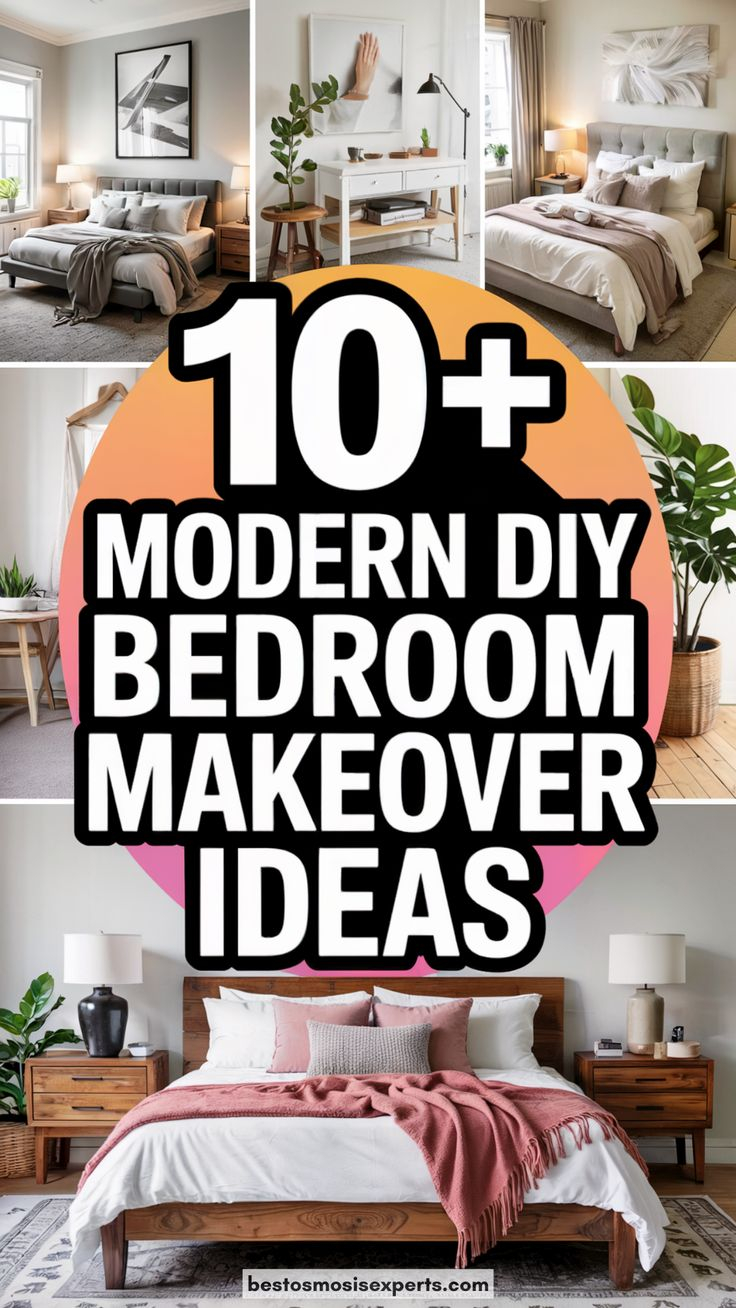
Ever walked into a tiny bedroom and felt like the walls were closing in? You’re not alone. In 2026, living spaces are shrinking, but our need for comfort and style isn’t going anywhere. The challenge is real: how do you fit a bed, storage, maybe a desk, and still have room to breathe? It feels impossible sometimes. But here’s the thing—small doesn’t mean cramped. Not anymore.
The secret isn’t just buying smaller stuff. It’s about choosing smarter pieces that pull double duty. Think beds that hide away, nightstands that climb walls, and dressers that vanish into corners. This year, designers are obsessed with making every inch work harder without sacrificing that cozy, lived-in vibe we all crave. Let’s dive into how you can transform your compact sanctuary into a functional masterpiece.
The Rise of Multi-Functional Masterpieces
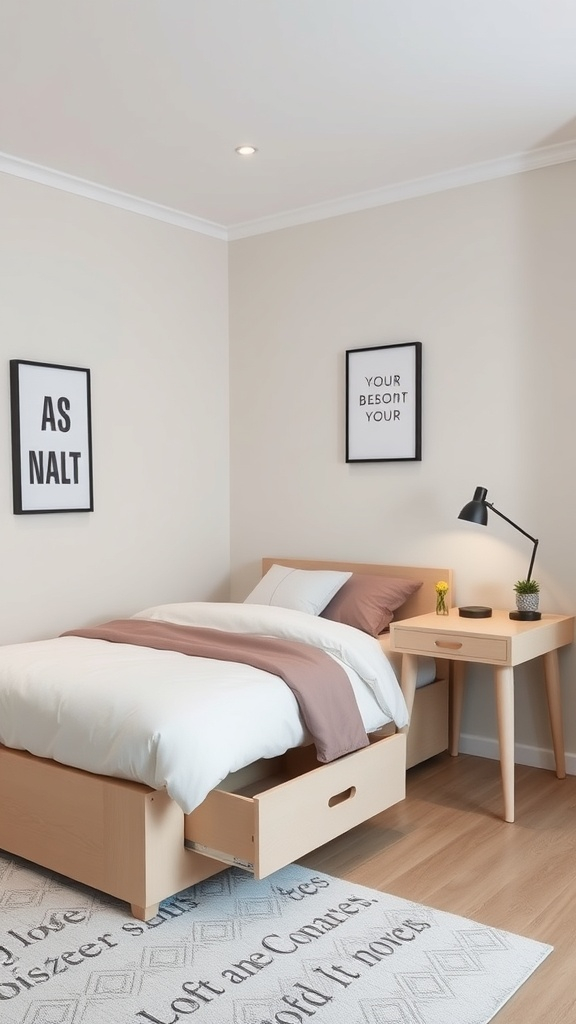
Gone are the days when a bed was just a place to sleep. In 2026, your bed is likely your biggest storage unit too. Platform beds with deep drawers underneath are huge right now. They swallow up winter sweaters, extra linens, and those shoes you never wear but can’t bear to toss. It’s like having a dresser hidden in plain sight. No one even knows it’s there until you need it.
Then there’s the Murphy bed, which has made a serious comeback. But these aren’t your grandma’s clunky wall beds. Modern versions fold up seamlessly into sleek cabinets or bookshelves. During the day, your bedroom looks like a chic home office or a reading nook. At night? Pull it down, and boom—instant sleeping quarters. It’s magic, basically. For those really tight spots, lofted beds are also gaining traction, especially for teens or studio apartments. They lift the sleeping area high, freeing up valuable floor space for a desk or lounge area below.
Don’t forget about seating. Ottomans with hidden storage inside are perfect for stashing blankets or magazines. They serve as footrests, extra seats for guests, and secret closets all at once. It’s about asking yourself: what else can this piece do? If the answer is “nothing,” think twice before buying it.
Vertical Thinking: Going Up Instead of Out
When floor space is scarce, look up. Literally. Vertical storage is the unsung hero of small bedrooms. Floating shelves are everywhere in 2026 designs because they don’t eat up floor real estate. You can stack them high near the ceiling to store books, plants, or decorative boxes. It draws the eye upward, making the room feel taller and airier. Plus, it keeps clutter off your surfaces.
Wall-mounted nightstands are another game-changer. Traditional bedside tables take up precious square footage next to the bed. By mounting them on the wall, you free up floor space, making vacuuming easier and the room feel less crowded. Some even come with built-in charging ports or small drawers for essentials like glasses and phones. It’s sleek, modern, and super practical.
Consider tall, narrow bookcases instead of wide, short ones. They hold just as much stuff but occupy a fraction of the footprint. Place one in an unused corner or beside a window. You can use baskets on the lower shelves for items you want to hide, keeping the upper shelves open for display. This mix of open and closed storage helps maintain a tidy look without feeling sterile.
Clever Layouts for Maximum Flow
Furniture placement can make or break a small room. In 2026, experts are pushing for layouts that prioritize movement and light. One popular trick is floating the bed away from the wall if space allows. It sounds counterintuitive, but creating a walkway around the bed can actually make the room feel larger and more luxurious. Just ensure you leave enough room to open closet doors and drawers comfortably.
Corner desks are making a big splash for those who need a workspace. Tucking a desk into a corner utilizes often-wasted space. Pair it with a chair that slides completely under the desk when not in use. This keeps the pathway clear and prevents the room from feeling cluttered during the day. If you don’t need a full desk, a narrow console table against a wall can serve as a vanity or a spot for your morning coffee.
For couples sharing a small space, symmetry can be tricky. Instead of two bulky nightstands, try a single long shelf running behind the headboard. It provides surface space for both people without doubling the furniture bulk. Or, use pendant lights hanging from the ceiling on either side of the bed. This frees up the entire bedside area for other uses, like a small bench or just empty floor to stretch out.
Light, Color, and Visual Tricks
Furniture isn’t just about wood and metal; it’s about how it interacts with light and color. In 2026, reflective surfaces are being used strategically to bounce light around. Mirrored wardrobe doors or furniture with glass elements can make a room feel twice its size. They create depth and reflect natural light, brightening up dark corners. Just be careful not to overdo it, or you might feel like you’re living in a funhouse.
Color choices matter too. Light, neutral tones for large furniture pieces help them blend into the walls, reducing visual weight. A white or light oak bed frame feels less imposing than a dark walnut one. However, don’t be afraid of accent colors. A mustard yellow chair or a teal rug can add personality without shrinking the space. The key is balance. Keep the big items subtle and let smaller accessories bring the pop.
Leggy furniture is also having a moment. Sofas, chairs, and even bed frames with exposed legs allow light to pass underneath. This visibility of the floor creates a sense of openness. Bulky, skirted furniture blocks the view and makes the room feel heavier. Choose pieces that sit on slender legs to keep the vibe light and airy. It’s a simple switch that makes a surprising difference.
Hidden Gems and Custom Solutions
Sometimes, off-the-shelf furniture just doesn’t cut it. That’s where custom or modular solutions shine. Built-in wardrobes that reach the ceiling maximize vertical storage and eliminate dust-collecting gaps. In 2026, many homeowners are opting for customized inserts inside these wardrobes, with specific spots for jewelry, ties, or tech gear. It turns a chaotic closet into a streamlined system.
Look for furniture with hidden compartments. A bench at the foot of the bed that opens up? Perfect for storing seasonal items. A headboard with shelves or cubbies? Great for books and alarms clocks without needing a separate table. These details add functionality without adding bulk. It’s about being sneaky with your storage.
Don’t overlook the space above doors. Installing a shallow shelf above the bedroom door frame can hold items you rarely use, like extra pillows or luggage. It’s an awkward spot that often goes unused, but with the right piece of furniture, it becomes valuable real estate. Similarly, the back of the door can hold hooks or organizers for robes, bags, or accessories, keeping them off the floor and out of sight.
In 2026, our bedrooms are more connected than ever. Furniture is adapting to meet this need. Nightstands with wireless charging pads built into the surface are becoming standard. No more tangled cords on the floor or hunting for outlets in the dark. It’s clean, convenient, and keeps your devices powered up and ready. Some even have USB ports and regular outlets integrated into the side panels.
Smart lighting is another big trend. Bed frames with integrated LED strips can provide soft, ambient lighting for nighttime reading or navigating to the bathroom. These lights can often be controlled via app or voice command, allowing you to adjust brightness and color temperature to suit your mood. It adds a layer of comfort and convenience without taking up any physical space.
For those who work from home, consider desks with cable management systems built in. Holes and channels keep wires organized and out of sight, preventing that messy spiderweb look under your desk. A clutter-free workspace leads to a clearer mind, which is essential in a small room where everything is visible. Integrating tech smoothly into your furniture ensures your bedroom remains a sanctuary, not a server room.
So, there you have it. Making a small bedroom work in 2026 isn’t about sacrificing style or comfort. It’s about being intentional. Choose pieces that multitask, go vertical, and play with light. Whether it’s a bed that stores your winter coats or a desk that disappears into the wall, the right furniture can transform a cramped box into a cozy retreat. Remember, it’s not about how much space you have, but how well you use it. Start small, pick one or two changes, and watch your room breathe again.