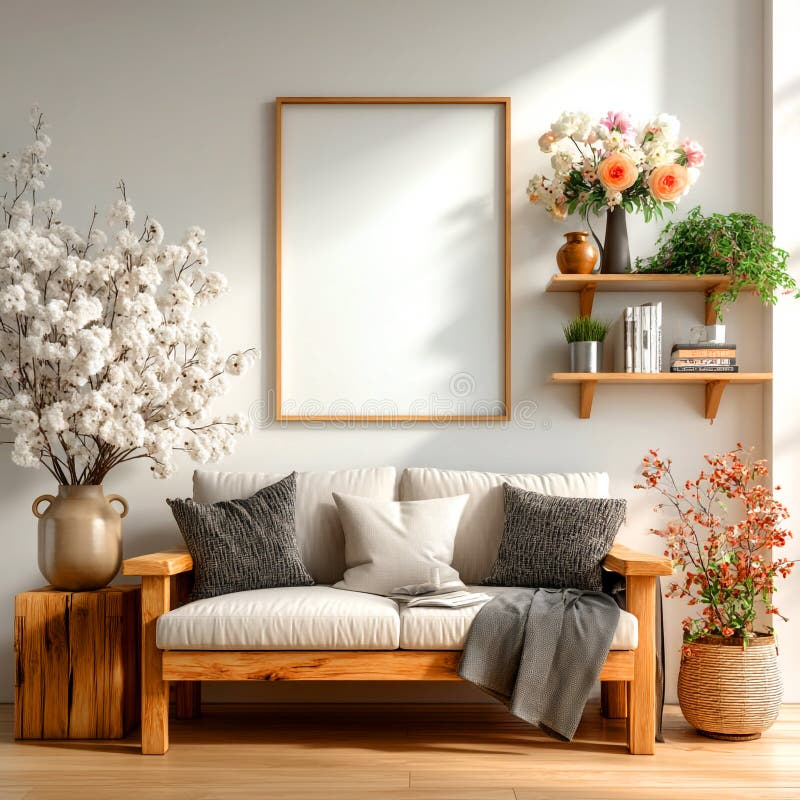
You walk in. You drop your keys on the side table. And then it hits you. That subtle, nagging sense that something is just… wrong. It’s not a mess. The couch is fine. The walls are painted a nice neutral color. But the air feels heavy. Or maybe too empty. You can’t quite put your finger on it, but you don’t really want to stay there.
We’ve all been there. In 2026, with so much time still spent at home, this feeling is more common than ever. It’s not because you have bad taste. It’s usually because of a few invisible rules of design that have been broken. Maybe the rug is too small. Maybe the light is too harsh. These things whisper to our brains, creating low-level stress instead of relaxation.
The good news? You don’t need to knock down walls or buy a whole new set of furniture. Most of the time, the fix is about shifting what you already have. It’s about perspective. It’s about understanding how space, light, and scale talk to each other. Let’s dig into why your space feels off and exactly how to make it feel like home again.
The Layout Trap: Pushing Everything Against the Wall
Here is the number one mistake people make. It’s so common it has a name: the perimeter push. When we move into a new place, or even just rearrange, our instinct is to shove every piece of furniture against the wall. We think it opens up the middle. We think it makes the room look bigger.
It does the opposite.
When everything is on the edges, the center of the room becomes a dead zone. It feels like a dance floor nobody is using. More importantly, it kills conversation. If your sofa is ten feet away from your armchairs, you have to shout to be heard. That’s not cozy. That’s a lecture hall. In 2026, designers are pushing back hard against this. They call it "floating" the furniture.
Try this. Pull your sofa out from the wall. Even six inches helps. Better yet, pull it out two feet if you have the space. Create a clear path behind it. Bring your chairs closer to the coffee table. Think of your seating area as an island in a sea of floor. This creates intimacy. It draws people in. It says, "Sit here. Stay awhile." If you have a large room, you might even need two islands. Two separate conversation groups. This breaks up the vastness and makes the space feel purposeful.
Check your walkways too. Can you get from the door to the kitchen without kicking a shin? Flow matters. If you have to crab-walk sideways to get past the coffee table, it’s too big or placed wrong. Move it. The room should breathe. You should glide through it, not navigate an obstacle course.
The Rug Situation: Why Size Actually Matters
Let’s talk about rugs. Specifically, the tragedy of the too-small rug. This is arguably the most frequent culprit for that "off" feeling. You bought a rug that looked great in the store. It was affordable. It fit in your car. But when you got it home, it looked like a postage stamp in the middle of the ocean.
A rug anchors a room. It defines the space. If it’s too small, the furniture looks like it’s drifting away. It creates visual chaos. The eye doesn’t know where to rest. In 2026, the rule is simple: bigger is almost always better.
Here is the golden rule for 2026 living rooms. All four legs of your main seating pieces should sit on the rug. If that’s too expensive or impossible with your current rug, at least the front two legs of every piece must be on it. Never, ever let just the coffee table sit on the rug while the sofa floats off it. That disconnects everything. It makes the room feel fractured.
If you can’t afford a massive custom wool rug, don’t worry. Layering is huge right now. Start with a large, inexpensive natural fiber rug like jute or sisal. Then, layer your smaller, prettier patterned rug on top of it. This gives you the size you need for anchorings, plus the style you want. It adds texture too. Which leads us to the next point.
Texture is what makes a room feel lived-in. A flat, smooth room feels cold. A room with a nubby rug, a velvet pillow, a wooden table, and a linen curtain feels rich. It invites touch. In 2026, we are moving away from perfectly matched sets. We want mix-and-match. We want warmth. So if your room feels sterile, look at your floor. Is it bare? Is the rug tiny? Fix that first. It’s the foundation.
Lighting Layers: Banishing the Big Light
Turn off the overhead light. Right now. Go do it. I’ll wait.
Notice how the room changed? Did it instantly feel softer? More intimate? That’s because the "big light"—that single ceiling fixture—is the enemy of coziness. It casts harsh shadows from above. It highlights dust. It makes everyone look tired. It’s functional, sure. But it’s not inviting.
A well-lit room needs three layers. Ambient, task, and accent. Most people only have ambient (the ceiling light). To fix your off-kilter room, you need to add the other two.
Task lighting is for doing things. Reading. Knitting. Working on a laptop. This means floor lamps next to chairs. Table lamps on side tables. You want the light source to be at eye level or slightly below when you are seated. This creates a glow that wraps around you. It’s flattering. It’s warm.
Accent lighting is for mood. It’s the lamp behind the plant that makes the leaves cast cool shadows on the wall. It’s the LED strip behind the TV (yes, even in 2026, bias lighting is a thing for reducing eye strain). It’s the candle on the mantel. These little pools of light draw the eye around the room. They create depth.
In 2026, smart bulbs have made this easier. You don’t need five different switches. You can group your lamps. Set them to a warm white (2700K or lower) for the evening. Avoid cool blue tones in the living room after sunset. They mess with your sleep cycle and make the room feel like a hospital. If your room feels clinical, check your bulbs. Are they bright white? Swap them for soft white. It’s a twenty-dollar fix that changes everything.
Scale and Proportion: The Goldilocks Zone
Sometimes the layout is fine. The rug is big. The lights are warm. But it still feels weird. Why? Scale.
Scale is the size of your furniture relative to the room and to each other. A massive sectional in a tiny box room will feel claustrophobic. A dainty antique chair in a huge vaulted living room will look like it’s lost. It’s about balance.
Look at your coffee table. Is it too small for your sofa? If you have to stretch your arm out fully to reach your drink, it’s too far. The coffee table should be about two-thirds the length of the sofa. It should sit close enough to be useful, but far enough to walk past (about 14-18 inches).
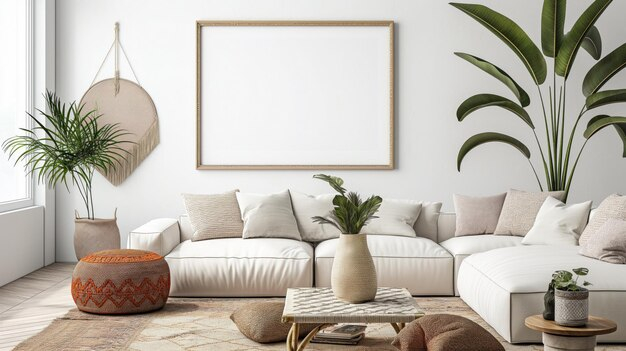
Look at your art. This is a big one. Small art on a big wall looks timid. It looks like you were afraid to commit. In 2026, we are seeing a trend toward oversized art or gallery walls that fill the space. If you have a blank wall above your sofa, the art should span at least two-thirds of the sofa’s width. If you can’t afford one giant piece, group several smaller ones together tightly. Treat them as one big unit.
Ceiling height matters too. If you have high ceilings, your furniture needs some vertical weight. Tall bookshelves. Floor lamps with tall shades. Curtains that hang from the very top of the window frame, not just above the glass. This draws the eye up and balances the volume. If you have low ceilings, keep things lower to the ground. Low-profile sofas. Horizontal lines. This makes the room feel wider and less cramped.
It’s a balancing act. Step back. Squint your eyes. Does one side feel heavier than the other? Do you have all the big, dark furniture on one side and light, airy stuff on the other? Redistribute the visual weight. Move a heavy chair to the other side. Add a tall plant to balance a short cabinet. Your eye wants symmetry, or at least equilibrium. Give it to them.
The Focal Point: Where Do You Look?
Every room needs a boss. A leader. A focal point. When you walk in, where does your eye go first? If the answer is "I don’t know," that’s the problem. If the answer is "the TV," that’s fine, but it might be boring.
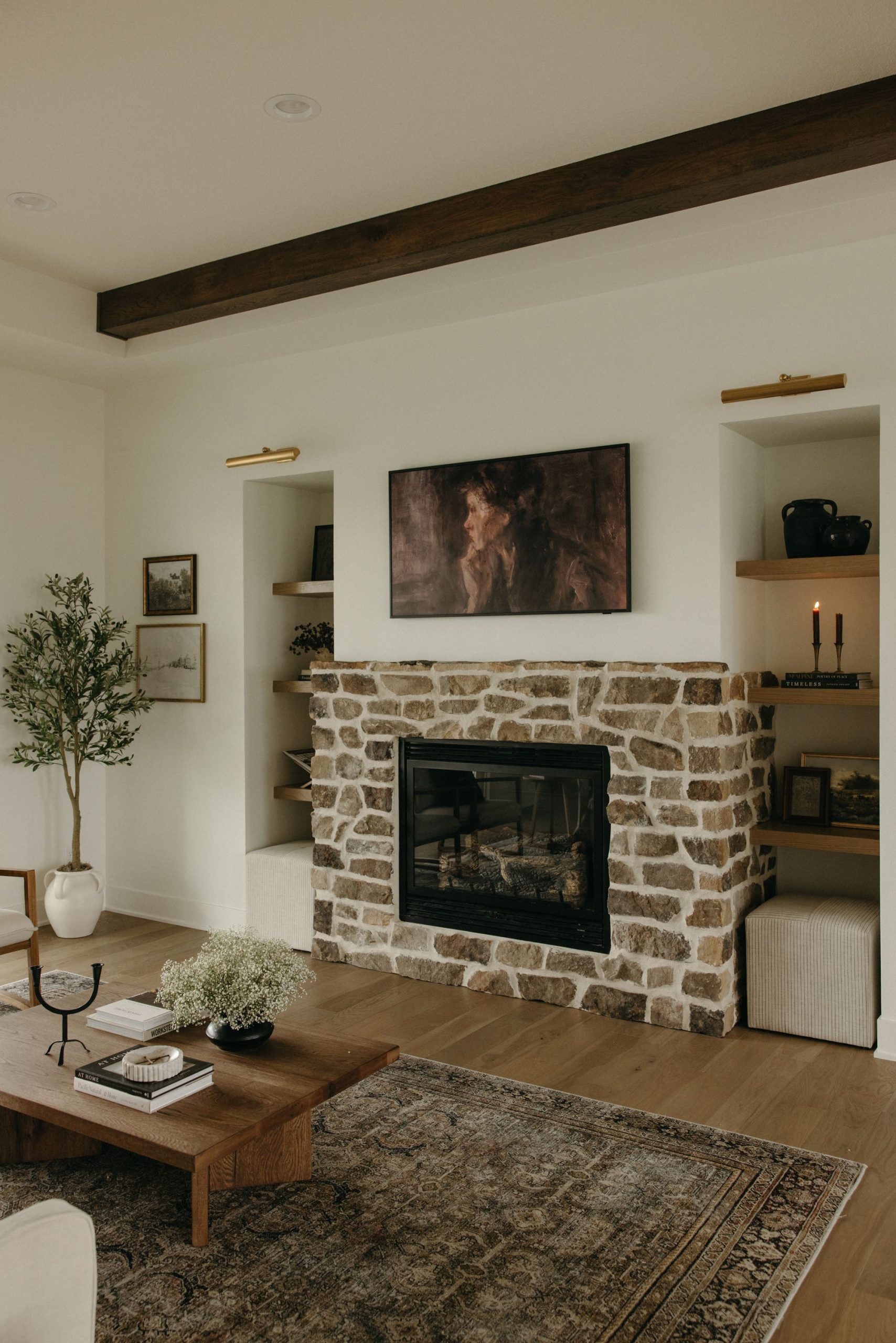
A focal point gives the room structure. It tells you where to orient the furniture. Traditional focal points are fireplaces. Large windows with a view. Architectural details. In modern homes, we often create them.
If you don’t have a fireplace, you can make one. A large piece of art. A bold wallpapered accent wall. A media console styled beautifully. The key is commitment. Don’t have three competing focal points. Don’t have a huge TV, a busy artwork, and a loud rug all fighting for attention. Pick one. Let it shine.
In 2026, many people are rethinking the TV-centric living room. With streaming on tablets and phones, the TV doesn’t always need to be the sun everything orbits. Can you orient your chairs toward a window? Toward each other? If the TV must be the focus, hide it when it’s off. Use a frame TV. Or put it inside a cabinet. Or paint the wall behind it a dark color so it recedes.
Once you have your focal point, arrange your furniture to face it. Not necessarily directly, but angled toward it. This creates a sense of intention. It says, "This is what we are here to do." Whether that’s watching a movie, talking, or looking at the rain. Without a focal point, the room feels aimless. It feels like a waiting area. Give it a purpose.
The Soul Factor: Personal Touches and Clarity
Finally, let’s talk about soul. You can have perfect layout, great rugs, and lovely lighting. But if the room looks like it came straight out of a catalog, it will feel cold. It will feel "off" because it lacks you.
But there’s a trap here. Clutter. There is a fine line between personal and messy. In 2026, the trend is "curated clutter." It’s about displaying things that mean something, not just things you haven’t thrown away.
Look at your surfaces. Are they covered in random mail, keys, and coasters? Clear them off. Keep only the beautiful items. A stack of books you love. A vase from your grandmother. A sculpture from a trip. These items tell a story. They spark joy. They make the room feel alive.
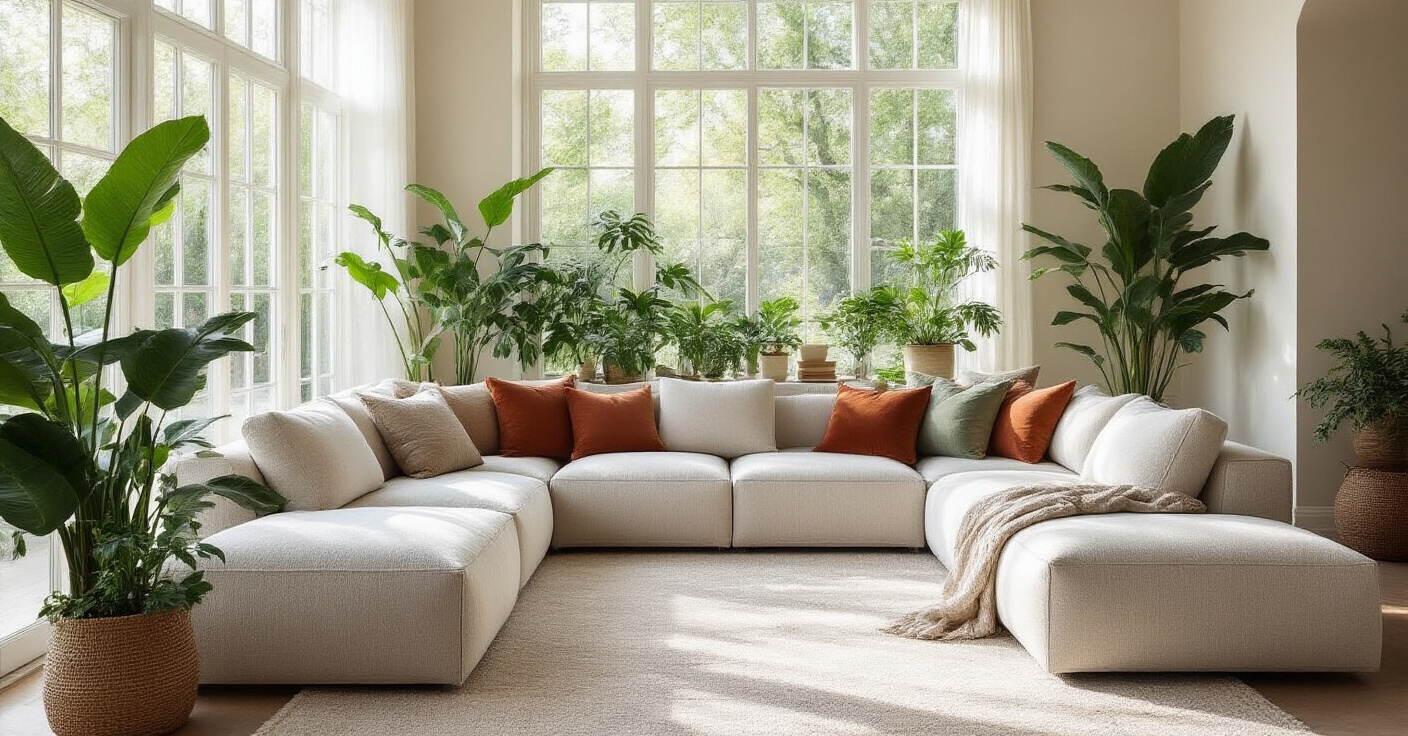
Plants are essential here. They add life. Literally. A dead corner with a tall fiddle leaf fig becomes a destination. A shelf with trailing pothos becomes soft. Plants bridge the gap between the indoors and outdoors. They clean the air. They make us feel calmer. If your room feels stagnant, add greenery.
Also, consider the senses. Does the room smell good? Is there a soft throw blanket within reach? Is the music playing? Design isn’t just visual. It’s experiential. In 2026, we are designing for comfort, not just for Instagram. If a chair looks great but hurts your back, it’s a bad chair. Get rid of it. If a decor item makes you anxious because it’s fragile, hide it.
Your living room should support your life. If you have kids, you need durable fabrics and storage for toys. If you love to read, you need good light and a cozy nook. Stop trying to make your room look like someone else’s. Make it work for you. That authenticity is what removes the "off" feeling. It makes the room feel right.
So, your living room feels off. Take a deep breath. It’s not a disaster. It’s just a puzzle. And you have the pieces. Start with the layout. Pull that furniture off the wall. Create a conversation pit. Check the rug. Is it big enough? If not, layer it. Turn off the big light. Add lamps. Warm up the glow.
Look at the scale. Is your art too small? Is your table too far away? Adjust. Find your focal point. What is the room for? Orient toward it. Finally, add your soul. Clear the clutter. Add plants. Put out the things you love.
You don’t need a renovation. You don’t need a designer. You just need to look at your space with fresh eyes. Notice what bothers you. Then tweak it. One step at a time. Maybe today you just move the lamp. Tomorrow you pull out the sofa. Next week you buy a bigger rug.
By 2026, we’ve learned that home is our sanctuary. It’s where we recharge. It deserves to feel good. Not perfect. Just good. Warm. Inviting. Yours. So go ahead. Walk into that room. Feel the difference. And finally, relax.