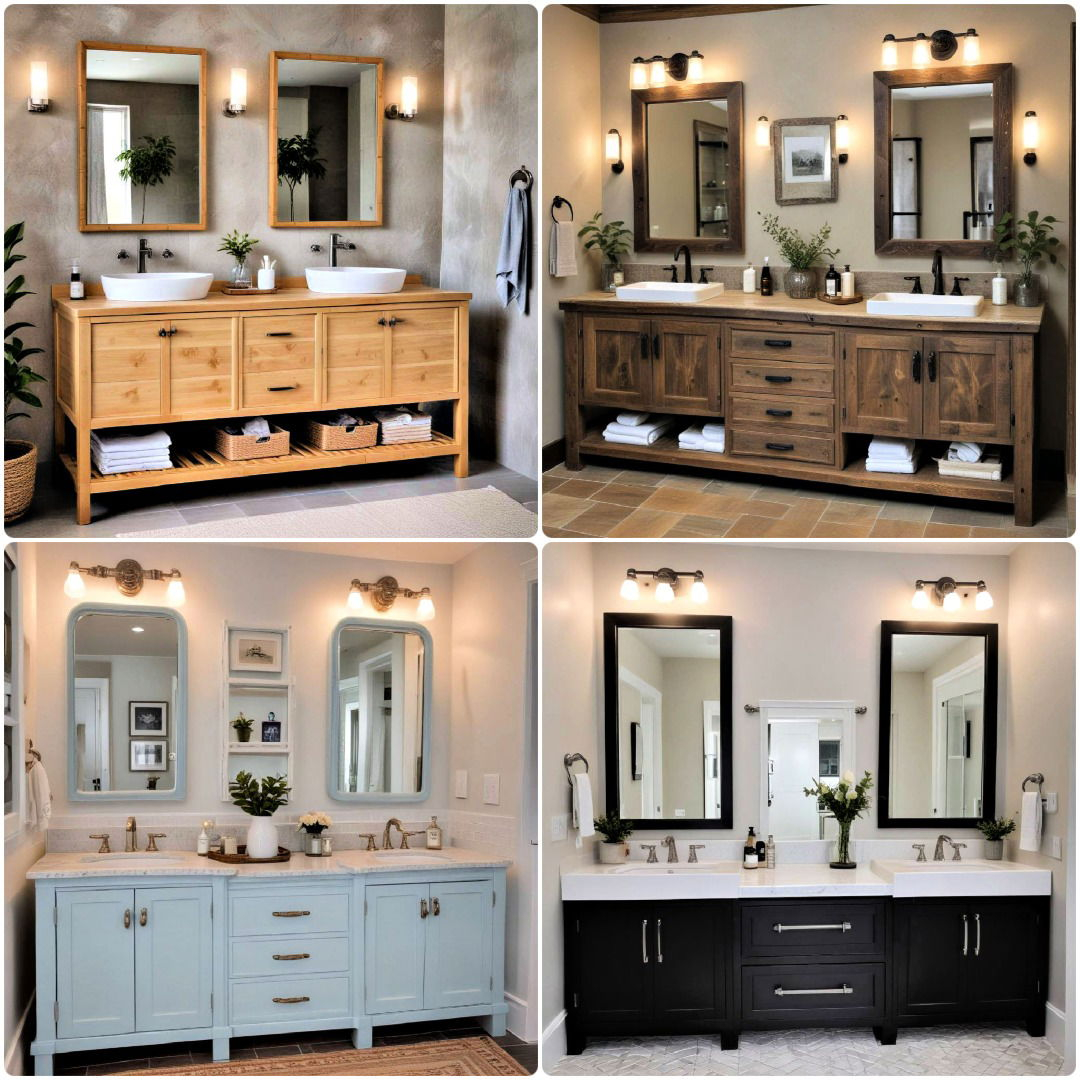
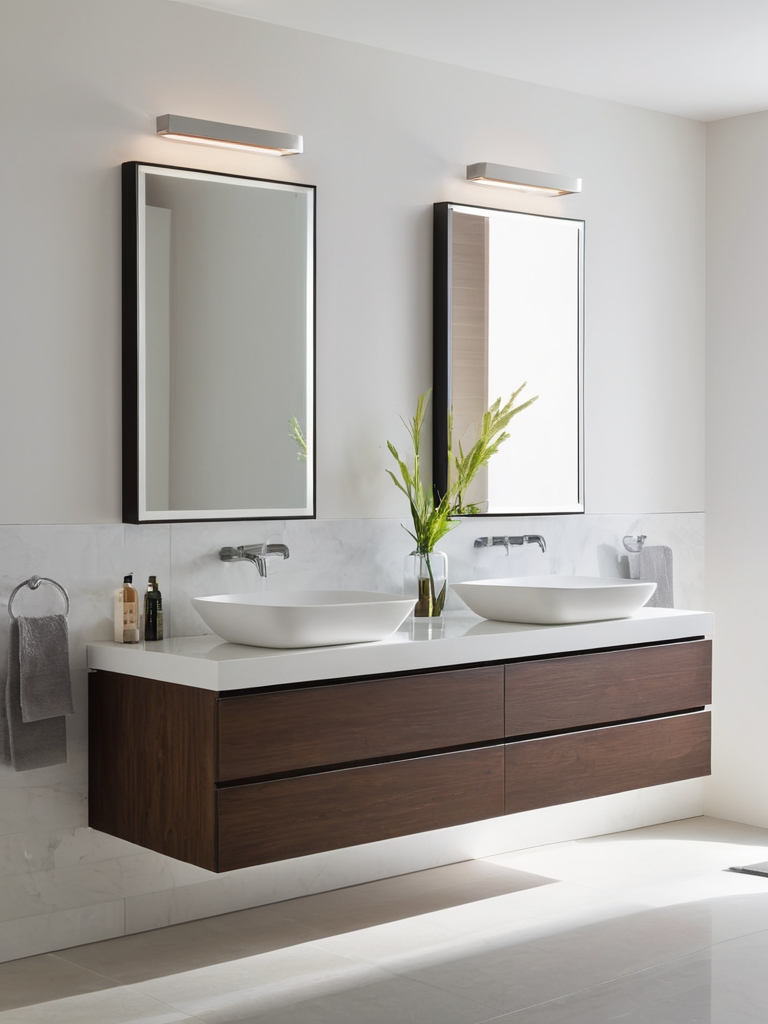
Remember when bathrooms felt like sterile showrooms? All cold marble, blinding lights, and surfaces so glossy you could check your teeth in them? Yeah, those days are officially over. If you’ve walked into a newly renovated home lately, or even just scrolled through some design feeds, you’ve probably noticed a shift. It’s quieter now. Warmer. The bathroom isn’t just a place to wash up anymore; it’s becoming a sanctuary, a pause button in a chaotic day. And right at the center of this transformation? The vanity.
It’s not just a cabinet with a sink anymore. In 2026, the vanity has become the anchor of the room. Designers are moving away from the flashy, high-contrast looks that dominated the early twenties. Instead, they’re chasing character. They want pieces that feel lived-in, even when they’re brand new. We’re seeing a massive drop in requests for polished brass and shiny white lacquer. What’s replacing them? Materials that age well. Finishes that invite touch. It’s about creating a space that feels good, not just one that looks good for an Instagram photo.
This shift isn’t just aesthetic; it’s deeply practical too. People are spending more time in their bathrooms. Maybe it’s the only quiet moment before the kids wake up, or the decompression zone after a long work day. So, the trends we’re seeing this year reflect that need for comfort and function. From floating designs that make small rooms feel huge to smart tech that hides in plain sight, the 2026 vanity is working harder than ever. Let’s dive into what’s actually happening on the ground, straight from the designers who are specifying these pieces every single day.
The Death of Gloss and the Rise of Patina
If there’s one rule breaking hard in 2026, it’s that everything needs to shine. For years, we were told that high-gloss finishes meant luxury. But designers are pushing back. Hard. The new luxury is matte. It’s soft. It’s understated. When you run your hand along a vanity finished in a low-sheen lime wash or a matte oak veneer, it feels different. It feels human. This isn’t just about looks; it’s about durability too. Glossy surfaces show every water spot, every fingerprint, every tiny scratch. Matte finishes? They hide life. They forgive mistakes.
We’re also seeing a huge surge in "patina-friendly" materials. This is a fancy way of saying stuff that looks better as it gets older. Think unlacquered brass faucets that darken over time, or stone countertops with natural veining that doesn’t try to be perfect. Designers are specifying woods like walnut and white oak with open-grain finishes that let the texture breathe. It’s a move away from the plastic-like perfection of thermofoil cabinets toward something with soul. As one interior designer put it recently, "Polish is out. Character is in." People want their homes to tell a story, and a pristine, glossy vanity doesn’t have much to say.
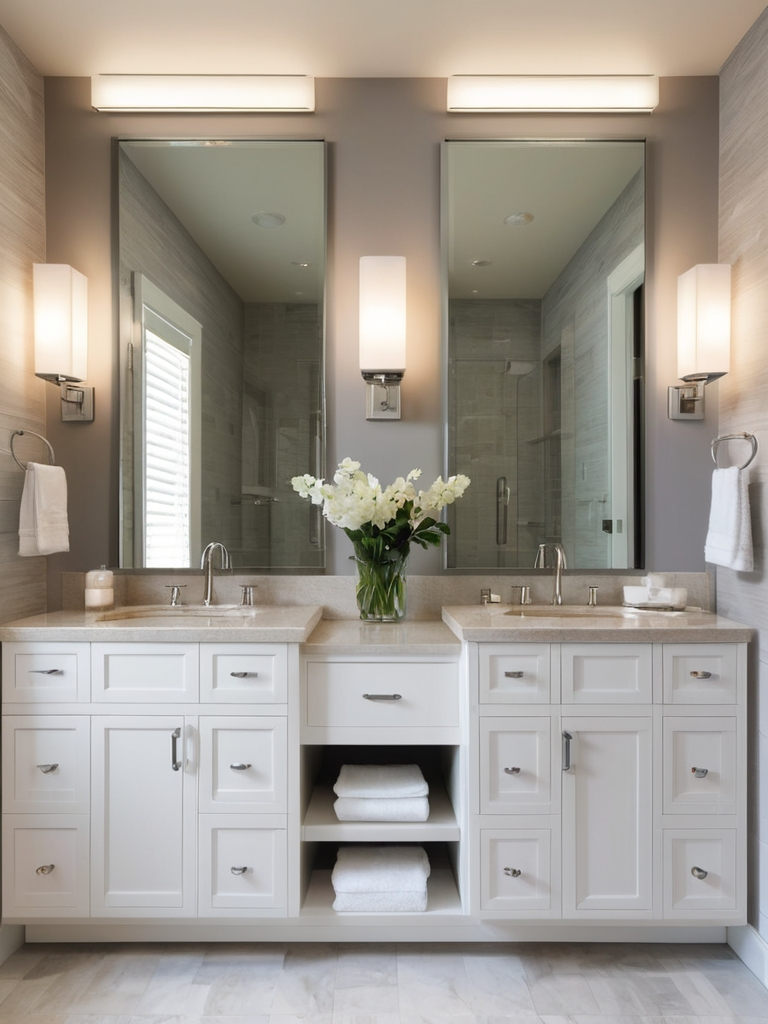
This trend extends to color, too. The stark whites and cool grays are warming up. We’re seeing creams, taupes, and even soft terracottas taking over vanity fronts. These colors play nicely with natural light, making the bathroom feel less like a clinic and more like a spa. It’s a subtle change, but it makes a massive difference in how the room feels. You don’t just see the space; you feel held by it. And honestly? That’s what we’ve all been craving.
Floating Designs and Architectural Weight
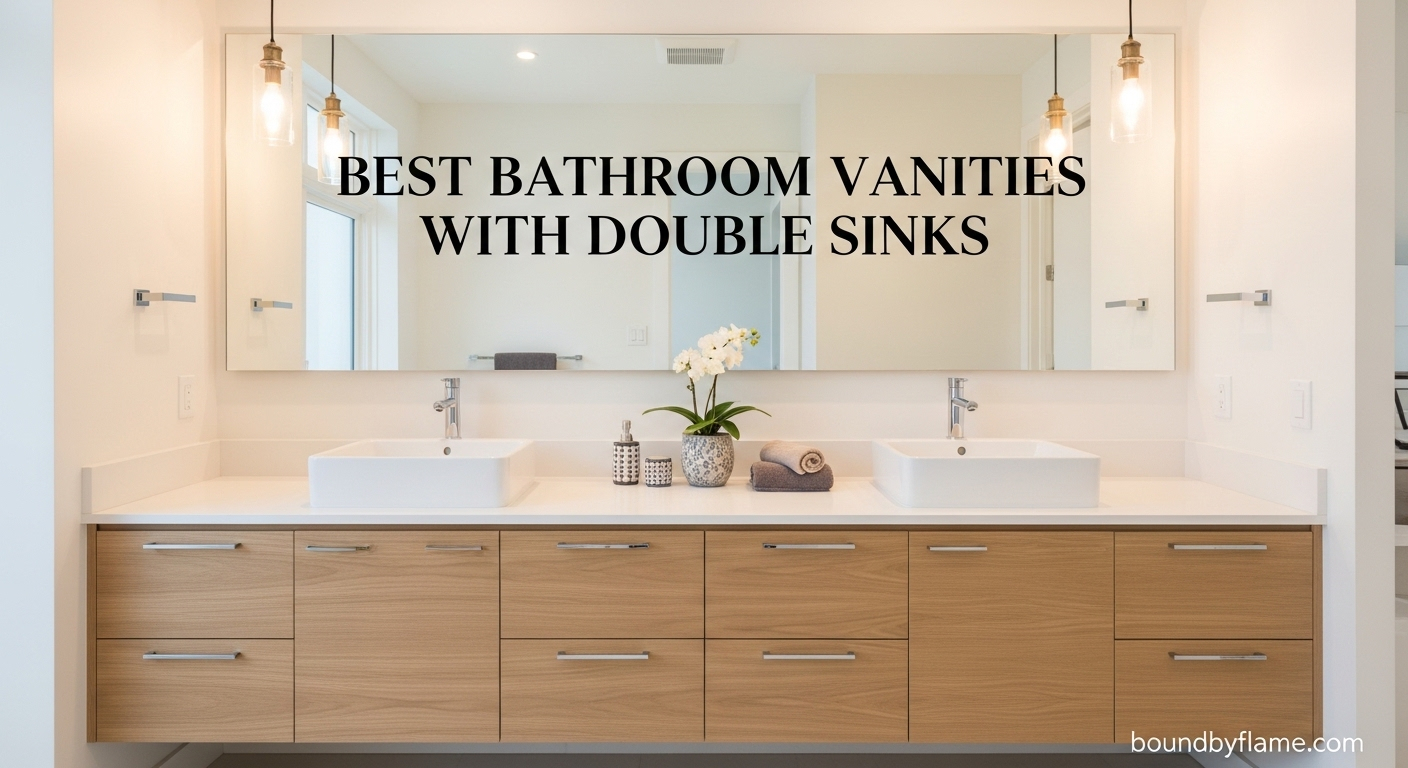
Walk into any modern renovation in 2026, and chances are, the vanity is floating. But it’s not just about slapping a box on the wall. The way designers are approaching floating vanities has evolved. It’s no longer just about minimalism; it’s about architecture. We’re seeing thicker slab tops, sometimes two inches or more, which give the piece a sense of weight and permanence. It grounds the design. A flimsy floating cabinet can look cheap, but a substantial, well-proportioned one looks like a piece of furniture that was built specifically for that wall.
Why the love for floating? Well, besides looking sleek, it’s a game-changer for cleaning. No more battling dust bunnies around cabinet legs. You can just swipe a mop underneath. Done. But beyond the practicality, it opens up the floor space. In smaller bathrooms, being able to see the floor continue under the vanity tricks the eye into thinking the room is bigger. It’s a simple optical illusion, but it works wonders. Designers are also playing with asymmetry here. Instead of a standard double-sink setup, you might see one large basin offset to one side, with open shelving on the other. It breaks the monotony.
However, this trend requires precision. You can’t just hang any cabinet and call it a day. The structural support needs to be solid, and the alignment has to be perfect. That’s why custom or semi-custom options are booming. People are willing to pay a bit more for a fit that looks intentional. We’re also seeing mixed materials in these floating units. Maybe a wood base with a stone top, or a painted frame with a natural wood drawer front. It adds layers. It adds interest. It stops the bathroom from feeling like a catalog page and starts making it feel like a designed space.
Smart Storage That Doesn’t Look Like Tech
Let’s be real: bathrooms are clutter magnets. Hair dryers, skincare serums, extra towels, cleaning supplies—it all piles up. The old solution was just bigger cabinets. But in 2026, the focus is on smarter storage. Not necessarily "smart" in the digital sense, though we’ll get to that, but intelligent design. Designers are prioritizing deep drawers over shallow shelves. Why? Because drawers let you see everything at once. You don’t have to dig around in the back of a dark cabinet to find that one bottle of lotion. Full-extension slides are non-negotiable now.
We’re also seeing a rise in internal organization systems that are built-in, not added on. Think dedicated slots for hair tools with heat-resistant lining, or pull-out trays for laundry hampers. Some vanities even have integrated charging stations hidden inside drawers, so your electric toothbrush or razor can charge out of sight. No more cords dangling awkwardly on the counter. It keeps the surface clear, which contributes to that calm, spa-like vibe everyone wants. A cluttered counter equals a cluttered mind, right? So hiding the chaos is key.
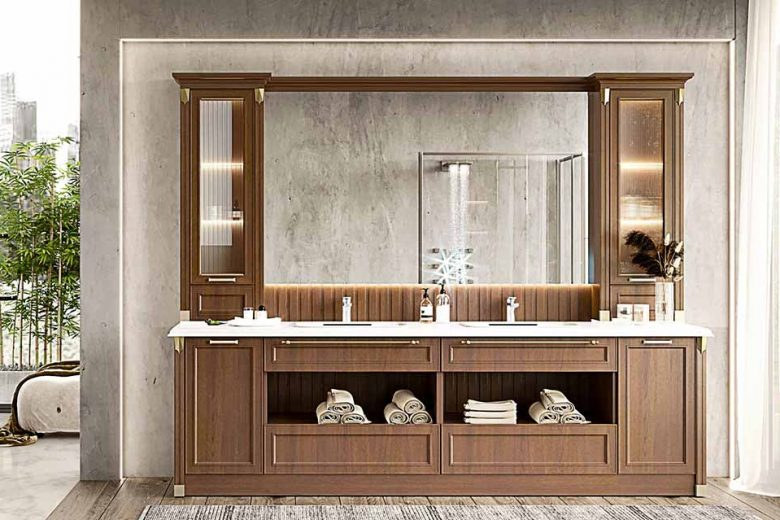
Another big move is the use of vertical space. Tall, narrow cabinets next to the vanity are becoming popular for storing linens and bulk items. This keeps the main vanity area free for daily essentials. Designers are also using mirror cabinets more creatively. Instead of just a flat mirror, you’ve got recessed shelving behind it, often with lighting integrated inside. It’s functional, but it doesn’t bulk up the room. The goal is seamless integration. You shouldn’t have to hunt for storage; it should just be there, waiting for you, invisible until you need it.
Warm Woods and Sustainable Choices
Sustainability isn’t a buzzword anymore; it’s a baseline expectation. In 2026, homeowners are asking where their materials come from. Is the wood FSC-certified? Is the finish low-VOC? Designers are responding by sourcing locally whenever possible. We’re seeing a lot of reclaimed wood being used for vanity accents, giving each piece a unique history. But it’s not just about the source; it’s about the longevity. A well-made wooden vanity can last decades. That’s sustainable by definition.
Warm wood tones are dominating the palette. Walnut, cherry, and white oak are bringing a natural warmth that balances out the coolness of tile and stone. These woods are often finished with oil or wax rather than heavy polyurethanes, which enhances the grain and feels softer to the touch. It’s a tactile experience. When you’re getting ready in the morning, touching a warm wood surface feels grounding. It connects you to nature, even if you’re in a high-rise apartment in the city.
There’s also a interesting trend toward hybrid materials. Designers are mixing wood with recycled glass countertops or concrete bases made with fly ash. It’s about reducing waste without sacrificing style. And let’s talk about durability again. These natural materials, when treated right, hold up incredibly well. They don’t chip like laminate. They don’t yellow like some plastics. They age gracefully. For many buyers, knowing that their vanity is made from responsible materials adds a layer of satisfaction that goes beyond aesthetics. It feels good to buy good.
Integrated Tech and Invisible Luxury
Okay, so we talked about hiding cords, but tech in the bathroom is getting smarter. In 2026, it’s about invisibility. You don’t want to see screens or buttons. You want the tech to just work. Defogging mirrors are standard now, but they’re getting thinner and more energy-efficient. Heated towel racks are being integrated directly into the vanity structure, so you grab a warm towel without having to reach across the room. It’s those little luxuries that make a big difference on a cold morning.
Lighting is another huge part of this. Under-cabinet lighting is no longer an afterthought. It’s integrated into the design, often with motion sensors so it turns on softly when you walk in at night. No more blinding overhead lights at 2 AM. Some high-end vanities even have circadian rhythm lighting, which changes color temperature throughout the day to match your body’s natural clock. Cooler light in the morning to wake you up, warmer light in the evening to help you wind down. It’s science meeting design.
Then there’s the faucet tech. Touchless faucets have been around, but they’re getting sleeker. No more bulky sensors. They’re hidden inside the spout or the deck plate. Water conservation is built-in, with aerators that maintain pressure while using less water. It’s efficient, but it doesn’t feel like a compromise. The tech serves the user, not the other way around. It’s about removing friction from your routine. You just turn on the water, wash up, and go. The vanity supports you, quietly and efficiently.
The era of buying a vanity off the shelf at a big-box store is fading. Sure, those options exist, but the real movement is toward customization. People have weird bathrooms. Odd angles, weird plumbing locations, specific height needs. Custom vanities solve these problems. In 2026, designers are seeing a huge demand for bespoke pieces that fit the exact dimensions of the space. It’s not just about size; it’s about lifestyle. Do you need a place for your makeup? A taller mirror? A lower counter for accessibility?
This customization allows for personal expression too. You can choose the exact shade of blue for the cabinet, or the specific type of stone for the top. It makes the bathroom feel uniquely yours. We’re seeing more mixed-height vanities, where one side is higher for standing tasks and the other is lower for sitting. It’s inclusive design. It considers everyone who uses the space. And with modular systems becoming more common, you can mix and match components to create something that’s technically custom but doesn’t carry the full custom price tag.
Storage customization is huge here too. If you have a lot of hair tools, you can specify a drawer with built-in outlets. If you have lots of skincare, you can add tiered organizers. It’s about tailoring the space to your actual life, not some idealized version of it. This shift means that the vanity is no longer just a piece of furniture; it’s a tool for living better. It adapts to you. And in a world that often feels rigid, having a space that bends to your needs is pretty powerful.
So, where does this leave us? The bathroom vanity in 2026 is quiet, warm, and incredibly smart. It’s not trying to shout for attention with glossy finishes or flashy hardware. Instead, it’s offering comfort, functionality, and a touch of nature. It’s about creating a space that feels like a retreat. Whether you’re doing a full remodel or just swapping out an old cabinet, the message is clear: choose warmth over shine, function over flash, and quality over quick fixes.
Think about how you use your bathroom. What frustrates you? What brings you joy? Maybe it’s the lack of storage, or the cold feel of the room. Use these trends as a guide, not a rulebook. Pick the elements that resonate with you. Maybe it’s the floating design to open up your small space. Maybe it’s the warm wood to add coziness. Or maybe it’s just the simple pleasure of a matte finish that doesn’t show every smudge.
At the end of the day, your bathroom should be a place where you can breathe. Where you can start and end your day with a sense of calm. The vanity is the heart of that experience. By choosing designs that prioritize human connection, sustainability, and smart functionality, you’re not just updating a room. You’re upgrading your daily ritual. And honestly? That’s worth every penny.