You know that feeling. You walk into your living room after a long day, ready to unwind, but the moment you flip the switch, it feels like an interrogation lamp has been turned on. The shadows are sharp. The light is cold. It bounces off the walls with a sterile, clinical glare that makes everything look flat and uninviting. It’s not just you. Millions of people are dealing with the same issue in 2026, stuck in homes built with efficiency in mind rather than comfort.
We’ve all been there. Staring at a single, bare bulb or a cheap fixture that casts weird shadows under our eyes, making us look tired even when we’re not. It ruins the vibe. It makes reading a book difficult. It makes watching a movie impossible without squinting. But here’s the good news: you don’t need to rewire your house or spend thousands on new fixtures to fix it. In fact, some of the best solutions cost less than a takeout dinner.
The secret isn’t in buying expensive designer lamps. It’s in understanding how light behaves and using simple, clever tricks to soften it. Whether you’re renting and can’t touch the wiring, or you’re a homeowner looking for a quick weekend project, there are ways to banish that harsh glow. Let’s dive into how you can transform your space from a sterile box into a cozy sanctuary, using stuff you probably have lying around.
The Bulb Swap: Your First Line of Defense
Before you buy anything new, look at what’s already screwed into those sockets. Chances are, you’re using bulbs that are too bright, too blue, or both. This is the easiest, cheapest fix with the biggest impact. Most standard LED bulbs sold in big-box stores are tuned to a "daylight" color temperature, usually around 5000K or higher. While this is great for seeing details in a garage, it’s terrible for relaxing in a living room. It mimics midday sun, which tells your brain to stay alert and awake. Not exactly what you want at 8 PM.
Swap those out for bulbs rated between 2700K and 3000K. This range gives you a warm, soft white light that resembles the glow of traditional incandescent bulbs or candlelight. It’s instantly softer on the eyes. But don’t stop at color temperature. Check the lumens, too. A 100-watt equivalent bulb might be overkill for a small bedside lamp or a hallway fixture. Dropping down to a 40 or 60-watt equivalent can reduce the intensity significantly. And if you can, look for bulbs with a high CRI (Color Rendering Index) of 90 or above. High CRI means colors look more natural and less washed out, which adds to that premium, comfortable feel.
Another pro tip? Go dimmable. Even if you don’t have a dimmer switch installed yet, buying dimmable bulbs future-proofs your setup. When you do get around to installing a simple plug-in dimmer or swapping out the wall switch (which is easier than you think), you’ll have full control over the mood. Being able to turn the lights down to 20% brightness in the evening changes everything. It turns a harsh floodlight into a gentle ambient glow. It’s a small change, but it makes your home feel custom-designed rather than mass-produced.
Diffuse the Light: Soften the Source
If changing the bulb isn’t enough, or if you’re dealing with a fixture that has no shade at all, you need to diffuse the light. Diffusion scatters the light rays, breaking up that direct, harsh beam into a softer, wider spread. Think of it like the difference between staring directly at the sun versus looking at the sky on a cloudy day. The cloud acts as a diffuser. You can create that same effect indoors with some clever DIY hacks.
One of the most popular trends on social media lately involves using paper lanterns or fabric shades. You can buy inexpensive paper lanterns from dollar stores or online retailers. If your ceiling fixture allows it, you can carefully attach a lantern over the existing bulb (making sure to keep a safe distance to prevent fire hazards—always check the wattage limits!). The paper softens the light beautifully, creating a warm, orb-like glow. For a more rustic look, try using a colander or a woven basket as a makeshift shade. Just ensure the material is heat-resistant and the bulb is LED (which runs cool).
For pendant lights or exposed bulbs, consider adding a directional baffle. This sounds technical, but it’s basically just a piece of material that blocks the direct line of sight to the bulb. You can craft one from cardboard, painted white on the inside to reflect light downward, or use a frosted acrylic sheet cut to size. The goal is to prevent your eyes from seeing the bright filament or LED chip directly. When you can’t see the source of the light, the glare disappears. It’s a simple physics trick that works wonders. Some people even use parchment paper taped loosely over old fluorescent panels in kitchens to achieve a similar softening effect. It’s not pretty, but it works in a pinch.
Layering: The Art of Turning Off the Big Light
Here’s a radical idea: stop using your overhead lights as your primary source of illumination. Interior designers call this "layering," and it’s the single most effective way to kill harsh overhead glare. Instead of relying on one big light in the center of the ceiling, use multiple smaller sources at different heights. This creates depth, reduces shadows, and makes the room feel larger and more inviting.
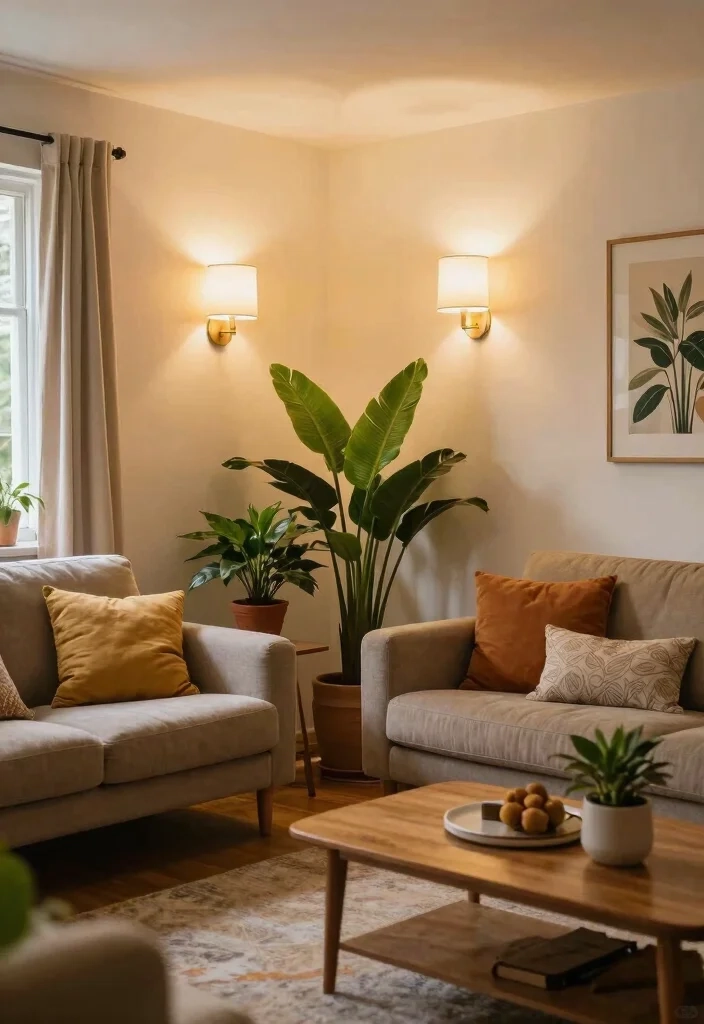
Start with floor lamps and table lamps. Place them in corners or next to seating areas. The light from these sources hits the walls and ceilings indirectly, bouncing back into the room as a soft, ambient glow. This is called indirect lighting, and it’s incredibly flattering. If you’re renting and can’t install hardwired sconces, look for plug-in wall sconces. They hang from a hook or adhere with strong command strips, plugging directly into an outlet. They provide eye-level light that’s perfect for reading or chatting, taking the burden off the ceiling fixture.
Don’t forget about accent lighting. LED strip lights are cheap, versatile, and easy to install. Stick them behind your TV, under kitchen cabinets, or along the back of a sofa. In 2026, these strips are smarter and brighter than ever, with apps that let you adjust color and brightness instantly. One TikTok user recently showed off how they used Command Strips to run LED strips behind their couch, creating a custom backlight that eliminated the need for overhead lights entirely during movie nights. It’s a small tweak, but it shifts the focus away from the ceiling and toward the lived-in parts of your room.
Reflect and Redirect: Use Your Walls
Light doesn’t just come from the bulb; it comes from where the bulb hits. If your walls are dark or matte, they absorb light, forcing your fixtures to work harder and often resulting in a spotty, uneven look. Conversely, if your walls are glossy, they might create harsh reflections. The trick is to use reflection to your advantage. Light-colored walls naturally bounce light around the room, softening it and distributing it more evenly. If painting isn’t an option, consider adding large mirrors.
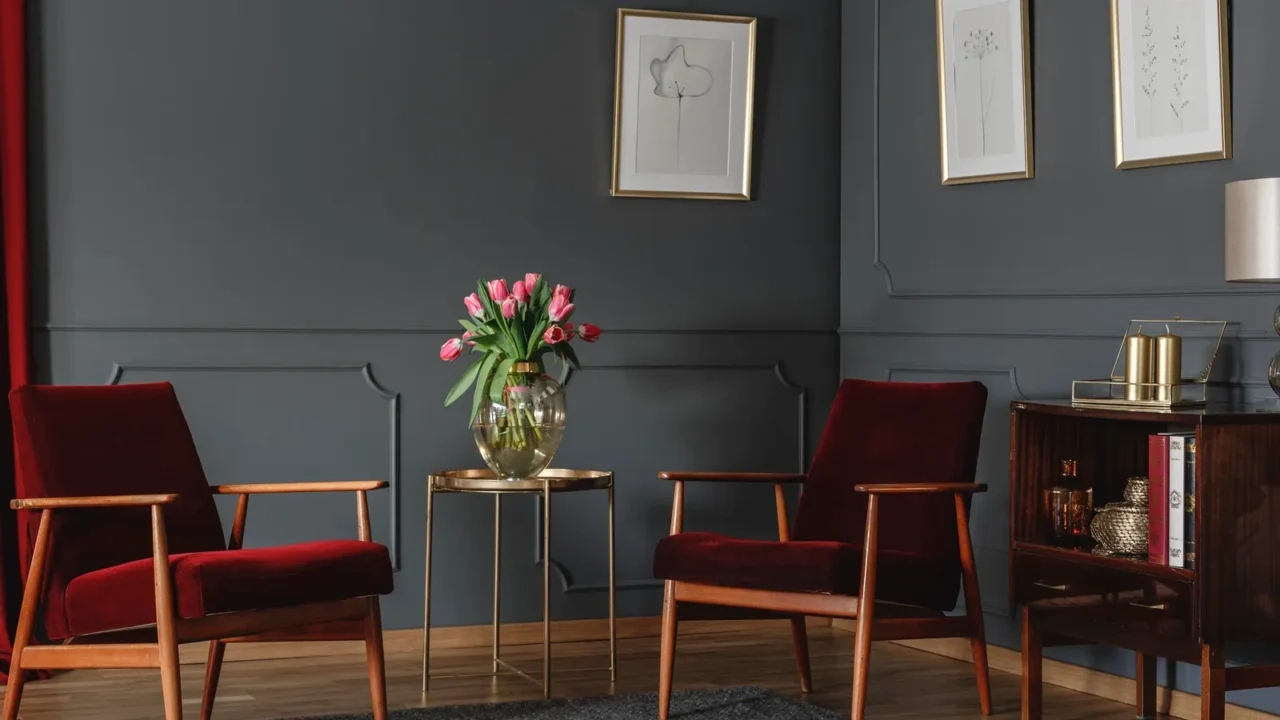
Mirrors are like magic for lighting. Placing a mirror opposite a window or a light source doubles the amount of light in the room and spreads it out. But be careful with placement. You don’t want the mirror to reflect the bare bulb directly into your eyes. Instead, angle it so it reflects the softened light from a lamp or the general ambient glow. You can also use metallic decor items—like a gold-framed picture or a brass vase—to catch and scatter light in subtle, interesting ways. These small points of reflection break up the monotony of flat lighting.
Another strategy is to redirect the light physically. If you have track lighting or recessed cans, check if the bulbs are adjustable. Often, they’re pointed straight down, creating intense pools of light on the floor and leaving the rest of the room dark. Tilt them toward the walls instead. This technique, known as "wall washing," illuminates the vertical surfaces, which makes the whole room feel brighter and more open without the harsh glare of direct downward light. It’s a free adjustment that takes five minutes but completely changes the geometry of the light in your space.
Smart Controls and Plug-In Solutions
Sometimes the problem isn’t just the quality of the light, but the lack of control. On/off switches are blunt instruments. They give you 100% brightness or nothing. Life is rarely that binary. Adding dimming capabilities is one of the best upgrades you can make, and you don’t need an electrician to do it. Plug-in dimmer switches are widely available and cost around $15 to $20. You simply plug the lamp into the dimmer, and the dimmer into the wall. Now you have infinite adjustability.
For overhead fixtures that are hardwired, you can replace the standard wall switch with a dimmer switch. It’s a straightforward DIY project if you’re comfortable turning off the breaker and using a screwdriver. Just make sure you buy a dimmer compatible with LED bulbs, as older dimmers designed for incandescents can cause flickering or buzzing. If wiring scares you, smart bulbs are a fantastic alternative. Brands like Philips Hue, Govee, and Wyze offer bulbs that connect to Wi-Fi or Bluetooth. You can control brightness and color temperature from your phone or voice assistant.
These smart systems allow you to create "scenes." You can set a "Movie" scene that dims the lights to 10% and warms the color, or a "Reading" scene that brightens a specific corner. In 2026, these systems are more affordable and user-friendly than ever. They integrate with almost every smart home platform, meaning you can automate your lighting to adjust based on the time of day. Imagine your lights slowly dimming as the sun sets, helping your body prepare for sleep. It’s not just about convenience; it’s about aligning your environment with your natural rhythms.
If you’re feeling crafty, why not make your own light covers? This is where you can really personalize your space and solve specific glare issues. An old, outdated fixture with a cracked glass shade? Don’t throw it out. Cover it. You can use fabric, rice paper, or even thin wood veneers to create a new shade. For a bohemian vibe, try wrapping a wire frame with twine or beads. The gaps in the material will create interesting patterns of light and shadow, turning a harsh glare into a decorative feature.
Rice paper is a classic material for lampshades because it’s translucent, durable, and cheap. You can buy sheets of it at art supply stores. Stretch it over a simple frame made from wire hangers or embroidery hoops. It diffuses light evenly and adds a textured, organic look to the room. Another fun idea is to use perforated metal sheets or laser-cut cardboard. These materials block some of the direct light while allowing beams to escape through the holes, creating a starry-night effect on the ceiling and walls. It’s playful and effective.
Don’t underestimate the power of plants, either. Placing a tall, leafy plant near a light source can filter the light. The leaves break up the beam, casting dappled shadows that mimic sunlight filtering through trees. It’s a natural diffuser that adds life and color to the room. Just make sure the plant isn’t touching the bulb, especially if it’s an older, hotter type. With LEDs, the risk is minimal, but it’s still good practice to keep a safe distance. These organic elements soften the hard lines of modern architecture and lighting, making the space feel more grounded and calm.
So, there you have it. Harsh overhead lighting doesn’t have to be a life sentence. By swapping bulbs, adding diffusion, layering your sources, reflecting light wisely, using smart controls, and getting a little creative with covers, you can transform your home. It’s not about perfection. It’s about experimentation. Try one thing this weekend. Maybe just change a bulb. Or move a lamp. See how it feels. Your eyes—and your nerves—will thank you. After all, home should be the place where you can finally relax, not squint.