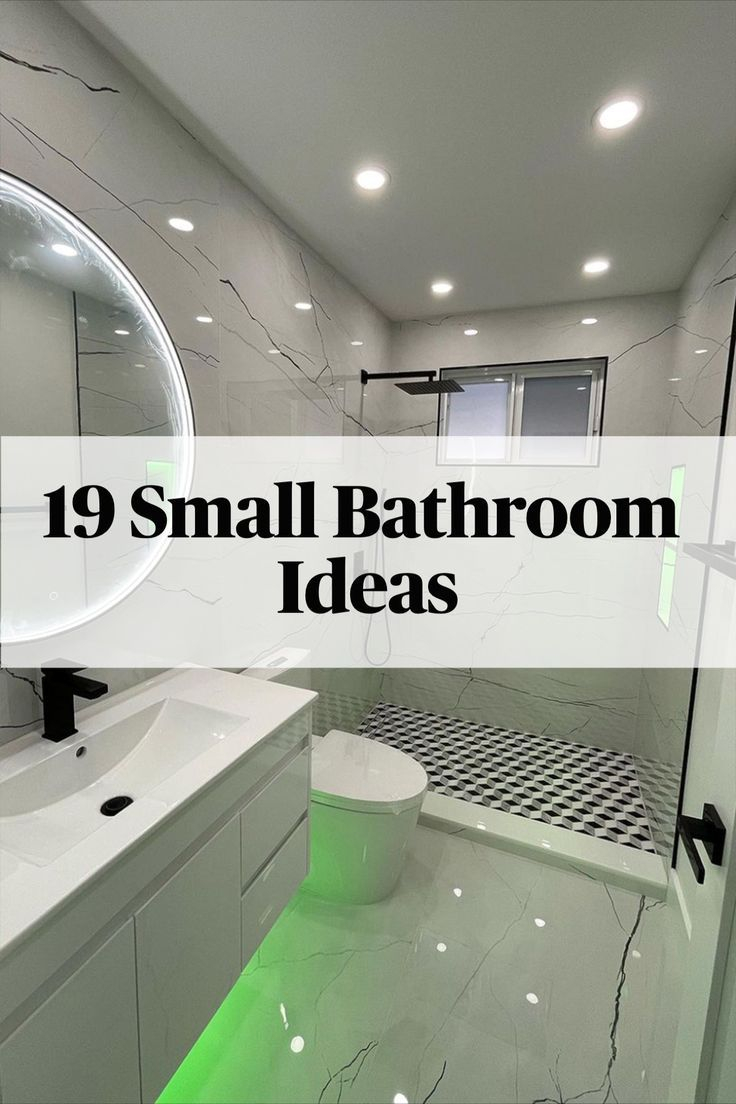
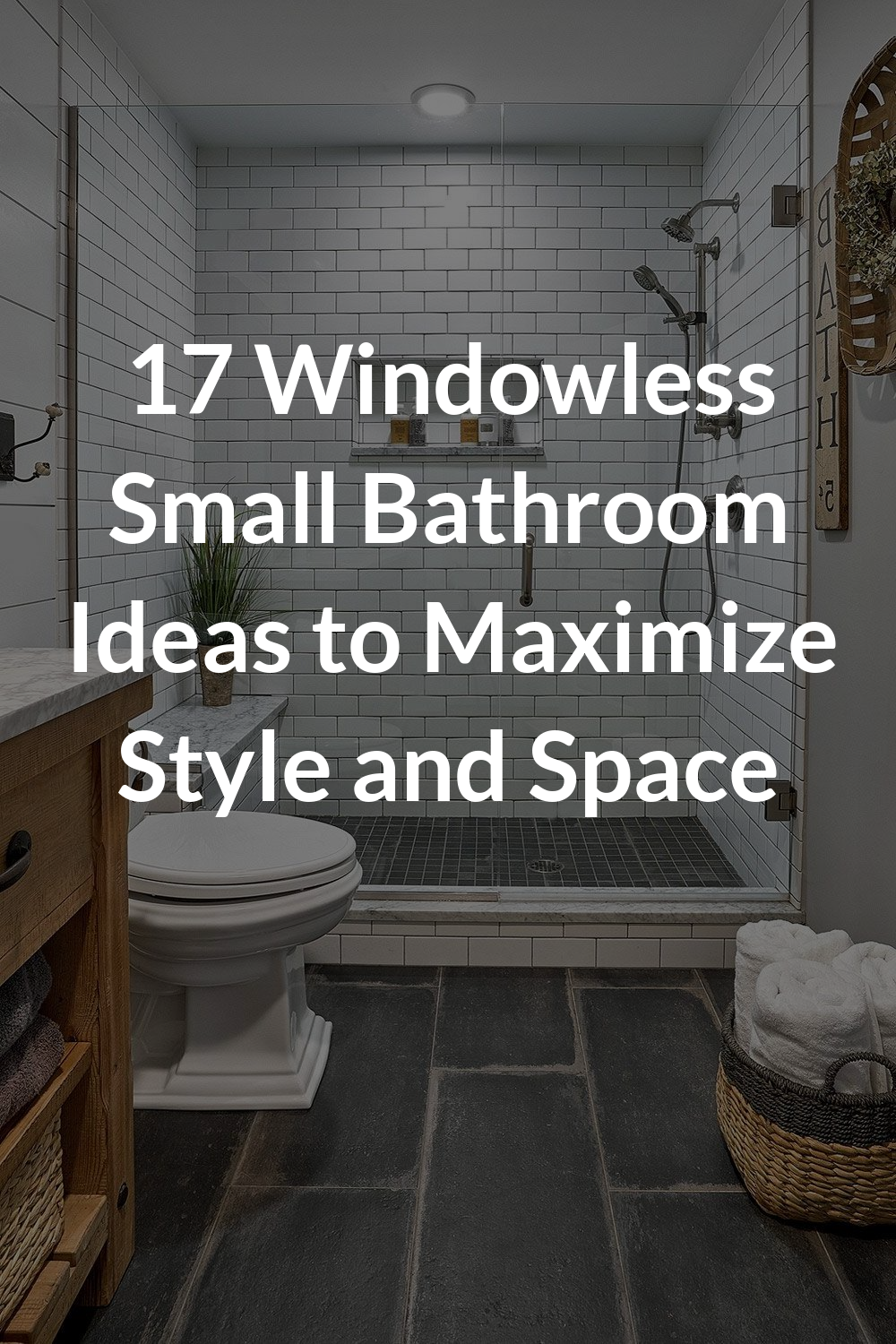
Remember those bathrooms from five years ago? The ones that looked less like a place to wash up and more like a surgical theater? You know the type. Cold white tiles, sharp chrome edges, and enough negative space to land a helicopter in. For a long time, we were told that was "luxury." We were told that clean lines meant a clean mind. But let’s be honest. It was kinda cold. Literally and figuratively.
Now, in 2026, the vibe has shifted. Hard. If you walk into a newly renovated home or flip through the latest design catalogs, you won’t see that sterile, hospital-chic aesthetic dominating the scene. Instead, you’re seeing color. Texture. Things that look like they’ve been loved. The pendulum has swung back from extreme minimalism to something far more human. It’s about warmth. It’s about personality. And frankly, it’s about time.
This isn’t just a fleeting fad. It’s a response to how we live now. After years of uncertainty and a global push toward health and hygiene that left our spaces feeling clinical, we are craving comfort. We want our bathrooms to feel like a hug, not an inspection. This shift is redefining what it means to have a "modern" bathroom. It’s no longer about how little you can have. It’s about how much feeling you can pack into the room.
The Psychological Shift: From Clinical to Comfortable
For decades, the dominant narrative in interior design was that clutter was the enemy. Minimalism was the hero. We stripped our homes bare, believing that empty surfaces equated to peace. But psychology tells us a different story. Humans are tactile creatures. We crave connection with our environment. A room that is too perfect, too clean, and too white can actually increase anxiety rather than reduce it. It feels temporary. Unlived-in.
In 2026, designers are finally listening to this need for psychological safety. The bathroom, often the first place we go in the morning and the last place we visit at night, is being reimagined as a sanctuary. This means moving away from high-gloss, reflective surfaces that show every water spot and fingerprint. Instead, we are seeing matte finishes, soft curves, and materials that invite touch. Think of the difference between touching a cold slab of marble and running your hand over warm, oiled wood. One demands perfection; the other offers comfort.
This shift is also about authenticity. People are tired of spaces that look like they belong in a magazine spread but feel impossible to maintain in real life. The new warmth trend acknowledges that life is messy. It embraces materials that age well, like brass that patinas or stone that varies in color. It’s a move toward "imperfect perfection." By allowing for personality—whether that’s a quirky tile pattern or a vintage mirror found at a flea market—we make the space ours. It stops being a showroom and starts being a home.
Materials That Feel Alive: Wood, Stone, and Clay
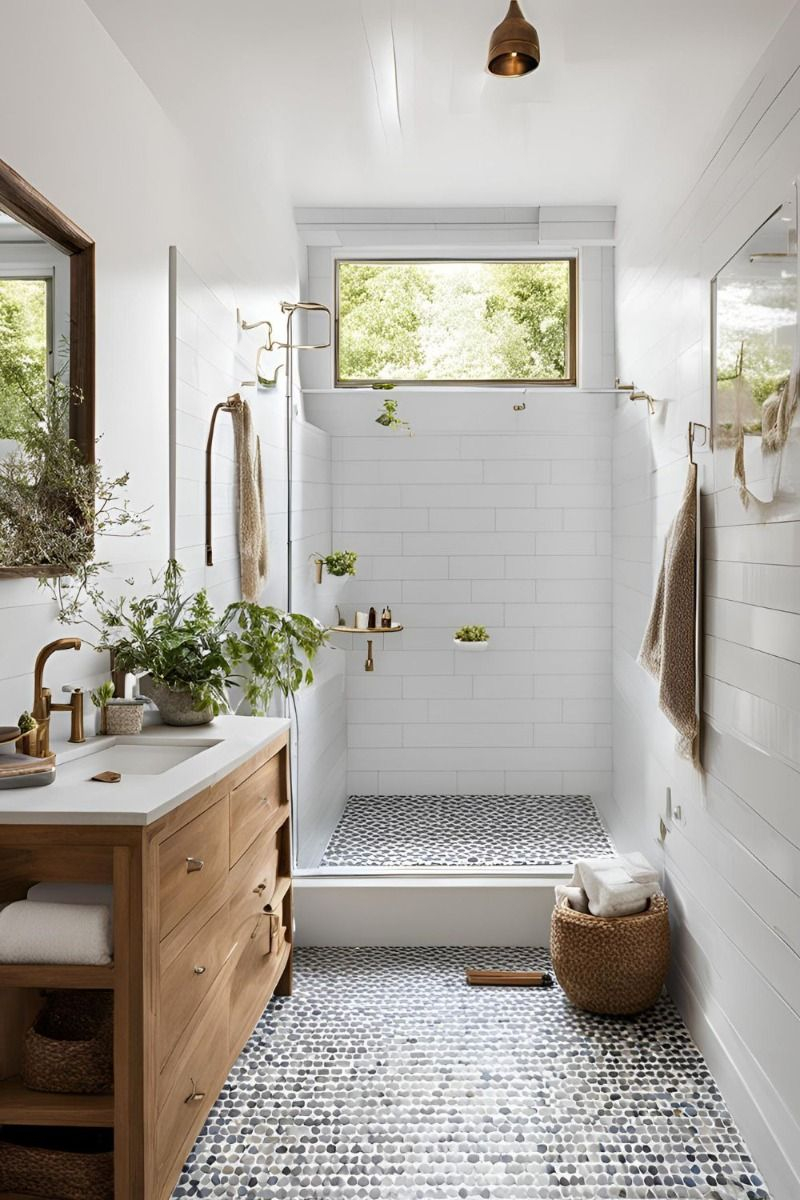
If you want to spot a 2026 bathroom, look at the floors and walls. The era of the giant, seamless white porcelain slab is waning. In its place, we are seeing a resurgence of natural materials that bring organic warmth into the room. Wood, once considered taboo in wet areas due to fear of warping, is back with a vengeance. Thanks to advanced sealing technologies and engineered options like teak and cedar that resist moisture, wooden vanities, shelving, and even accent walls are becoming common. They add instant heat to the visual temperature of the room.
Stone is also getting a makeover. We aren’t just talking about Carrara marble anymore. Designers are reaching for warmer stones like travertine, limestone, and sandstone. These materials come in earthy tones—creams, tans, soft oranges, and deep browns. They have texture. You can feel the pits and veins. This tactile quality grounds the space. It connects the indoors with the outdoors, a concept known as biophilic design, which has gained massive traction in recent years. Bringing elements of nature inside reduces stress and boosts wellbeing.
Then there is clay. Terracotta and zellige tiles are everywhere. Unlike machine-perfect ceramic tiles, these handmade options have variation. Each tile is slightly different in shape and color. When you install them, the result is a shimmering, uneven surface that catches the light in beautiful, unpredictable ways. It adds depth and character. It’s the antithesis of the sterile, uniform grid. Using these materials isn’t just an aesthetic choice; it’s a statement that you value craftsmanship and natural beauty over industrial uniformity. It makes the room feel alive.
Color Comes Out of Hiding
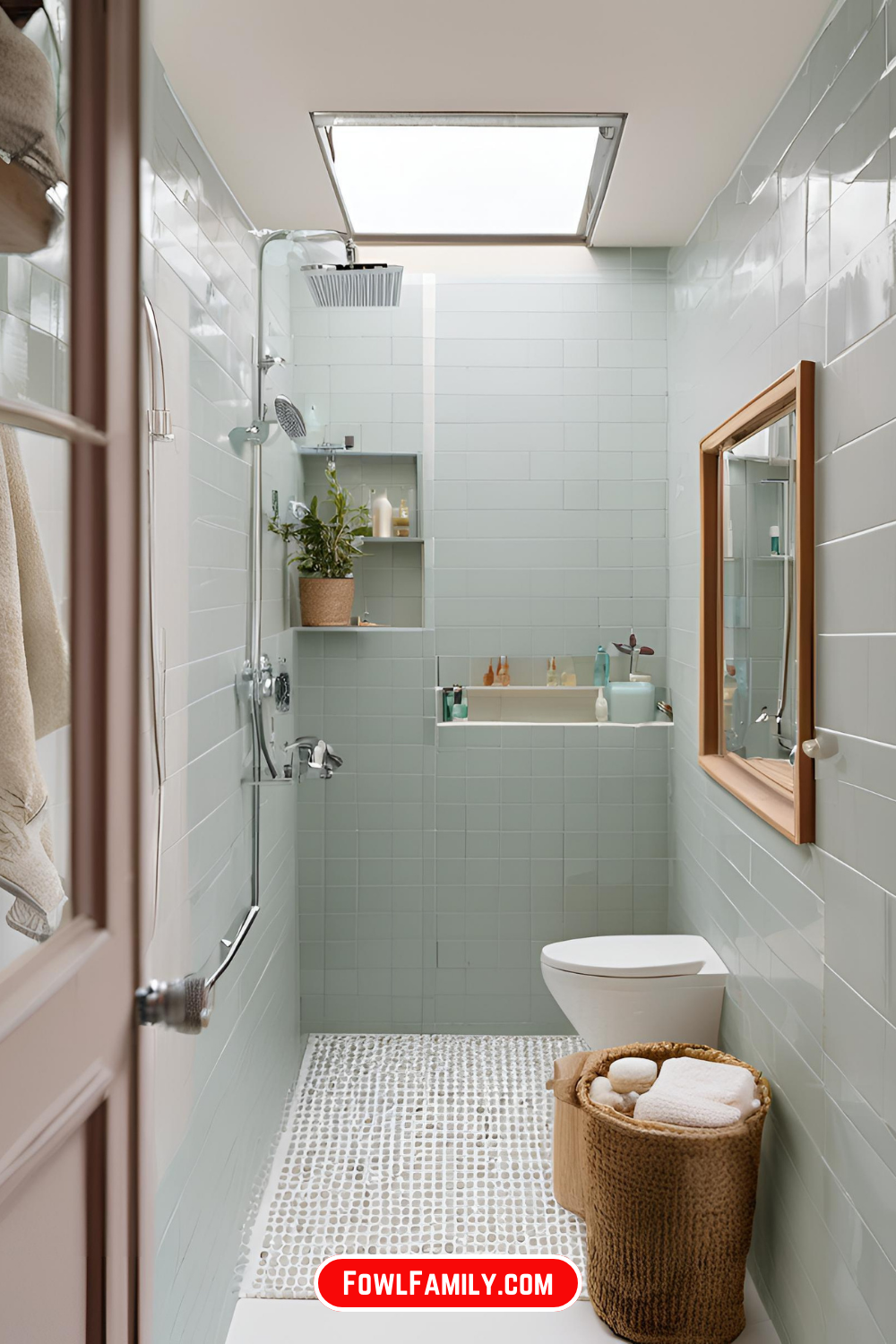
Let’s talk about color. For a long time, the safe bet for a bathroom was white. Maybe gray if you were feeling daring. But in 2026, color is not just accepted; it’s expected. However, this isn’t about neon brights or chaotic patterns. The trend is toward earthy, soothing hues that wrap around you. Think sage green, terracotta red, deep navy, and warm beige. These colors create a cocooning effect. They make the room feel smaller, yes, but also cozier and more intimate.
Paint is playing a bigger role too. Waterproof paints have improved significantly, allowing homeowners to use rich, saturated colors on walls without worrying about mold or peeling. A deep green vanity paired with cream walls creates a sophisticated, library-like feel. It’s unexpected in a bathroom, which is exactly the point. It brings personality. It shows that the homeowner has taste and isn’t afraid to use it. This move away from neutral monotony allows for self-expression. Your bathroom can reflect your mood, your heritage, or your favorite landscape.
Even when people stick to neutrals, they are choosing warm neutrals. Cool grays are out. Warm taupes, mushrooms, and ochres are in. These shades work better with natural light and artificial lighting alike. They don’t cast that blue, sickly shadow that cool tones often do. Instead, they glow. They make skin tones look healthier and the space feel inviting. It’s a subtle change, but the impact is huge. A room painted in a warm beige feels fundamentally different from one painted in stark white. It feels like a place where you can relax, not just perform hygiene routines.
Lighting: Setting the Mood, Not Just Illuminating
Lighting can make or break a bathroom. In the sterile minimalism era, the goal was often maximum brightness. Overhead recessed lights were placed everywhere to eliminate shadows. The result? A flat, unflattering glare that made everyone look tired. It was functional, sure, but it wasn’t flattering. And it certainly wasn’t relaxing. In 2026, the approach to lighting is all about layers and warmth. The keyword here is "ambiance."
Designers are prioritizing low-level lighting. Think sconces at eye level beside the mirror, pendant lights hanging over the tub, or even LED strips tucked under vanities. These sources create a soft, diffused glow that mimics the light of sunset or candlelight. The color temperature of bulbs has shifted too. We are moving away from the harsh 4000K-5000K "daylight" bulbs toward warmer 2700K-3000K tones. This warmer light enhances the earthy materials and colors discussed earlier, making wood look richer and stone look softer.
Dimmers are no longer optional; they are essential. Being able to lower the lights for a evening bath transforms the room from a utility space to a spa. It signals to your brain that it’s time to wind down. Some smart lighting systems now even adjust throughout the day, brighter in the morning to help you wake up and warmer in the evening to help you sleep. This attention to circadian rhythms is part of the broader wellness trend. It’s about using light to support your body’s natural needs, not just to see where the toothbrush is.
The Rise of "Furniture-Style" Vanities
Gone are the days of the bulky, boxy vanity that looks like it was bolted to the wall in a factory. The 2026 trend is treating bathroom storage like furniture. We are seeing vanities that look like antique dressers, mid-century modern sideboards, or custom cabinetry with detailed joinery. Legs are visible. Doors have panels. Hardware is chosen with care, often in brushed brass, blackened steel, or ceramic knobs. This adds a layer of domesticity to the room.
This shift serves two purposes. First, it breaks up the monotony of tiled walls and floors. A wooden vanity with legs creates visual interest and allows light to flow underneath, making the room feel larger and airier despite the heavier materials. Second, it adds history and soul. A piece that looks like it could have been inherited feels grounded. It contrasts nicely with modern fixtures like sleek faucets or rain showerheads. This mix of old and new is key to achieving that personalized look.
Storage is also becoming more open and accessible. While closed cabinets are still necessary for hiding the ugly stuff (like cleaning supplies), open shelving is popular for displaying beautiful items. Nice towels, stacked soaps, plants, or art objects. This encourages users to curate their space. It turns the bathroom into a gallery of small, meaningful things. It’s a rejection of the idea that everything must be hidden away. If it’s beautiful, show it off. This openness contributes to the feeling of warmth and lived-in comfort.
Wellness and Sustainability: The Hidden Drivers
Underpinning all these aesthetic choices are two major drivers: wellness and sustainability. The sterile minimalism trend was often wasteful, relying on synthetic materials and frequent updates to stay "current." The new warmth trend is rooted in longevity. Natural materials like stone and wood last for decades if cared for. They don’t go out of style because they are timeless. This aligns with a growing consumer desire to buy less but buy better. It’s sustainable design in action.
Wellness is equally important. The bathroom is increasingly seen as a personal wellness hub. Features like heated floors, towel warmers, and air-purifying plants are becoming standard. The use of non-toxic, low-VOC paints and sealants ensures that the air quality remains high. The sensory experience—how the floor feels underfoot, how the light hits your face, the smell of natural wood—is curated to reduce stress. This holistic approach recognizes that our environment affects our mental health.
Moreover, this trend supports local artisans. Handmade tiles, custom woodwork, and artisanal fixtures often come from smaller studios rather than massive factories. This supports local economies and reduces the carbon footprint associated with shipping mass-produced goods across the globe. When you choose a handmade sink, you’re not just buying a object. You’re supporting a craft. This connection adds another layer of meaning to the space. It feels good to know the story behind what you own.
So, how do you bring this warmth into your own bathroom? You don’t need to gut the whole room. Start small. Swap out cold chrome hardware for something warmer, like brushed gold or matte black. Add a wooden stool or a small shelf for plants. Plants are an easy win. Ferns, pothos, and snake plants thrive in humidity and add a burst of life and color. They soften the hard edges of tiles and mirrors.
Textiles are another easy update. Ditch the thin, scratchy towels for thick, plush ones in earthy tones. Add a bath mat that feels good on your feet, maybe something made of cotton or wool instead of synthetic microfiber. These small touches add layers of texture and comfort. They make the room feel softer. Lighting is another quick fix. Change your bulbs to a warmer temperature and add a small lamp or candle for evening use. The difference in mood will be immediate.
If you’re ready for a bigger change, consider painting. A single accent wall in a warm, earthy tone can transform the space. Or, replace a cold, large-format tile with something smaller and more textured, like zellige or mosaic. The key is to think about how the space feels, not just how it looks. Ask yourself: Does this make me feel calm? Does it feel like me? If the answer is no, tweak it. Add a piece of art. Hang a mirror with a interesting frame. Bring in a basket. Let your personality seep in. The goal is a space that welcomes you, not one that just functions.
The shift away from sterile minimalism in 2026 is more than just a design trend. It’s a cultural correction. We are realizing that our homes should nurture us, not just house us. The bathroom, often overlooked, is a prime candidate for this transformation. By embracing warmth, texture, and personality, we create spaces that support our wellbeing and reflect our humanity. So, go ahead. Leave the perfect white behind. Choose the warm beige. Pick the wood with the knot in it. Light a candle. Make it yours.