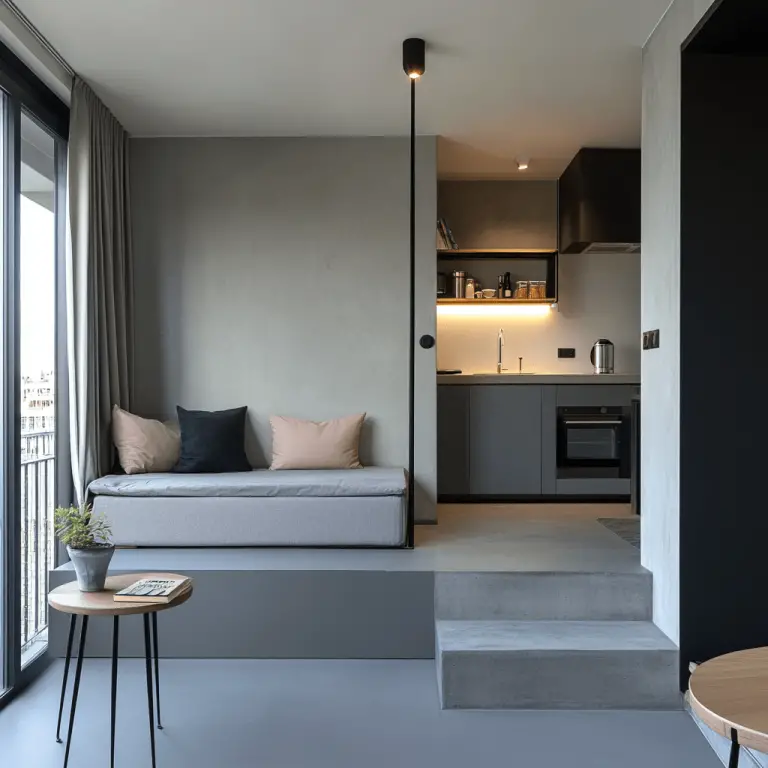
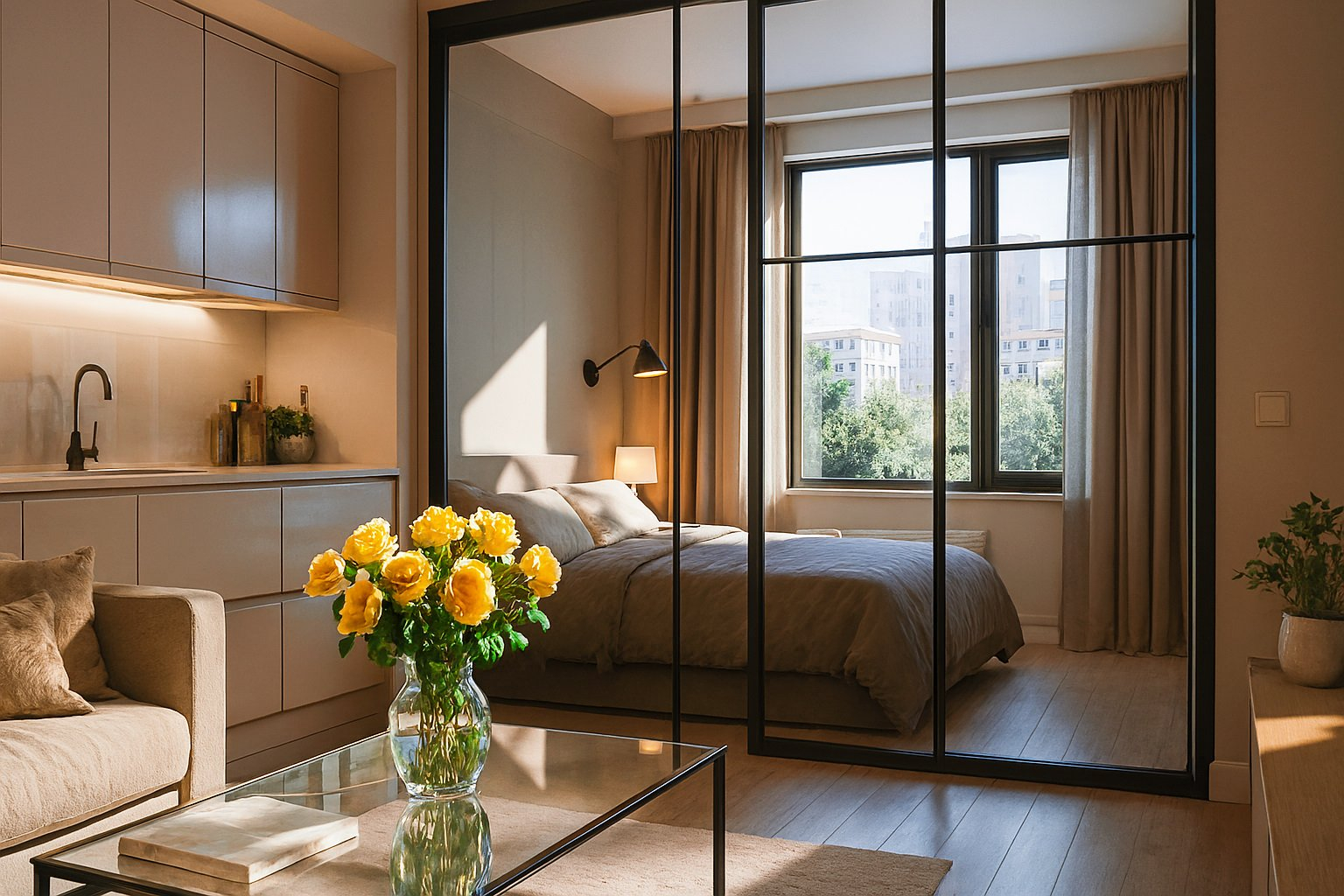
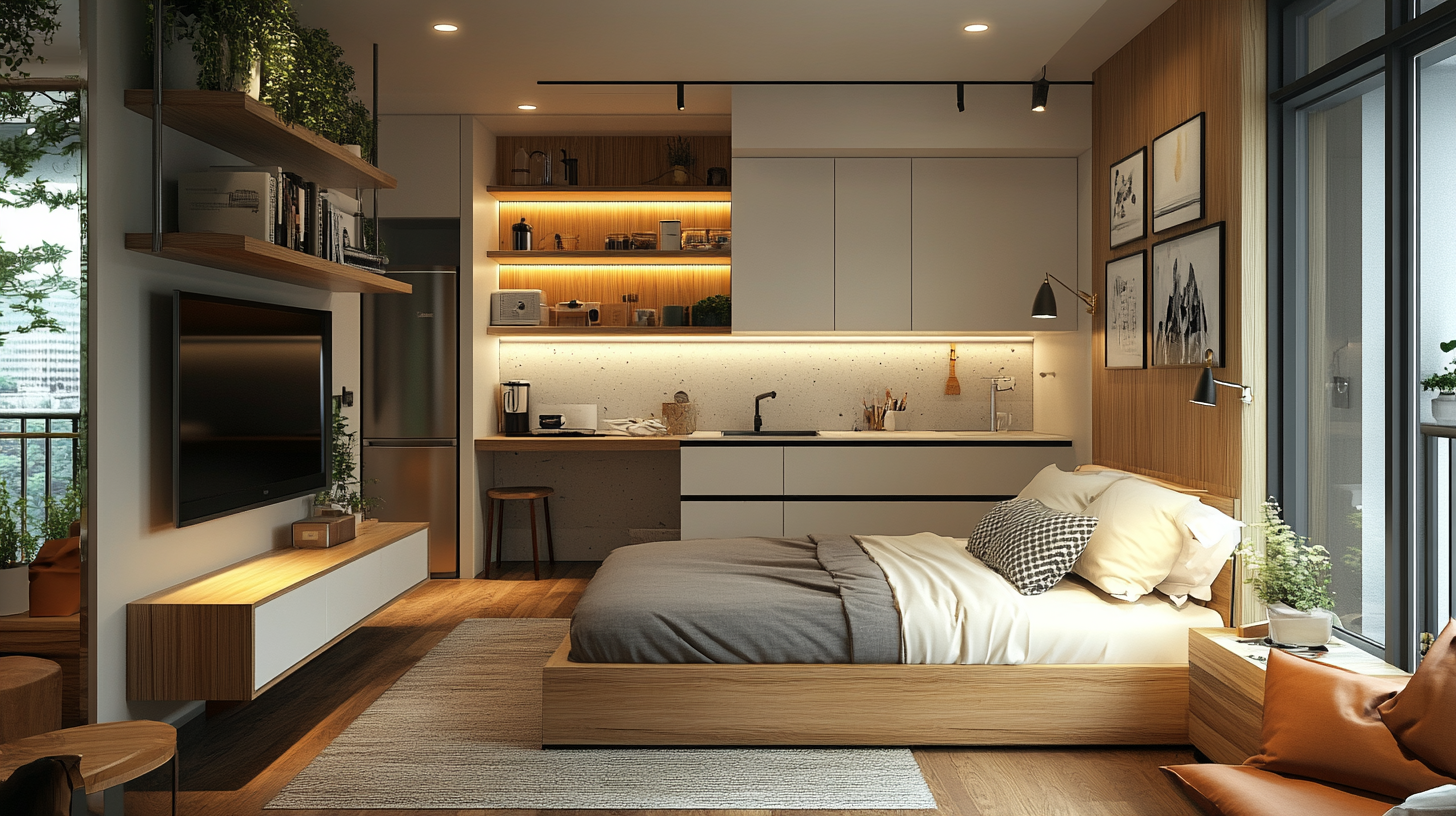
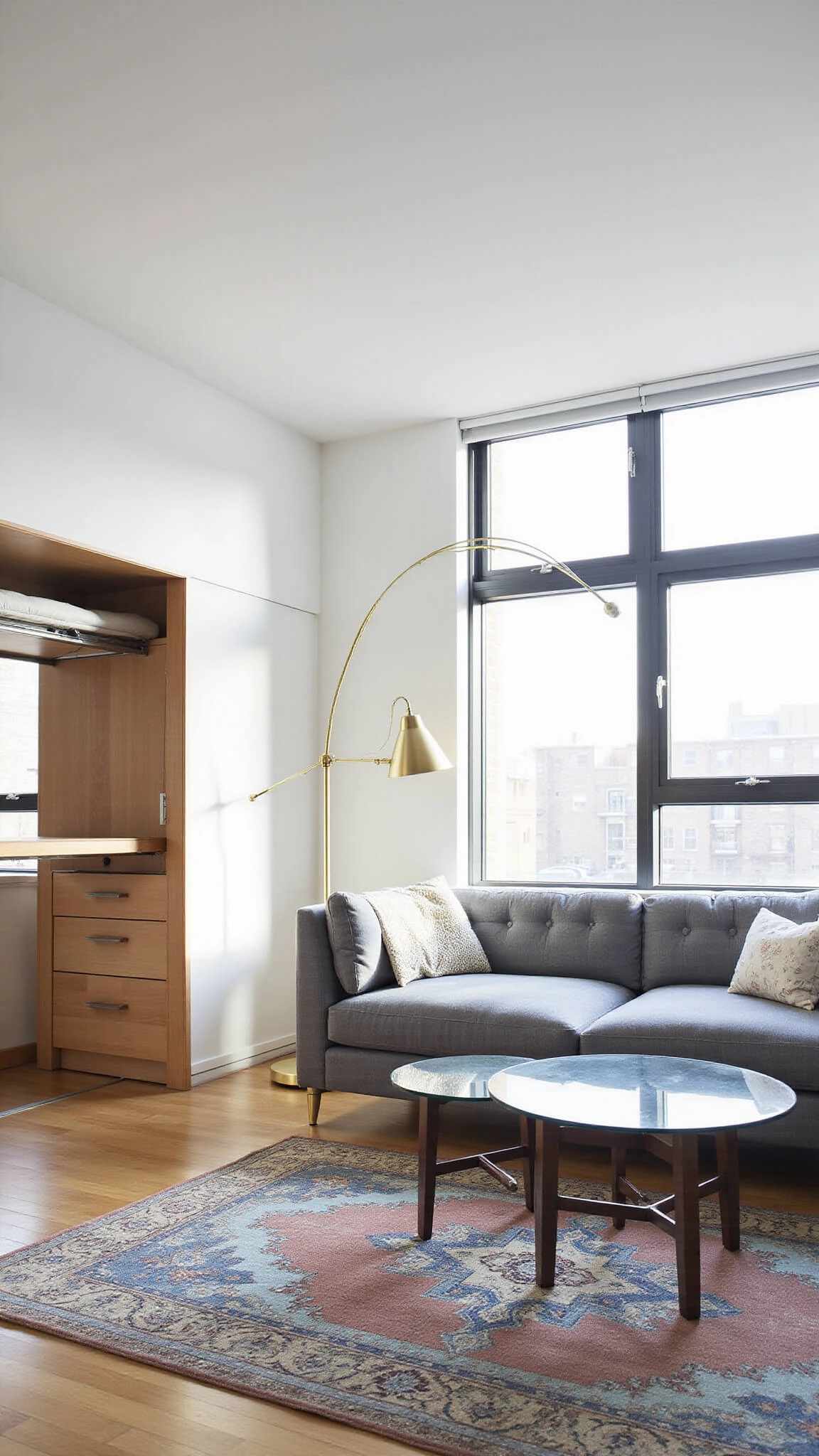
Ever walked into a tiny apartment and felt like you could breathe? It’s rare, right. Usually, small spaces feel suffocating the moment you step inside. Clutter piles up on every surface. You trip over shoes. You can’t find your keys because they’re buried under a mountain of mail on the counter. It’s exhausting. But then there are those other places. The ones that feel airy. Open. Calm. Even though they’re the same square footage as the chaotic ones. What’s the difference. It isn’t magic. It’s invisible storage.
In 2026, living small isn’t just a trend for minimalists anymore. It’s a reality for millions of us. Rents are high. Cities are dense. We’re squeezing into studios and one-bedrooms that were never designed for modern life. But here’s the good news. You don’t need to throw away half your belongings to feel sane. You just need to hide them better. The art of invisible storage is about tricking the eye. It’s about making the stuff you need disappear so the space you have can shine. It’s not about having less. It’s about seeing less.
The Psychology of Visual Noise
Why does clutter make a room feel smaller. It’s all about visual noise. When your eyes scan a room, they land on every object. A bright red mug. A stack of books. A tangled charger. Each item demands attention. In a large room, this isn’t a big deal. There’s plenty of empty space to rest your gaze. But in a tiny room. Every inch counts. If fifty percent of what you see is "stuff," your brain registers the room as half-empty of space. It feels cramped. Chaotic. Stressful.
Invisible storage solves this by removing the noise. Think of it like turning down the volume on a loud radio. When the background noise fades, you can finally hear yourself think. Same with your home. When surfaces are clear, your eyes travel further. They hit the walls. The windows. The ceiling. This creates an illusion of depth. A study on spatial perception suggests that uninterrupted sightlines can make a room feel up to thirty percent larger. That’s huge. Literally.
The key is consistency. One hidden drawer won’t fix the problem if the rest of the room is exposed. You need a system. Open shelving looks great in magazines, but in real life, it’s a trap. Dust settles. Items look messy. In a small open-plan space, everything is in the same visual field. That means your kitchen clutter competes with your living room relaxation vibe. By hiding things behind closed doors or inside furniture, you create pockets of silence. Visual silence. And that silence is what makes a tiny room feel huge.
Furniture That Works Double Duty
Let’s talk about furniture. In a small space, every piece needs to earn its keep. If a chair is just a chair, it’s wasting potential. The best invisible storage happens inside the things you already own. Take the bed, for example. It’s the biggest item in most bedrooms. Underneath it is a vast, dark cave of wasted space. Sliding in plastic bins is okay, but it’s not elegant. It’s hard to access. Instead, look for beds with built-in drawers or lift-up mechanisms. These allow you to store off-season clothes, extra linens, or even luggage. It’s all there, but you never see it.
Sofas are another goldmine. Many modern designs come with hidden compartments in the chaise or under the seats. You’d be surprised how many throw blankets, board games, or remote controls can fit in there. Ottomans too. A hollow ottoman can serve as a coffee table, a footrest, and a storage box for kids’ toys or magazines. It’s three items in one. This reduces the total number of pieces in the room, which instantly opens up floor space. Less furniture equals more air.
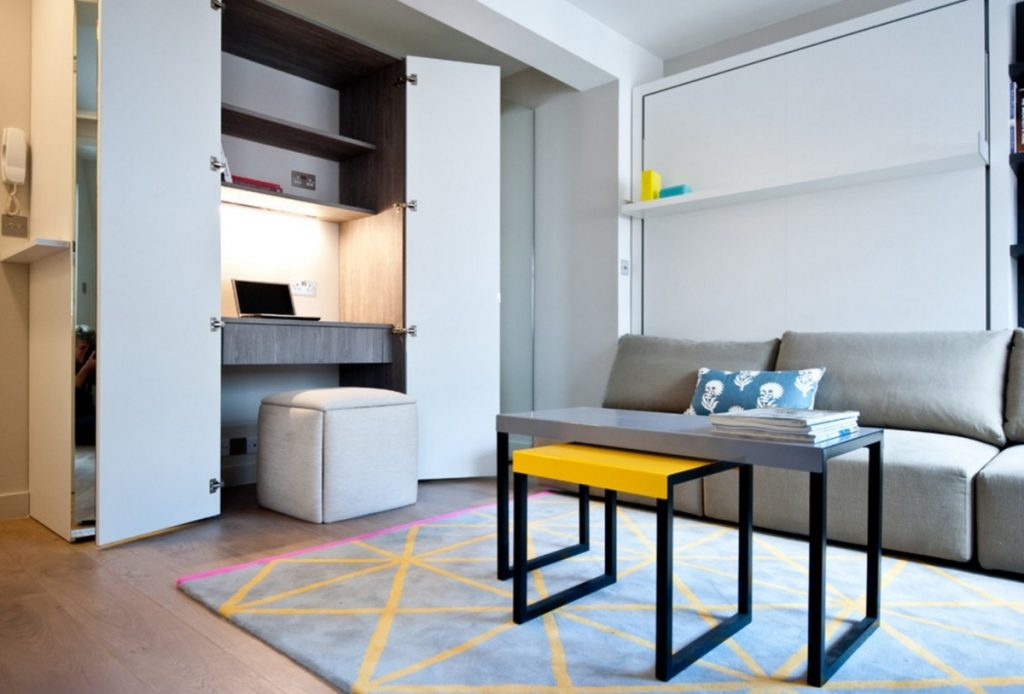
Don’t forget vertical space. Wall-mounted desks that fold flat against the wall are a game changer for home offices. When you’re done working, you fold it up. The office disappears. The room becomes a dining area or a yoga studio again. This flexibility is crucial in 2026, where our homes serve multiple roles. Multi-functional furniture isn’t just about saving space. It’s about saving your sanity. It lets you switch modes without moving heavy objects around. It keeps the visual field clean. And when the visual field is clean, the room feels bigger than it is.
The Magic of Flush Walls and Built-Ins
Built-ins are the holy grail of invisible storage. Why. Because they disappear into the architecture. A freestanding bookshelf sticks out. It casts shadows. It breaks up the wall line. A built-in unit, however, sits flush with the wall. It becomes part of the wall. If you paint it the same color as the surrounding surface, it virtually vanishes. This is a technique used by designers in Barcelona and Tokyo, where space is at a premium. They don’t add storage. They integrate it.
Consider the space above doorways. Most people leave this blank. But installing shallow cabinets above doors can hold books, decor, or rarely used items. Because it’s high up and flush, you barely notice it. Same with alcoves. If your apartment has weird nooks, don’t leave them empty. Fill them with custom shelves that match the wall color. Add doors if you want true invisibility. The goal is to make the storage recede. You want your guests to wonder where you put all your stuff, not admire your shelving units.
Floor-to-ceiling cabinetry is another powerful tool. By extending storage all the way to the ceiling, you draw the eye upward. This emphasizes height, which makes the room feel grander. Plus, you gain massive amounts of storage without taking up extra floor space. Use handle-less doors for a sleek, seamless look. Push-to-open mechanisms eliminate visual clutter from hardware. The result is a smooth, unbroken surface that reflects light and expands the sense of space. It’s minimalist, but not cold. It’s functional, but not obvious. That’s the balance.
Camouflage Through Color and Texture
Color plays a huge role in invisibility. Dark colors absorb light. Light colors reflect it. In a tiny room, you generally want reflection. But it’s not just about painting everything white. It’s about matching. If your storage units are the same color as your walls, they blend in. This is called "camouflage storage." It works best with matte finishes, which reduce glare and shadows. Glossy finishes can highlight imperfections and draw attention to the edges of cabinets. Matte keeps things soft. Subtle.
Texture matters too. If your walls have a slight texture, consider using materials for your cabinet fronts that mimic that texture. Wood grain, linen-wrapped doors, or even textured laminates can help storage units merge with their surroundings. The idea is to avoid contrast. High contrast creates boundaries. Boundaries define limits. Limits make a room feel small. Low contrast blurs boundaries. It makes the eye glide over surfaces without stopping. This continuous flow creates a sense of expansiveness.
Lighting is the secret sauce here. Poor lighting creates dark corners. Dark corners feel small and cramped. Good lighting washes walls in light, pushing them back visually. Use recessed lighting or LED strips inside cabinets to illuminate interiors without adding bulk. Under-cabinet lighting in kitchens makes countertops feel deeper. Floor lamps that bounce light off ceilings add height. By layering light, you eliminate shadows that shrink the room. You create a bright, airy atmosphere that feels much larger than the actual dimensions. It’s a simple trick, but it works wonders.
Hacking the Everyday Clutter Zones
Where does clutter accumulate most. Kitchens. Entryways. Bathrooms. These are the danger zones. In a tiny home, they can quickly become overwhelming. The kitchen counter is prime real estate. Keep it clear. Use appliance garages—cabinets with roll-up doors—to hide toasters, blenders, and coffee makers. Install pull-out pantries in narrow gaps between cabinets. These slim units hold spices, oils, and canned goods, keeping them accessible but hidden. A clear counter makes the kitchen feel twice as big.
Entryways are tricky. You need a place for shoes, coats, and bags. But a bulky coat rack eats up space. Try a bench with hidden storage underneath for shoes. Add hooks that fold flat against the wall when not in use. Or install a mirror with a hidden cabinet behind it. It serves three purposes: checking your appearance, storing accessories, and reflecting light to open up the entry. It’s efficient. It’s smart. And it keeps the chaos of coming home contained.
Bathrooms often lack storage. Pedestal sinks look nice but offer zero space. Swap them for vanities with drawers. Use the space above the toilet for a shallow cabinet. Hide toiletries behind mirrored doors. Keep only one or two decorative items on display. Everything else goes away. This reduces visual stress. When you walk into a bathroom that’s clutter-free, you feel relaxed. It feels like a spa, not a closet. And that feeling of calm is what makes the space feel luxurious, regardless of size.
Invisible storage isn’t just about buying new furniture. It’s about mindset. You have to edit. Not necessarily by throwing things away, but by curating what stays visible. Ask yourself: Does this item need to be seen. If the answer is no, hide it. If the answer is yes, give it a dedicated, beautiful spot. This process of editing reduces decision fatigue. You know where everything lives. You don’t waste time looking for things. Your home supports you, rather than draining you.
It’s also about maintenance. Invisible storage only works if you use it. It’s tempting to drop keys on the counter because it’s easy. But that one set of keys starts a pile. Make it easy to put things away. Label bins. Use dividers. Create systems that require minimal effort. If putting something away takes more than ten seconds, you won’t do it. Simplify the process. Make the hidden spots accessible. The easier it is to conceal, the more likely you are to keep the space clear.
Finally, remember that perfection isn’t the goal. Life is messy. Kids leave toys. Work papers pile up. Invisible storage gives you a buffer. It allows for temporary messes without permanent chaos. You can close the door on the clutter and deal with it later. This flexibility is liberating. It lets you live fully in your small space without feeling constrained by it. You’re not hiding your life. You’re framing it. You’re choosing what to highlight and what to rest. And in doing so, you create a home that feels huge, peaceful, and truly yours.
So, start small. Pick one zone. Clear it. Hide the clutter. See how the room changes. Notice the light. Notice the space. It’s not about having a perfect home. It’s about having a home that breathes. And in 2026, that’s the ultimate luxury.