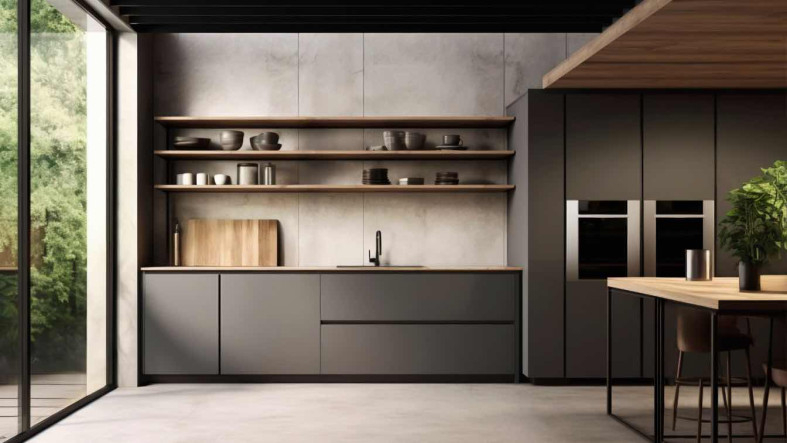
Walk into any modern home built or renovated in the last couple of years, and you’ll notice something different. It’s not just the color of the cabinets or the type of countertop. It’s the vibe. The way the space breathes. For decades, the kitchen was a utility room hidden away, or later, a sterile showroom meant for impressing guests who rarely stayed for dinner. But look around now. In 2026, the kitchen has become the emotional center of the house. And if you know how to look, the design choices people are making tell a fascinating story about how we actually cook, eat, and live together.
We aren’t just buying appliances; we’re buying into a lifestyle. The data backs this up. Recent studies show that home cooking trends have accelerated well beyond the pandemic spikes, becoming a permanent fixture in our daily routines. But here’s the twist: we aren’t cooking like our grandparents did. We aren’t even cooking like we did five years ago. The rigid rules are gone. In their place is a messy, beautiful, highly personalized approach to food. The design trends we see today—from multi-functional islands to "swangy" layered aesthetics—are direct responses to this shift. They reveal a desire for flexibility, health, and connection that goes far deeper than just needing a place to chop onions.
The Death of the Perfect Showroom
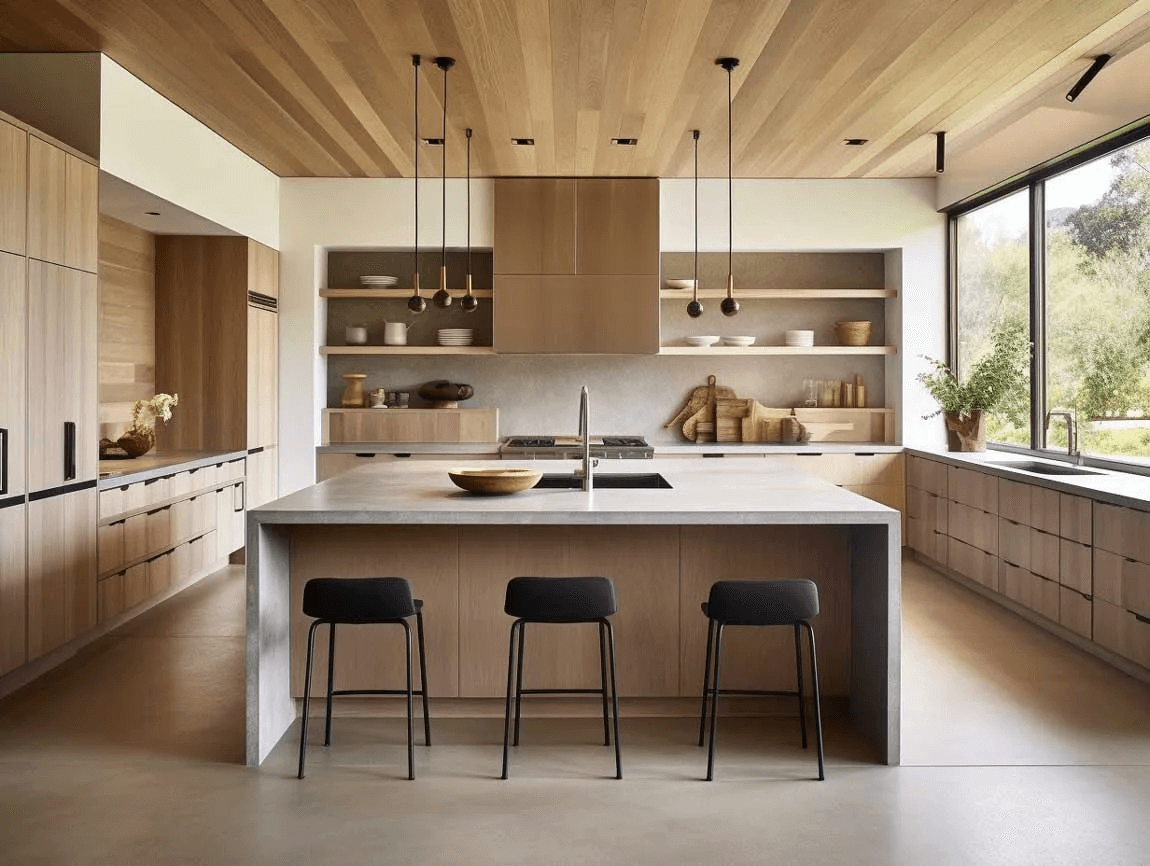
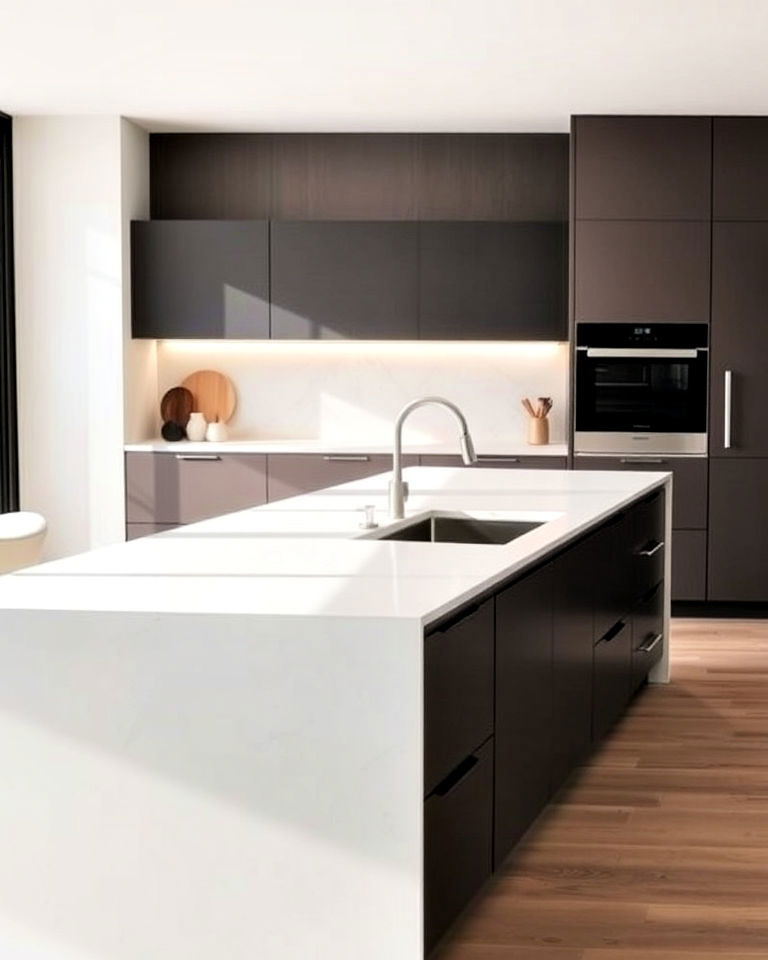
Gone are the days when a kitchen had to look like it belonged in a magazine spread, untouched by human hands. The pristine, all-white minimalist box is out. In its place? Warmth. Texture. Personality. This isn’t just an aesthetic choice; it’s a permission slip to actually use the space. People are tired of worrying about staining a perfect marble counter. They want surfaces that can take a beating. Quartz composites, dark granites, and even butcher block tops are making a huge comeback because they say, "Go ahead, cook here."
This shift towards what some industry insiders call "swangy" and layered trends is about comfort. It’s about creating a space that feels lived-in from day one. You’ll see open shelving mixed with closed cabinets, not just for style, but for practicality. The stuff you use every day is out in the open. The clutter is hidden. It’s a visual representation of how we cook now: fast, frequent, and functional. We don’t have time to open three doors to get a spice jar. We grab it, use it, and put it back. The design follows the behavior.
And let’s talk about the "weird" elements. Neon signs, vintage posters, eclectic tile backsplashes. These aren’t mistakes. They’re declarations. They signal that the kitchen is no longer just a workspace; it’s a reflection of identity. When someone installs a funky, colorful tile pattern behind the stove, they’re saying they enjoy the process. They’re not just fueling up; they’re expressing themselves. This layering of personal items into the architectural fabric of the room shows that cooking has become a hobby, a passion, and a form of self-care for millions of households.
Flexibility Is the New Luxury
If there’s one word that defines 2026 kitchen design, it’s flexible. Life is unpredictable. Work happens at the dining table. Kids do homework on the island. Dinner might be at 5 PM or 9 PM. The old model of a fixed layout with a dedicated dining room separate from the kitchen doesn’t fit anymore. Instead, we’re seeing modular designs. Islands on wheels. Drop-leaf tables that expand when needed and tuck away when not. Furniture that moves.
This flexibility reveals a major change in our eating habits: we eat differently every day. Some nights it’s a quick stir-fry eaten standing up. Other nights it’s a slow-cooked meal shared with friends. The kitchen needs to accommodate both extremes without feeling chaotic. That’s why you’re seeing fewer built-in banquettes and more movable chairs. It’s why the "kitchen desk" is evolving into a multi-use command center that can be cleared off for meal prep in seconds.
Gen Z is driving a lot of this change. They value experiences over possessions and adaptability over permanence. They don’t want a kitchen that locks them into one way of living. They want a space that can shift from a Zoom office to a cocktail bar to a family dinner spot seamlessly. Brands are catching on, offering modular storage solutions and adaptable lighting systems that change the mood instantly. It’s not just about saving space; it’s about maximizing utility. The modern cook doesn’t have a single routine. They have many. And their kitchen has to keep up.
Tech That Disappears (Until You Need It)
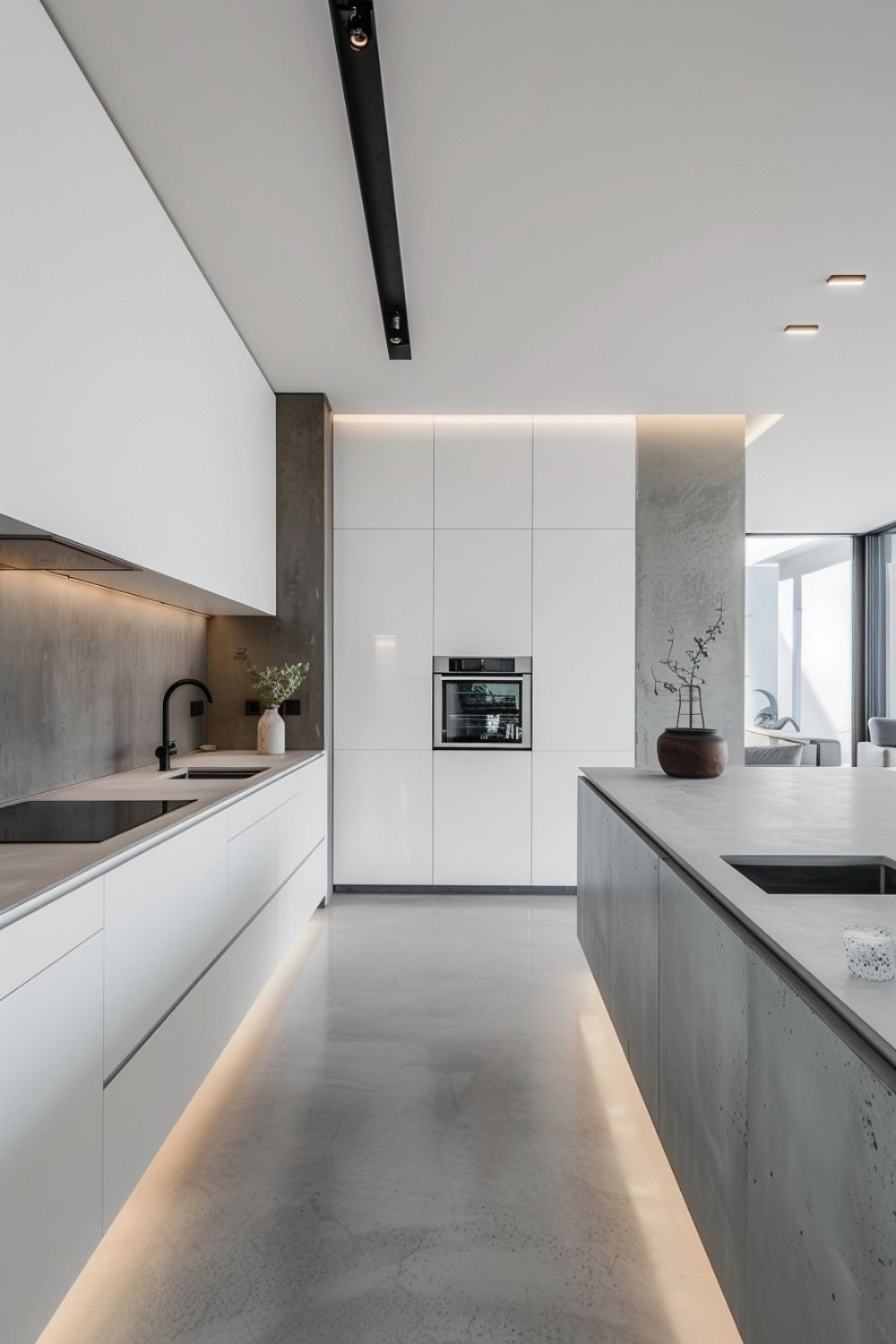
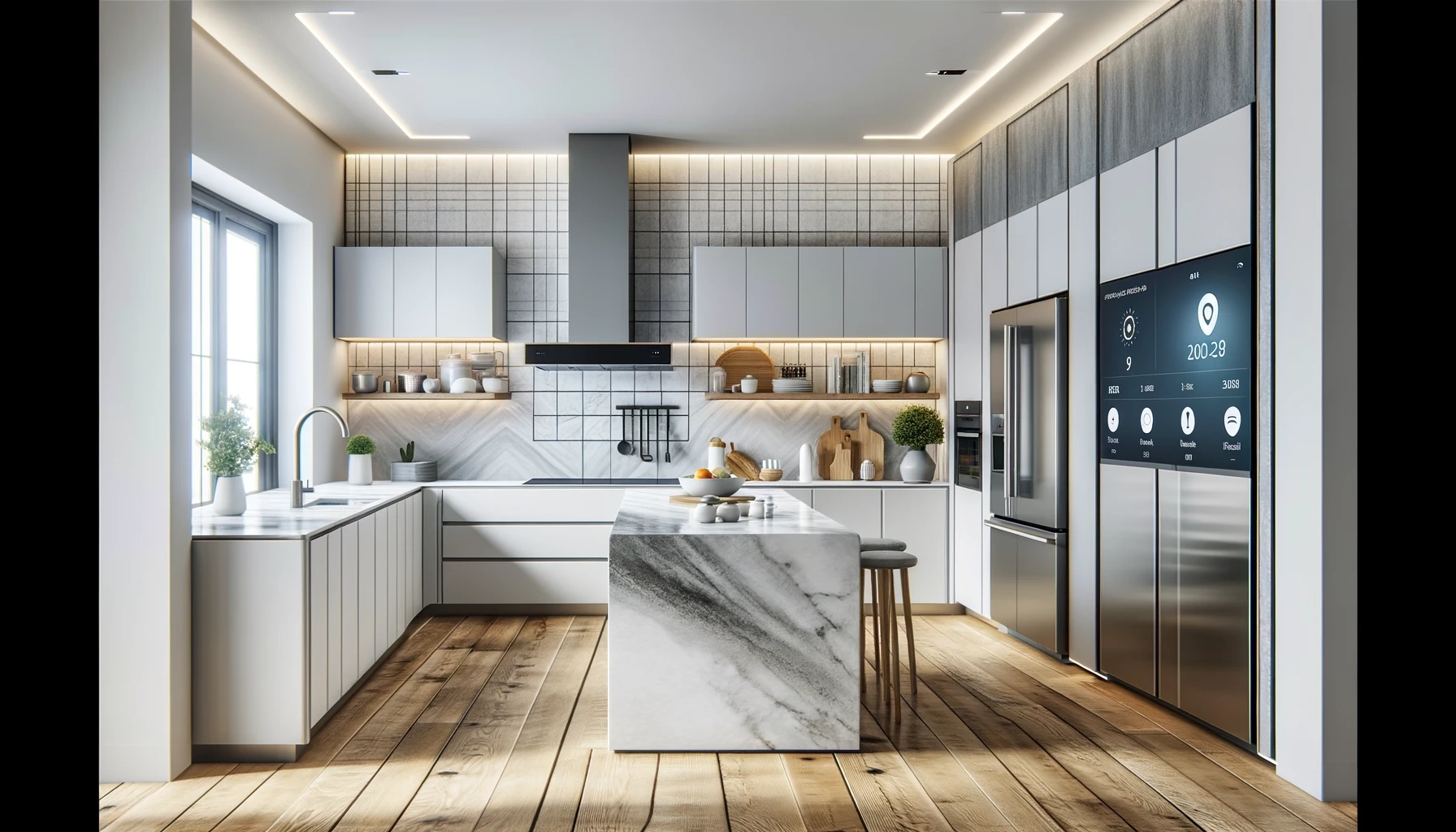
Technology in the kitchen used to mean a bulky microwave or a fridge with a screen nobody used. Today, tech is invisible. It’s integrated. It’s helpful without being intrusive. Smart fridges that track expiration dates are becoming standard, but they’re hidden behind panel-ready doors that match the cabinetry. Induction cooktops are flush with the counter, turning the entire surface into a sleek, easy-to-clean plane when not in use.
This trend reveals a desire for efficiency and health. Induction cooking is faster and safer, appealing to busy parents and health-conscious cooks alike. Smart ovens that can be preheated from your phone mean you can start dinner on your commute home. But notice how these devices don’t scream "look at me." They blend in. This suggests that while we love convenience, we don’t want our kitchens to feel like laboratories. We want them to feel like homes.
The rise of air quality sensors and advanced ventilation systems also tells a story. We’re cooking more boldly. Spices, searing, frying. We’re bringing restaurant-level techniques into our homes. But we don’t want the smell to linger for days. So, designers are installing powerful, quiet hoods that look like sculptural art pieces. It’s a balance. We want the flavor and the fun of serious cooking, but we also want our living spaces to remain fresh and inviting. The tech supports the habit, then gets out of the way.
The Health-Conscious Hub
Let’s be honest: the pandemic changed how we view food. It’s not just fuel; it’s medicine. It’s prevention. It’s joy. This mindset has physically reshaped the kitchen. The most prominent feature in many 2026 kitchens isn’t the stove—it’s the prep zone. Large, deep sinks designed for washing mountains of vegetables. Dedicated spaces for juicers, blenders, and fermenting jars. Countertops with integrated cutting boards and compost bins.
Plant-based cooking has taken center stage, and the design reflects it. You’ll see more refrigerated drawers specifically for produce, keeping greens crisp for longer. Pantries are being redesigned with clear containers and labeling systems, not just for aesthetics, but to reduce waste. We’re more aware of what we throw away, so we organize to see what we have. This transparency leads to better choices. If you see the spinach, you eat the spinach.
Sustainability is woven into the materials too. Recycled glass countertops, reclaimed wood cabinets, and energy-efficient appliances are no longer niche choices; they’re mainstream expectations. This reveals a deep-seated value system. We want our cooking habits to align with our environmental ethics. We want to feel good about what we eat and how we prepare it. The kitchen is the physical manifestation of that care. It’s where we nurture ourselves and the planet, one meal at a time.
Social Cooking and the Return of Gathering
For a while, the open-concept kitchen was criticized for letting noise and smells invade the living room. But in 2026, we’ve refined it. We still want connection, but we want it on our terms. Enter the "broken plan" layout. Partial walls. Glass partitions. Large pass-through windows. These elements allow visual and verbal connection while containing the chaos of cooking. You can chat with guests without shouting over the blender.
This design choice highlights a crucial social shift: cooking is a communal activity again. It’s not something one person does in isolation while everyone else waits. It’s a group effort. Friends chop veggies together. Kids mix batter. Partners take turns stirring. The kitchen island has grown larger, not just for storage, but for seating. It’s the new dinner table. Bar stools are everywhere because we eat casually, together, face-to-face.
The lighting plays a huge role here too. Dimmable, layered lighting allows the space to transition from bright task lighting for prep to warm, ambient glow for dining. It sets the mood. It invites people to stay. The kitchen is no longer a place you leave after eating; it’s where you linger. Where you drink wine. Where you catch up. The design facilitates this lingering. It says, "Stay awhile." And we do. Because in a disconnected world, the kitchen is where we reconnect.
Our palates have expanded. Thanks to social media and global connectivity, we’re cooking dishes from Bangkok, Beirut, and Buenos Aires on a Tuesday night. This culinary exploration requires different tools and spaces. You’ll see wok burners installed alongside standard ranges. Dedicated stations for making tortillas or rolling sushi. Spice racks that hold dozens of varieties, not just salt and pepper.
This trend reveals a curiosity and a confidence in home cooks. We’re not afraid to try new things. We’re watching tutorials, following influencers, and experimenting. The kitchen needs to support this versatility. That means durable surfaces that can handle acidic marinades and hot oils. Ventilation that can handle strong aromas. Storage that accommodates unusual ingredients like miso paste or harissa.
It also means the kitchen is becoming a classroom. Screens are embedded in cabinets or mounted on walls for following recipes step-by-step. But it’s not just about following instructions; it’s about learning techniques. The design supports education. It encourages mastery. We’re not just heating up frozen meals; we’re crafting experiences. The kitchen is our studio. And like any good studio, it’s equipped with the right tools for the craft. Whether that craft is a simple grilled cheese or a complex curry, the space adapts. It empowers us to be creators.
So, what does all this mean for you? It means your kitchen doesn’t have to be perfect. It has to be yours. Look at your habits. Do you cook alone or with others? Do you bake bread or blend smoothies? Do you need quiet or energy? Let those answers guide your design. Don’t follow trends blindly. Follow your life. The best kitchen isn’t the one with the most expensive appliances; it’s the one that makes you want to cook. The one that welcomes you in. The one that tells your story.
As we move further into 2026, expect even more personalization. Expect more sustainability. Expect more tech that helps rather than hinders. But above all, expect the kitchen to remain the heart of the home. Not because a designer said so, but because we need it to be. We need a place to nourish ourselves. To connect. To create. The trends will change, but that core human need won’t. And that’s something worth designing for.