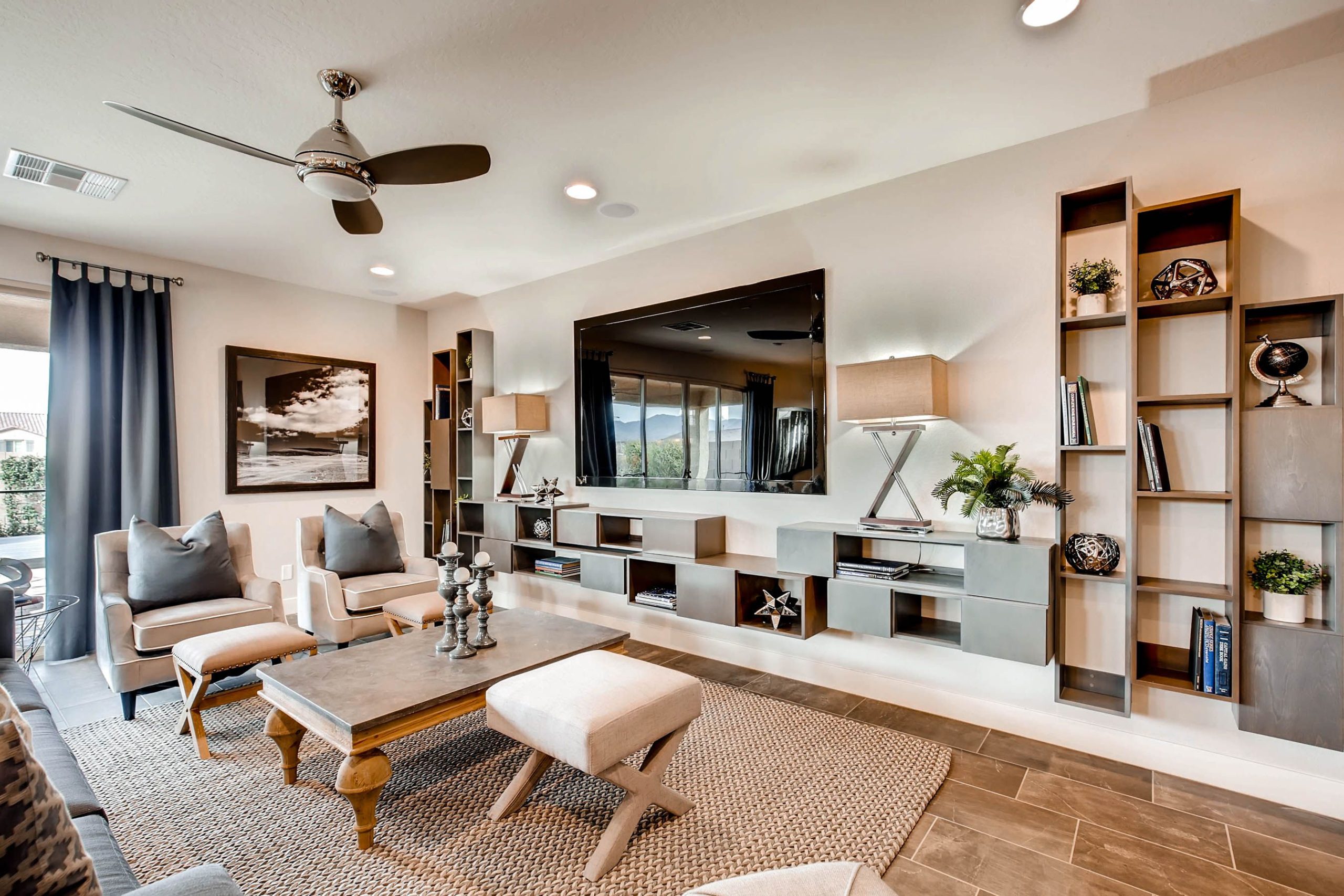
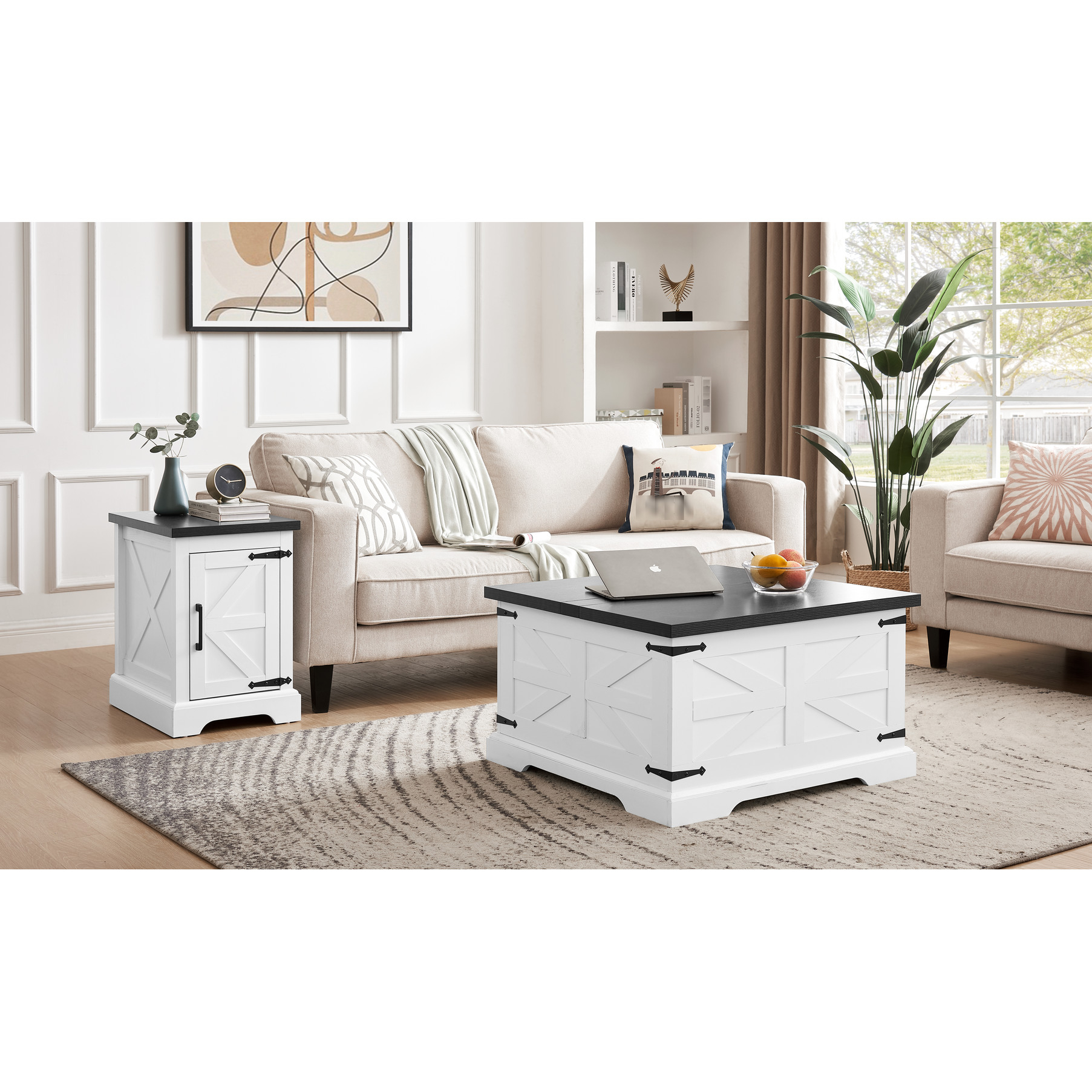
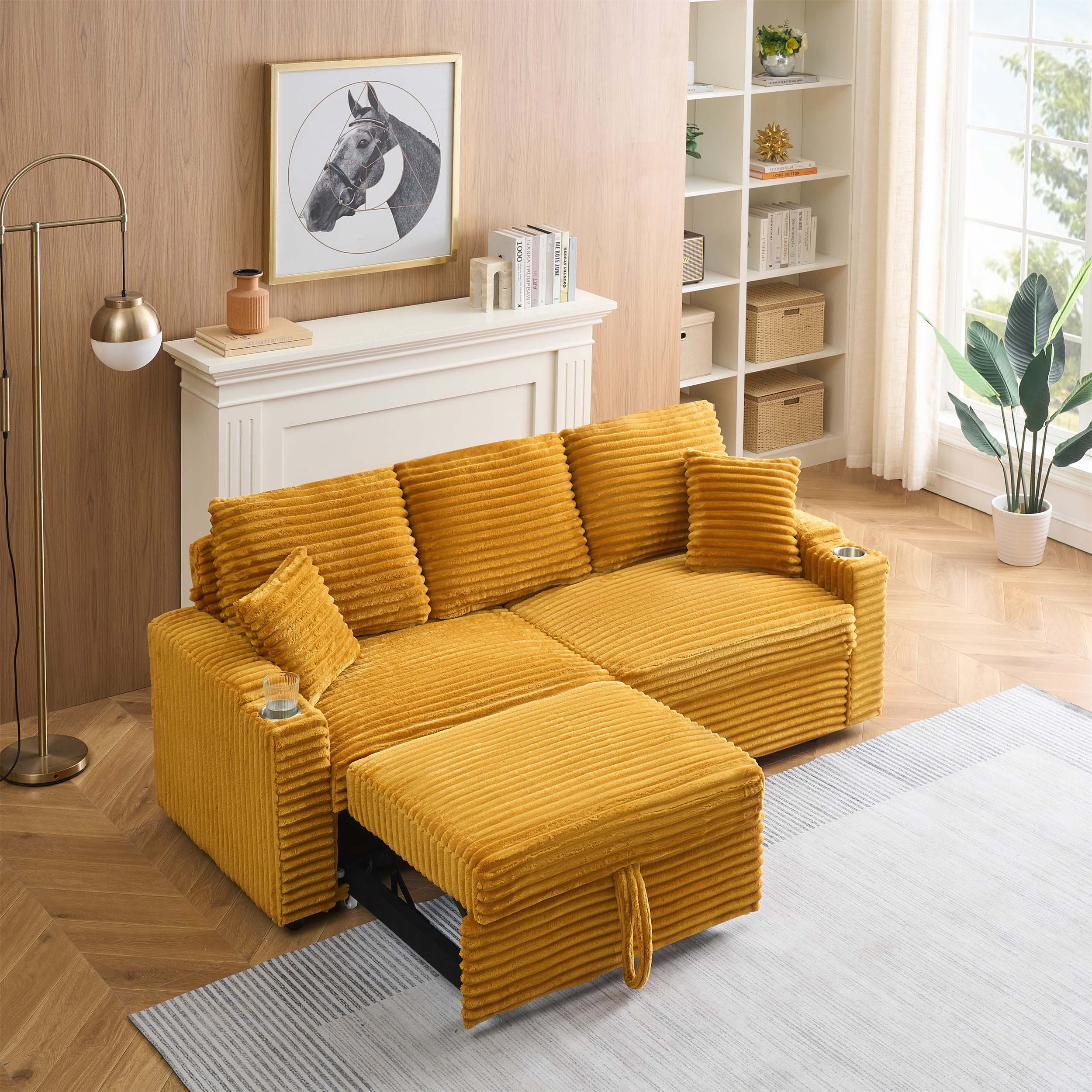
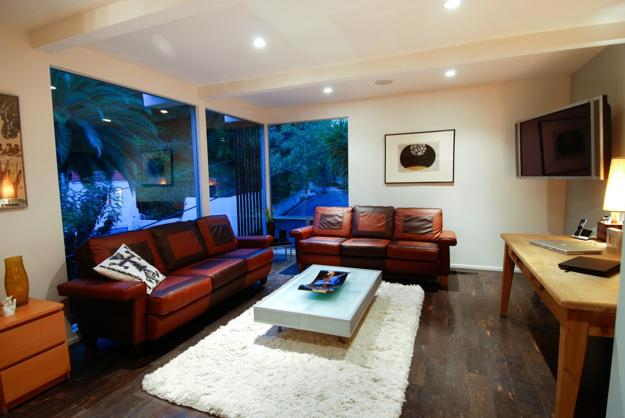
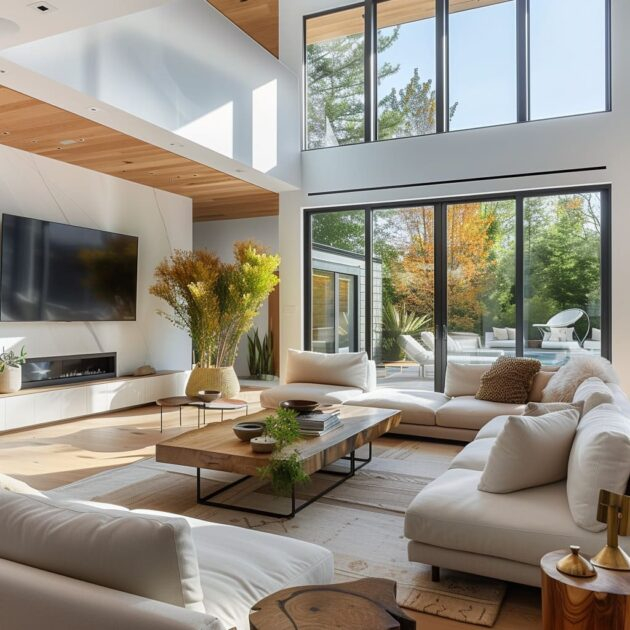
We all love a good makeover story. You know the type. A tired, beige box transforms into a vibrant sanctuary with just a coat of paint and some new cushions. It feels good. It looks great. But here’s the thing nobody talks about enough: that feeling isn’t just emotional. It’s financial. In 2026, the way we view home improvements has shifted. It’s no longer just about curb appeal or the kitchen being the "heart of the home." The living room has quietly become the powerhouse of return on investment (ROI).
Why? Because life happens there. It’s where we work, relax, entertain, and sometimes even sleep. When you upgrade this space, you aren’t just buying a nicer sofa. You’re investing in energy efficiency, smart technology integration, and a lifestyle that buyers in today’s market are desperate for. The data backs it up. While garage doors might boast a flashy 268% recoup rate, the living room offers a slower, steadier, and deeply personal kind of wealth. It’s about value that compounds every single day you live there, not just when you sell.
Let’s be honest. Most of us think of ROI as a cold, hard number on a spreadsheet. Did I spend $5,000? Did I get $6,000 back? Done. But in 2026, the definition has expanded. It includes the money you save on heating bills because you swapped out drafty windows. It includes the premium a buyer pays because your home is already wired for the latest smart hubs. And yes, it includes the sheer joy of coming home to a space that actually works for you. That’s the hidden ROI. It’s quiet. It’s subtle. But it’s real.
The Shift from Cosmetic to Functional Value
Gone are the days when slapping on a trendy wallpaper was enough to boost value. Today’s homeowners and buyers are smarter. They’re looking for function. According to recent reports from renovation experts, the smartest remodels combine comfort, style, and long-term value. This means the living room isn’t just a showpiece anymore. It’s a utility hub.
Think about it. How many hours do you spend in that room? If you’re like most people, it’s probably more than any other spot in the house. Upgrading flooring isn’t just about aesthetics. Durable, high-quality materials like luxury vinyl plank or refined hardwoods resist wear and tear. They last longer. They need less maintenance. That’s money saved over time. Plus, buyers see quality flooring as a sign that the rest of the house has been cared for. It’s a psychological trigger. A solid floor says, "This home is safe. This home is solid."
It’s also about flow. Open concepts are still popular, but they’ve evolved. People want defined zones within the open space. A reading nook. A media area. A play zone for kids. By using lighting, rugs, and furniture placement to create these zones, you increase the usable square footage without moving a single wall. That’s functional value. It makes the room feel bigger and more versatile. And versatility sells. In a market where every square foot counts, showing that a living room can do three jobs instead of one is a massive win.
Smart Tech: The Invisible Money Saver
Here’s a stat that might surprise you. Smart home upgrades are no longer a niche luxury. They’re expected. In 2026, a living room without integrated tech feels outdated. But we aren’t talking about gimmicky gadgets that break in a year. We’re talking about systems that save energy and enhance security. These are the invisible moneymakers.
Smart thermostats and automated lighting systems are prime examples. They learn your habits. They dim the lights when you’re watching a movie. They lower the heat when you leave for work. Over a year, those small adjustments add up to significant savings on utility bills. When you list your home, you can literally show potential buyers the energy history. "Look," you can say, "this room costs 15% less to heat and cool than the average home." That’s a tangible selling point. It’s not just a feature. It’s a financial benefit.
Then there’s the wiring. Hidden cabling for high-speed internet and entertainment systems is crucial. Nobody wants to see a spiderweb of cords behind their TV. Pre-wiring your living room for fiber optics or advanced Wi-Fi mesh systems adds value because it removes a headache for the next owner. It’s ready to go. Plug and play. In a world where remote work is still a huge part of life, a living room that can double as a high-performance office space is gold. Buyers will pay extra for that convenience. They don’t want to hire an electrician to run new lines. You’ve already done it. That’s ROI in action.
Energy Efficiency Isn’t Just for the Attic
We often think of insulation and windows as boring, unsexy upgrades. They don’t have the wow factor of a marble countertop. But in 2026, energy efficiency is one of the top priorities for homebuyers. Why? Because energy costs are volatile. People want predictability. They want to know their bills won’t skyrocket in the winter.
Upgrading your living room windows to double or triple-pane models is a huge move. Yes, it’s an upfront cost. But the return comes in two ways. First, immediate comfort. No more cold drafts chilling your ankles while you watch TV. Second, long-term savings. High-efficiency windows keep the heat in during winter and out during summer. This reduces the load on your HVAC system. It lasts longer. It breaks down less. That’s less money spent on repairs and replacements.
Don’t forget the doors either. While exterior doors like steel entry doors have massive ROI percentages (sometimes over 200%), interior living room doors matter too. Solid core doors provide better soundproofing. They create a sense of privacy and quiet. In a noisy world, silence is a luxury. A quiet living room is a retreat. Buyers feel that difference the moment they walk in. They might not know why it feels so peaceful, but they’ll attribute it to quality construction. And quality commands a higher price. It’s a subtle cue, but our brains pick up on it instantly.
The Psychology of Space and Light
Let’s talk about something softer. Light. Natural light is arguably the most valuable asset in any living room. It boosts mood. It makes spaces feel larger. It highlights the best features of your decor. Upgrading your living room to maximize light is one of the highest-ROI moves you can make, and it doesn’t always require a full renovation.
Sometimes it’s as simple as removing heavy drapes and installing sleek, motorized shades. Or painting walls in lighter, reflective colors. But if you can, consider adding a skylight or enlarging existing windows. The cost might seem high, but the impact on perceived value is enormous. A bright, airy living room feels expensive. It feels healthy. Studies have shown that homes with abundant natural light sell faster and for more money. It’s not just a preference. It’s a biological need. We crave sunlight.
Then there’s artificial lighting. Layered lighting is key. You need ambient light for general visibility, task light for reading or working, and accent light to highlight art or architectural features. LED technology has made this affordable and energy-efficient. Smart bulbs allow you to change the color temperature throughout the day. Cool light in the morning to wake up. Warm light in the evening to wind down. This level of control enhances the livability of the space. It makes the room adaptable to any mood or activity. And adaptability is what modern buyers are looking for. They want a home that bends to their will, not one they have to fight against.
Material Choices That Last (and Pay Off)
Trends come and go. Remember shiplap? It was everywhere. Now? Not so much. Chasing trends is a risky strategy for ROI. Instead, focus on timeless materials that age well. In 2026, sustainability is a major driver of value. Buyers are increasingly eco-conscious. They want materials that are durable, non-toxic, and sourced responsibly.
Hardwood floors are a classic example. They can be refinished multiple times. They last for decades. Even if the style changes, the material remains valuable. Luxury vinyl tile (LVT) is another strong contender. It’s water-resistant, durable, and looks incredibly realistic. It’s perfect for families with pets or kids. It handles abuse without showing wear. That durability translates to value. A buyer sees a floor that looks new after five years of use, and they think, "This house is low maintenance." Low maintenance equals high value.
Furniture choices matter too, though they don’t always add directly to appraised value. Investing in quality, modular seating allows you to reconfigure the space as needs change. It’s flexible. It’s sustainable because you aren’t throwing away cheap furniture every few years. When you sell, you might even negotiate leaving certain high-end pieces. It becomes a selling point. "The custom sectional stays." It adds perceived value to the package. It shows that the home was furnished with care and intention. That narrative matters. It builds trust. And trust closes deals.
Not all upgrades are created equal. Some actually hurt your ROI. It’s important to know what to avoid. Over-personalization is the biggest trap. If you turn your living room into a specific theme—like a medieval castle or a neon-lit nightclub—you limit your buyer pool. Most people want a blank canvas. They want to imagine their own lives in the space. Keep the big ticket items neutral. Add personality with accessories that can be easily removed.
Another mistake is overspending on technology that becomes obsolete quickly. Don’t install built-in screens or speakers that will be outdated in three years. Stick to infrastructure. Wiring, mounts, power sources. Let the buyer choose their own devices. This keeps your investment relevant longer. It avoids the "dated tech" look that screams renovation needed.
Also, beware of poor craftsmanship. A DIY job gone wrong is worse than no job at all. Crooked tiles. Uneven paint lines. Gaps in trim. These details scream "amateur." They make buyers wonder what else was cut corners on. If you aren’t confident in your skills, hire a pro. It’s worth the cost. Quality workmanship is visible. It reassures buyers. It signals that the home has been respected. And respect is something every buyer wants to feel when they hand over their money. Don’t let sloppy work kill your hidden ROI.
So, where does this leave us? Upgrading your living room in 2026 isn’t just about picking a pretty paint color. It’s a strategic move. It’s about blending function, efficiency, and timeless design. It’s about creating a space that saves you money every day you live there, and attracts buyers when you’re ready to move. The ROI is hidden in the details. In the warm floor on a cold morning. In the seamless video call from your quiet nook. In the lower energy bill at the end of the month.
Start small if you need to. Swap out the lighting. Seal the windows. Declutter the space. Each step adds value. Each step improves your life. And isn’t that the ultimate return? A home that works for you. A home that pays you back in comfort, savings, and peace of mind. That’s the real wealth. That’s the hidden ROI. And it’s waiting for you in your living room, right now. Don’t wait for a sale to start seeing the benefits. Start living them today.