You know that feeling when you finally collapse onto your pillow after a long day? It should be the best part of your routine. But for so many of us, it’s not. We toss. We turn. We stare at the ceiling, wondering why our brains won’t just shut off. It’s frustrating, right? You’re tired, but you’re not sleeping.
It turns out, your bedroom might be working against you. Not because it’s ugly or uncomfortable, but because it’s fighting your biology. Sleep isn’t just about closing your eyes. It’s a complex biological process that needs specific conditions to thrive. When we get those conditions right, magic happens. We wake up refreshed. Our minds are clearer. Our moods stabilize.
Creating a sleep sanctuary isn’t about buying the most expensive mattress or installing smart home gadgets you’ll never use. It’s about understanding how your body works and tweaking your environment to support it. Let’s dive into the science of rest and see how you can transform your space into a true haven for recovery.
The Biology of Darkness and Light
Your body has an internal clock. Scientists call it the circadian rhythm. This clock tells you when to feel awake and when to feel sleepy. And guess what controls it? Light. Specifically, blue light. In the natural world, the sun goes down, it gets dark, and your brain starts producing melatonin. That’s the sleep hormone. It’s nature’s way of saying, "Hey, time to power down."
But in 2026, we are surrounded by artificial light. Streetlights peek through blinds. LED indicators on TVs blink in the corner. And worst of all, our phones. Even if you’re not scrolling, just having a phone nearby can disrupt your sleep quality. The blue light from screens tricks your brain into thinking it’s still daytime. So, it stops making melatonin. You end up lying there, wide awake, wondering what’s wrong.
So, what’s the fix? Make your room cave-like. Seriously. Think about how dark a cave is. That’s the goal. Use blackout curtains. If you can’t install those, try a high-quality sleep mask. Cover up those tiny LED lights on your electronics with electrical tape. It sounds silly, but it works. Every little bit of light matters. By creating total darkness, you signal to your brain that it’s safe to rest. You’re helping your biology do its job.
Temperature Matters More Than You Think
Have you ever noticed how hard it is to sleep when it’s too hot? There’s a reason for that. Your core body temperature needs to drop to initiate sleep. It’s a physiological requirement. When you’re awake, your body temp is higher. As you drift off, it falls. If your room is too warm, your body struggles to cool down. This leads to restless sleep and frequent waking.
Research suggests the ideal sleeping temperature is around 65 degrees Fahrenheit (or 18 Celsius). It might feel a bit chilly when you first get in bed, but that’s actually perfect. Your body will warm up under the covers, creating a cozy microclimate. But the air around you stays cool, allowing heat to escape from your skin. This balance is key.
If you don’t have air conditioning, don’t worry. There are other ways to cool down. Take a warm shower before bed. Wait, warm? Yes. When you step out of a warm shower into a cooler room, your body temperature drops rapidly. This mimics the natural cooling process and signals sleepiness. You can also use breathable bedding materials like cotton or bamboo. Avoid synthetic fabrics that trap heat. They’re like sleeping in a plastic bag. Nobody wants that.
The Sound of Silence (or Not)
We often think silence is golden for sleep. But for many people, total silence is actually unsettling. Why? Because sudden noises stand out. A car horn. A dog barking. A door slamming. In a quiet room, these sounds are jarring. They trigger your brain’s alert system. You wake up, even if you don’t remember it. This fragments your sleep cycle.
Enter white noise. Or pink noise. Or brown noise. These aren’t just trendy apps. They’re acoustic tools. White noise creates a consistent sound blanket. It masks those sudden, jarring noises. It’s like auditory camouflage. Your brain stops listening for threats because the background sound is predictable. Many people find they sleep deeper and stay asleep longer with a fan running or a white noise machine.
But it’s not one-size-fits-all. Some people prefer the sound of rain. Others like the hum of a heater. The key is consistency. You want a sound that doesn’t change much. Avoid podcasts or music with lyrics. Your brain tries to process language, even when you’re sleeping. That keeps parts of your mind active. Stick to steady, non-verbal sounds. Experiment to find what works for you. Maybe it’s silence. Maybe it’s the sound of a forest. Just make sure it helps you disconnect.
Decluttering for Mental Clarity
Look around your bedroom. What do you see? Piles of laundry? Stacks of books? Work papers? Clutter isn’t just messy. It’s stressful. Studies show that visual clutter increases cortisol levels. That’s the stress hormone. High cortisol makes it hard to relax. It keeps your body in a state of low-level alarm. You can’t rest when your brain is processing chaos.
Your bedroom should be for two things only: sleep and intimacy. That’s it. No work. No exercise. No eating. When you bring other activities into the space, you weaken the mental association between your bed and sleep. Your brain starts to think, "Oh, this is where I answer emails." Or, "This is where I worry about bills." You want your brain to think, "This is where I shut down."
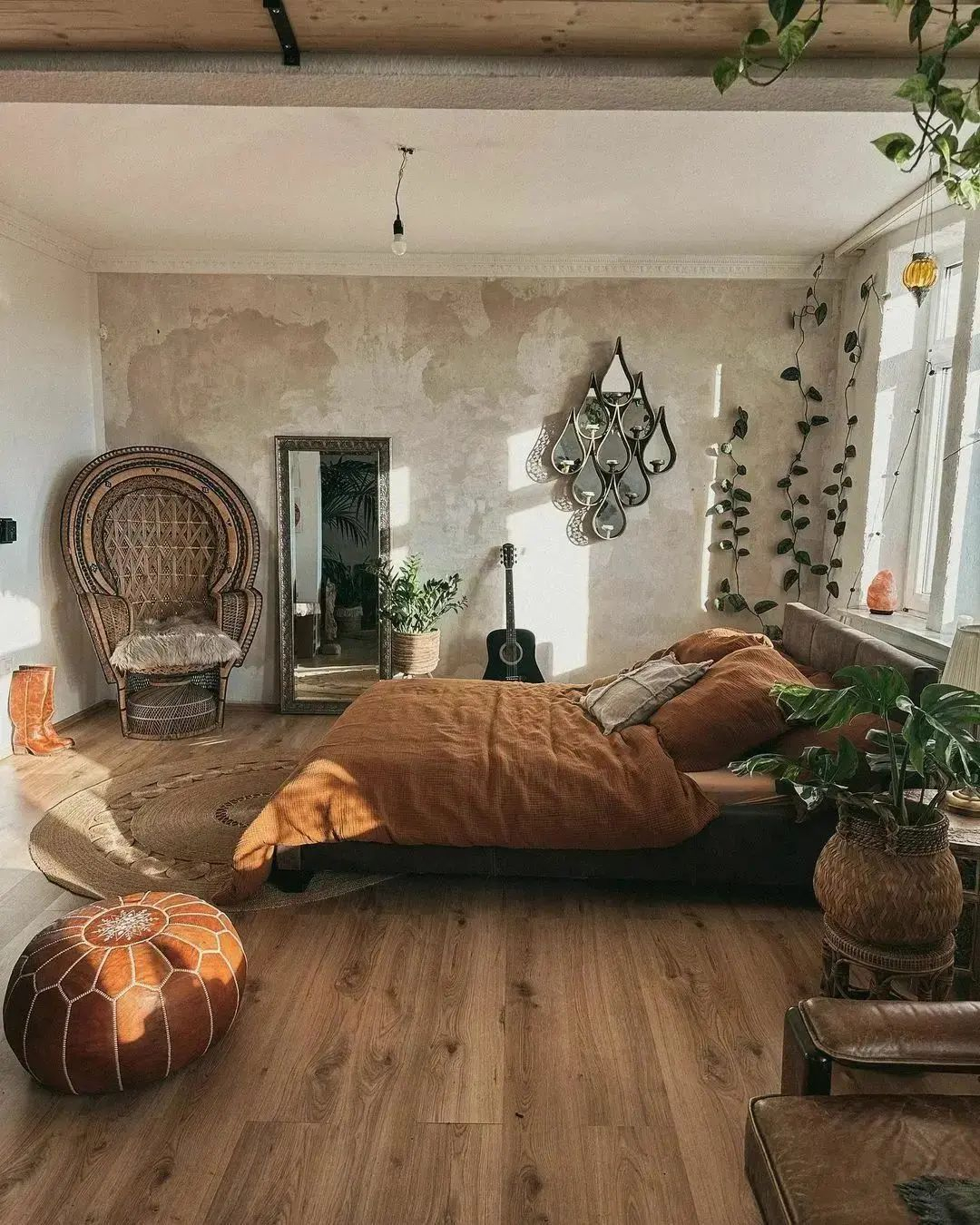
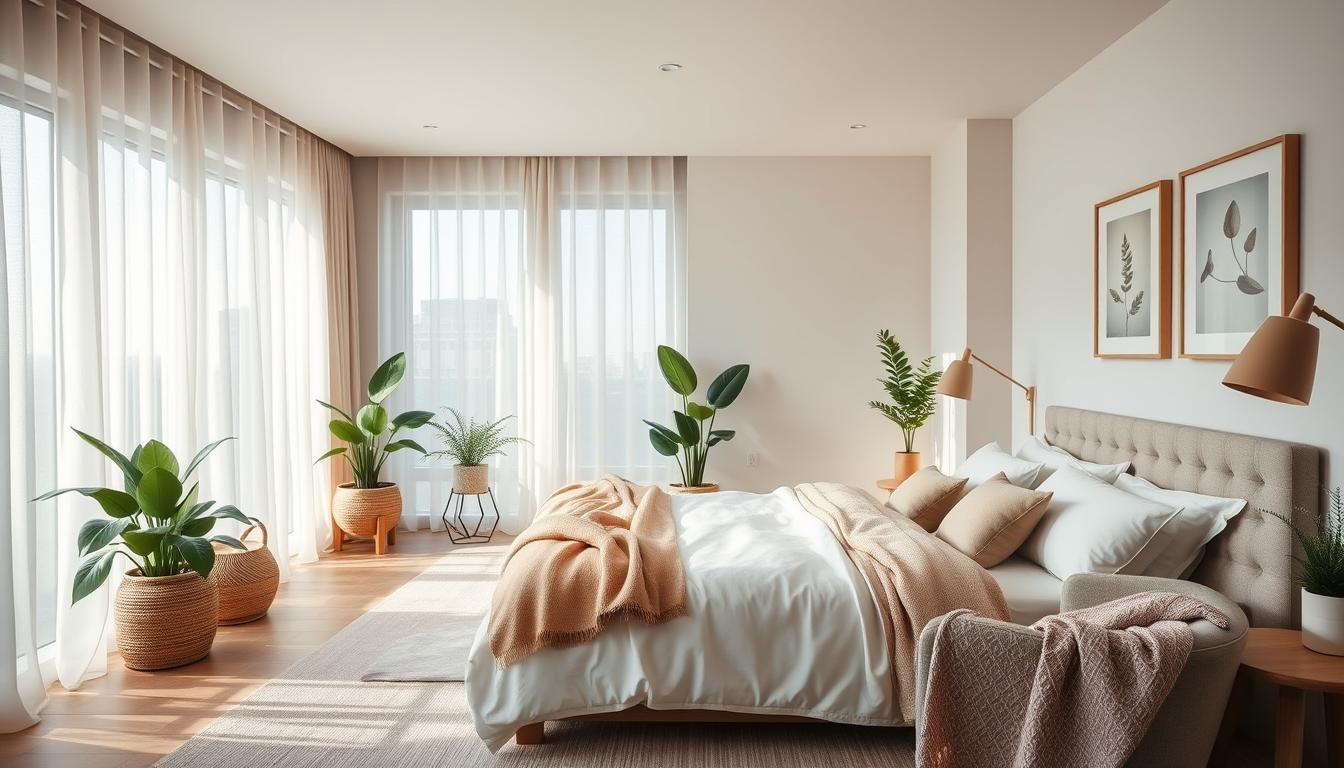
Start small. Clear off your nightstand. Only keep what you need: a lamp, maybe a book, a glass of water. Put away the laundry. If you have a desk in your bedroom, try to cover it or face it away from the bed. Out of sight, out of mind. Create a visual calm. Soft colors help too. Blues, greens, and neutrals are soothing. Bright reds or oranges are energizing. Save those for the living room. Your bedroom should feel like a exhale.
The Power of Scent and Air Quality
We often forget about our sense of smell. But it’s powerful. Scents go straight to the limbic system, the part of the brain that handles emotion and memory. Certain smells can trigger relaxation instantly. Lavender is the classic example. Studies have shown that lavender can lower heart rate and blood pressure. It prepares the body for rest.
But don’t overdo it. Strong scents can be overwhelming. A few drops of essential oil on a diffuser or a pillow spray is enough. Other calming scents include chamomile, sandalwood, and bergamot. Find what smells like "calm" to you. Maybe it’s fresh linen. Maybe it’s cedar. Make it a ritual. Spritzing your pillow becomes a signal to your brain that sleep is coming.
Air quality matters too. Dust, allergens, and stale air can disrupt breathing. Poor breathing leads to poor sleep. Open a window if the weather allows. Fresh air is incredibly restorative. If you live in a city with pollution, consider an air purifier. Look for one with a HEPA filter. It captures tiny particles that irritate your lungs. Clean air means easier breathing. Easier breathing means deeper sleep. It’s that simple.
All the gadgets and decor in the world won’t help if you’re stressed out. Sleep is psychological as much as it is physical. You need a wind-down routine. This tells your brain that the day is over. It’s a bridge between the chaos of life and the peace of sleep. Without it, you’re trying to slam on the brakes while driving 60 miles per hour. It doesn’t work.
Start your routine an hour before bed. Put away the phone. Read a physical book. Take a bath. Stretch gently. Do whatever feels calming. The key is consistency. Try to do the same things in the same order every night. Over time, your brain will associate these actions with sleep. It’s classical conditioning. Like Pavlov’s dogs, but for resting.
Also, try to wake up at the same time every day. Even on weekends. I know, I know. Sleeping in feels great. But it confuses your internal clock. It’s called social jetlag. When you shift your sleep schedule wildly, your body doesn’t know when to release melatonin. Keeping a consistent wake-up time anchors your rhythm. It makes falling asleep easier the next night. It’s a gift to your future self.
Creating a sleep sanctuary is a journey. It’s not about perfection. It’s about intention. Start with one thing. Maybe it’s the blackout curtains. Maybe it’s the temperature. See how it feels. Then add another layer. Listen to your body. It knows what it needs. You just have to create the space for it to speak.
In the end, sleep is an act of self-care. It’s not lazy. It’s not unproductive. It’s essential. By honoring your need for rest, you’re honoring yourself. You’re building a foundation for health, happiness, and resilience. So tonight, take a look at your room. What can you change? What can you let go of? Make it a place you love to return to. A place that holds you. A place that heals.
Sweet dreams.