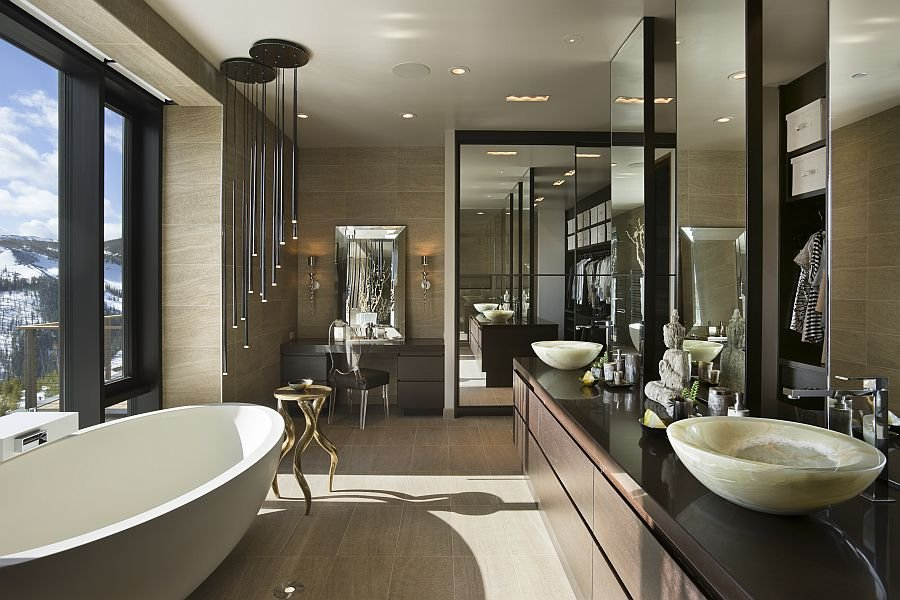
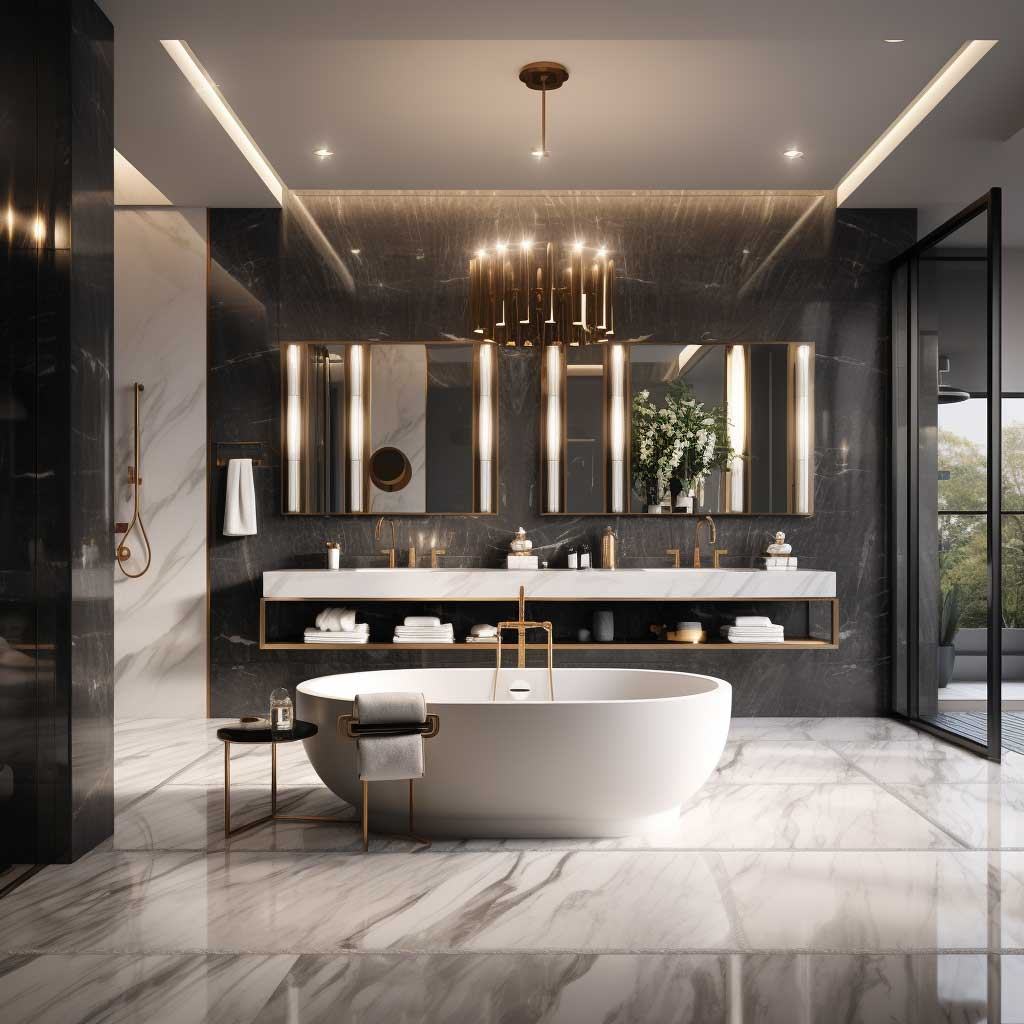
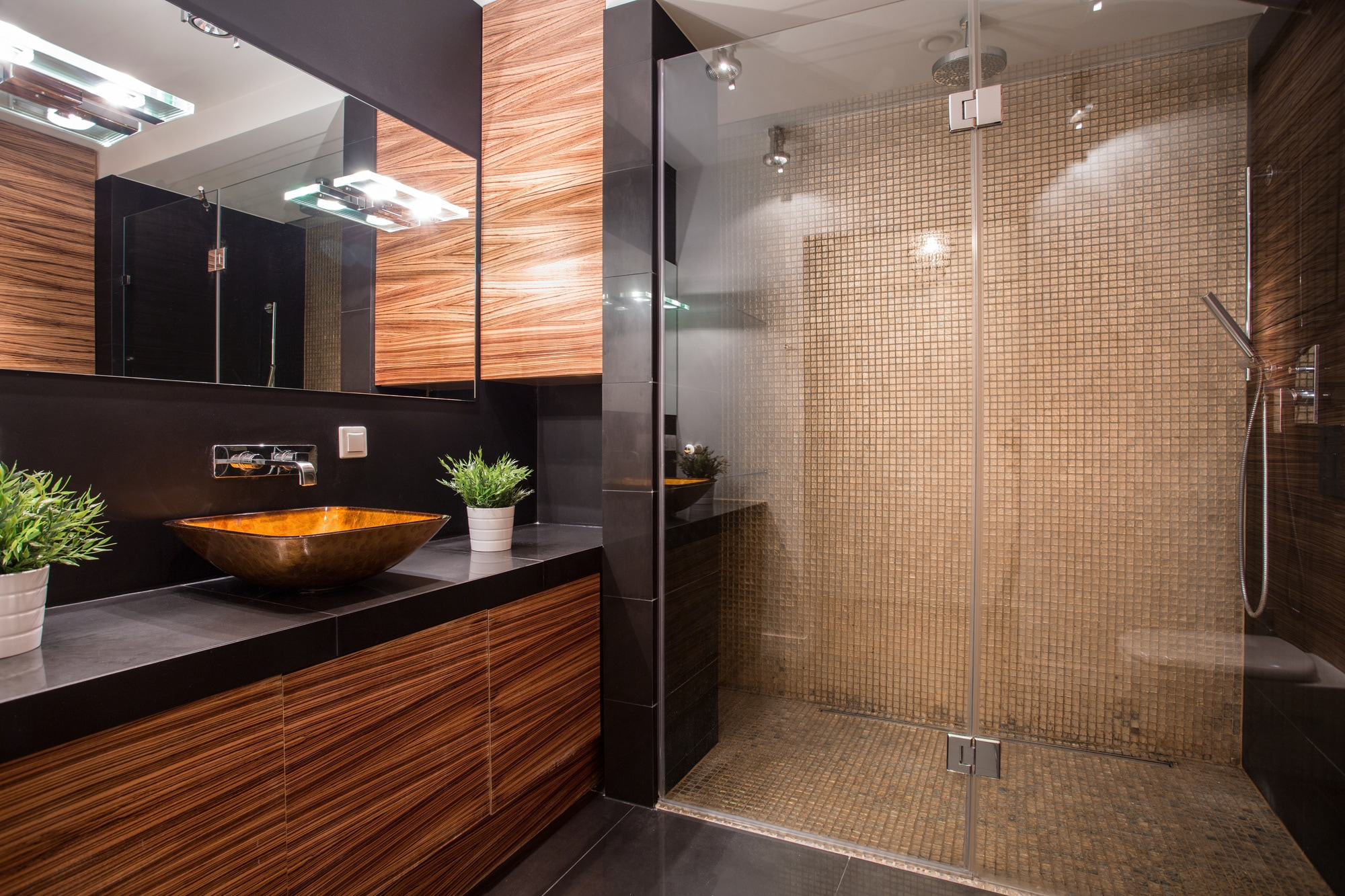
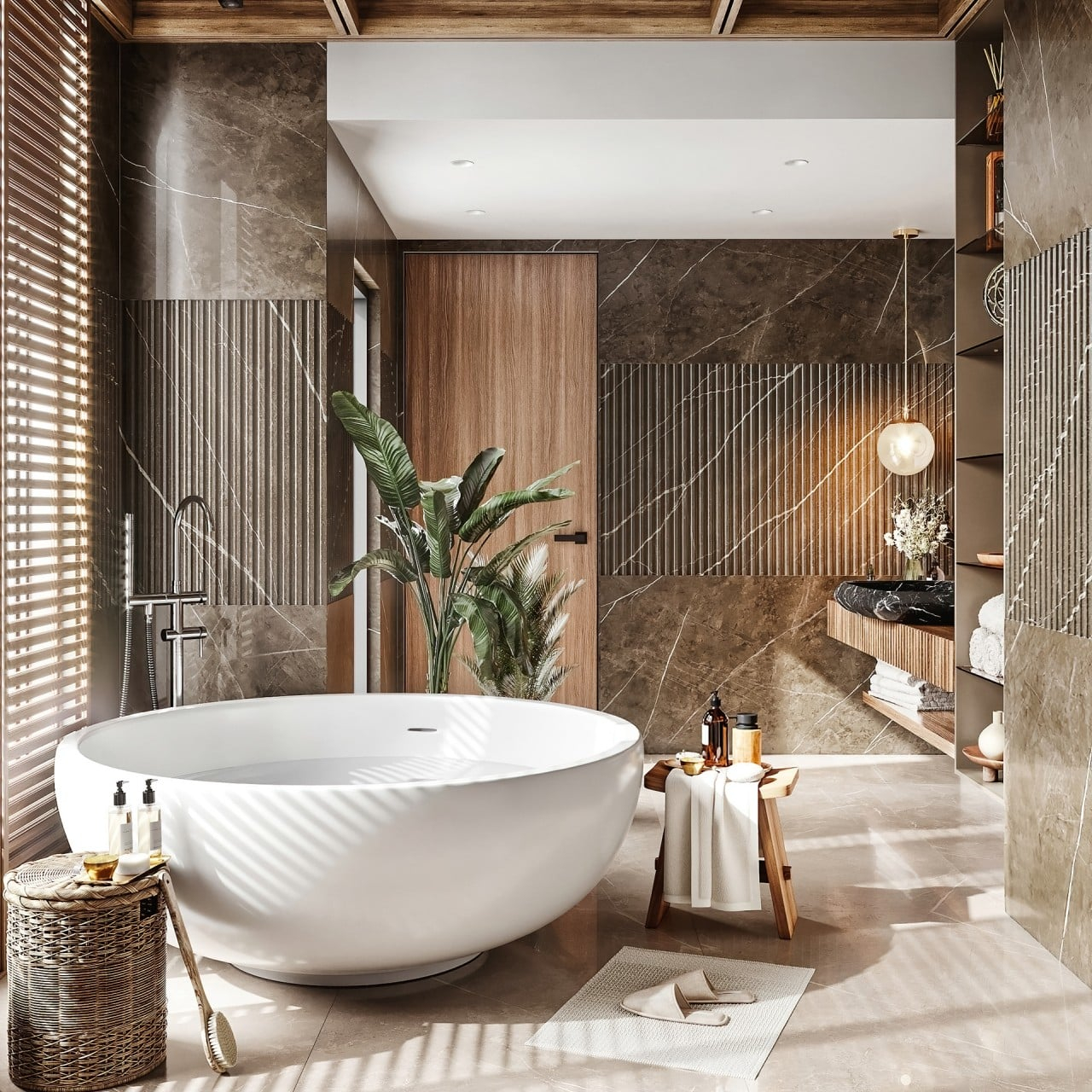
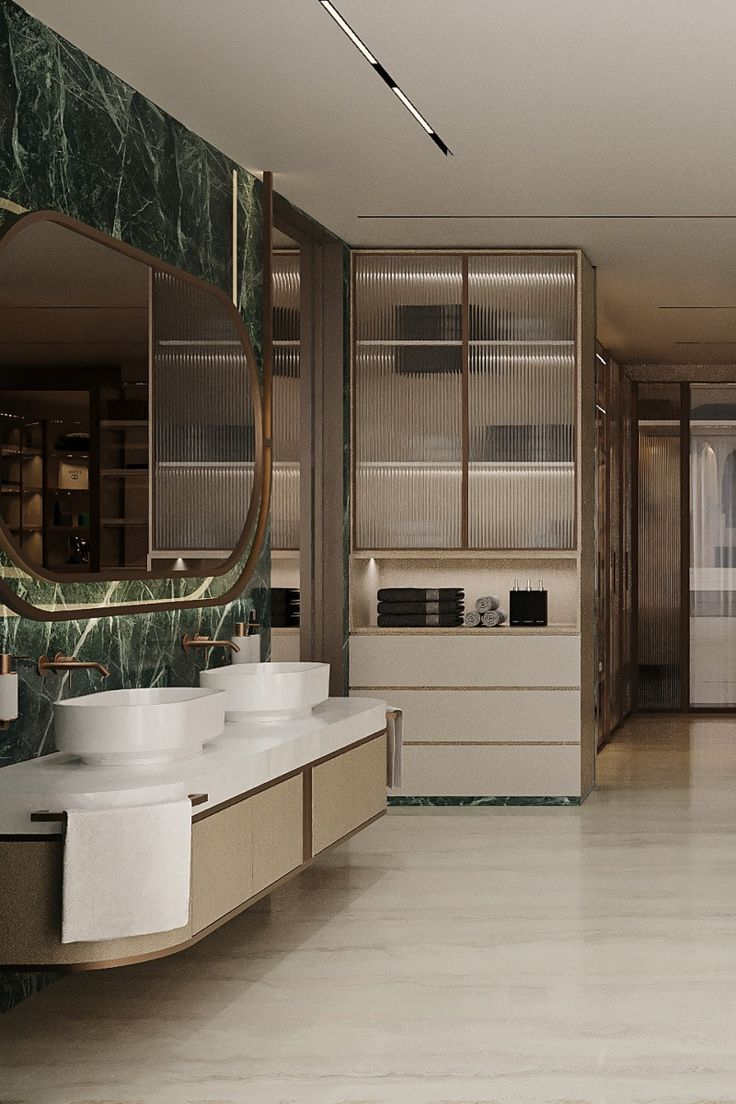
Ever walked into a bathroom that felt just… right? Not too cold, not too cluttered, but perfectly balanced. It’s often the little things that make the biggest difference. And lately, it’s all about the metals. You know, those shiny bits on your faucets, handles, and lights. For years, we were told to pick one finish and stick to it. Gold here. Silver there. Don’t mix them. But guess what? That rule is officially dead. In 2026, mixing metals isn’t just allowed; it’s expected. It’s how you get that layered, cozy vibe that makes a space feel like home.
But here’s the thing. It can feel risky. What if it looks messy? What if it clashes? Those are fair questions. The trick isn’t just throwing different finishes together and hoping for the best. It’s about intention. It’s about creating contrast that draws the eye without overwhelming it. Think of it like accessorizing an outfit. You wouldn’t wear a silver belt with gold shoes and a platinum watch, right? Well, maybe you would if you were really bold. But in interior design, we aim for harmony. A warm brass faucet paired with cool matte black hardware can create a stunning visual pop. It adds depth. It adds personality. And most importantly, it makes the room feel inviting.
Why Breaking the "One Metal" Rule Works
For decades, the golden rule of bathroom design was simple: match everything. If your faucet was chrome, your towel bars had to be chrome. Your light fixtures? Chrome. Your cabinet pulls? You guessed it. It was safe. It was easy. But it was also kind of boring. Uniformity can feel sterile. Like a hotel room that no one has ever actually stayed in. By mixing metals, you break that monotony. You introduce texture and warmth. It makes the space feel curated, not just catalog-bought.
Mixing metals gives you flexibility, too. Maybe you’re renovating an older home and can’t easily change the existing plumbing fixtures. Or maybe you found a vintage mirror with beautiful bronze detailing that you absolutely love. Instead of fighting against these elements, you work with them. You build around them. This approach saves money and reduces waste, which is a huge plus in today’s eco-conscious design world. Plus, it allows for evolution. Trends change. If you’ve anchored your room with neutral tiles and white walls, swapping out a few metal accents is way easier than ripping out a whole vanity.
The psychological impact is real, too. Warm metals like brass, copper, and gold trigger feelings of comfort and luxury. Cool metals like chrome and nickel feel clean and modern. When you blend them, you get the best of both worlds. You get the crispness of modern design with the soul of traditional warmth. It’s a balance that feels human. After all, our lives aren’t uniform. Why should our bathrooms be?
Choosing Your Primary and Secondary Finishes
So, where do you start? It helps to think in terms of hierarchy. You don’t want every metal to shout for attention. Pick one finish to be the star. This is your primary metal. It’ll likely be on the biggest or most visible items, like your faucet, showerhead, or main light fixture. In 2026, warm tones are having a major moment. Brushed brass and matte gold are popular choices for this lead role. They reflect light softly and add an instant glow to the room.
Once you’ve picked your star, choose a secondary metal. This one should complement, not compete. If your primary is warm, go cool for the secondary. Matte black is a fantastic partner for brass. It grounds the space. It adds definition. Chrome or polished nickel works well too, offering a sleek, reflective counterpoint. The key is contrast. If both metals are too similar in tone—like brushed nickel and stainless steel—they might just look like you couldn’t decide. You want the eye to notice the difference.
Don’t forget about the third accent, if you use one. Keep it minimal. Maybe it’s just the hinges on a cabinet or the frame of a small mirror. Copper or antique bronze can work here as a subtle nod to warmth without taking over. The general rule of thumb? Stick to two, maybe three finishes max. Any more and it starts to look chaotic. Remember, we’re aiming for inviting, not overwhelming. Less is often more when it comes to metallic accents.
Balancing Warm and Cool Tones
Temperature matters. Seriously. Metals have visual temperatures, just like paint colors. Brass, gold, and copper are warm. They lean toward yellow, orange, or red undertones. Chrome, nickel, and silver are cool. They lean toward blue or gray. Black is neutral, but it often reads as cool because of its starkness. To create that warm and inviting atmosphere, you need to balance these temperatures.
If your bathroom has lots of cool elements—white marble, gray tiles, blue paint—you’ll want to inject warmth through your metals. A brass vanity light or gold-framed mirror can soften the chill. It makes the room feel cozier. On the flip side, if your space is already warm with beige stones or wood vanities, cool metals can provide a refreshing crispness. They keep the room from feeling too heavy or dated.
Lighting plays a huge role here, too. The way light hits metal changes how we perceive its temperature. Warm LED bulbs (around 2700K-3000K) enhance the glow of brass and gold. They make the whole room feel softer. Cool daylight bulbs can make chrome sparkle but might wash out warmer tones. Consider installing dimmable sconces with glowing shades. As noted in recent design guides, incorporating glowing wall sconces adds an inviting vibe. It reminds us that lighting isn’t just functional; it’s atmospheric. It enhances the metal finishes and ties the whole look together.
Where to Place Each Metal Type
Placement is everything. You don’t want all the brass in one corner and all the black in another. That looks accidental, not designed. Distribute your metals throughout the space to create rhythm. If you have a brass faucet, consider brass cabinet pulls on the opposite side of the room. Or maybe a brass towel ring near the shower. This repetition creates a sense of cohesion. It tells the eye, “This belongs here.”
Start with the fixtures. These are the hardest to change, so they usually dictate your palette. If your shower valve is chrome, that’s fine. Let it be your neutral base. Then, layer in your chosen accent metal through easier-to-swap items. Towel bars, toilet paper holders, robe hooks. These are low-commitment ways to test the waters. If you hate it, you can swap them out for twenty bucks. No big deal.
Don’t overlook the details. Mirror frames, light fixture arms, even the legs of a freestanding tub can be metal opportunities. A black-framed mirror above a brass faucet creates a striking vertical line. It draws the eye up. It adds height. And if you’re working with a small bathroom, this vertical emphasis can make the space feel larger. Just be mindful of scale. Huge, chunky black hardware might overwhelm a tiny powder room. Sleek, thin lines often work better in tight spaces.
Lighting and Accessories: The Secret Weapons
Lighting is where mixed metals truly shine. Literally. A chandelier or pendant with mixed finishes can be a statement piece all on its own. Imagine a fixture with brass arms and black sockets. It ties the whole room together without you having to do much else. Wall sconces are equally important. They provide task lighting for grooming but also ambient glow for relaxing baths. Choose finishes that echo your other metals. If you have brass faucets, brass sconce arms create a nice link.
Accessories are the fun part. This is where you can play. Soap dispensers, toothbrush holders, trays. These small items add texture and interest. A copper soap pump on a marble counter? Gorgeous. A black wire basket for towels? Practical and stylish. Just don’t overdo it. Clutter kills the vibe. Keep surfaces relatively clear so the metal accents can breathe.
And let’s talk about textiles for a second. They aren’t metal, but they interact with it. A plush white towel against a black rack looks crisp. A navy bath mat under a brass stool adds richness. The colors and textures of your soft goods can bridge the gap between different metals. They soften the hard edges. They make the room feel lived-in. Which is exactly the goal, right? We want a bathroom that feels good to be in. Not just one that looks good in a magazine.
Common Mistakes to Avoid
Even with the best intentions, things can go wrong. The biggest mistake? Using too many finishes. We mentioned sticking to two or three. Seriously, stick to it. Four or five different metals look like a hardware store exploded. It’s distracting. It lacks focus. Keep it simple.
Another pitfall is ignoring the style of the hardware. Mixing metals is one thing; mixing styles is another. Don’t pair ultra-modern, minimalist black handles with ornate, Victorian-style brass faucets unless you’re going for a very specific eclectic look. Usually, it just looks confused. Try to keep the design language consistent. If your faucet is sleek and modern, your towel bars should be too. If your faucet is curvy and traditional, match that vibe.
Also, watch out for clashing sheens. Mixing matte and polished finishes can work, but it’s tricky. Polished chrome next to matte black can look great. But polished brass next to brushed nickel might look like a mismatch error. Generally, it’s safer to keep the sheens somewhat consistent or deliberately contrasting. If you’re unsure, stick to one sheen level for your primary metal and vary it slightly for the secondary. Test samples in your actual bathroom light before committing. What looks good in the store might look totally different at home.
At the end of the day, your bathroom is a sanctuary. It’s where you start and end your day. It should feel good. Mixing metals is just a tool to help you achieve that feeling. It’s not about following strict rules. It’s about creating a space that reflects your taste and makes you feel comfortable. Whether you lean toward the warm glow of brass or the sleek coolness of chrome, the key is balance. Intentionality.
Look at what you already have. Work with it. Add layers slowly. Don’t rush. Design is a process. Maybe you start with new towel bars. Then you swap out the mirror. Then you change the light fixture. Over time, the room evolves. It becomes yours. And that’s the beauty of it. There’s no right or wrong answer, only what works for you.
So go ahead. Mix that gold with the black. Pair the copper with the chrome. Trust your instincts. If it feels right, it probably is. After all, the most inviting spaces are the ones that feel authentic. They tell a story. They welcome you in. And isn’t that what a home is supposed to do?