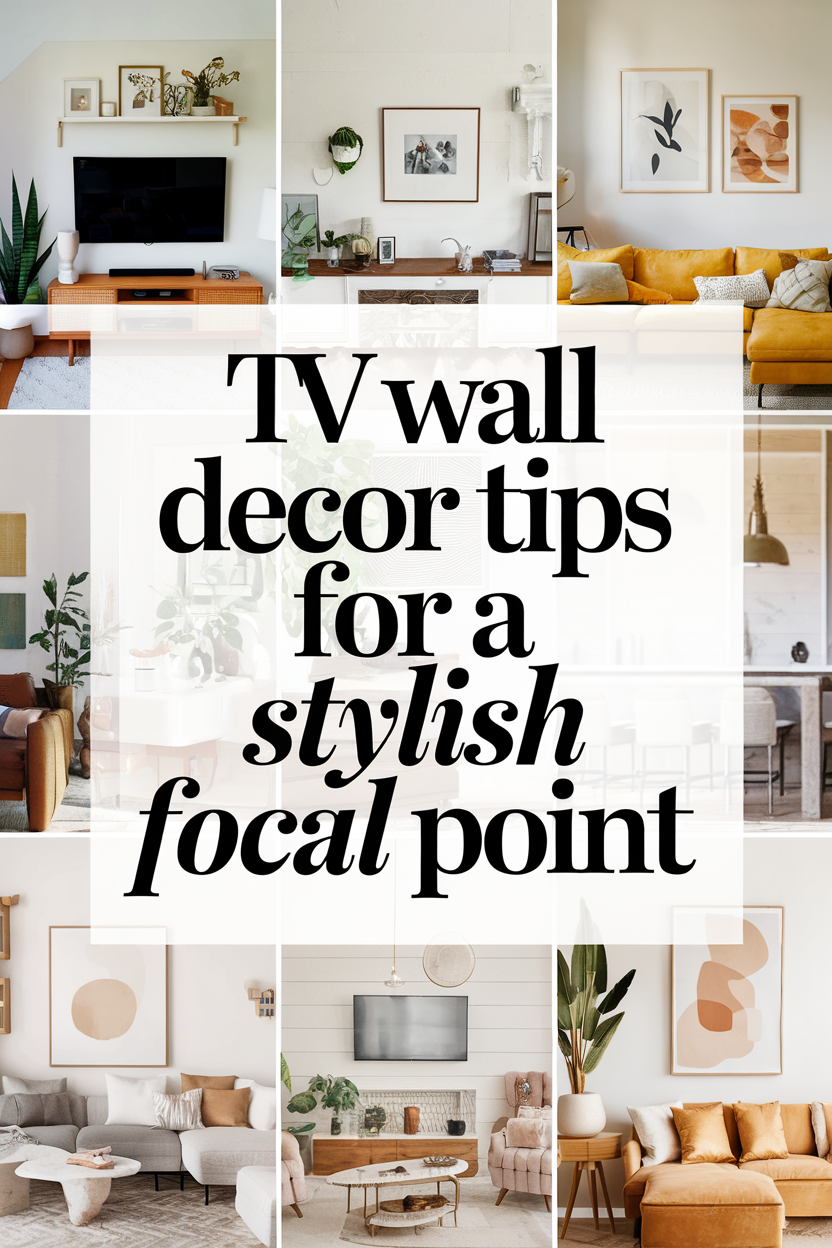
We’ve all been there. You spend hours picking out the perfect sofa, finding that rug that ties the room together, and maybe even hanging a piece of art you love. Then, you plug in the television. And suddenly, the vibe is off. It’s just this big, black, glossy rectangle staring back at you, dominating the wall and sucking the life out of your carefully curated aesthetic. It feels like an intruder. A necessary evil, sure, but an eyesore nonetheless.
But here’s the thing: it doesn’t have to be that way. In 2026, we’re seeing a massive shift in how people approach media walls. It’s not about hiding the TV anymore; it’s about making it look like it was meant to be there all along. The difference between a cluttered, awkward living room and a sleek, designed space often comes down to a few simple tricks. We’re talking about paint, molding, lighting, and a bit of strategic styling.
Let’s look at some real transformations. Before and after photos are revealing that you don’t need a complete renovation or a budget-breaking custom build to fix the "big black box" problem. Sometimes, all it takes is a change in perspective and a weekend afternoon. If you’re tired of apologizing for your TV setup, keep reading. We’re going to break down exactly how to make that bulky screen look intentional, stylish, and seamlessly integrated into your home.
The Power of Paint and Color Blocking
One of the most effective—and cheapest—ways to tame a large TV is through paint. It sounds too simple to work, right? But look at the data. A recent feature on Apartment Therapy highlighted a TV wall makeover that was completed in less than a day using nothing but paint sample pots. The before photo showed a standard white wall with a stark, floating black TV. It looked lonely and disconnected. The after? A deep, moody accent wall that made the black bezel of the TV virtually disappear into the background.
The trick here is contrast management. When you have a light-colored wall, a black TV creates a high-contrast focal point that draws the eye immediately. By painting the wall behind the TV a darker shade—think charcoal, navy, or even a warm black—you reduce that contrast. The TV blends in. It becomes part of the architecture rather than an appliance stuck on top of it. This is a classic interior design principle: if you want something to recede, match it to its surroundings.
You don’t even need to commit to a whole gallon of paint if you’re nervous. As seen in several DIY blogs, using paint samples to create a geometric pattern or a simple rectangular block behind the screen can frame the TV beautifully. This technique grounds the television. It gives it a designated "home" on the wall. Plus, it adds depth and interest to the room without overwhelming the space. Just remember to test your colors in different lighting conditions. What looks good at noon might look muddy at night. Take your time with this step. It’s low risk, high reward.
Framing the Screen with Molding and Trim
If paint feels too basic for your taste, let’s talk about molding. Also known as wall trim or wainscoting, molding is having a major moment in 2026. It’s not just for historic homes anymore. Modern, minimalist spaces are using simple picture frame molding to add structure to blank walls. Caitlin Marie Design showcased a living room transformation where simple white molding on white walls created a sophisticated backdrop for a wall-mounted TV. The before photo was flat and undefined. The after photo felt grounded and expensive.
Why does this work? Molding breaks up large, empty wall spaces. A big TV on a huge blank wall can look small and awkward, or conversely, the wall can look too vast and the TV too dominant. By adding trim, you create sections. You can center the TV within a molded panel, which instantly makes it look like a deliberate design choice. It frames the screen like a piece of art. This technique helps the TV feel integrated into the room’s architecture. It stops being a gadget and starts being a feature.
Installation is easier than you might think. You don’t need to be a master carpenter. Pre-primed MDF trim is widely available and easy to cut with a miter saw. Even simpler, you can use adhesive-backed trim for a renter-friendly option that still delivers that custom look. The key is symmetry. Ensure the molding is centered and proportionate to the TV size. If the TV is wide, the panel should be wider. If it’s tall, adjust accordingly. This visual balance is what makes the setup feel "intentional" rather than accidental. It’s a small detail that makes a huge diference in the overall feel of the room.
Creating Depth with Slat Walls and Textures
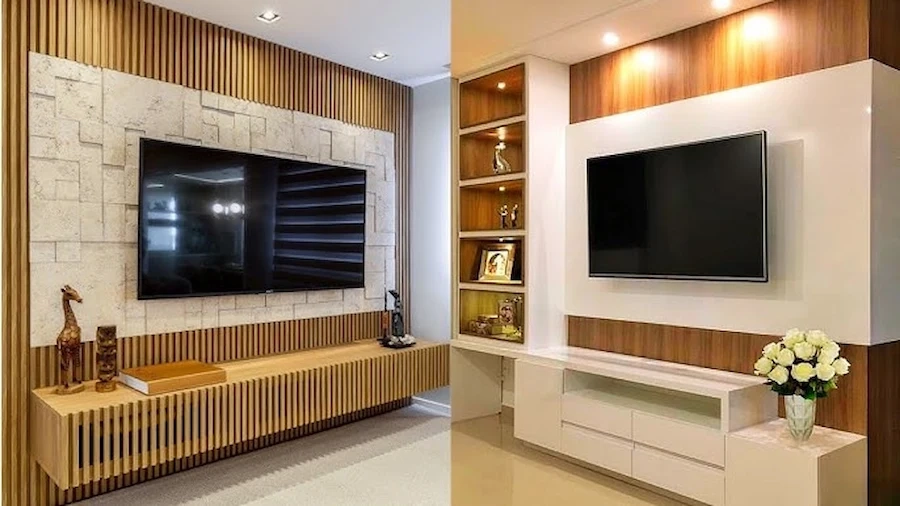
Sometimes, flat paint and trim aren’t enough. You want texture. You want warmth. Enter the slat wall. This trend has exploded in popularity over the last few years, and for good reason. Wood slats add organic texture and vertical lines that draw the eye up, making ceilings feel higher and rooms feel larger. Homemadegraceful.com featured several DIY TV wall ideas that utilized modern slat walls to soften the harshness of a large screen. The before images showed cold, sterile tech setups. The afters? Cozy, inviting media centers that people actually wanted to hang out in.
A slat wall works because it adds dimension. The shadows created by the gaps between the slats give the wall movement. When you mount a TV on a slat wall, it doesn’t just sit on a flat surface; it floats against a textured backdrop. This reduces the visual weight of the TV. It’s no longer a heavy black slab; it’s a element in a layered composition. You can stain the wood dark for a dramatic, cinematic feel, or keep it light and airy for a Scandinavian vibe. The choice depends on your existing decor.
And you don’t need to break the bank. Many homeowners are using IKEA hacks to achieve this look. For instance, a popular hack involves using IKEA BESTÅ units combined with wood slats to create a full media wall. One Reddit user, iBeryl, shared a transformation that fixed the awkward "small TV-big wall" gap by building a custom-looking accent wall around a simple media console. The result was a clean, sophisticated look that hid clutter and made the TV feel purposeful. By adding texture, you distract from the sheer size of the screen and invite the eye to explore the whole wall, not just the black void.
The Gallery Wall Distraction Technique
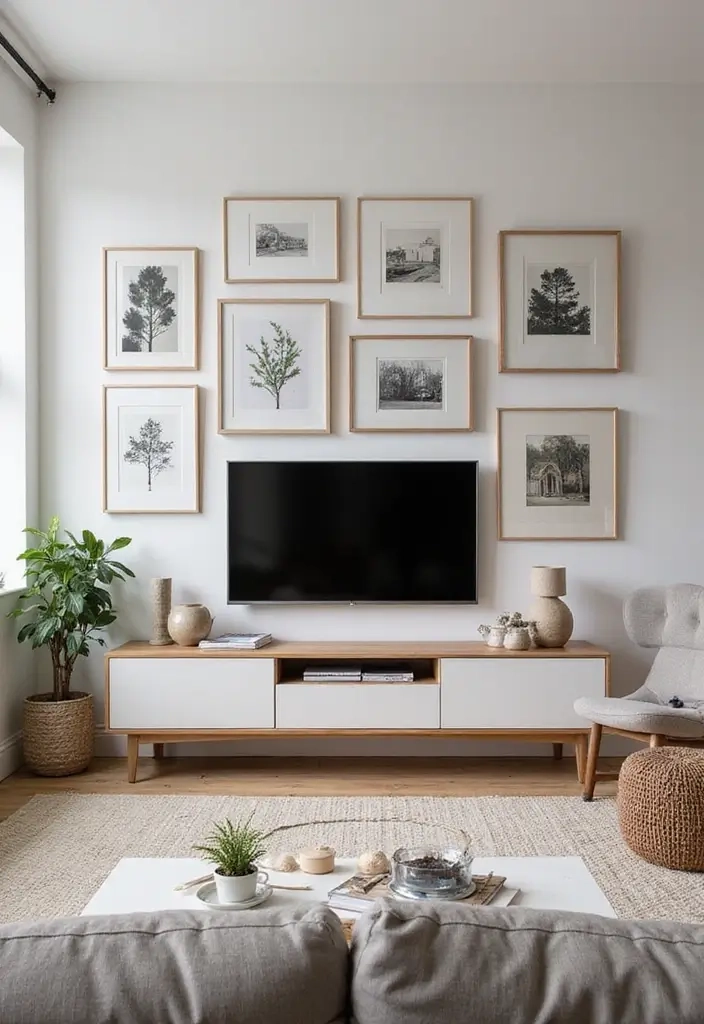
Not everyone wants to build a wall or paint a dark accent. Some people love their white walls and want to keep things light. For them, the gallery wall is the answer. But not just any gallery wall. This is about strategic placement. The goal is to blend the TV into a collection of art and frames so it doesn’t stand out as the only dark object in the room. Startathomedecor.com emphasizes using accessories and design elements to maintain a cohesive look. When done right, the TV becomes just another rectangle in a sea of rectangles.
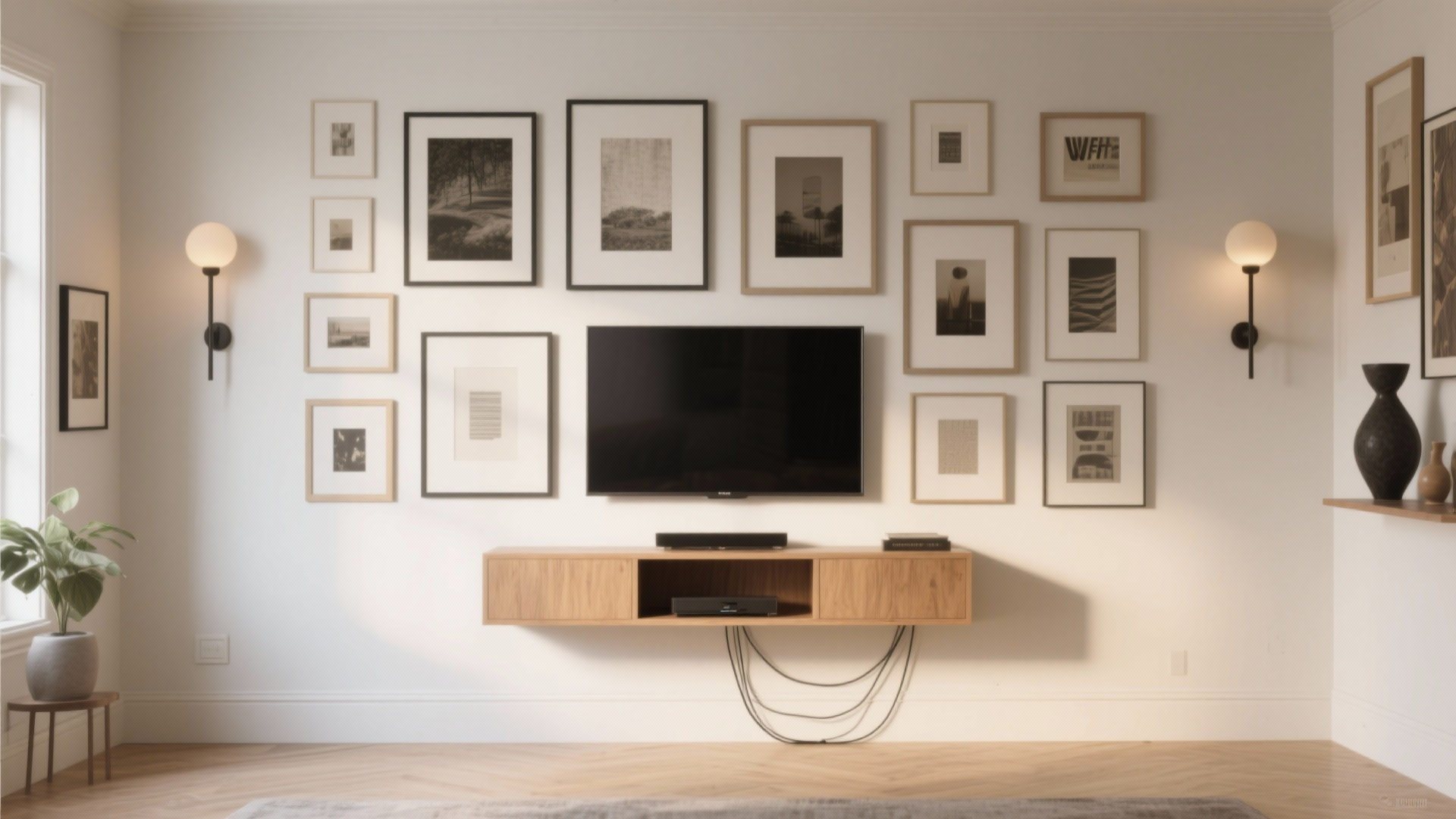
The secret is balance. You need to surround the TV with enough visual weight to counteract its dominance. Use larger frames near the TV and smaller ones further out. Mix horizontal and vertical orientations. And crucially, include some art with dark tones or black frames to echo the color of the TV screen. This creates a visual rhythm. The eye moves from the art to the TV and back again, rather than getting stuck on the screen. It’s a distraction technique, but a stylish one.
Be careful not to clutter, though. PoshPennies warns against cluttering around a large TV. Too many small items can make the area look busy and chaotic. Stick to a curated selection of pieces. You might also consider using a mix of media—prints, photographs, and even small shelves with objects. This adds variety and keeps the eye moving. In 2026, we’re seeing more people use digital art frames alongside their TVs, creating a hybrid tech-art wall that feels modern and personalized. It’s about making the TV part of the story, not the whole story.
Lighting and Camouflage Strategies
Lighting is the unsung hero of TV integration. Most people just rely on overhead lights, which can create glare on the screen and cast harsh shadows around the TV. This highlights the bulkiness of the unit. Instead, use layered lighting to soften the edges and blend the TV into the room. Bias lighting—LED strips placed behind the TV—is a game changer. It creates a halo effect that separates the TV from the wall, making it appear thinner and more floating. It also reduces eye strain during viewing.
Beyond bias lighting, consider sconces or picture lights above or beside the TV. These draw attention to the wall as a whole, not just the screen. HGTV suggests that with the right lighting, you’ll barely notice the "big honking television." Light washes over the surrounding decor, creating a warm ambiance that makes the TV feel less like a piece of equipment and more like a cozy gathering spot. It’s about setting a mood. When the room is softly lit, the harsh black of the TV screen softens too.
Another camouflage strategy is the "Frame TV" look. Samsung and other brands now sell TVs that look like framed artwork when powered off. But you don’t need to buy a new TV to get this effect. Many DIYers have hacked standard TVs by adding a custom wooden frame around the bezel. CubbyAtHome featured a media room where a homemade accent wall and framing techniques made a standard TV look like a high-end piece of furniture. By treating the TV like a picture frame, you change how people perceive it. It’s no longer a screen; it’s a display. And when it’s off, it’s just a dark mirror or a piece of art, depending on your setup.
Nothing screams "accidental" like a tangle of wires hanging below your TV. It undermines all your hard work with paint and molding. To make a bulky TV look intentional, the setup must be clean. Housedigest.com lists smart ways to blend TVs into decor, and cable management is always at the top of the list. If the wires are visible, the illusion is broken. The TV looks like an afterthought. But if the cables are hidden, the TV looks like it was built into the wall.
There are several ways to achieve this. If you’re renting, cord covers painted to match the wall are a lifesaver. They’re inexpensive and easy to install. If you own your home, running cables inside the wall is the gold standard. It requires some effort, but the result is pristine. Alternatively, use a media console with built-in cable management. IKEA BESTÅ units, mentioned earlier, are great for this. They offer compartments and holes to route wires neatly out of sight.
Also, consider the devices themselves. Do you really need that cable box, game console, and streaming stick all sitting out? Hide them in cabinets or drawers. Use wireless peripherals where possible. The less visual noise around the TV, the more intentional it looks. A clean setup allows the design elements—the paint, the molding, the art—to shine. It creates a sense of calm and order. And let’s be honest, a tidy space just feels better. It’s the final polish that turns a good setup into a great one. Don’t skip this step. It’s the difference between looking like you tried and looking like you know what you’re doing.
So, there you have it. Making a bulky TV look intentional isn’t about magic. It’s about method. It’s about understanding how color, texture, light, and organization work together to guide the eye. Whether you choose to paint a dark accent wall, add elegant molding, install warm wood slats, curate a gallery wall, or simply hide those pesky cables, the goal is the same: integration. You want the TV to feel like a natural part of your home, not an intrusion.
Look at your own space. What’s the biggest pain point? Is it the stark contrast? The messy wires? The empty wall space? Pick one of these strategies and start there. You don’t have to do everything at once. Maybe start with some paint samples. Or buy a few feet of trim. Small changes add up. And remember, there’s no perfect solution. There’s only what works for you and your home.
In 2026, our homes are more multifunctional than ever. The living room is an office, a gym, a theater, and a sanctuary. Your TV is likely the centerpiece of that activity. It deserves to be treated with care. By applying these simple, proven tricks, you can reclaim your space. You can stop apologizing for your TV and start enjoying it. After all, it’s not just about watching shows. It’s about living in a space that feels good. And that’s worth a little effort. Go ahead. Give it a try. You might be surprised by how much a few simple tweaks can change the way you feel about your home.