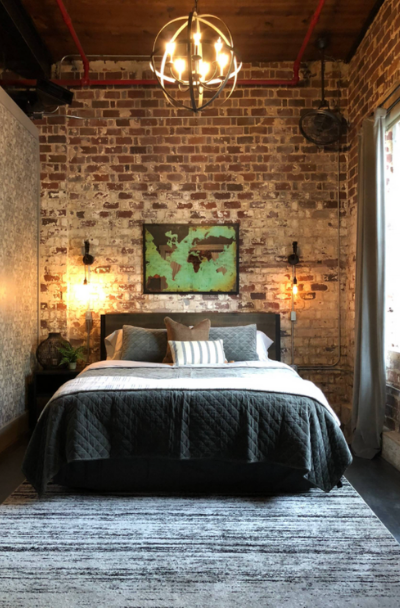
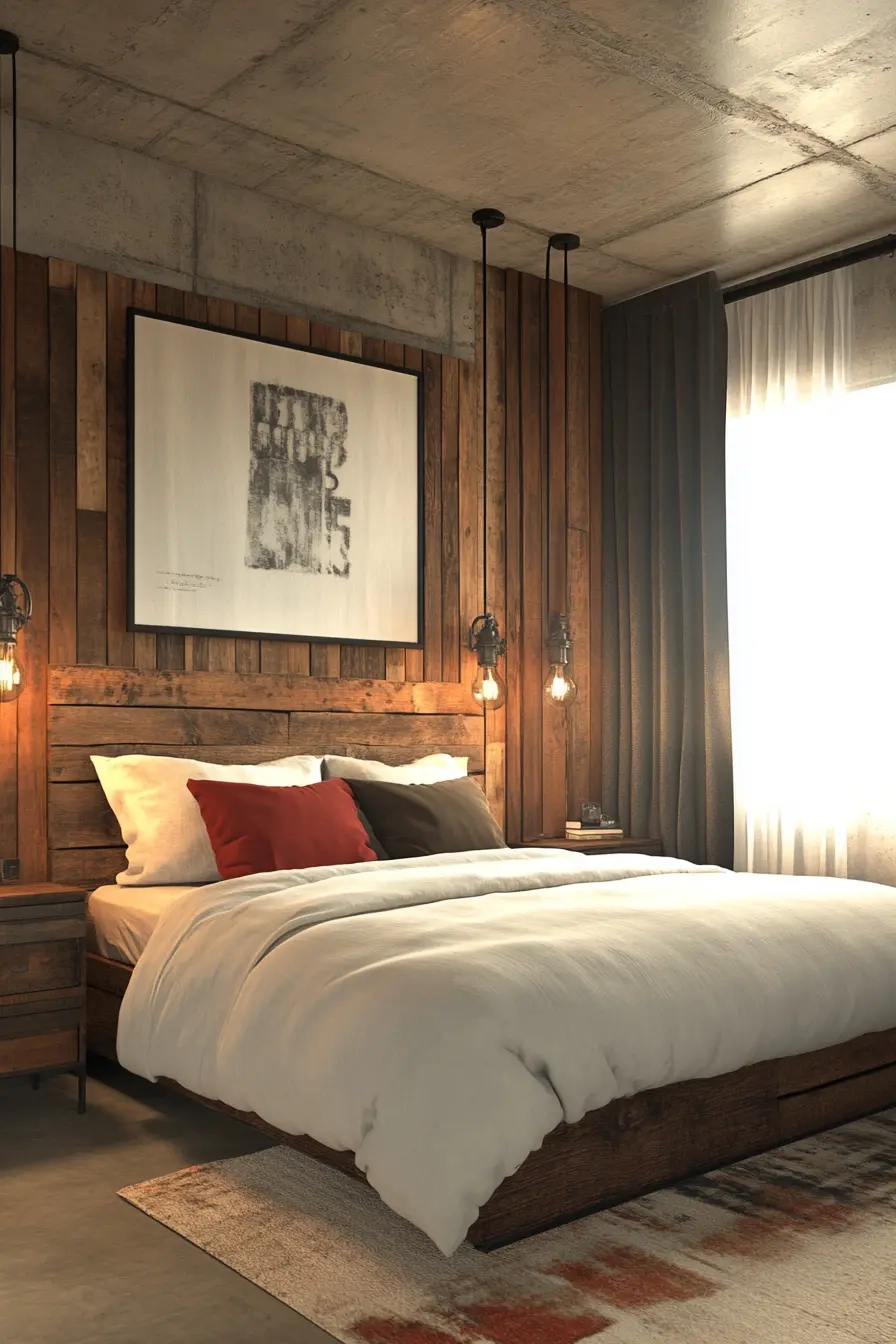
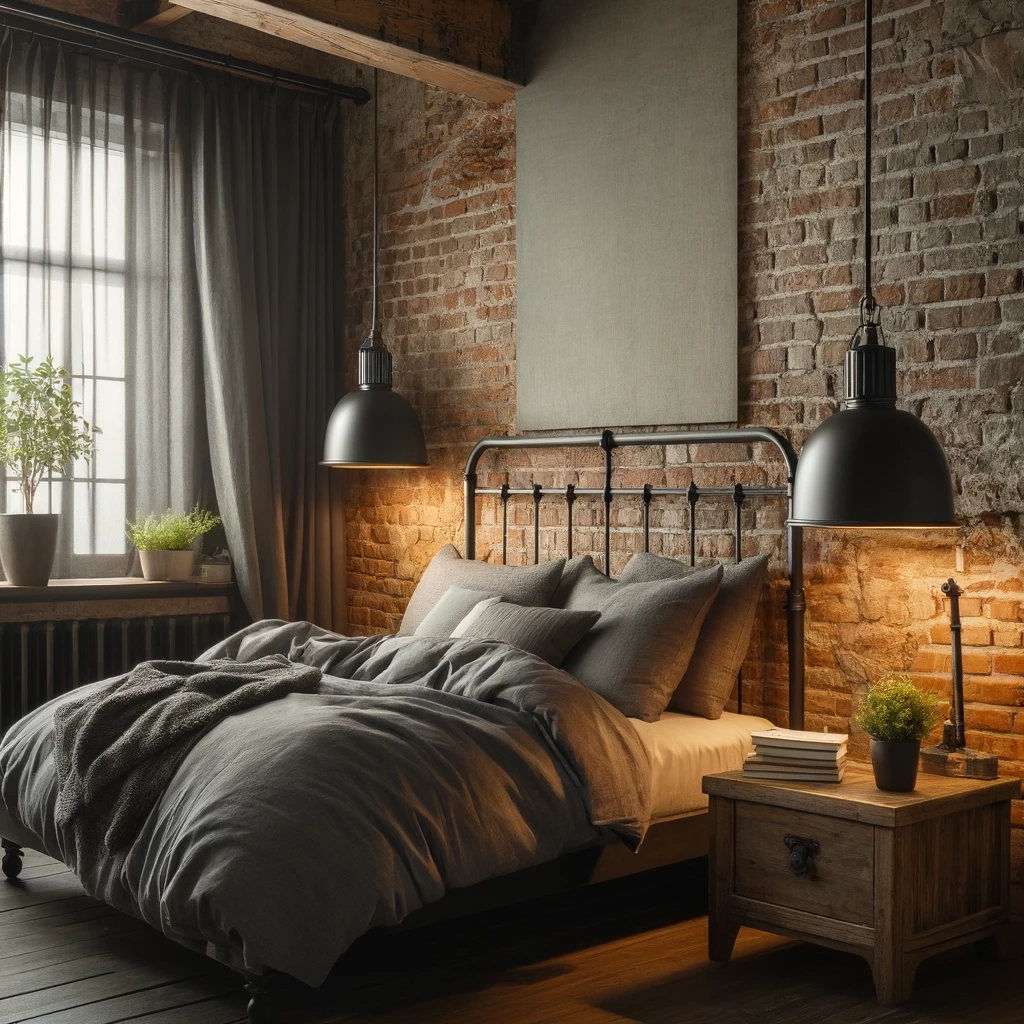
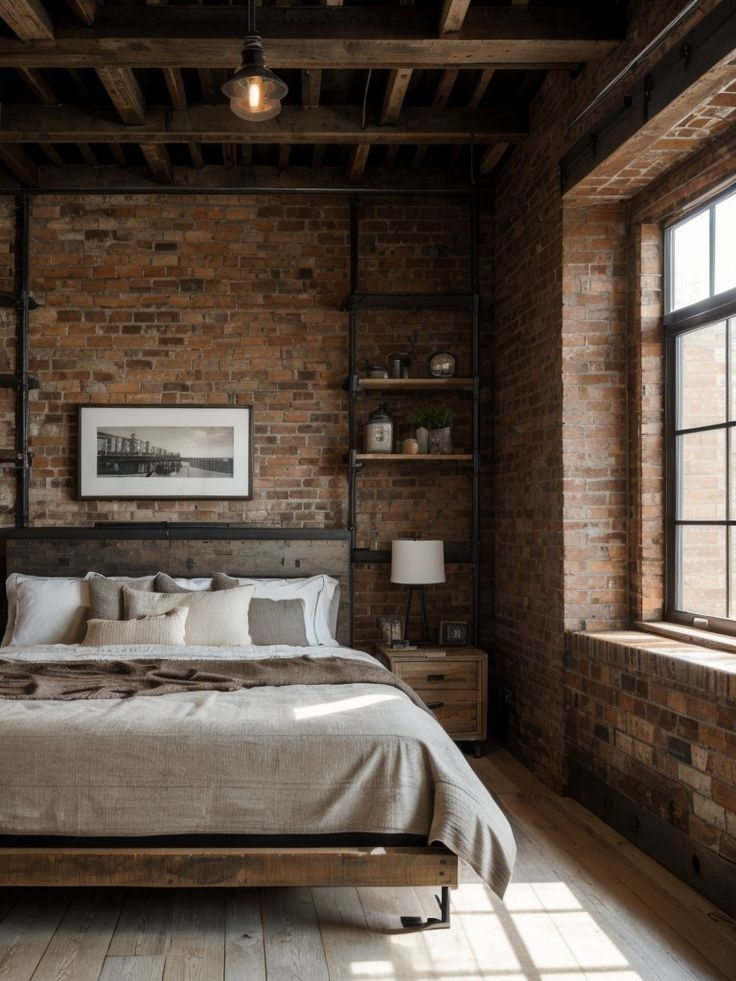
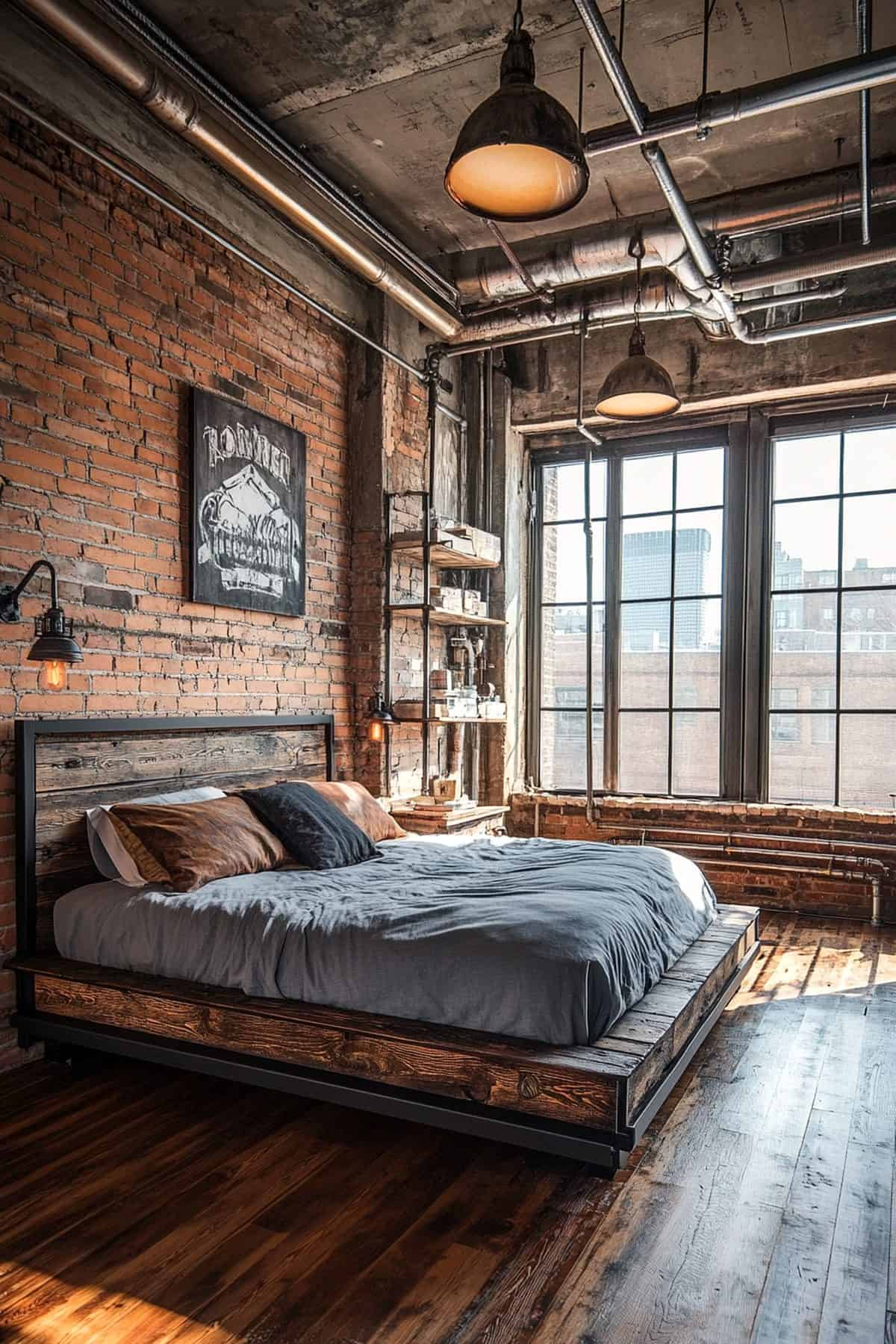
Ever walked into a room that felt just… right? Not too cold, not too cluttered. Just perfect. It’s a rare feeling. Usually, we swing hard one way or the other. We go full minimalist, stripping everything down to bare bones and grey surfaces. Or we go maximalist, filling every corner with knick-knacks and floral prints. But what if the secret to a truly restful space isn’t choosing a side? What if it’s about the collision of two opposites?
Think about it. Your bedroom is where you drop your guard. It needs to feel solid, grounded, safe. But it also needs soul. It needs history. That’s why the trend taking over interior design in 2026 isn’t just about industrial chic or cottage core. It’s about marrying the unyielding strength of concrete with the soft, storied warmth of vintage finds. It sounds like an odd couple, doesn’t it? Like pairing a biker jacket with a lace dress. But when done right, it’s magic.
This isn’t just a fleeting Instagram fad. It’s a response to how we live now. We crave durability because life is messy. We crave nostalgia because the world moves too fast. By bringing these two worlds together, you create a space that feels both modern and timeless. A place that anchors you while letting your imagination wander. Let’s dig into why this combination works so well, and how you can pull it off without making your room feel like a cold warehouse or a dusty museum.
The Grounding Power of Raw Textures
Concrete gets a bad rap sometimes. People hear "concrete" and think "parking garage." They imagine cold, grey, unforgiving spaces. But that’s a misunderstanding of the material. In a bedroom, concrete isn’t about being cold. It’s about being calm. It provides a visual silence that painted drywall just can’t match. When you look at a textured concrete wall or floor, your eyes don’t dart around looking for details. They rest. It’s a neutral canvas that lets your mind settle down.
According to recent design insights from sources like Lost At E Minor, concrete floors exude a rugged charm that transforms ordinary sleeping spaces into stylish havens. It’s got this urban sophistication that feels incredibly current. But it’s more than just looks. Concrete is durable. It lasts. In a world where we’re tired of buying cheap furniture that breaks in two years, there’s something deeply satisfying about a surface that will outlive us. It adds a sense of permanence to your personal retreat.
And let’s talk about temperature—both physical and emotional. Yes, concrete is cool to the touch. But that’s where the design trick comes in. You don’t leave it bare. You layer it. The coolness of the floor makes the warmth of a rug feel even more luxurious. The hardness of the wall makes the softness of your bedding feel like a cloud. It’s all about contrast. Without the hard edge of the concrete, the soft things in your room lose their impact. They just blend into a mush of comfort. The concrete gives them definition.
Bringing History Home with Vintage Finds
If concrete is the anchor, vintage charm is the sail. It’s what catches the wind and gives the room direction. Vintage pieces bring stories into your space. That chipped dresser? It’s seen decades of life. That brass lamp? It’s lit up rooms since the 1970s. These objects have weight. Not just physical weight, but emotional weight. They remind us that time passes, and that beauty often comes with wear and tear. In 2026, as we move away from the sterile perfection of fast furniture, this appreciation for the aged is stronger than ever.
Mia Home Decors highlights how antique décor and warm textures elevate comfort and character. It’s not about filling your room with junk. It’s about curation. It’s about finding that one piece that speaks to you. Maybe it’s a velvet armchair with a slightly faded hue. Maybe it’s a wooden frame with scratches that tell a tale. These imperfections are what make a house feel like a home. They break up the monotony. They add quirks. And quirks are where personality lives.
There’s also a sustainability angle here that we can’t ignore. Buying vintage is recycling on a grand scale. It keeps beautiful items out of landfills. It reduces the demand for new resource extraction. For many people in 2026, this matters. It feels good to sleep in a room that respects the planet. Plus, vintage items are often built better than modern mass-produced goods. Solid wood joints. Real brass hardware. They were made to last, which pairs perfectly with the longevity of concrete. It’s a match made in eco-friendly heaven.
The Art of Balancing Hard and Soft
So, how do you mix them without it feeling chaotic? It’s all about balance. You can’t have 100% concrete and 100% vintage clutter. That’s a recipe for a headache. You need to find the sweet spot. Think of the concrete as the stage and the vintage items as the actors. The stage needs to be simple so the actors can shine. If your walls are heavy, textured concrete, keep the vintage pieces curated and intentional. Don’t overcrowd the space.
Lighting plays a huge role here. Houzz points out how a classic rose chandelier can breathe new life into a space, blending vintage charm with modern sophistication. Imagine a raw, unfinished concrete ceiling. Now hang a delicate, crystal-encrusted vintage chandelier from it. The contrast is stunning. The hard, rough ceiling makes the delicate crystals look even more precious. The soft glow of the light bounces off the textured concrete, creating shadows and depth that flat walls never could. It adds romance to the industrial edge.
Textiles are your best friend in this balancing act. You need layers. Lots of them. Throw pillows, chunky knit blankets, silk sheets, wool rugs. These soft materials absorb the sound and the visual harshness of the concrete. They invite touch. When you walk into the room, your feet hit the cool floor, but then you sink into a plush rug. You run your hand along the rough wall, then curl up under a soft duvet. It’s a sensory journey. The goal is to make the room feel cozy, not cavernous. The vintage textiles bridge the gap between the ancient earthiness of concrete and the human need for comfort.
Color Palettes That Bridge the Gap
Color is tricky when you’re dealing with grey concrete and multi-colored vintage items. You don’t want the room to feel drab. But you also don’t want it to look like a rainbow exploded. The key is to use a neutral base and let the vintage pieces provide the pops of color. Concrete is naturally grey, beige, or taupe. These are earth tones. They play nice with almost anything. But they sing when paired with warm woods and muted vintage hues.
Think about adding reclaimed wood accents. Waiz Empire suggests that combining exposed brick or concrete with reclaimed wood offers a cozy touch. Wood is the natural mediator between stone and fabric. It has the warmth of vintage but the structural integrity of modern design. A mid-century modern wooden nightstand against a concrete wall? Perfection. The grain of the wood picks up the subtle variations in the concrete. It ties the two elements together visually.
For the rest of your palette, look to nature. Sage greens, terracotta oranges, deep blues. These colors look incredible against grey. They remind us of the outdoors, which reinforces the grounding effect of the concrete. Avoid neon brights or overly synthetic colors. They clash with the organic feel of both concrete and aged vintage items. Stick to colors that look like they’ve been weathered by time. Faded florals on a vintage quilt. Rust on an old metal tray. These muted tones harmonize with the concrete, creating a serene, cohesive look that feels intentional and calm.
Practical Tips for Maintenance and Care
Let’s get real for a second. Concrete isn’t zero-maintenance. It’s low-maintenance, sure, but it’s not magic. Designer Cheat Sheet notes that maintenance is key to longevity. If you have concrete floors, you need to seal them. This prevents stains from coffee spills or makeup drops. It also makes them easier to clean. A simple sweep and occasional mop is usually enough. But if you skip the sealing step, you’ll regret it when your favorite rug leaves a shadow or your wine glass tips over.
Vintage items need love too. They’re old. They’re fragile. Dust them regularly. Keep them out of direct sunlight if the fabrics are sensitive. Check the hardware on drawers and chairs. Tighten screws. Oil hinges. It’s part of the ritual of owning beautiful things. It connects you to your space. You’re not just a consumer; you’re a caretaker. This mindset shift is important. It slows you down. It makes you appreciate the effort that goes into maintaining a beautiful environment.
Don’t be afraid to mix new with old. You don’t have to buy everything vintage. A new mattress is a good idea. New sheets are nice. The point is to blend. Use new, high-quality basics for the things that touch your skin directly. Use vintage for the things that decorate the space. This hybrid approach ensures comfort and hygiene while still capturing that nostalgic aesthetic. It’s practical. It’s smart. And it keeps the room feeling fresh rather than dusty.
At the end of the day, your bedroom is for you. It’s not for Instagram. It’s not for guests. It’s for sleeping, dreaming, and recharging. The combination of concrete and vintage works because it addresses two fundamental human needs: stability and connection. Concrete gives you stability. It’s solid. Unmoving. Reliable. Vintage gives you connection. It links you to the past, to craftsmanship, to stories. Together, they create a sanctuary that feels both safe and inspiring.
Start small. You don’t need to rip out your carpet and pour a new slab tomorrow. Maybe start with a concrete-look accent wall. Or add a vintage mirror to your existing setup. See how it feels. Adjust as you go. Design is a process, not a destination. Listen to your instincts. If a piece feels wrong, it probably is. If a corner feels empty, fill it with something that makes you smile. Trust your gut.
In 2026, our homes are our refuges. They need to reflect who we are. Complex, layered, contradictory. We are both tough and tender. Both modern and nostalgic. Your bedroom should reflect that duality. Embrace the rough edges. Celebrate the worn surfaces. Let the concrete ground you and the vintage lift you. It’s not just about decoration. It’s about creating a space that supports your well-being. A space that feels authentically, unapologetically you.
So, go ahead. Mix that industrial beam with your grandmother’s quilt. Pair that polished concrete floor with a shabby-chic vanity. Break the rules. Create something unique. Because the best bedrooms aren’t the ones that look like magazine spreads. They’re the ones that feel like home. And home is where the rough meets the romantic.