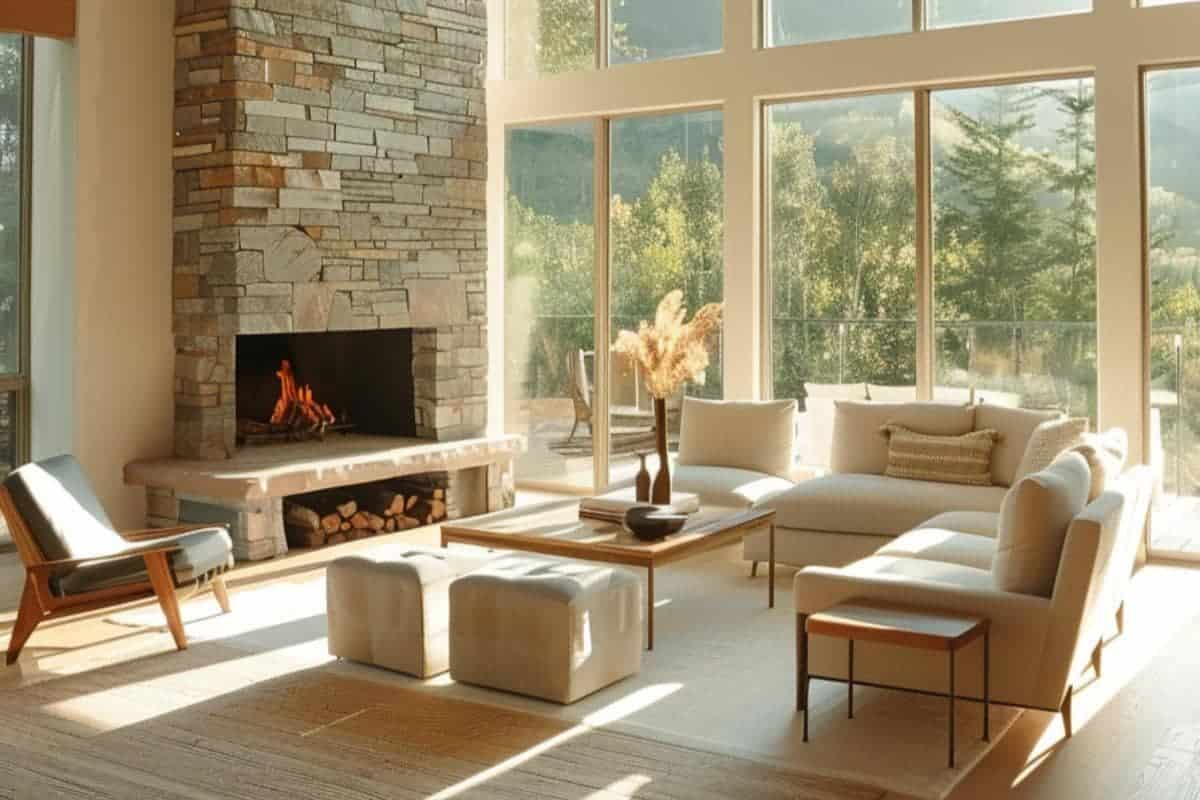
Ever stared at that weird little triangle of space behind your sofa? Or maybe it’s that shadowy gap between the fridge and the wall in a galley kitchen. We’ve all got them. Those awkward, forgotten nooks that seem to collect dust bunnies and regret rather than joy. It feels like wasted potential, doesn’t it? But here’s the secret: these tight spots are actually the most intimate parts of your home. They just need the right touch.
In 2026, the trend isn’t about maximizing square footage anymore. It’s about maximizing feeling. People are tired of sterile, open-plan emptiness. They want warmth. They want corners that hug you back. And the quickest way to get there isn’t by knocking down walls. It’s by mixing two ancient materials: wood and fabric. When you get the balance right, a cramped corner stops feeling cramped. It starts feeling curated. Intentional. Safe.
Let’s be real for a second. Most of us don’t have interior designers on speed dial. We have budget constraints and weirdly shaped rooms. But we do have eyes, and we have hands. This guide is for anyone who wants to turn that dead space into a living part of their home. No jargon. No expensive renovations. Just smart pairing of grain and thread.
Understanding the Psychology of the Corner
Why do we ignore corners? Often, it’s because they feel dark. Shadowy. In architectural terms, they’re low-traffic zones. But psychologically, corners are where we retreat. Think about a child reading under a table. Or an adult curling up in a window seat. There’s a primal sense of protection in having walls on two sides. The problem arises when the corner feels unfinished. An empty corner screams "I forgot about this." A styled corner whispers "Stay awhile."
The key is overcoming the visual weight. Cramped spaces feel smaller when they are cluttered with heavy, solid objects. If you shove a big wooden cabinet into a tiny nook, it’ll feel like a blockage. But if you use wood as a frame and fabric as the filler, you create depth. The eye travels through the texture of the cloth, rests on the warmth of the wood, and perceives space where there was none. It’s a trick of perception, sure. But it works.
Recent studies in environmental psychology from early 2026 highlight that tactile variety reduces stress in small living environments. When our eyes see only flat, hard surfaces, our brains stay alert. But when we see soft folds of linen against rough-hewn oak, our nervous system relaxes. It’s not just decor. It’s biology. By strategically placing these materials, you aren’t just decorating. You’re hacking your own comfort levels.
Choosing the Right Wood Tones for Small Spaces
Wood is the skeleton of your corner. It provides structure. But not all wood works everywhere. In a tight space, light woods are generally your best friend. Think ash, maple, or bleached oak. They reflect light. They feel airy. A dark walnut bookshelf in a tiny alcove can feel like a cave entrance. Unless, of course, that’s the vibe you want. Sometimes, you do want a cocoon. But for most people trying to open up a space, going light is the safer bet.
However, don’t be afraid of contrast. If your walls are white and your floor is pale, a medium-tone wood like cherry or teak can anchor the space without overwhelming it. The grain matters too. Busy, knotty grains can make a small space feel chaotic. Smoother grains with subtle patterns help the eye glide over the surface. In 2026, we’re seeing a rise in "silent wood" treatments—woods that are matte, untreated, and quiet. They don’t shout for attention. They just exist.
Consider the source of the wood as well. Reclaimed wood has character, but it can be visually loud. If you’re using a reclaimed beam for a small shelf, keep the rest of the corner simple. Let the wood be the star. If you’re using sleek, modern plywood, you can afford to add more pattern elsewhere. The rule of thumb? The darker or busier the wood, the less of it you should use in a cramped area. Balance is everything.
Selecting Fabrics That Expand Rather Than Contract
Fabric is the muscle and skin of the corner. It’s where the comfort lives. But choosing the wrong fabric can make a nook feel stuffy. Heavy velvets and thick brocades absorb light. In a dark corner, they disappear into the shadows. Instead, look for fabrics that play with light. Linen, cotton, and sheer blends bounce illumination around. They feel breathable. Even if the corner is physically small, a breezy curtain or a light throw pillow makes it feel larger.
Texture is your secret weapon here. You don’t need bold prints to make a statement. In fact, in small spaces, large prints can feel overwhelming. Stick to solids or micro-patterns. But vary the weave. A chunky knit blanket draped over a smooth wooden chair creates visual interest without visual noise. The eye notices the difference in texture, which adds depth. It’s like adding layers to a painting.
Color plays a huge role too. While neutrals are safe, don’t be afraid of muted tones. Sage green, dusty blue, or warm terracotta can add personality without shrinking the space. Avoid high-gloss fabrics like satin in tight corners—they reflect light in a way that can highlight imperfections in the wall or shape. Matte finishes are more forgiving. They soften the edges. In 2026, sustainable fabrics are also a major consideration. Hemp and organic cotton not only feel good but align with the values of many modern homeowners.
The Magic of Layering: Combining Grain and Thread
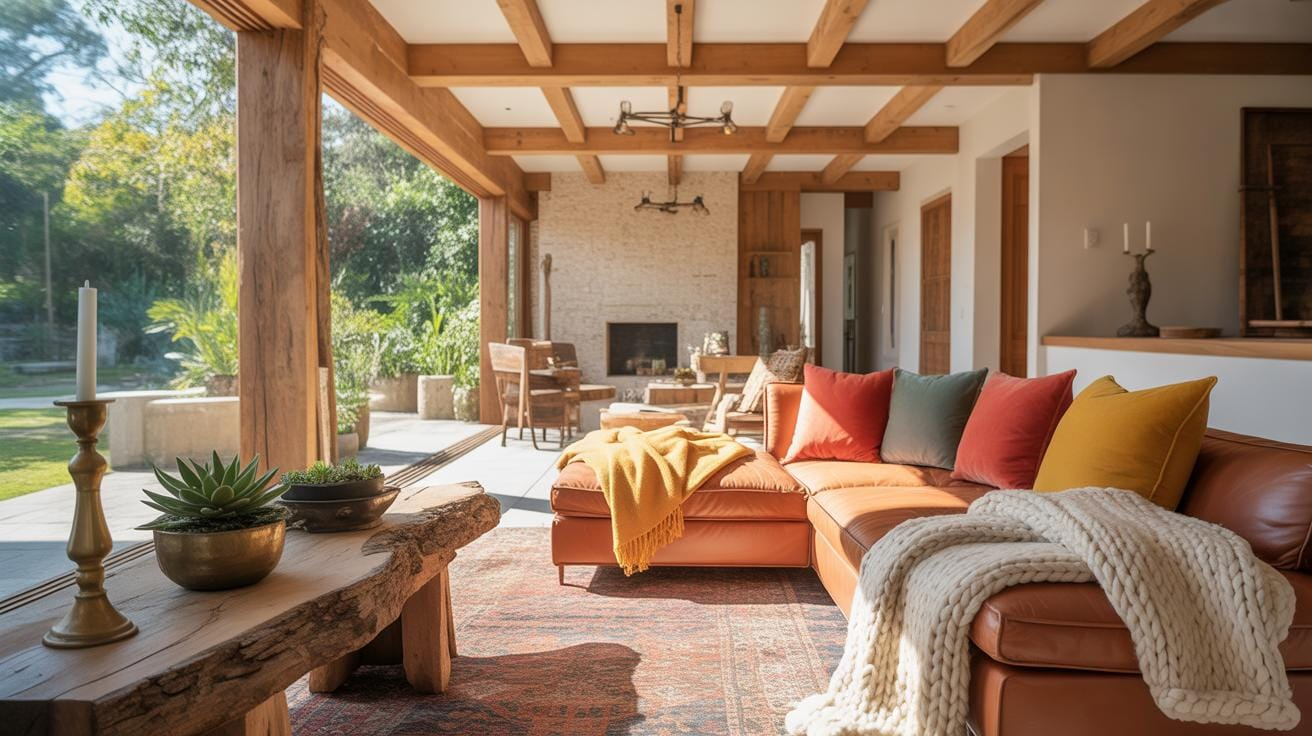
Now comes the fun part. Putting them together. The magic happens in the juxtaposition. Hard against soft. Warm against cool. Static against fluid. When you place a wooden basket next to a pile of wool throws, you create a relationship between the objects. They talk to each other. This dialogue draws the eye in. It makes the corner a destination.
Start with a base. Maybe it’s a small wooden stool or a floating shelf. Keep it simple. Then, add the fabric. Don’t just drape it; arrange it. Let a corner of a scarf hang down. Let the pages of a book spill out onto a linen runner. Imperfection is key. If it looks too staged, it loses its charm. You want it to look lived-in. Like someone just stepped away for a cup of tea.
Layering also helps with acoustics. Cramped corners can sometimes echo if they’re full of hard surfaces. Fabric absorbs sound. Wood reflects it. By mixing them, you create a balanced soundscape. It might seem minor, but a quieter corner feels more private. More secluded. It becomes a true retreat. Try adding a small rug if there’s floor space. A jute rug under a wooden chair grounds the area and adds another layer of texture.
Lighting and Accessories to Enhance the Pairing
Lighting can make or break your corner. In a tight space, overhead lighting is often harsh and unflattering. It casts deep shadows in the corners, making them feel even smaller. Instead, use task lighting. A small wooden lamp with a fabric shade is perfect. The wood ties into your structural elements. The fabric shade diffuses the light, making it soft and inviting.
Placement matters. Don’t hide the light source. Let it glow against the wood. The warmth of the bulb will enhance the grain of the timber and the hue of the fabric. In 2026, LED technology allows for tunable whites. Use a warmer setting (around 2700K) for evenings to create a cozy atmosphere. During the day, let natural light hit the textures. Notice how the sun changes the look of the wood and fabric throughout the day. It’s a dynamic display.
Accessories should be minimal but meaningful. A single ceramic vase. A stack of books. A small plant. Don’t clutter the surface. Let the wood and fabric breathe. If you have a wooden shelf, leave some empty space. The negative space is just as important as the objects. It gives the eye a place to rest. Remember, the goal is transformation, not accumulation. Every item should earn its place.
It’s easy to get carried away. We see a blank space and want to fill it. But overfilling is the number one mistake. A cramped corner filled with too many items feels chaotic, not cozy. Resist the urge to buy matching sets. A matched wood and fabric set can look like a showroom, not a home. Mix eras. Mix styles. A mid-century chair with a modern bohemian throw looks more interesting than a coordinated suite.
Another mistake is ignoring scale. A massive floor lamp in a tiny nook will overwhelm the space. Keep accessories proportional. Small-scale art. Petite plants. Delicate textiles. If you’re unsure, start small. You can always add more. It’s harder to take away. Also, avoid blocking pathways. A corner should invite you in, not trip you up. Ensure there’s enough room to move around the styled area.
Finally, don’t forget maintenance. Fabric collects dust. Wood needs care. Choose materials that fit your lifestyle. If you have pets, maybe skip the delicate silk. If you have kids, avoid fragile glass accessories near the wooden edges. Practicality ensures longevity. A beautiful corner that’s stressful to maintain won’t remain beautiful for long. Keep it simple. Keep it durable. Keep it yours.
Transforming a cramped corner isn’t about grand gestures. It’s about subtle shifts. It’s about noticing how light hits a piece of oak. It’s about feeling the roughness of a linen cushion. By pairing wood and fabric with intention, you turn neglected spaces into cherished spots. You create pockets of peace in a busy world. So look around your home today. Find that awkward gap. And give it the love it deserves.