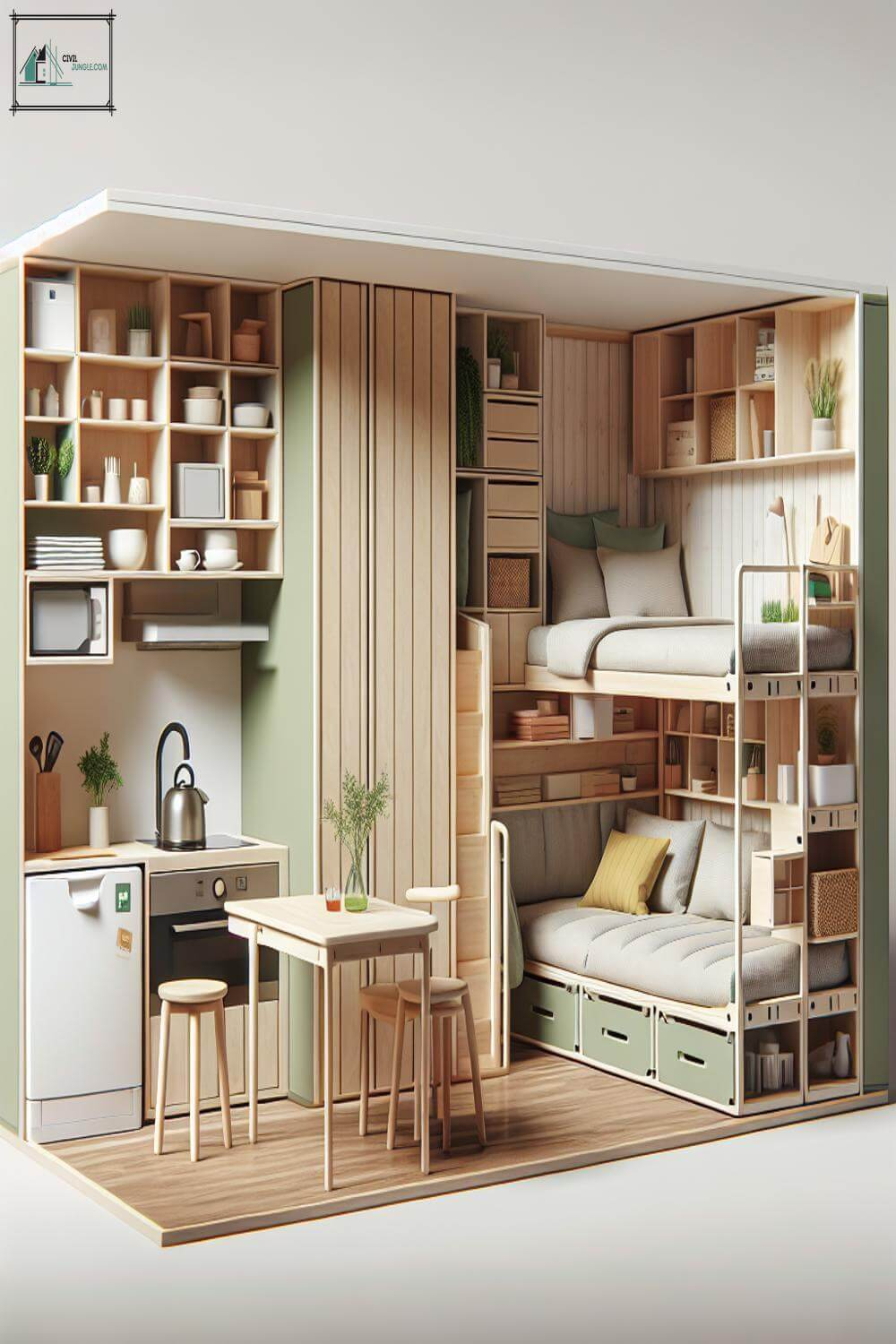
Living in a shoebox doesn’t mean you have to sacrifice comfort. Or style. Actually, it’s kind of the opposite these days. When you’re working with limited square footage, every single piece of furniture has to earn its keep. It’s not just about stuffing things into corners anymore. It’s about curating a life that fits.
We’ve all been there. Staring at a floor plan that looks more like a closet than a home. Wondering where the heck the dining table is supposed to go if you also want a place to sit and watch Netflix. The pressure is real. But here’s the thing: small spaces are having a major moment. And not just because rent is insane (though, let’s be honest, it is). People are realizing that less stuff can actually mean more freedom. Less cleaning. Less clutter. More room to breathe.
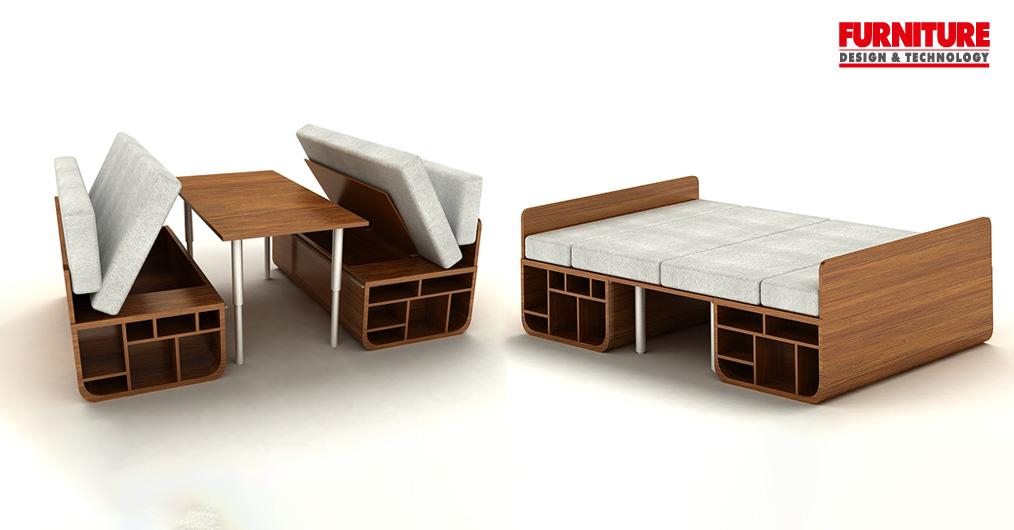
The trick isn’t buying more furniture. It’s buying smarter furniture. Pieces that do double duty. Triple duty, even. A bed that hides away so you can have a yoga studio by day. A table that expands when friends come over but shrinks down to a console when they leave. It sounds simple, right? But walking into a store and actually picking the right stuff? That’s where things get tricky. There’s a lot of junk out there disguised as "space-saving solutions." Don’t fall for it. Let’s talk about how to choose pieces that actually work for your life, not just for the Instagram photo.
Measure Twice, Buy Once (And Mean It)
Okay, I know. Measuring is boring. It’s the least sexy part of decorating. But skip this step, and you’re gonna regret it. Seriously. In 2026, we have apps that can scan your room in 3D, sure. But nothing beats a good old-fashioned tape measure and a notebook. Why? Because apps don’t always catch the weird quirks of older buildings. Like that radiator that sticks out three inches further than it should. Or the door that swings inward and hits the wall at a weird angle.
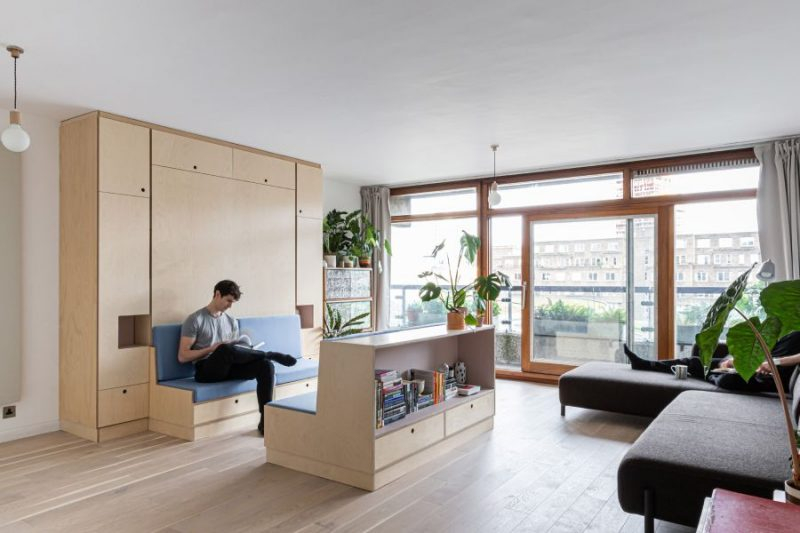
Start by mapping out your "zones." Even in a studio apartment, you have zones. Sleeping. Eating. Working. Lounging. Draw them out on paper. Be messy about it. Use different colors. See where they overlap. That overlap is your golden ticket. That’s where your multi-functional pieces will live. If your work zone overlaps with your dining zone, you need a desk that can double as a table. If your sleeping zone overlaps with your lounging zone, you need a sofa bed that doesn’t feel like sleeping on a rock.
Don’t just measure the floor. Measure the vertical space too. High ceilings are a small apartment’s best friend. If you’ve got ten feet of height, use it. Think tall bookshelves. Wall-mounted desks that fold up. Storage that goes all the way to the ceiling. It draws the eye up, making the room feel bigger. And it frees up precious floor space. Remember, floor space is prime real estate. Keep it clear. Keep it open. Let the air flow. When you measure, think about clearance. Can you open that drawer without hitting the bed? Can you pull out that chair without scraping the wall? These little details matter more than you think.
The "One-In, Two-Out" Mindset for Functionality
Here’s a hard truth: not every "multi-functional" piece is actually functional. Some are just gimmicks. You know the ones. That coffee table with the built-in mini-fridge that barely fits two sodas. Or the ottoman with storage that’s so deep you lose your remote control forever. Avoid those. Focus on pieces that solve real problems. What do you actually do in your apartment? Do you cook a lot? Then you need kitchen islands with storage. Do you work from home? Then you need a desk that disappears.
Look for mechanisms that are smooth. Easy to use. If it takes you five minutes and a degree in engineering to convert your sofa into a bed, you won’t do it. It’ll just stay a sofa. And you’ll resent it. Test the hardware. Open the drawers. Pull out the extensions. Feel the weight. Is it sturdy? Does it wobble? Cheap hinges break. Cheap sliders jam. Spend a bit more on quality mechanisms. They last longer. They feel better. And honestly, they make you feel like you’re living in a well-oiled machine, not a cramped box.
Think about your daily rhythm. Morning to night. Where do you spend most of your time? If you’re always on the couch, invest in a really good one. Maybe one with hidden storage for blankets. Or arms that flatten out so someone can crash there overnight. If you eat at a desk, get a desk that’s wide enough for a plate and a laptop. Don’t try to force a tiny writing desk to be a dining table. It won’t work. You’ll spill coffee. You’ll be uncomfortable. Match the function to your actual habits, not your idealized version of yourself.
Material Matters: Durability in High-Traffic Zones
Small spaces get used hard. Really hard. Your sofa is your office chair. Your dining table is your workspace. Your bed is your lounge. These pieces take a beating. So, material choice isn’t just about aesthetics. It’s about survival. In 2026, we’ve got some amazing tech fabrics. Stain-resistant. Scratch-proof. Pet-friendly. Look for performance fabrics. They wipe clean. They don’t show wear as easily. Leather is great too, if you like the look. It ages well. It’s easy to dust.
But don’t ignore the frame. Wood is classic. Metal is modern. Both are strong. Avoid particle board if you can. It swells when it gets wet. It sags over time. If you’re on a budget, look for solid wood veneers. They look like real wood but cost less. Just make sure the edges are sealed well. For metal, check the welds. Are they smooth? Clean? Rough welds mean cheap construction. And cheap construction means wobbly furniture. Nobody wants a wobbly desk when they’re trying to focus on a Zoom call.
Color and texture play a role too. Light colors make spaces feel airy. Dark colors make them feel cozy but smaller. Mix them up. Use light colors for big pieces like sofas and beds. Use darker accents for smaller items. Texture adds depth. A chunky knit throw. A smooth marble top. A rough wooden leg. These contrasts keep the eye moving. They prevent the room from feeling flat. And remember, reflective surfaces help. Glass tables. Mirrored cabinets. They bounce light around. They create the illusion of space. Just don’t overdo it. You don’t want to live in a funhouse mirror.
Vertical Thinking: Going Up to Go Wide
Floor space is limited. Wall space is not. Use it. Shelving units that go floor-to-ceiling are game-changers. They provide tons of storage without taking up any footprint. Use the top shelves for things you don’t need often. Holiday decorations. Extra linens. Keep the lower shelves for daily stuff. Books. Plants. Decor. This keeps things accessible but tidy. And it draws the eye upward, making the ceiling feel higher.
Wall-mounted desks are another win. Fold them down when you need to work. Fold them up when you’re done. Boom. Floor space is back. Some even have built-in shelving above them. Perfect for storing supplies. Just make sure they’re anchored properly. You don’t want your laptop crashing to the floor because a screw came loose. Check the weight rating. Make sure it can handle your monitor, your keyboard, and your coffee mug.
Hooks are underrated. Hang coats. Hang bags. Hang keys. Get them off the floor. Off the chairs. Off the bed. Use the back of doors too. Over-the-door organizers are great for shoes. Or cleaning supplies. Or pantry items. It’s hidden storage. It’s free storage. And it keeps clutter out of sight. Out of mind. Think about corners too. Corner shelves. Corner desks. They fit into awkward nooks that usually go wasted. Every inch counts. Squeeze it dry.
The Psychology of Clutter: Visual Breathing Room
It’s not just about physical space. It’s about mental space. Clutter stresses us out. It makes small rooms feel smaller. So, choose furniture with clean lines. Simple shapes. Avoid bulky, ornate designs. They weigh down the visual field. Legs are your friend. Sofas with legs. Chairs with legs. Tables with legs. Seeing the floor underneath creates a sense of openness. It tricks the brain into thinking there’s more room than there is.
Glass and acrylic are magic. A clear acrylic chair basically disappears. A glass coffee table doesn’t block the view. They’re functional without being visually heavy. Use them sparingly. Too much clear stuff can feel cold. But a few pieces? They lighten the load. Mix them with warmer materials. Wood. Fabric. Rug. Balance is key.
Keep surfaces clear. Choose furniture with hidden storage. Ottomans that open up. Beds with drawers underneath. Nightstands with doors. Hide the remote controls. Hide the bills. Hide the snacks. When everything has a place, and that place is out of sight, the room feels calm. Peaceful. Inviting. You can relax. You can breathe. And that’s what home is supposed to be. A sanctuary. Not a storage unit.
You don’t need to spend a fortune. But you do need to be strategic. Splurge on the pieces you use every day. Your bed. Your sofa. Your desk. These are the workhorses. They need to be comfortable. Durable. Save on the accent pieces. Side tables. Lamps. Decor. You can find great deals on these. Thrift stores. Online marketplaces. Sales. Mix high and low. It adds character. It shows personality.
Look for modular furniture. Pieces that can be rearranged. Added to. Subtracted from. As your life changes, your furniture can change with it. Move to a bigger place? Take the modules with you. Need more seating? Buy another module. It’s flexible. It’s sustainable. And it saves money in the long run. You’re not throwing away whole sets. You’re just adapting.
Check reviews. Real reviews. From people who live in small spaces. Did the sofa bed sag after six months? Did the folding table stick? Learn from their mistakes. Don’t be the guinea pig. Wait for the feedback. And consider second-hand high-end pieces. A vintage Eames chair. A mid-century credenza. They’re built to last. They hold their value. And they look incredible. Sometimes, the smartest buy is a used one. Just inspect it carefully. Check for damage. Check for stability. If it’s solid, it’s a steal.
So, there you have it. Choosing multi-functional furniture isn’t about compromise. It’s about creativity. It’s about understanding how you live. And designing around that. Measure your space. Know your habits. Pick quality over quantity. Go vertical. Keep it visually light. Spend wisely.
It takes a bit of thought upfront. Sure. But the payoff is huge. A home that works for you. Not against you. A place that feels spacious, even when it’s tiny. A place that reflects who you are. Not just what you own. In 2026, we’re moving away from excess. Towards intention. Towards meaning. Your furniture should support that. It should make your life easier. Better. Happier.
Don’t rush it. Take your time. Try things out. Sit on the sofa. Open the drawers. Imagine your life in that space. Does it fit? Does it flow? If yes, bring it home. If no, keep looking. There’s always another option. Another solution. Another way to make it work. You’ve got this. Your small apartment is waiting to become your big life.