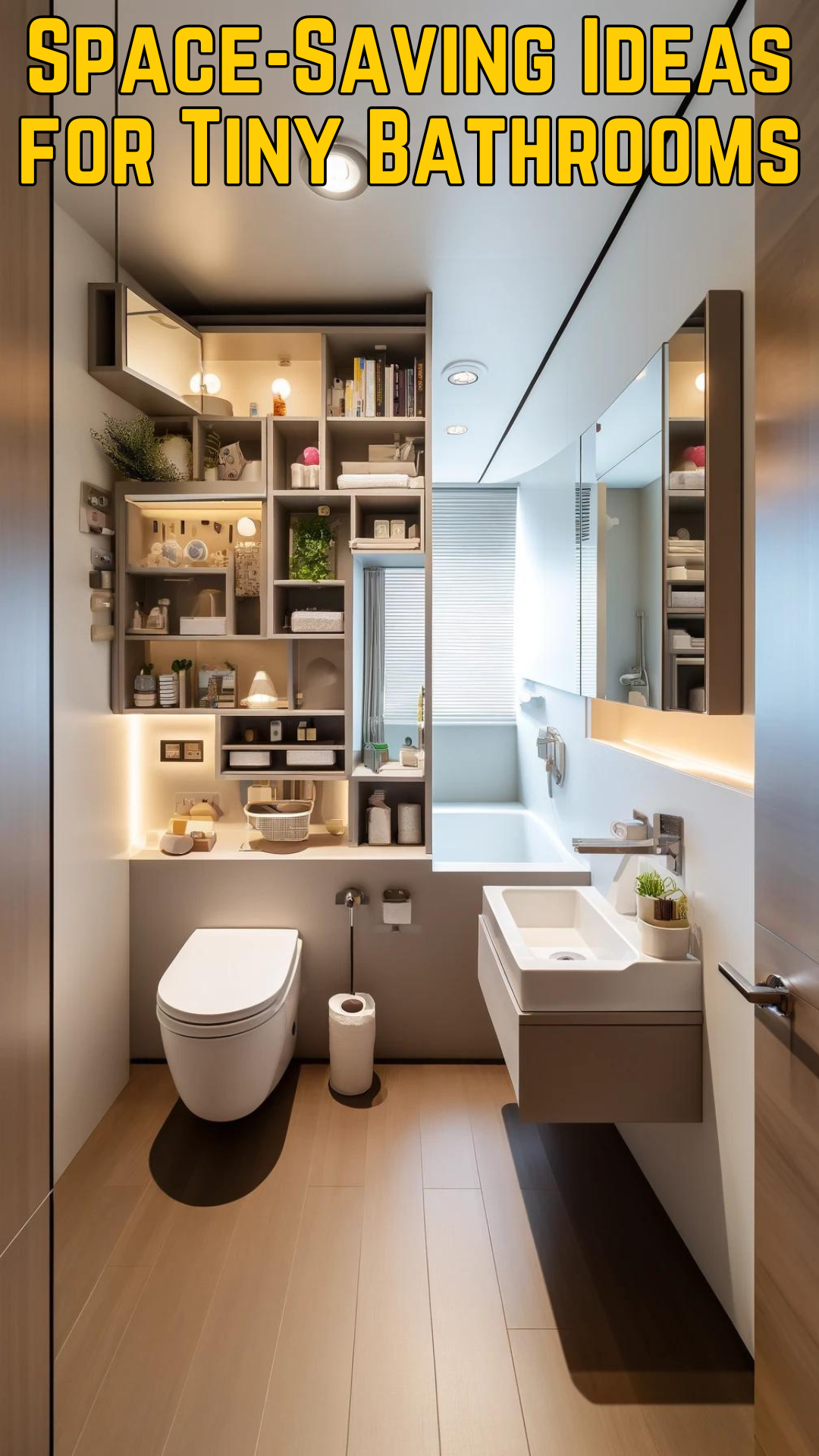
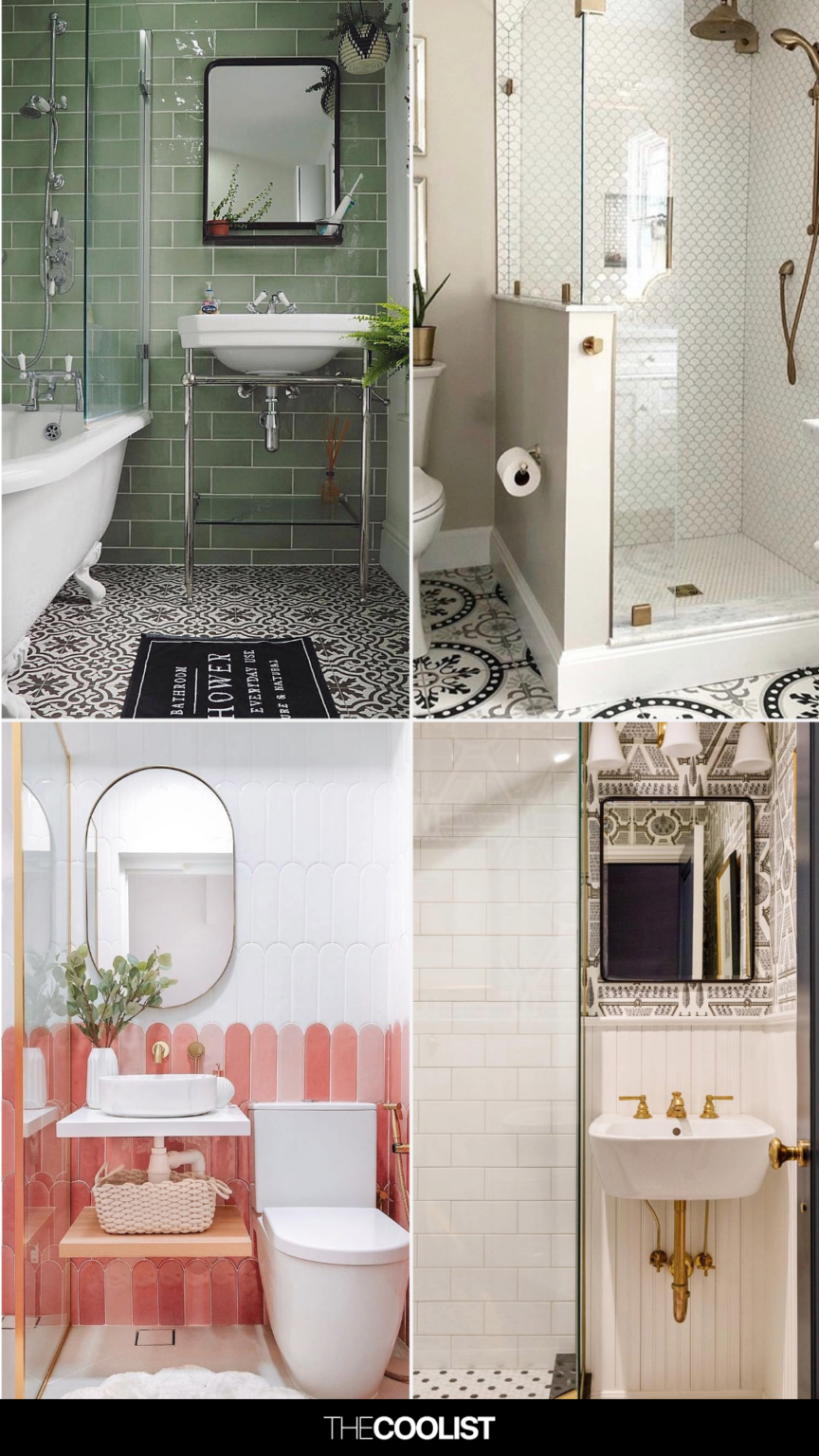
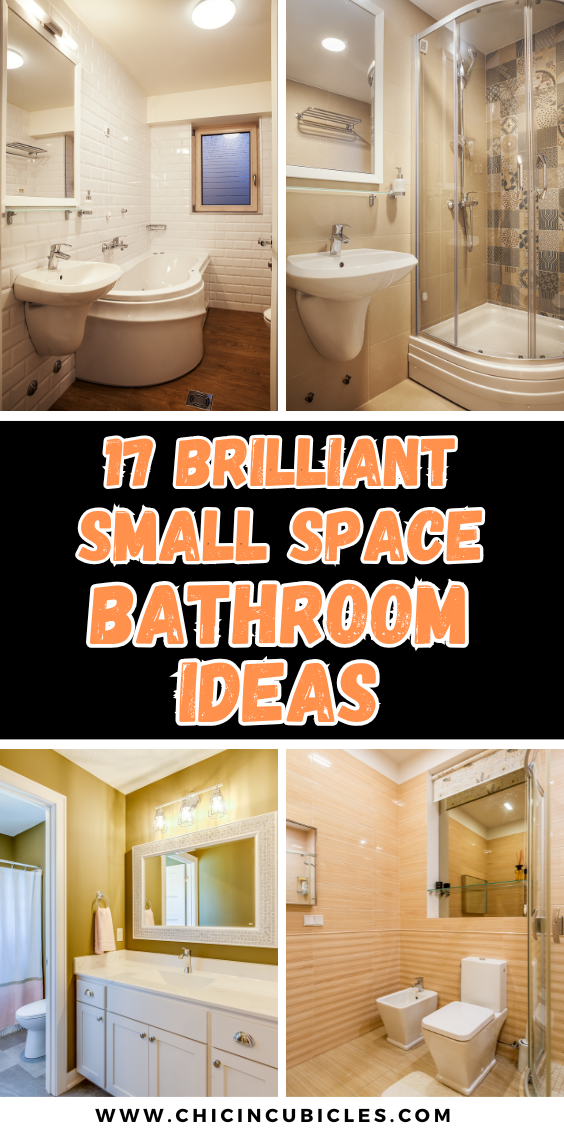
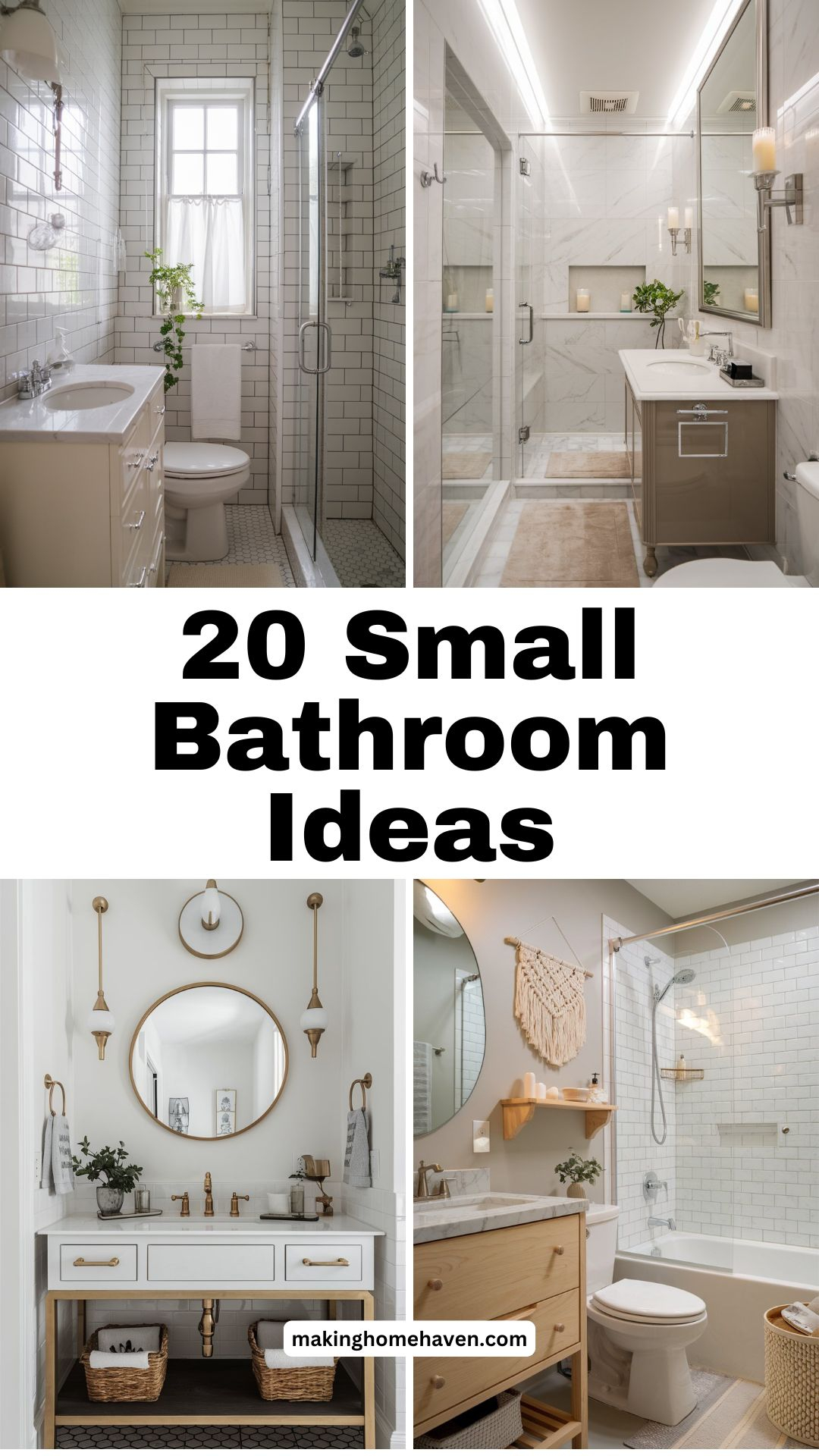
Picture this: It is 7:15 AM on a frantic Tuesday morning. You are standing barefoot on a postage-stamp-sized bathroom floor, desperately hunting for your contact lens solution, which has somehow migrated behind a jumbo bottle of botanical shampoo and an expired tube of peppermint toothpaste. Your elbow clips a plastic cup holding wet toothbrushes, sending it clattering into the sink. The counter is a chaotic landscape of half-empty skincare serums, rogue bobby pins, and makeup brushes fighting for territorial dominance. You whisper a silent vow to finally fix this mess, but the memory of sleek container store organizers costing upwards of forty dollars a pop instantly deflates your ambition.
Enter the surprising reality of modern budget organization. Small apartment bathrooms and powder rooms are notoriously unforgiving when it comes to square footage, forcing creative dwellers to look past big-box retail markups. Right now, the humble dollar store aisle has evolved from a repository of flimsy plastic toys into an unexpected goldmine for high-functioning, aesthetic storage design. You no longer need a trust fund or a custom millwork budget to achieve that coveted, spa-like serenity on your countertops.
What follows is an exhaustive, field-tested masterclass on reclaiming your micro-bathroom using nothing more than clever dollar store items, a bit of spatial geometry, and an eye for hidden potential. We are talking about stripping away the visual clutter, maximizing vertical wall real estate, and transforming cheap wire baskets and acrylic organizers into a seamless, high-end storage system that holds up to daily life.
The Spatial Realities of Micro-Bathrooms and Why Traditional Storage Fails
Living with a tiny bathroom means confronting hard mathematical limits every single day. Most standard apartment bathrooms measure under thirty-five square feet, leaving barely enough room to turn around, let alone store the staggering array of personal care items modern life demands. Traditional organizing advice often assumes you have deep linen closets, expansive double-sink vanities, or wide-set window ledges. When you apply those spacious mental models to a cramped pedestal sink setup, you inevitably end up with countertop avalanches.
The core failure of standard bathroom storage lies in the horizontal trap. When floor space and counter space vanish, the human instinct is to cram items side by side, creating a dense plane of visual noise. Dollar store finds change the physics of the room by forcing a transition from horizontal sprawl to vertical utilization. Plastic slotted bins, adhesive caddies, and modular acrylic trays allow you to build upward inside cabinets and down the sides of vanity walls. By shifting your perspective from square footage to cubic volume, even the smallest cabinet under a leaky P-trap transforms into a multi-tiered command center.
Another major hurdle in tiny bathrooms is moisture management and material degradation. High humidity wreaks havoc on unsealed cardboard boxes, untreated wood crates, and flimsy metals that rust within a fortnight. Budget-friendly acrylics, polypropylene plastics, and coated wire mesh found at discount retailers offer a surprisingly durable workaround. These synthetic materials resist warping, wipe clean with a single damp microfiber cloth, and withstand the relentless steam of endless hot showers without losing structural integrity or harboring mold spores.
Understanding the anatomy of your bathroom clutter is the first step toward reclaiming your sanity. Take a hard look at what actually lives in your space. Daily drivers like toothbrushes, facial cleansers, and daily moisturizers need prime real estate within arm’s reach. Periodic items like backup soap bars, travel kits, and seasonal skincare masks belong in deep storage zones. Once you categorize your inventory by frequency of use, matching those items to specific dollar store containers becomes an intuitive exercise in functional design.
Unlocking Hidden Real Estate Inside Vanity Cabinets and Under Sinks
The cavernous abyss beneath the bathroom sink is arguably the most mismanaged territory in residential architecture. Because plumbers had to route supply lines and drain pipes right down the middle, standard shelving units rarely fit without modification. Most people resort to tossing cleaning sprays, spare toilet paper rolls, and hair tools into a tangled heap around the PVC pipes. This dark, inaccessible zone quickly becomes a graveyard for forgotten items you end up buying duplicates of simply because you could not see them.
Dollar store tension rods and narrow storage bins provide an instant structural fix for this plumbing nightmare. By mounting a small spring-loaded tension rod near the top front of the cabinet doors, you create an instant hanging rail for spray bottles with trigger nozzles. The trigger mechanisms hook neatly over the bar, suspended safely above the floor while freeing up the entire base of the cabinet. Below this hanging zone, narrow plastic storage caddies can be aligned side-by-side like miniature filing cabinets, each dedicated to a specific category such as dental care, hair styling products, or first-aid supplies.
Drawer organization inside vanity units requires an entirely different tactical approach. Shallow bathroom drawers notoriously swallow small items, turning into a noisy drawer of random nail clippers, tweezers, and hair ties every time you pull them open. Instead of paying luxury retail prices for custom bamboo drawer inserts, you can raid the kitchen organization aisle of your local dollar store for shallow silverware trays and ice cube bins. These rigid plastic organizers fit neatly into standard bathroom drawers, segmenting the space so every pair of scissors and tube of ointment has a dedicated, immovable home.
Vertical stacking is your greatest ally when dealing with vertical clearance under a low sink basin. Look for stackable plastic shoe boxes or modular makeup organizers with interlocking lids. By building vertical towers of transparent plastic, you can easily glance down through the layers to locate your items without unstacking the entire pile. Labeling the front edge of each bin with a simple chalk marker or label maker instantly turns a chaotic jumble into an institutional-grade inventory system that stays organized even on your most rushed mornings.
Step-by-Step Methodology for Building a Counter-Clear Oasis
Transforming a cluttered, anxiety-inducing bathroom counter into a serene, hotel-quality surface requires a deliberate, step-by-step deconstruction and reconstruction process. You cannot simply organize your way out of excess inventory; you must first edit your collection before deploying your dollar store arsenal.
- Step 1 (The Complete Purge): Remove every single item from your bathroom counter, drawers, and cabinets, placing them on a neutral surface like your bed or living room floor to sort through everything objectively.
- Step 2 (The Triage Sort): Group your items into three strict categories: daily essentials that get used every single morning and night, occasional products used once or twice a week, and expired or duplicate items that need to be tossed or donated.
- Step 3 (The Vertical Tray Assembly): Purchase two or three clear acrylic tiered makeup organizers or shallow trays from the dollar store, wiping them down thoroughly with rubbing alcohol to ensure a pristine, high-gloss finish.
- Step 4 (Zone Placement): Assign the top tier of your new dollar store trays to your absolute daily essentials—such as your daily moisturizer, contact lens case, and favorite lip balm—keeping them within immediate arm’s reach of the sink basin.
- Step 5 (Maintenance and Rotation): Establish a weekly thirty-second reset routine where stray items are returned to their designated dollar store bins, ensuring clutter never creeps back onto your cleared-off countertops.
Implementing this sequence completely shifts the ergonomic flow of your bathroom. When your countertops are entirely clear except for a single chic soap dispenser and a minimalist tray, cleaning the sink area becomes a five-second wipe down rather than an exhausting game of removing and replacing twenty different bottles. The visual breathing room alone radically alters how you feel walking into your bathroom to start and end your day.
Navigating Common Traps and Field-Tested Workarounds
While dollar store organizing hacks offer incredible value, diving into a discount shopping spree without a plan can easily backfire. Many enthusiastic DIYers fall into predictable traps that result in a different kind of clutter: cheap plastic bins that don’t fit, flimsy adhesives that fail under humidity, and a mismatched visual palette that looks more chaotic than before. Anticipating these missteps saves you time, money, and frustration.
- Pitfall 1 (The Mis-Measurement Trap): Buying bins and baskets before measuring the exact interior dimensions of your drawers and cabinets. Always bring a tape measure to the store and measure your spaces twice before dropping anything into your cart.
- Pitfall 2 (Visual Clutter Overload): Mixing too many neon colors, opaque patterns, and mismatched plastic textures. Stick strictly to clear acrylic, solid matte white, or clean matte black containers to mimic a high-end designer aesthetic.
- Pitfall 3 (Adhesive Failure in Humidity): Relying on standard dollar store sticky tabs to hold heavy wire baskets to slick tile walls. Clean tile surfaces thoroughly with isopropyl alcohol and upgrade to heavy-duty waterproof command strips or silicone suction mounts for permanent hold.
- Pitfall 4 (Storing Out-of-Sight Items): Using opaque storage bins for items you need to track daily, leading to forgotten products. Always use clear plastic organizers for high-turnover consumables and reserve solid bins exclusively for hidden under-sink storage.
- Pitfall 5 (Ignoring Weight Capacities): Overloading cheap plastic hanging caddies with heavy glass perfume bottles or multi-pound family-size shampoo jugs. Distribute weight evenly across lower shelves and reserve wall-mounted units for lightweight toiletries.
Applying these practitioner workarounds ensures your budget-friendly transformation looks intentional and polished rather than cobbled together. By exercising restraint with color choices and respecting the structural limits of discount materials, you achieve a sophisticated result that punches way above its price point.
Broader Perspectives on Micro-Space Living and Sustainable Consumerism
The cultural obsession with clever organizing hacks speaks to a much larger shift in how we inhabit our living spaces. As urban real estate prices climb and younger generations settle into smaller apartments, tiny homes, and micro-studios, the ability to curate physical space has become a vital life skill. Organizing is no longer just about neatness; it is an exercise in psychological well-being. A chaotic environment triggers subtle, chronic cortisol spikes, whereas a streamlined, orderly room provides a psychological exhale the moment you walk through the door.
At the same time, the minimalist organizing movement intersects fascinatingly with modern consumer habits. There is a quiet rebellion in bypassing luxury retail branding to find functional brilliance in a discount store aisle. Why pay sixty dollars for an acrylic tray at a boutique design shop when an identical structural configuration sits on a dollar store shelf for pocket change? This approach teaches resourcefulness and encourages creative problem-solving over passive consumption. You look at everyday objects—spice racks, ice cube trays, magnetic clips—and envision entirely new utility.
This mindset also aligns with sustainable living principles by encouraging us to maximize what we already own rather than constantly upgrading our square footage. Instead of moving to a larger apartment because your bathroom feels cramped, you optimize the existing footprint. Every plastic bin repurposed, every vertical inch claimed, and every bottle kept off the landfill through better inventory management represents a small victory in sustainable domestic engineering.
Ultimately, mastering a micro-bathroom proves that great design is not about having endless resources. It is about how thoughtfully you curate the resources you do have. When you curate a tiny space with intention, economy, and style, you create a daily environment that feels luxurious, grounded, and entirely your own.
Actionable Recommendations for Immediate Bathroom Transformation
To synthesize everything into a concrete, high-impact action plan, consider this your blueprint for executing a flawless dollar store bathroom overhaul this weekend. First, clear the decks entirely and perform a brutal inventory audit. Throw away expired medications, dry crusty lotions, and half-used hotel freebies that have been squatting in your cabinet for three years.
Second, invest in a unified collection of containers. Go to your local discount retailer with your precise measurements and select a cohesive family of organizers—sticking exclusively to clear acrylic for your vanity top and uniform white mesh bins for under-sink cabinets.
Third, exploit vertical surfaces immediately. Install over-the-door hooks for plush towels and lightweight robes, mount clear spice racks to the inside of your cabinet doors to hold toothpaste tubes and lotions, and use suction baskets inside your shower stall to keep bottles off the floor.
Finally, maintain your new system with ruthless consistency. Adopt a one-in, one-out policy for skincare and cosmetics so your inventory never exceeds your storage capacity again. By pairing clever budget finds with disciplined daily habits, your tiny bathroom transforms from a daily source of friction into an impeccably organized sanctuary.
Looking at a freshly organized bathroom, it is striking how much physical order influences mental clarity. That tiny room where you begin and end every single day no longer needs to be a source of quiet frustration. Through a combination of spatial strategy, affordable dollar store finds, and a commitment to keeping only what you truly use, you have rewritten the rules of your own living space.
The journey of organizing a micro-space is never truly finished; it is an ongoing practice of mindfulness and adaptation. As your routines shift and your needs change, your storage system will evolve right along with you. Embrace the process, trust your own eye for design, and take pride in knowing that true elegance has very little to do with how much money you spend, and everything to do with how thoughtfully you care for your home.