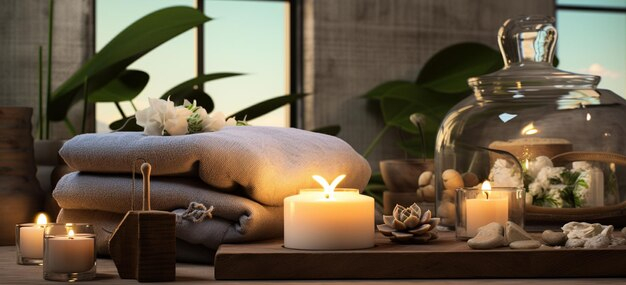
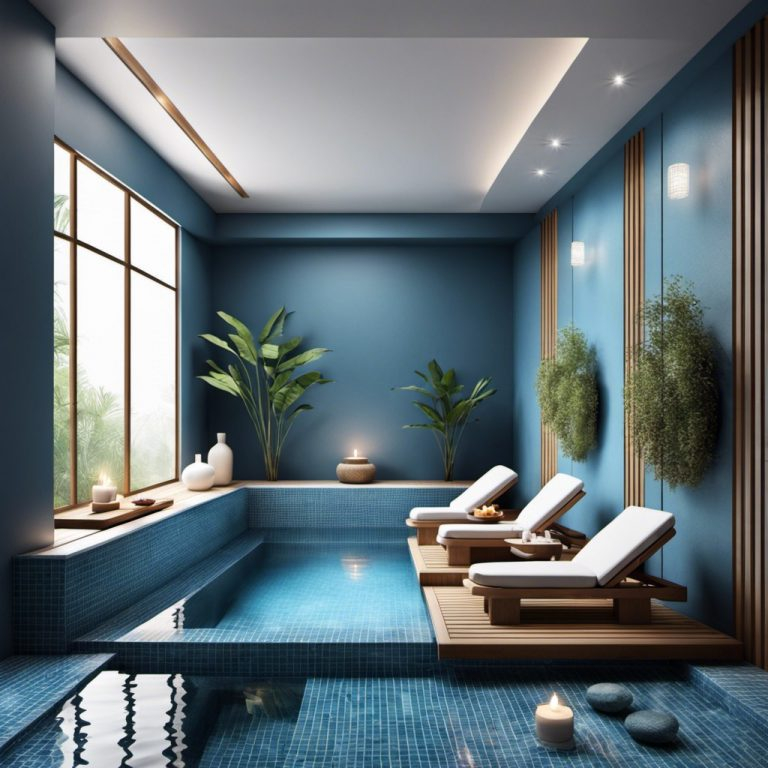
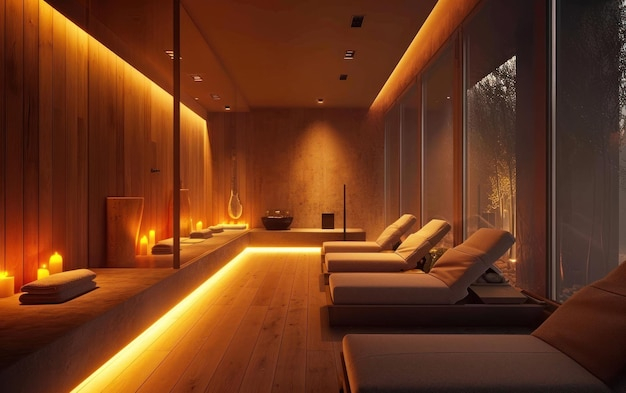
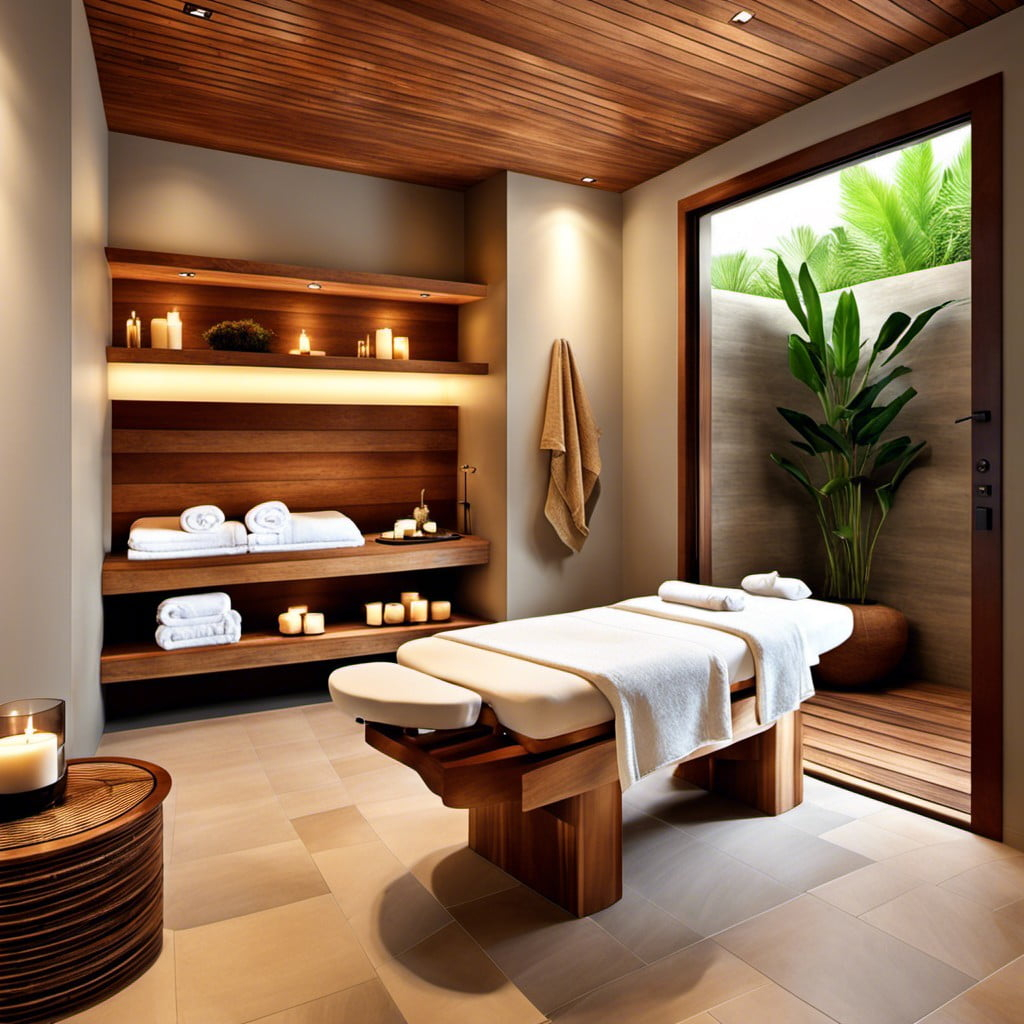
The moment you cross the threshold of a five-star hotel room, a quiet psychological shift occurs. The chaotic static of the outside world drops away, replaced by an immediate sense of decompression. Your shoulders lower, your breathing deepens, and the space feels both protective and expansive. Most people chalk this up to a simple vacation mindset, the luxury of being free from laundry baskets, unwashed dishes, and work emails. Yet, hospitality designers know a different truth. That instant sense of calm is meticulously engineered. It is the result of deliberate choices made in the tactile weight of fabrics, the precise kelvin temperature of bulbs, and the spatial psychology of layout.
For decades, homeowners have tried to reverse-engineer this experience with varying degrees of success, often settling for generic throw pillows or aggressively bright overhead fixtures that mimic a corporate boardroom rather than a personal retreat. Bringing true hotel-level comfort into a residential footprint requires abandoning flat, single-layer design. It demands an obsession with how things feel beneath your fingertips and how shadows dance across a wall as daylight fades. By decoding the physical and luminous architecture of high-end boutique hospitality, you can strip away the sterile elements of everyday domesticity and replace them with a sensory-rich environment designed entirely for restoration.
The Architecture of Hospitality: Why Residential Spaces Fall Short
Domestic interiors often suffer from the tyranny of utility. A standard living room or bedroom is typically lit by a single, center-mounted ceiling fixture—frequently a harsh dome light or an uninspired fan combination—that casts flat, unforgiving illumination across every square inch. Walls are painted in bright, reflective white finishes, and furniture is chosen based on square footage rather than silhouette or tactile engagement. This flat approach creates visual fatigue. When every surface reflects light uniformly and offers no variation in texture, the human nervous system struggles to settle, reading the environment as sterile and uninviting.
In contrast, high-end hospitality design treats space as a cinematic experience. Boutique hotels orchestrated by visionary firms understand that luxury is defined by contrast and shadow. They avoid uniform illumination in favor of pools of light that carve out intimate zones within a larger room. Materials are never selected solely for their visual appearance; they are chosen for their weight, their grain, and their response to touch. A velvet headboard absorbs sound and softens the acoustics of a room, while heavy linen drapery diffuses glaring morning sun into a soft, ethereal glow. When you analyze what makes a luxury suite feel irresistible, you realize it has very little to do with square footage and everything to do with sensory layering.
This sensory disparity explains why checking into a hotel feels like an escape, even if the room itself is compact. Designers use tricks of scale, low-level illumination, and rich material palettes to make small spaces feel cocoon-like rather than cramped. Translating this to a permanent home requires a fundamental shift in perspective. You stop asking how bright a room can be and start asking how intimate it can feel. You replace mass-market polyester blends with organic textures that age gracefully, developing a patina that tells a story. The goal is to build an ecosystem of comfort that engages the senses the moment you walk through the door.
The Science of Sensory Textures: Choosing Materials That Ground the Room
Tactile richness is the bedrock of boutique hotel design. When you touch a wall, a sofa, or a duvet cover in a luxury suite, your fingers encounter resistance, depth, and organic variance. Achieving this at home means moving away from synthetic, highly processed textiles and embracing materials that speak to our primal need for physical connection. Silk-velvet, bouclé, heavy-weight Belgian linen, oiled walnut, and honed natural stone are not merely decorative choices; they are grounding elements that anchor a room and give it emotional weight.
Consider the bed, which serves as the undisputed anchor of any hotel-inspired sleeping sanctuary. The secret to that cloud-like hotel bed is not a singular, ultra-expensive mattress, but rather a stratification of tactile finishes. It starts with crisp, long-staple cotton percale or stonewashed linen sheets that breathe against the skin, layered with a down-alternative duvet stuffed tightly inside a textured cover, and finished with a structured quilted coverlet or wool throw at the foot of the bed. Each layer introduces a different density and hand-feel, creating an invitation that is impossible to ignore after a grueling day.
Beyond textiles, hard surfaces demand the same tactile scrutiny. Glossy laminates and high-shine synthetic veneers reflect light harshly and feel cold to the touch. Swapping these out for matte, porous, or deeply grained alternatives fundamentally alters the mood of a space. Honed marble countertops, wire-brushed oak flooring, and unlacquered brass hardware that darkens and reacts to human touch introduce an organic narrative into the room. These materials do not look static; they live, breathe, and record the passage of time, making your home feel deeply personal and grounded.
Multi-Layered Illumination: Banishing the Big Light for Good
Lighting is the great differentiator between an ordinary house and an extraordinary hotel. If you rely on a single overhead source, you strip a room of its mystery and dimension. Luxury hospitality design relies on the holy trinity of lighting layers: ambient, task, and accent illumination, all operating at low, warm color temperatures. Boutique hotels rarely expose guests to glaring overhead bulbs; instead, they hide light sources behind architectural coves, beneath floating vanities, and inside custom millwork to create a soft, radiant glow that seems to emanate from the architecture itself.
To recreate this effect at home, you must banish the central ceiling light—affectionately known among interior designers as the "big light"—except for moments when you are actively cleaning or searching for a lost earring. Instead, build a topography of light at varying heights. Place low-slung table lamps on nightstands and sideboards, install picture lights above artwork to create warm focal points, and use wall sconces with adjustable arms to cast pools of reading light downward. Every light source should be outfitted with bulbs sitting comfortably in the 2200K to 2700K range, emitting a warm, golden hue that mimics candlelight or late afternoon sun.
Dimmers are non-negotiable tools in this luminous transformation. The ability to drop light levels to a soft amber glow as evening approaches signals to your circadian rhythm that it is time to unwind. Smart home integration allows you to program these transitions seamlessly, shifting your living spaces from bright, functional workspaces by day into moody, intimate sanctuaries by night. When light is treated as a sculptural material rather than a mere utility, rooms feel larger, more luxurious, and infinitely more welcoming.
Step-by-Step Implementation Guide for Your Home Sanctuary
- Step 1 (Audit and Eliminate): Walk through your home during evening hours and systematically unscrew or permanently turn off harsh overhead ceiling lights. Note where shadows fall and identify dark corners that currently feel dead or neglected.
- Step 2 (Layer the Lighting Triad): Introduce ambient, task, and accent lighting at three distinct height tiers—floor level (uplights or low table lamps), mid-level (desk lamps and sconces), and focal level (art lights)—ensuring all bulbs are rated between 2400K and 2700K and paired with dimmers.
- Step 3 (Upgrade the Tactile Core): Replace flat, synthetic polyester textiles with high-density natural fibers. Invest in stonewashed linen or crisp percale bedding, heavy wool or velvet drapery that pools slightly on the floor, and textured upholstery like bouclé or heavy cotton-linen blends.
- Step 4 (Incorporate Organic Hard Finishes): Swap out shiny, mass-produced hardware and glossy plastic accessories for tactile hard finishes such as unlacquered brass, matte black iron, honed travertine, and wire-brushed natural woods that offer structural warmth.
- Step 5 (Curate Sensory Transitions): Introduce subtle, sophisticated scent profiles and acoustic-softening elements—such as thick wool area rugs and upholstered acoustic panels disguised as art—to complete the immersive, multi-sensory hotel experience.
Avoiding Common Pitfalls in Hotel-Inspired Design
- Pitfall 1 (The Showroom Trap): Buying an entire matching furniture collection from a single catalog strips a home of its soul, turning it into a sterile hotel lobby rather than a curated sanctuary. Workaround: Mix vintage or antique pieces with contemporary elements, ensuring that your furniture tells a layered story over time rather than looking like an overnight delivery.
- Pitfall 2 (Over-Lighting the Perimeter): Placing recessed can lights in a strict grid across the entire ceiling flattens the room and creates an interrogation-room aesthetic. Workaround: Focus illumination inward toward surfaces and furniture groupings rather than downward onto empty floor space, allowing shadows to create natural drama.
- Pitfall 3 (Ignoring Acoustic Comfort): Creating a visually stunning room filled with hard surfaces like glass, tile, and hardwood floors results in an echoey, stressful acoustic environment. Workaround: Balance hard materials with sound-absorbing textiles, including heavy drapery, thick area rugs over rug pads, and upholstered headboards.
- Pitfall 4 (Choosing Impractical Luxury): Selecting ultra-delicate fabrics like raw silk or unsealed white marble for high-traffic zones leads to immediate staining, fraying, and constant anxiety. Workaround: Opt for performance linens, stain-resistant velvets, and sealed or honed stones that offer luxurious tactile qualities without demanding museum-level maintenance.
- Pitfall 5 (Neglecting the Power of Negative Space): Overcrowding a room with too many decorative objects, accent pillows, and side tables in an effort to make it feel "full" creates visual clutter. Workaround: Embrace intentional minimalism by leaving surfaces mostly bare, allowing each carefully chosen tactile piece to breathe and command attention.
The Broader Impact of Sensory Design on Daily Well-Being
Designing a home with the tactile and luminous standards of a luxury hotel is not merely an aesthetic vanity project; it is an investment in neurological health. Modern life bombards our senses with blue light, digital noise, and synthetic textures that trigger low-grade, chronic stress. When you step into an environment where light is warm and forgiving, and where every surface invites gentle physical contact, your body responds with a physiological sigh of relief. Cortisol levels drop, heart rates stabilize, and the home reclaims its rightful role as a restorative fortress against the outside world.
Furthermore, this design philosophy champions long-term sustainability over fast-interior trends. When you invest in heavy, high-grade linen, solid wood furniture with visible grain, and timeless brass fixtures, you are buying items designed to age gracefully over decades rather than disposable decor destined for a landfill in two years. The patina that develops on unlacquered hardware or the softening of linen through years of laundering transforms wear and tear into a living history. This approach shifts our relationship with our living spaces from passive consumption to active stewardship.
The economic value of this transformation is equally profound. Homes that prioritize thoughtful lighting design and premium material palettes command higher market valuations and offer superior emotional returns on investment. Yet, the true dividend is paid in daily moments of quiet luxury—the feeling of cool, crisp percale against your skin at the end of a chaotic day, or the warm amber glow of a bedside sconce as you read in the quiet hours of the morning. By treating your private spaces with the same intentionality as the world’s finest boutique hotels, you elevate everyday living into an art form.
Actionable Recommendations for Immediate Transformation
- Prioritize the Bedding Upgrade: Allocate your primary interior budget toward your sleep environment, starting with 100% long-staple cotton or pure linen sheets and adding a structured coverlet to mimic high-end turn-down service.
- Ditch the Daylight Bulbs: Audit every single lightbulb in your living areas and bedrooms, immediately replacing anything above 3000K with warm 2400K–2700K dimmable LED alternatives.
- Embrace Heavy Drapery: Hang curtain rods four to six inches above the window frame and choose floor-grazing, lined drapes in heavy-weight natural fabrics to instantly add architectural scale and softness.
- Introduce Tactile Contrast: Pair smooth surfaces like glass or polished stone with rough, organic counterparts like woven jute rugs, chunky knit throws, or fluted wood accent tables.
- Edit the Clutter: Clear off nightstands and entryway tables, leaving only one or two tactile, functional objects—such as a ceramic catch-all tray or a heavy glass water carafe—to preserve a sense of uncluttered calm.
The pursuit of hotel-level comfort at home is ultimately a journey of self-permission. For too long, we have reserved our highest standards of comfort, luxury, and visual peace for special occasions and vacations, accepting domestic fatigue as the default price of everyday life. By flipping this script, you declare that your daily routine is worthy of beauty, that your rest deserves the finest materials, and that your mental well-being is shaped profoundly by the physical environment you inhabit.
As we look toward the future of residential design, the boundaries between hospitality and home will continue to blur. People are no longer willing to sacrifice personal comfort for minimalist sterility or functional efficiency for aesthetic grace. The homes that nourish us most deeply are those that engage our senses with honesty, warmth, and depth. By embracing tactile materials and intentional, layered lighting, you are not just decorating a room; you are constructing a sanctuary that welcomes you back to yourself, day after beautiful day.