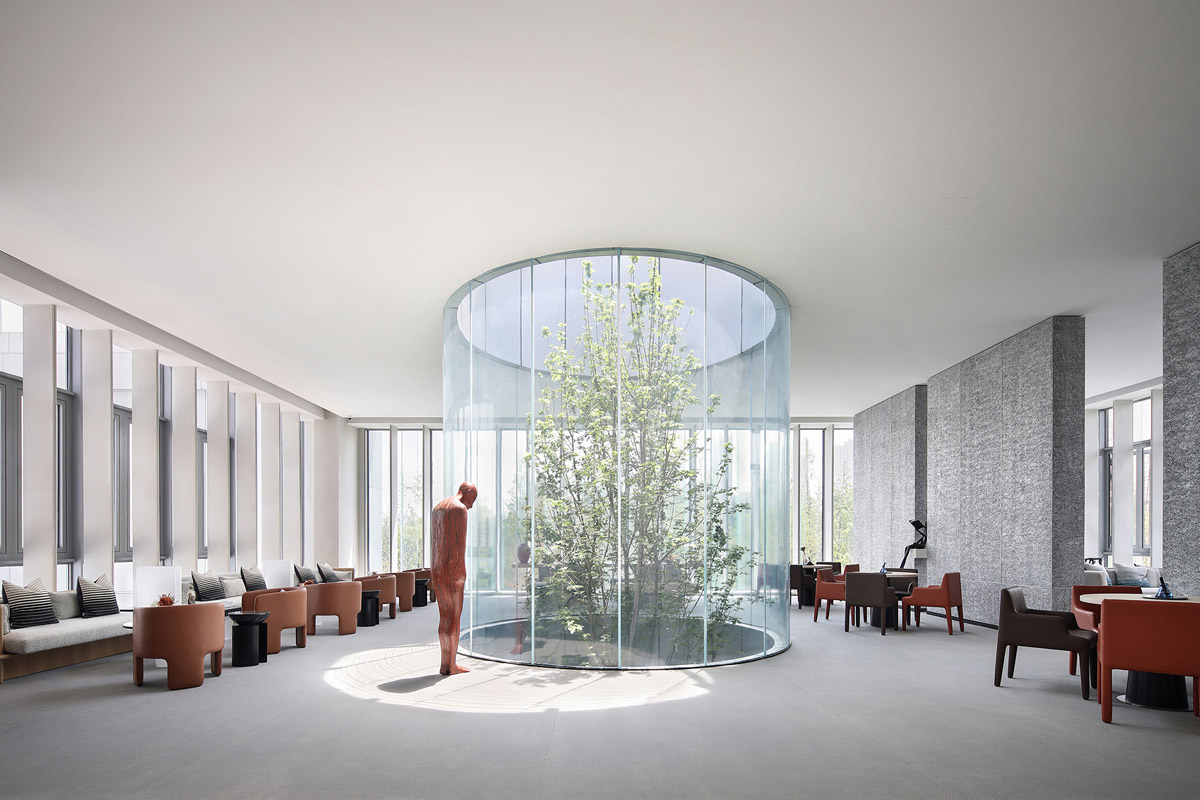
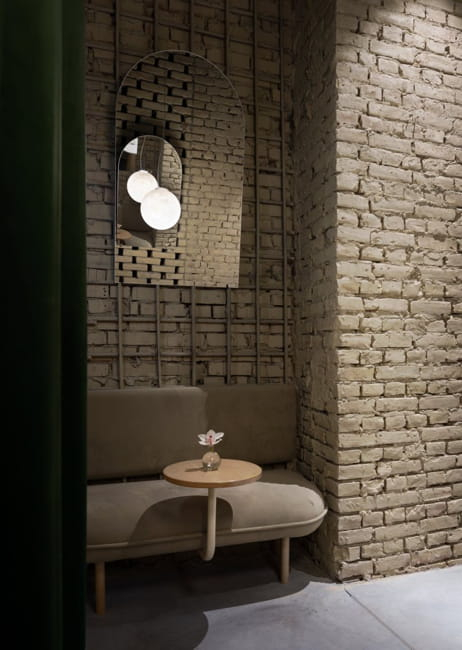
The silence of a stark, white-walled loft can feel pristine on a glossy Pinterest board, but walk into that same room on a rainy Tuesday evening, and the illusion often crumbles. For over a decade, we disciplined our living spaces. We stripped away clutter, hid our books behind seamless push-to-open cabinetry, and replaced rich wood grains with matte black steel and clinical poured concrete. We optimized our homes for the camera lens, trading sensory richness for geometric purity. Yet, as we inhabit these filtered spaces day in and day out, an invisible fatigue has set in. Humans are biologically wired for tactile feedback, visual variety, and spatial memory—none of which thrive in an environment designed to be invisible.
The cultural pendulum has finally swung back. Across residential architecture and interior styling studios, a quiet rebellion is underway against the tyranny of sterile restraint. Designers and homeowners alike are trading the harsh lines of early-21st-century minimalism for environments that prioritize emotional resonance, narrative depth, and tactile comfort. This is not a messy slide back into chaotic hoarding, nor is it a blind replication of historical maximalism. Instead, it represents a sophisticated evolution: the rise of "soft luxury" and "the new old," where modern restraint meets the reassuring gravity of personal history and organic warmth.
This shift mirrors a broader cultural yearning for authenticity over curated perfection. When the world outside feels volatile, digital, and hyper-accelerated, the home must act as a psychological anchor. We no longer want our living rooms to look like hotel lobbies waiting for their next guest; we want them to feel like sanctuaries that tell the unvarnished truth of who we are. By reintroducing saturated woods, heirloom objects, and unapologetic tactile layers, contemporary design is proving that a space can be deeply refined without losing its soul.
The Psychological Fatigue of the Sterile Interior and the Rise of Emotional Architecture
The minimalist movement promised liberation. By shedding physical excess, the theory went, we would clear mental bandwidth, reduce anxiety, and achieve a state of domestic Zen. For a time, it worked. The visual quiet of monochrome palettes and unadorned surfaces offered a soothing antidote to the rising tide of digital noise. But human psychology is complex, and deprivation eventually registers as stress rather than serenity. When a room lacks focal points for the eye to rest on, or textures that invite touch, the brain subconsciously perceives the environment as cold or inhospitable.
This realization has birthed the concept of emotional architecture—design that measures success not by how empty a room appears in a photograph, but by how grounded and secure a person feels while sitting inside it. Environmental psychologists note that tactile variety directly lowers cortisol levels. When fingertips encounter the rough-hewn grain of an unsealed oak table, the nubby weave of a bouclé armchair, or the cool, uneven surface of a hand-thrown ceramic vase, the nervous system receives grounding sensory signals. Minimalism asked us to ignore these tactile cravings in the name of visual discipline. The new design paradigm welcomes them back as essential nutrients for mental well-being.
Furthermore, the obsession with pristine surfaces created a culture of domestic anxiety. Families spent small fortunes on furniture too delicate to sit on, terrified of patina, fingerprints, or the natural wear-and-tear that marks a life actually lived. Moving beyond minimalism means discarding this museum mentality. A home should bear the honorable scars of dinners hosted, children raised, and quiet afternoons spent reading by the window. By embracing materials that age gracefully—such as unlacquered brass, vegetable-tanned leather, and waxed walnut—we invite time into the design process rather than fighting a losing battle against it.
Layering the Decades: The Art and Strategy of "The New Old
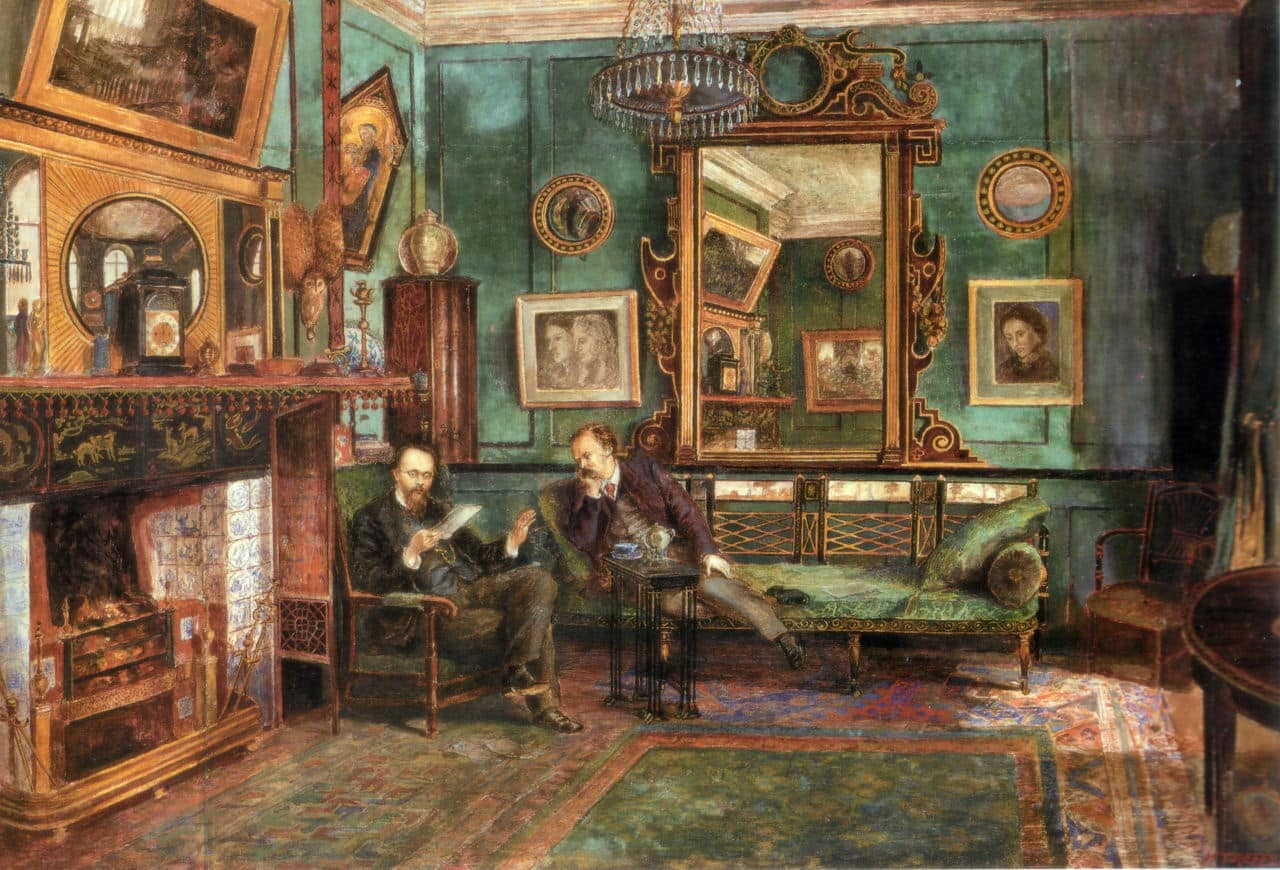
One of the most defining movements of this design evolution is the embrace of "The New Old"—a deliberate blending of contemporary architectural shells with vintage, antique, and mid-century elements. In the past, matching furniture suites or strict adherence to a single design era ruled the day. Later, minimalism flattened everything into a timeless, placeless present where a chair bought in a big-box store sat next to a mass-produced sofa with zero regional or historical context. Today’s most compelling interiors shatter this temporal flatness by curating spaces that look as though they have been assembled over generations.
Achieving this layered look requires an understanding of scale, proportion, and dialogue between eras. A sleek, low-slung contemporary sofa gains extraordinary presence when anchored by a heavily patinated 19th-century French farmhouse coffee table. The juxtaposition highlights the best qualities of both pieces: the modernity looks less harsh because of the antique’s warmth, and the antique looks less dated because of the modern silhouette framing it. This editorial juxtaposition prevents a room from feeling like a static movie set or a dusty antique shop. It creates tension, and design thrives on creative tension.
Sourcing these pieces is an exercise in intentionality rather than speed. Instead of clicking "add to cart" on a complete room package, designers are scouring local estate sales, European salvage yards, and independent craft fairs. They are looking for objects with a pulse—a ceramic lamp with a crazed glaze, a dining chair with hand-carved spindles, or an oil painting found in a dusty bin whose creator is long forgotten. These items carry narrative weight. When guests ask about them, you don’t just tell them where you bought them; you tell them a story. That storytelling capacity is precisely what minimalist curation sacrificed in its quest for visual silence.
The Blueprint for a Warm, Story-Driven Interior
Transitioning away from minimalism does not mean abandoning organization or filling every square inch of wall space with clutter. It means shifting the organizing principle from subtraction to addition through careful curation. Here is how to systematically reintroduce warmth, texture, and personal narrative into your home without sacrificing modern elegance:
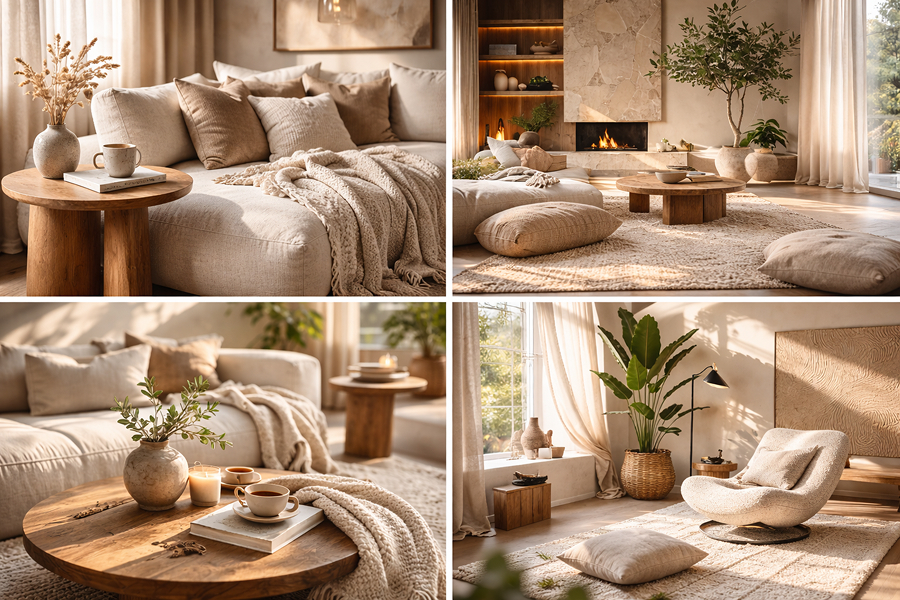
- Step 1 (Audit Your Sensory Palette): Walk through your home and touch every major surface. If the primary sensations are smooth, cold, and hard (glass, chrome, polished marble, drywall), you need to inject tactile warmth. Introduce textiles with deep pile, rough weaves, or natural irregularities like wool, linen, velvet, and raw jute.
- Step 2 (Anchor with Heirloom or Vintage Pieces): Identify at least one or two anchor items in every primary room that carry history, age, or artisan handcraft. This could be an inherited sideboard, a vintage Moroccan rug with nomadic tribal symbols, or a heavy earthenware vessel. Let these pieces dictate the room’s emotional gravity.
- Step 3 (Upgrade Your Lighting Strategy): Harsh overhead canned lighting is the mortal enemy of warmth. Layer your illumination by combining low-temperature ambient fixtures (2200K to 2700K) with sculptural table lamps, picture lights, and floor lamps. Light sources should sit at varying heights to cast deep shadows and create intimate pockets of space.
- Step 4 (Embrace Narrative Display): Move away from generic retail accessories and style your shelves with items collected from travels, family archives, or personal hobbies. Group objects by color, material, or shared memory rather than scattering them thinly across every available surface to avoid a cluttered look.
- Step 5 (Incorporate Biophilic Elements): Bring living organisms and organic forms indoors. Integrate large-leafed potted plants, gnarly cut branches in heavy stoneware, and unpainted terracotta pots. Biophilic design bridges the gap between the built environment and the natural world, instantly softening hard architectural lines.
Navigating the Trapdoors of Maximalist Nostalgia and Sentimentality
When people first break free from minimalism, the pendulum can swing too violently in the opposite direction. The fear of empty space often triggers a panic-buying spree of thrift store knick-knacks and busy patterns, resulting in visual chaos rather than curated warmth. To master this new design vernacular, you must navigate several common practitioner pitfalls with a steady, editorial hand.
- Pitfall 1 (The Museum or Hoarder Trap): Filling every corner with vintage finds or family memorabilia until the room feels oppressive and suffocating. Workaround: Maintain the "one-in, two-out" rule for smaller decorative objects, and ensure that at least 30% of any given room remains visually restful—what designers call "negative space"—to let your statement pieces breathe.
- Pitfall 2 (The Theme-Park Historical Room): Replicating a specific historical era so literally that the home feels like a movie set rather than a functional modern dwelling. Workaround: Mix eras fearlessly. Pair a mid-century walnut credenza with art deco sconces and a contemporary abstract canvas to keep the space anchored firmly in the present day.
- Pitfall 3 (Ignoring Scale and Proportion): Placing delicate antique chairs against massive, towering modern ceilings, making the furniture look lost and fragile. Workaround: Balance heavy, grounding architectural elements with substantial furniture silhouettes. If you have high ceilings, use oversized artwork, tall floor-to-ceiling drapery, and heavy lighting fixtures to fill the vertical volume.
- Pitfall 4 (Clashing Undertones): Mixing too many conflicting wood stains or warm/cool metal finishes without a unifying thread. Workaround: Establish a primary wood tone for your major architectural or heavy furniture investments, then layer in contrasting secondary tones for smaller accent pieces, ensuring they share a similar undertone (e.g., golden or reddish hues).
- Pitfall 5 (Sacrificing Functionality for Nostalgia): Displaying uncomfortable vintage seating or impractical antique kitchenware that cannot handle daily life. Workaround: Prioritize ergonomic comfort and modern durability for high-use items like sofas and dining chairs, reserving vintage and sentimental items for accent furniture, lighting, and art.
The Economic and Environmental Imperative of Sustainable Nostalgia
The shift away from disposable minimalism is not merely an aesthetic preference; it is a profound economic and ecological course correction. For years, the minimalist trend fueled a cycle of hyper-consumption. People purged their belongings, only to buy entirely new sets of minimalist, neutral-toned decor from fast-furnishing retailers to fit a newly minted aesthetic. Once the trend shifted, those items ended up in landfills. True warmth and nostalgia demand a much slower, more sustainable approach to material culture.
Investing in antique, vintage, or custom-made artisan furniture is one of the most effective forms of circular economics available to the homeowner. A solid oak dining table built in 1940 has already absorbed its carbon footprint decades ago; keeping it in circulation diverts waste and preserves master craftsmanship that modern mass-production lines rarely replicate. Furthermore, these pieces hold their financial and emotional value far better than flat-pack alternatives designed for planned obsolescence.
This ethos also spills over into how we view architectural materials. There is a surging demand for reclaimed timber, salvaged stone tiles, lime-wash paints, and unrefined plasters. These materials do not require chemical perfection; in fact, their beauty lies in their imperfections, tool marks, and natural weathering. By choosing finishes that patinate and age with dignity, we align our homes with natural ecological cycles. We stop fighting time and instead allow our living spaces to mature alongside us, turning our houses into living archives of our lives.
Frameworks for Curating a Lived-In, Sophisticated Home
To successfully translate these broad concepts into a cohesive room design, you need a reliable structural framework. Think of your home as a three-layer cake: the architectural envelope, the foundational furnishings, and the personal narrative layer. Getting the sequence right prevents costly design mistakes and ensures your space remains functional and serene.
The first layer—the envelope—requires textural richness on the walls and floors. Ditch flat, stark white latex paint in favor of lime-wash, tadelakt plaster, or deep, desaturated earth tones like olive, tobacco, ochre, and warm clay. On the floors, layer vintage wool or jute rugs over wide-plank hardwood to break up hard acoustics and cold footfalls. This creates a rich, atmospheric canvas that does all the heavy lifting before a single piece of furniture enters the room.
The second layer consists of your architectural furniture anchors. Choose pieces with organic contours, substantial weight, and honest materials. Upholstery should invite lounging—think chenille, heavy linen, or distressed leather. Wood furniture should display natural grain patterns, knots, and hand-rubbed oil finishes rather than thick, plastic-like polyurethane coatings. These items provide structure and utility without looking clinical.
The final layer is where nostalgia takes center stage. This is where you introduce framed family photographs, inherited silver, stacks of well-thumbed paperbacks, pottery collected on journeys, and textiles passed down through branches of your family tree. These elements should not be treated as clutter to be managed, but as the crowning punctuation marks of your domestic identity. When these three layers work in concert, the result is a home that feels effortlessly luxurious, deeply comforting, and unmistakably yours.
The era of the sterile, ascetic white box is drawing to a close. We have emerged from our minimalist experiment wiser, recognizing that our homes must serve as emotional harbors rather than visual galleries. By welcoming back warmth, complex tactile layers, and the reassuring echoes of personal nostalgia, we are redefining modern design for a generation that values authenticity over perfection.
Your home should be a physical manifestation of your history, your travels, and your sensory preferences. It should comfort you when you are vulnerable, inspire you when you are creative, and welcome you unconditionally at the end of a long day. As you look around your own living spaces, ask yourself not what can be removed to make the room look larger in a photograph, but what can be added, touched, and remembered to make the room feel more alive.