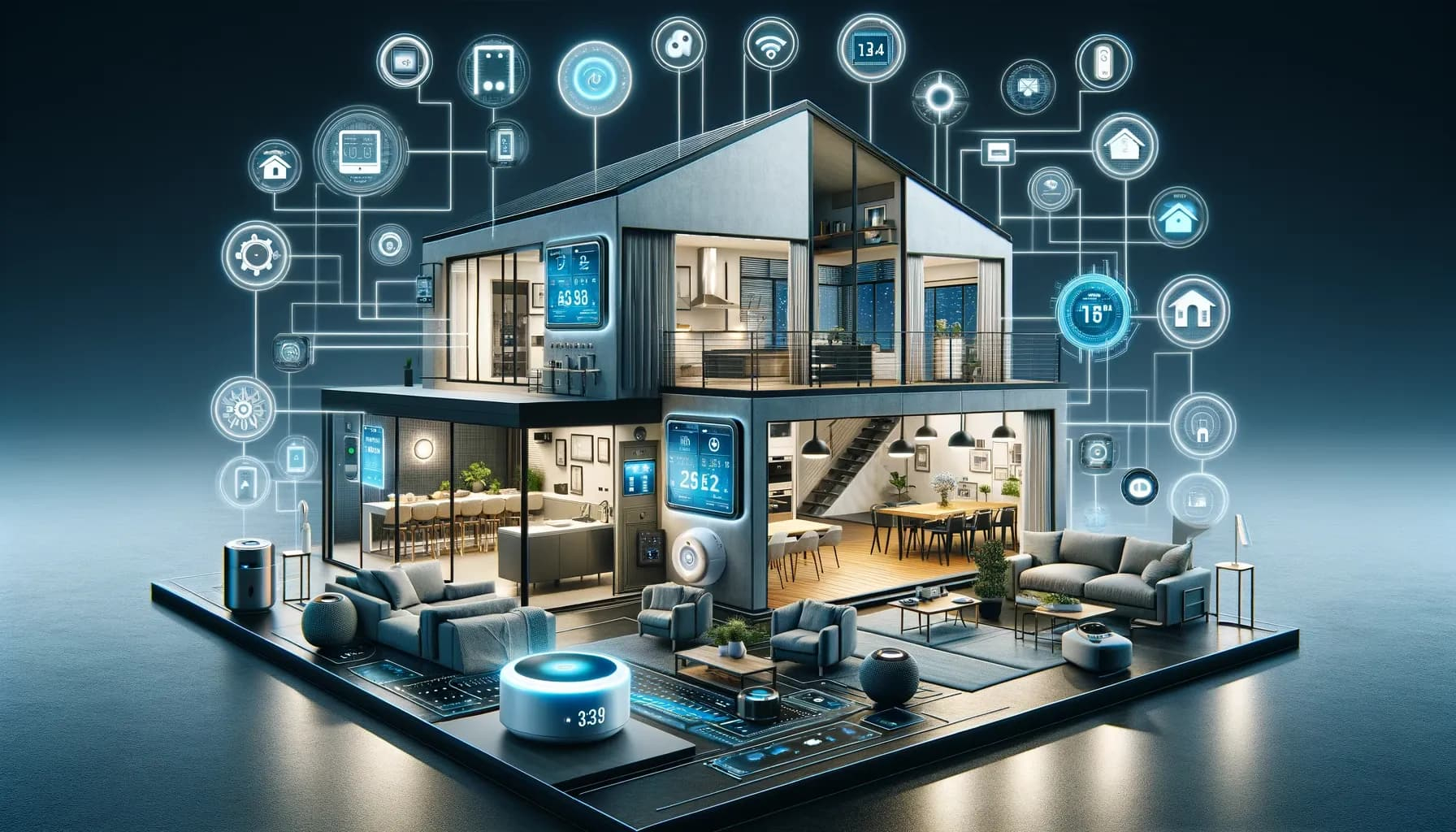
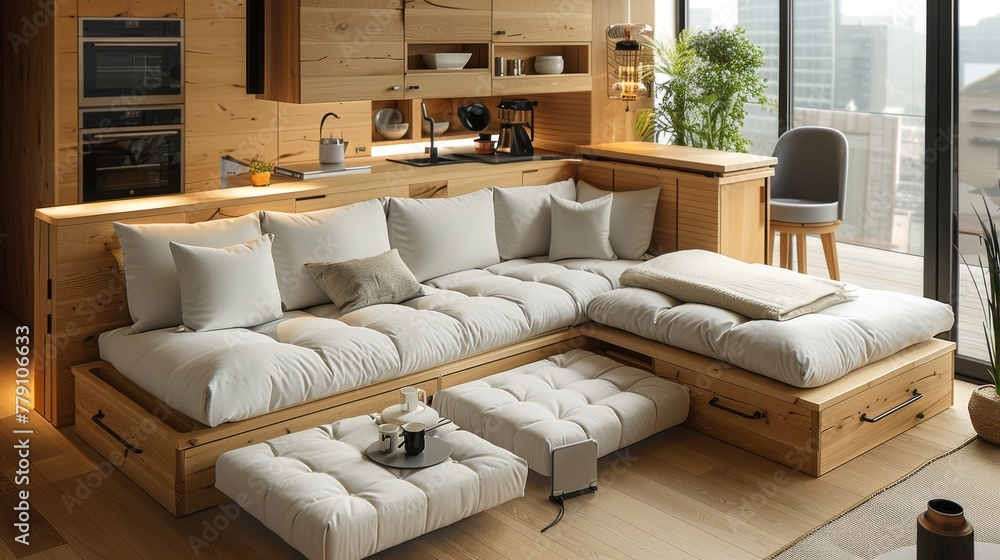
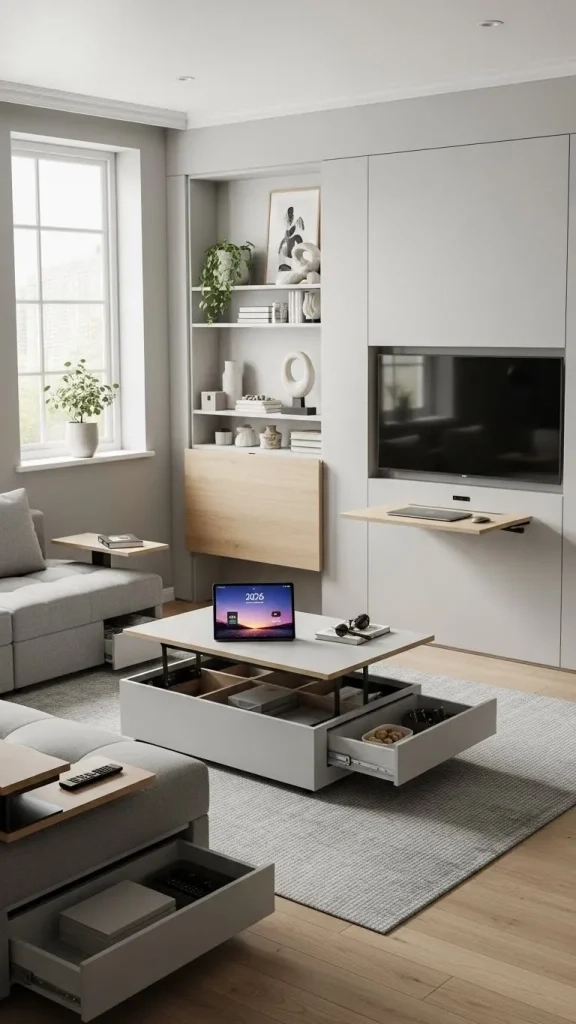
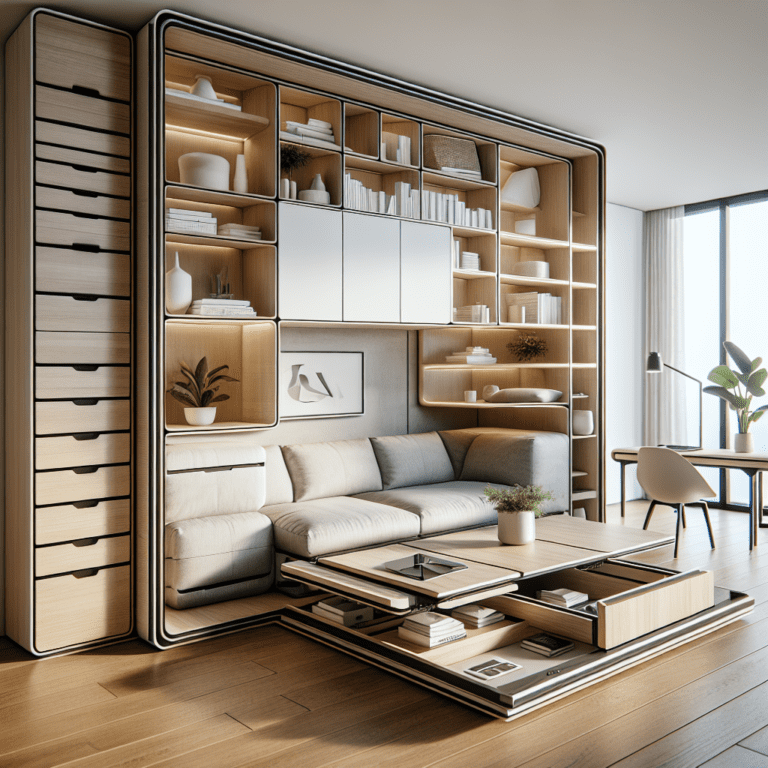
The coffee maker hums to life at precisely 6:45 AM, not because of a rigid internal clock set the night before, but because the mattress sensor noted the exact moment you shifted your weight to wake up, whispering a silent trigger to the kitchen counter. Overhead, the living room curtains part smoothly on quiet motorized tracks, letting in the gray light of dawn while the thermostat nudges the ambient temperature upward by two degrees. Ten years ago, orchestrating this subtle symphony required a small fortune, a team of proprietary integrators who wore suits to residential service calls, and a server rack humming loudly in a spare bedroom. Today, that exact same ecosystem lives natively inside a twenty-dollar smart plug, an open-source wireless protocol, and a homeowner who assembled the entire network using a smartphone during their morning commute.
For the better part of two decades, residential automation was an exercise in high-end gatekeeping. If you wanted lights that dimmed based on natural sunlight or motorized blinds that closed when the afternoon glare hit the television screen, you signed up for proprietary walled gardens. Brands charged extortionate licensing fees for their hardware, locked consumers into rigid ecosystems that could not talk to one another, and required professional installation that turned a simple home upgrade into a five-figure construction project. The average homeowner looked at the smart home market and saw an exclusive playground for tech millionaires and custom home builders, leaving the rest of us to wrestle with stubborn infrared remotes and mismatched apps that crashed whenever a home router dropped a packet.
That division has effectively vanished. The hardware democratization that defined the early part of the decade has matured into a seamless, commodity-driven reality where intelligence is no longer a luxury feature; it is baseline infrastructure. Silicon manufacturers integrated radio chips directly into standard microcontrollers, dropping the cost of reliable local mesh networking to pennies per unit. Software developers stripped away the complexity of cloud-dependent servers in favor of local edge computing that protects user privacy while operating at lightning speed. What we are witnessing right now is the total transformation of the living room from a passive space filled with disconnected electronics into a responsive, self-regulating environment engineered for everyday life.
The Architectural Shift From Proprietary Walls to Universal Standards
The collapse of proprietary tech walls is the single most important catalyst behind modern home automation. For years, the industry was fragmented by bitter protocol wars where Zigbee devices refused to speak with Z-Wave hardware, and proprietary ecosystems locked consumers into buying bulbs, switches, and hubs from a single manufacturer. If you bought into one brand’s vision, you were stuck with their pricing and their design limitations. The arrival and subsequent ubiquity of the Matter protocol completely shattered this paradigm by establishing a common IP-based language that runs natively over Thread, Wi-Fi, and Ethernet.
This interoperability changed the manufacturing economics overnight. Companies no longer needed to engineer proprietary software stacks or build isolated development teams from scratch; they could plug directly into an open standard supported by Apple, Google, Amazon, and thousands of independent hardware makers. This massive pooling of engineering resources drove down development costs and unleashed hyper-competition on store shelves. When a smart bulb or a wireless presence sensor can communicate instantly with any ecosystem in the house, the value proposition shifts away from artificial software locks and toward raw hardware quality, aesthetic design, and intuitive reliability.
Underneath this software revolution lies a massive drop in silicon component pricing. Microcontrollers equipped with low-power radios for Thread and Bluetooth Low Energy now cost a fraction of what they did a few years ago. Factories in Shenzhen and Taiwan have perfected high-yield production runs for surface-mount sensor arrays, making millimeter-wave radar presence detectors—once reserved for commercial security systems—dirt cheap. A living room can now map human presence with pinpoint accuracy using a sensor the size of a postage stamp, ensuring that lights and HVAC zones adapt dynamically to whether someone is actively reading a book on the sofa or has left the room entirely.
This hardware abundance also forced a total rethinking of interior design aesthetics. Early smart home gadgets looked like industrial science experiments—bulky plastic boxes with blinking blue indicator lights that clashed horribly with mid-century modern furniture or minimalist decor. Today’s hardware designers treat smart home components like architectural finishes. Wall switches match standard decorator decora plates with matte textures and quiet haptic paddles, while smart lighting drivers hide seamlessly behind drywall or inside slim ceiling canopies. The technology has learned to whisper rather than shout, blending directly into the architectural fabric of the living space.
Edge Computing, Local Processing, and the End of Cloud Dependency
The early promise of the smart home was consistently undermined by a frustrating dependency on remote cloud servers. If your internet service provider dropped out for an hour, your smart lights became ordinary, dumb bulbs, your automated locks stopped responding, and your living room routine ground to a screeching halt. Worse yet, routing every motion event, voice command, and camera stream through distant corporate data centers raised legitimate privacy concerns and introduced noticeable latency. When you flip a wall switch, you expect the light to turn on instantly, not after a two-second round trip to a server farm in Ohio.
The modern smart home operates on edge computing, shifting the heavy lifting of automation logic directly into local hardware hubs sitting quietly inside the home. Modern local hubs process automations locally via high-efficiency processors, meaning that even if your broadband connection completely severs, your local mesh network hums along without missing a beat. Motion triggers lights, localized voice recognition handles commands via on-device machine learning models, and secure lock protocols execute instantaneously without ever leaving your local subnet.
This architectural shift also eliminated the nagging monthly subscription fees that used to plague home automation. When companies had to maintain massive cloud infrastructure to process your personal data and camera feeds, they inevitably passed those recurring costs onto the consumer in the form of monthly software subscriptions. Local processing means zero recurring overhead for basic operations. You buy the hardware once, integrate it into your local network, and own the system outright. Manufacturers now compete on hardware quality and advanced ecosystem features rather than holding your core home functionality hostage behind a paywall.
Privacy advocates and everyday consumers alike have embraced this local-first reality. Because sensitive biometric data, audio clips from local voice assistants, and interior video feeds no longer traverse external corporate clouds by default, the attack surface for malicious actors shrinks dramatically. Modern home networks utilize encrypted local keys and isolated VLANs to keep connected appliances secure from external interference. You can now automate your living room with absolute confidence that your private routines remain confined within your four walls, protected by robust, open-source auditing tools that anyone can inspect.
The Step-by-Step Blueprint for Building an Affordable Automated Living Room
Transforming a cluttered, traditional living room into a responsive, highly optimized smart space does not require gutting your drywall or spending a fortune. A methodical, phased implementation ensures that every dollar spent yields maximum functional improvement without overwhelming your daily routine or your Wi-Fi router.
- Step 1 (Infrastructure and Network Audit): Begin by stabilizing your home’s digital foundation. Upgrade your router to a modern mesh Wi-Fi system that supports high device densities and has dedicated VLAN capabilities to isolate Internet of Things (IoT) gadgets from your primary computers and phones.
- Step 2 (The Core Universal Hub): Choose an open, local-first hub that supports Matter and Thread natively. Install the hub centrally in the living room or utility closet, ensuring it has a wired Ethernet backhaul for rock-solid reliability before pairing your first device.
- Step 3 (Smart Lighting and Power Control): Replace existing wall switches with smart dimmers or install smart bulbs in architectural floor and table lamps. Prioritize Thread-enabled switches so that every hardwired device acts as a router node, instantly strengthening your home’s mesh network.
- Step 4 (Environmental and Presence Sensors): Mount a millimeter-wave presence sensor in an unobtrusive corner of the room to detect micro-movements, alongside a discreet temperature and humidity sensor. Build local automations that adjust lighting color temperature based on the time of day and adjust motorized window shades to manage passive solar heat gain.
- Step 5 (Voice and Haptic Interface Integration): Place privacy-focused local voice satellites or minimalist tactile smart buttons on coffee tables and sideboards. Program these physical controls for instant multi-device scenes, ensuring guests and family members can interact with the room effortlessly without needing to unlock a smartphone.
Navigating Common Pitfalls and Technical Missteps in Modern Retrofits
While hardware accessibility has never been higher, leaping into smart home design without a strategy can quickly turn your living room into a frustrating tech support nightmare. Avoiding common pitfalls saves hours of troubleshooting and prevents buyer’s remorse.
- Pitfall 1 (Overloading the Wi-Fi Spectrum): Connecting dozens of cheap smart bulbs directly to your primary Wi-Fi router will inevitably congest your network channels, causing dropped connections and sluggish device response times. Workaround: Strictly restrict Wi-Fi to high-bandwidth devices like streaming boxes and security cameras, routing all lighting, switches, and sensors through a dedicated low-power mesh protocol like Thread or Zigbee.
- Pitfall 2 (Ignoring Neutral Wires in Switch Boxes): Purchasing smart light switches that require a neutral wire without first opening your wall boxes to verify wiring standards results in expensive returns and unpowered hardware. Workaround: Always unscrew your existing light switches to check for a bundled white neutral wire bundle in the back of the box; if none exists, purchase modern no-neutral smart dimmers designed specifically for older homes.
- Pitfall 3 (Chasing Standalone Single-Brand Apps): Installing five different manufacturer apps to control five different living room gadgets creates a fragmented user experience that defeats the entire purpose of automation. Workaround: Consolidate all endpoints into a single universal dashboard application immediately upon setup, hiding the underlying manufacturer apps completely from daily view.
- Pitfall 4 (Neglecting Physical Override Options): Creating complex automated lighting routines that completely disable physical wall switches leaves guests, children, and babysitters stranded in the dark when automation logic fails. Workaround: Always program smart switches to decouple relay states from physical paddles intelligently, allowing manual button presses to override smart states locally without cutting power to smart bulbs.
- Pitfall 5 (Buying Oversized or Unnecessary Automation Complexity): Automating every trivial action in the room—such as turning on accent lights when you sit on a specific chair—often leads to erratic behavior and automation fatigue. Workaround: Focus automation design strictly around high-friction tasks and comfort improvements, ensuring that manual control remains frictionless and intuitive.
The Economic and Environmental Dividend of Intelligent Living Spaces
Beyond the undeniable convenience of automated curtains and voice-activated mood lighting, the widespread affordability of smart home design has delivered profound economic and environmental dividends. When every outlet, thermostat, and light fixture gains the ability to monitor its own energy consumption and adapt dynamically to occupancy patterns, household energy waste plummets. Smart thermostats leverage geofencing and weather forecasting to precool or preheat living spaces during off-peak electricity hours, while smart plugs completely eliminate phantom load—the silent power drawn by televisions, gaming consoles, and audio receivers while resting in standby mode.
At scale, this micro-level efficiency transforms the broader electrical grid. Millions of living rooms acting as intelligent load-shedding nodes can automatically throttle high-draw appliances during peak demand grid events, easing stress on local utilities and reducing reliance on fossil-fuel peaking plants. Consumers see the direct financial reward of this optimization on their monthly utility statements, where the capital cost of outfitting a living room with smart sensors and switches is frequently recouped within eighteen months of optimized energy management.
Furthermore, the longevity of domestic appliances increases dramatically when integrated into smart ecosystems. Smart environmental sensors monitor indoor humidity and temperature fluctuations, alerting homeowners to dampness behind media consoles or preventing HVAC systems from short-cycling during extreme weather events. By catching mechanical wear and tear early through diagnostic telemetry, smart design shifts household maintenance from expensive, emergency reactive repairs to predictable, preventative care.
The democratization of these technologies also means that energy efficiency is no longer locked behind the gates of custom green-built mansions. Renters and apartment dwellers can take advantage of portable smart plugs, adhesive wireless switches, and battery-powered climate sensors that pack up neatly when it is time to move, bringing sophisticated energy management into spaces that previously offered zero control over building infrastructure.
Practical Frameworks for Seamless Daily Living and Aesthetic Harmony
Integrating technology into the sacred space of the living room requires a delicate balance between engineering capability and human comfort. A smart home that feels like a laboratory or demands constant software maintenance fails its primary mission: to make daily life simpler, quieter, and more enjoyable. Achieving aesthetic and functional harmony demands strict adherence to design restraint.
Start by auditing the visual footprint of your technology. Hide power bricks behind heavy media consoles, route cables through structured raceways inside walls, and choose matte finishes that absorb ambient light rather than casting distracting reflections. If a sensor must be mounted on a visible wall, paint its casing to match the surrounding wall color, or select flush-mounted architectural units that sit flush with drywall surfaces. Technology should be felt through its seamless utility, not advertised through blinking LEDs and branded plastic casings.
Next, focus on contextual automation rules that respect human rhythm. A living room should not bombard its occupants with bright white light at 11:00 PM just because someone walked past a motion sensor to grab a glass of water. Implement circadian lighting curves that automatically shift color temperatures from crisp 5000K daylight-mimicking tones in the morning down to warm, soothing 2200K amber glows as evening settles in. Let technology react invisibly to the natural passage of time, supporting human biology rather than disrupting it.
Finally, treat interface design as an exercise in radical simplicity. The hallmark of a poorly designed smart home is an interface cluttered with fifty different buttons, sliders, and toggles on a smartphone screen. A well-designed living room utilizes multi-action physical remotes and minimalist wireless buttons that execute entire scenes—such as "Movie Night," "Reading," or "Entertaining"—with a single tap. When technology requires zero conscious thought to operate smoothly, it achieves true invisibility, leaving the human occupant free to enjoy the space.
The evolution of smart home design from an exclusive, exorbitantly expensive luxury into a universal, affordable commodity represents one of the quiet triumphs of modern consumer engineering. We have moved past the clumsy adolescence of fragmented apps, clunky hardware, and cloud-dependent fragility into a mature era defined by open standards, local edge processing, and thoughtful aesthetic integration. The living room is no longer a static collection of independent furniture and electronic boxes; it is an organic, responsive environment that adapts fluidly to the rhythms of daily human life.
This transformation proves that the most powerful technologies are those that disappear into the background, empowering individuals without demanding technical expertise or financial sacrifice. As wireless protocols continue to refine their efficiency and silicon manufacturing pushes hardware costs lower still, the boundary between "smart" and "traditional" architecture will dissolve entirely. Every home built from this point forward will naturally possess the nervous system required to care for its occupants.
The path forward invites us to look past the gadgets themselves and focus on what they enable: more comfortable living spaces, lower environmental footprints, and reclaimed time. By embracing open standards, prioritizing local privacy, and designing with human comfort at the center, we turn our living rooms into sanctuaries of efficiency and peace. The smart home is no longer a futuristic dream reserved for tomorrow’s catalogs—it is right here, quietly humming away in the corner of the room, ready for whatever life brings next.