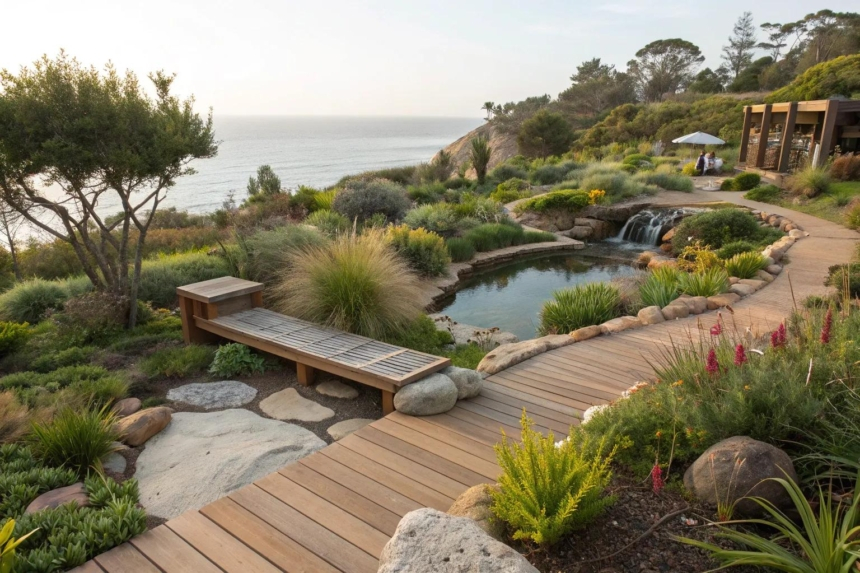
There is a unique magic to living by the water. You wake up to the sound of crashing waves, watch the fog roll in over the horizon, and enjoy front-row seats to some of the most spectacular sunsets on earth. But ask anyone who has actually lived within a mile of the coast, and they will tell you the hidden truth. The ocean is a beautiful beast that wants to destroy your house.
Between the relentless salt spray, heavy winds, and intense humidity, waterfront properties take a absolute beating. For years, the standard solution was to build bulky, industrial-looking fortresses that sacrificed beauty for survival. But things have changed. In 2026, we are seeing a massive shift toward clever, elegant designs that look high-end but possess the rugged durability needed to stand up to the sea. How do you pull off this balancing act without blowing your budget? Let us break down the ultimate coastal checklist.
1. The Battle Against Salt: Choosing the Right Metals
If you use standard hardware on a beach house, it will look rusted and weathered within a single season. Salt air acts like acid on traditional metals, which is why your choice of exterior hardware is the most critical decision you will make.
Instead of cheap aluminum or standard iron, you need to look toward marine-grade stainless steel (specifically 316 grade) and solid brass. These materials form a natural protective layer that fights off corrosion. Yes, they cost more upfront, but they save you from replacing your door handles, light fixtures, and deck screws every two years.
2. Windows That Handle the Pressure
Coastal views are everything, which means you probably want massive glass doors and large windows. However, these expanses of glass are the most vulnerable parts of a house during a big storm.
Modern engineering has given us impact-resistant glass that can take a literal beating from flying debris without shattering. Look for windows with heavy-duty vinyl or fiberglass frames rather than wood, which can warp and rot from the moisture. Also, ensure the glass has a high UV rating to keep your furniture from fading under the harsh reflection of the sun on the water.
3. Siding Materials That Dont Rot
Wood shingles look incredibly classic and charming, but they require a massive amount of upkeep to stay beautiful in a marine environment. If you do not want to spend your weekends staining and sealing wood, there are incredible modern alternatives.
Fiber cement siding and modified woods (like Accoya) give you that gorgeous, natural look while being completely resistant to rot, insects, and moisture. They do not expand and contract like normal wood, meaning your paint job lasts significantly longer, even when blasted by coastal winds.
4. Flooring That Welcomes Sand and Wet Feet
Let’s be real: when you live at the beach, sand gets everywhere. Traditional hardwood floors can scratch easily when abrasive sand gets tracked inside, and luxury carpets quickly trap moisture and smell musty.
The smart move for modern coastal interiors is large-format porcelain tile or high-quality engineered hardwood with a thick wear layer. Porcelain tile is virtually indestructible, easy to clean, and keeps the house cool during hot summer days. If you prefer the warmth of wood, go with a wire-brushed finish that naturally hides small scratches and imperfections.
Indoor-outdoor living is the whole point of a beach house, so your interior fabrics need to be just as tough as your exterior siding. Between wet swimsuits and sunny living rooms, standard cotton and linen blends won’t hold up for long.
Solution? Use performance fabrics like Sunbrella or solution-dyed acrylics for