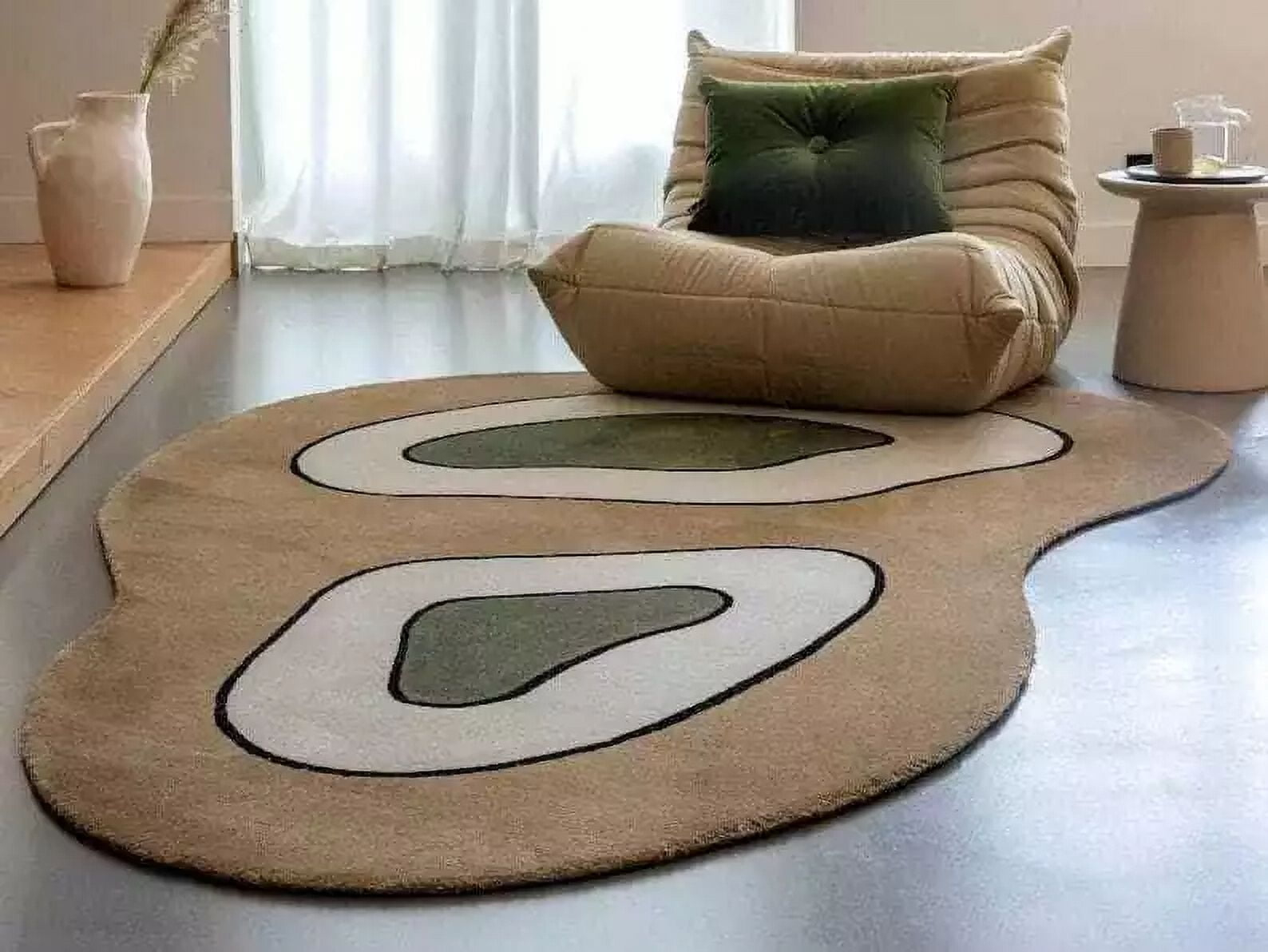
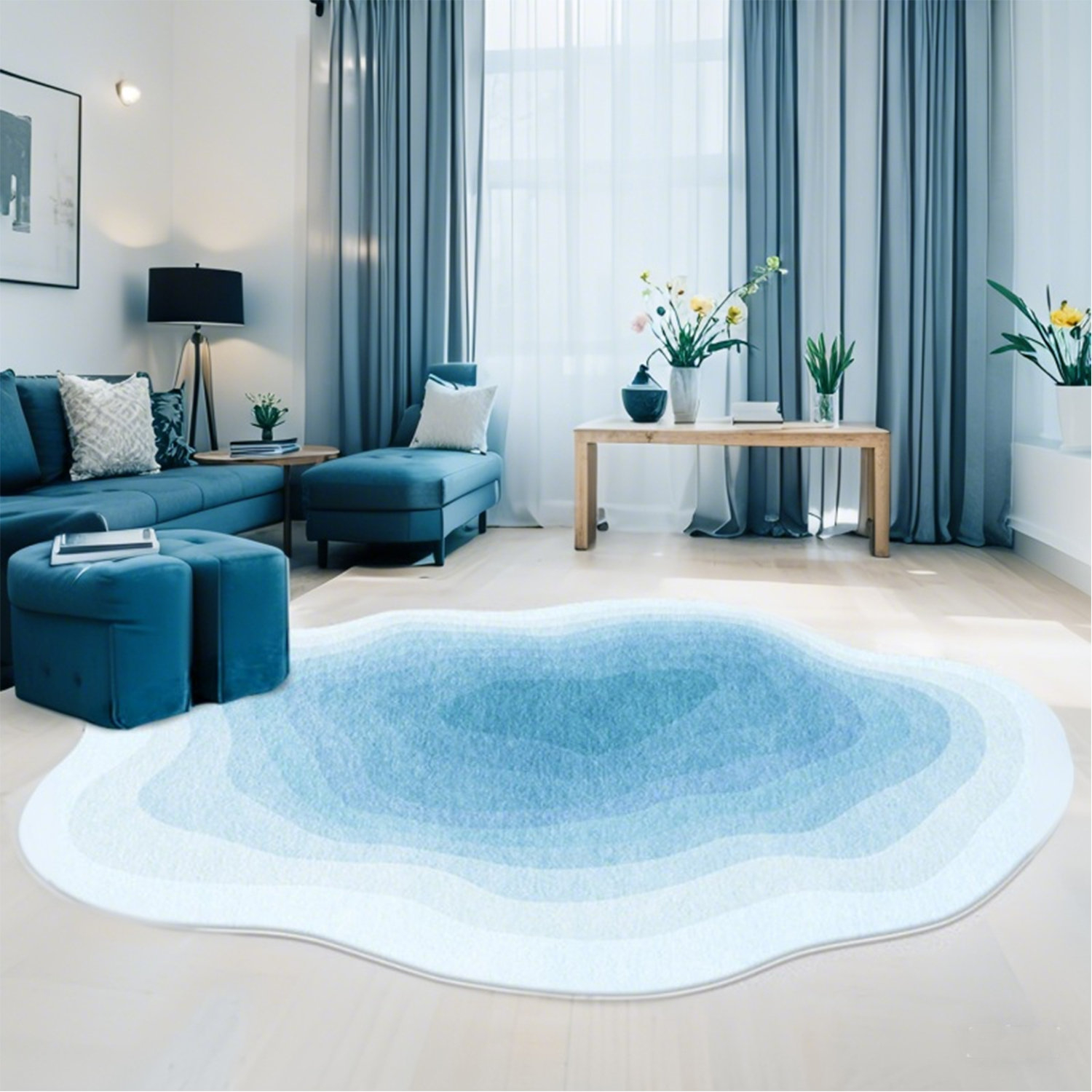
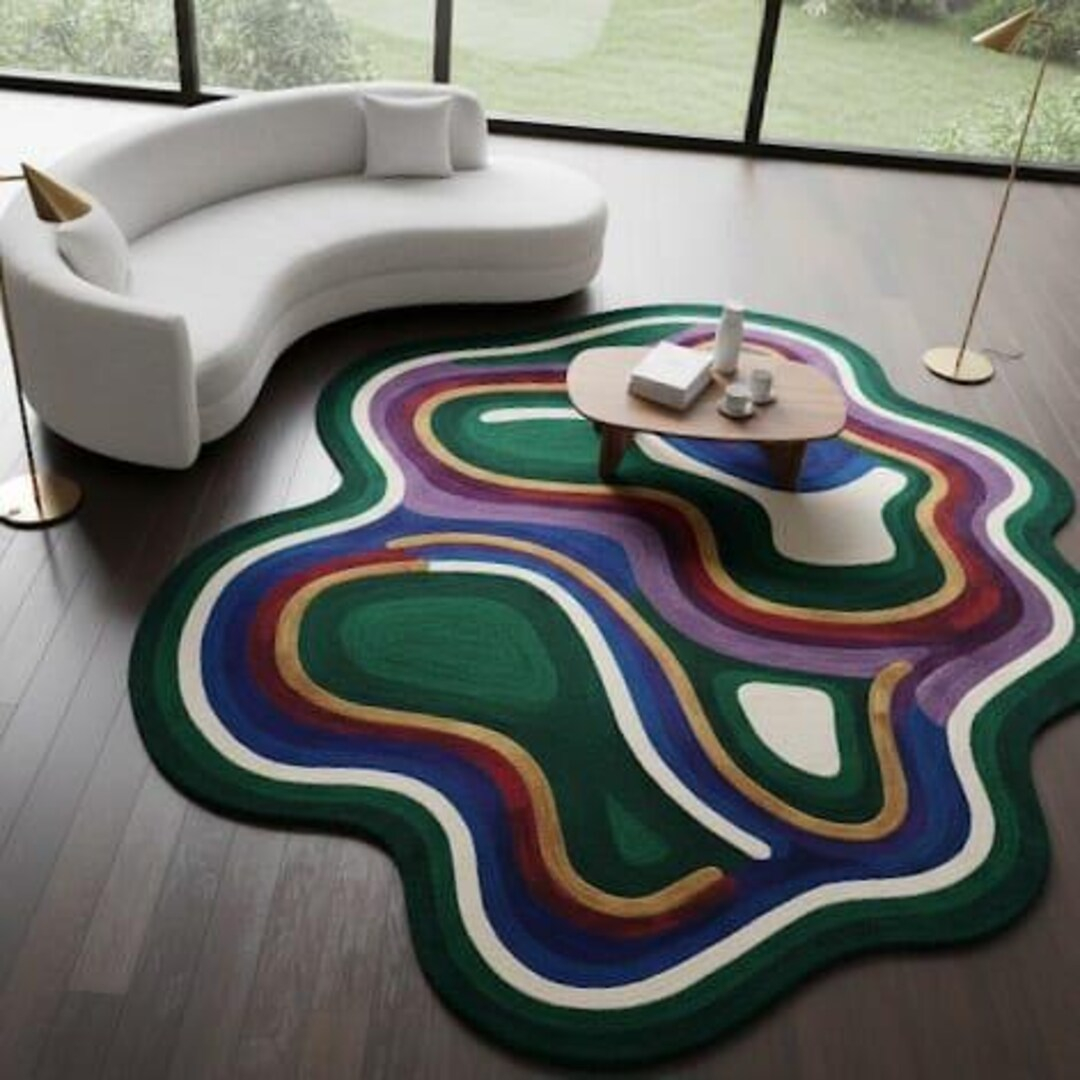
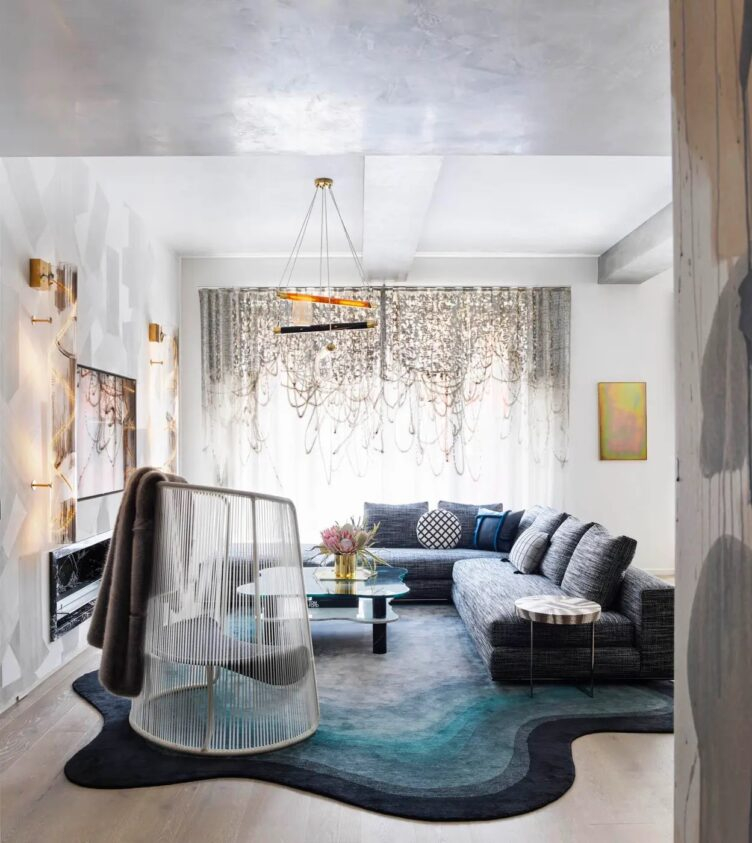
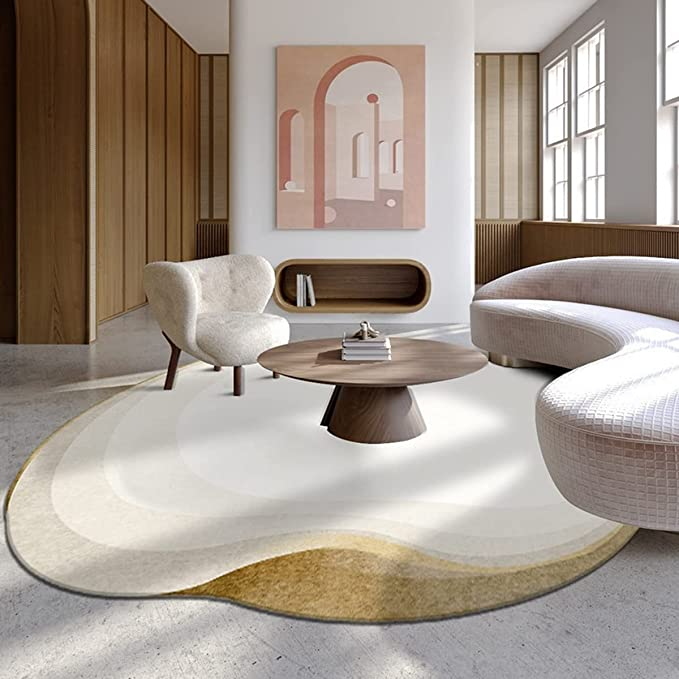
Drop your hand to the floorboards right now. What do you feel? For the better part of the last decade, the answer across millions of homes was a slick, low-pile polypropylene rectangle—indifferent, entirely smooth, and engineered for nothing more than visual compliance. We spent the 2010s and early 2020s worshipping the sanitized altar of minimalism. Rooms were curated for the camera lens, optimized for flat-lay photography, and scrubbed clean of any erratic human trace. Everything matched, everything stayed quiet, and nothing dared to demand a physical response from the people inhabiting the space.
That visual tyranny has finally broken. Walk into any thoughtfully composed interior today, and you will notice an immediate sensory rebellion underfoot. The floor is no longer a neutral backdrop serving the sofa; it is an active participant in the home’s narrative. We are witnessing a definitive shift away from hyper-flattened geometric prints toward tactile storytelling. Rugs are no longer chosen just because they match the throw pillows or coordinate with the accent wall. They are selected because they hold memory, exhibit the physical scars of their making, and invite a visceral, barefoot interaction that digital-first living has made us desperately crave.
This pivot is not merely a fleeting aesthetic trend dreamed up by trend forecasters looking for something new to sell. It is a psychological counter-correction. As our daily lives have migrated further into glass screens, algorithmic feeds, and frictionless digital spaces, our physical environments have had to carry the heavy burden of keeping us grounded. The living room rug has transformed from a passive floor covering into a chronicle of craft. It speaks in high-low piles, raw un-dyed wools, erratic knot counts, and botanical dyes that shift depending on the angle of the afternoon sun.
The Death of Flat Minimalism and the Rise of the Sensory Floor
For years, the interior design ecosystem was dominated by the tyrannical rule of the printed flat-weave and the uniformly sheared synthetic pile. These machine-made floor coverings were prized for their predictability. They didn’t shed, they didn’t surprise anyone with irregular dye lots, and they fit neatly into the algorithmically approved pastel-and-gray color palettes that defined an entire era of urban housing. But this visual homogenization created a peculiar kind of sensory starvation. Homes began to look less like sanctuaries and more like Airbnb showrooms, devoid of friction, history, or tactile surprise.
The turn toward tactile storytelling represents a direct rejection of this sterile uniformity. Designers and homeowners alike are waking up to the realization that a room needs architectural and textural friction to feel alive. When you introduce a rug crafted with alternating knot densities, hand-carved channels, or exposed warp threads, you introduce three-dimensional depth that changes continuously as light moves through the room. This is the essence of tactile storytelling: the surface of the rug becomes a physical manuscript written in fiber, where every variation in thickness and texture recounts the conditions of its creation and the hand of the artisan who brought it to life.
This evolution is fundamentally rooted in a growing cultural fatigue with fast home goods. When decor can be ordered with a single swipe and delivered in a cardboard box within forty-eight hours, it carries no emotional weight. By contrast, a rug that demands physical touch—where your toes sink into heavy, lanolin-rich Tibetan wool or graze the coarse, honest grain of hand-spun hemp—establishes an immediate psychological anchor. It tells a story of slowness, intentionality, and human labor in a world that increasingly values neither.
Decoding the Language of Fiber, Lanolin, and Imperfection
To understand modern textile storytelling, one must look closely at the raw materials driving this shift. The material choice is no longer an afterthought based purely on stain resistance or budget caps. It is the primary vehicle for meaning. Synthetic fibers like polyester and nylon are steadily losing ground in primary living spaces to un-dyed, historically rich materials like Highland wool, homegrown flax, raw silk noils, and even stinging nettle fiber. These organic materials carry distinct chemical and physical properties that dictate how the rug ages, smells, and feels beneath the skin.
Consider the role of natural lanolin, the protective wax naturally secreted by sheep. In high-end artisanal rugs, the wool is deliberately processed to retain a high percentage of this natural oil. When you step onto a lanolin-rich wool rug, it feels resilient, slightly springy, and remarkably resistant to everyday soil without needing synthetic chemical treatments. Over time, as family members walk across the same path day after day, the lanolin buffs to a subtle, organic sheen. The rug literally records the traffic patterns of the household, developing a rich patina that mirrors the character of well-worn leather or aged brass.
Furthermore, the embrace of imperfection has rewritten the rules of quality control. In the past, a weaver making a mistake in the symmetry of a medallion motif was considered a defect requiring a factory discount. Today, that deliberate or accidental asymmetry—known in traditional crafts as the deliberate flaw or "soul line"—is celebrated as the ultimate marker of authenticity. These irregularities prove that a human sat at a vertical loom for months, counting knots and shifting hues by eye rather than programming a computerized industrial loom.
How to Curate and Position Narrative Textiles in Your Living Room
Integrating a high-tactile, storytelling rug into your living space requires a complete inversion of traditional interior design methodologies. Instead of starting with neutral foundations and layering pattern on top, you must treat the rug as the primary emotional anchor of the room. This requires a deliberate, step-by-step approach to sourcing, sizing, and styling that honors the physical presence of the textile rather than treating it as a background accessory.
- Step 1 (Audit Your Sensory Baseline): Assess the existing tactile profile of your living room before shopping. If your sofa is smooth leather and your coffee table is polished glass or sleek metal, you need a heavy, high-contrast textile like a deep-pile Berber or a chunky hand-knotted wool to prevent the room from feeling cold and unwelcoming.
- Step 2 (Prioritize Material Honesty): Look past flashy marketing terms and read fiber content labels carefully. Seek out 100% natural compositions—un-dyed sheep’s wool, organic cotton, jute, or hemp—that will age gracefully and develop a natural patina rather than pilling and matting permanently under furniture legs.
- Step 3 (Size for Spatial Anchoring): Avoid the common trap of floating a postage-stamp-sized rug in the middle of the room. A tactile narrative rug needs scale to make its impact; ensure at least the front legs of all primary seating furniture rest comfortably on the textile to unify the conversation zone.
- Step 4 (Test the Tactile Dynamic): If buying online is unavoidable, order physical cuttings or evaluate the weave density specs. Look for knot counts, pile heights, and backing construction to ensure the rug offers physical substance and flexibility rather than a stiff, glued-down synthetic backing.
- Step 5 (Design Around the Patina): Position the rug knowing it will change. Embrace natural shedding during the first few months of wool stabilization, and arrange your living room layout to allow foot traffic to interact evenly with the fibers over years of daily use.
Navigating the Traps of Trend-Driven Textures and Greenwashing
As tactile storytelling captures mainstream market share, the commercial design industry has rushed to manufacture cheap facsimiles of authenticity. This has flooded the marketplace with mass-produced textiles that mimic the look of artisanal craftsmanship using toxic glues, synthetic blends, and deceptive marketing. Navigating this landscape requires a sharp eye and an understanding of where corners are routinely cut by manufacturers attempting to capitalize on the aesthetic without honoring the craft.
- Pitfall 1 (Falling for Fake Hand-Tufting): Many cheap rugs feature a tufted construction where yarns are shot through a canvas backing with a glue gun, then sealed with heavy latex. Practitioner Workaround: Always inspect the back; if the yarns are stiffly embedded in a thick, rubbery white or yellow latex backing that smells strongly of chemicals, skip it—these rugs shed endlessly and break down within a few years.
- Pitfall 2 (Ignoring Synthetic Blends Disguised as Wool): Retailers often label rugs as "wool-rich" while blending in up to 70% cheap viscose or polyester to cut production costs. Practitioner Workaround: Request the exact percentage breakdown of the pile composition and perform a burn test on a stray sample fiber if possible; pure wool self-extinguishes and smells like charred hair, while synthetics melt into hard plastic beads.
- Pitfall 3 (Overlooking Shedding Realities): High-pile, unspun wool rugs are notorious for shedding loose staple fibers during their first six months in a home. Practitioner Workaround: Educate yourself on the difference between normal staple fiber shedding—which stops once the loose fleece works its way out—and structural fiber breakage caused by weak yarn spinning.
- Pitfall 4 (Misjudging Scale and Pile Height for Function): Placing an ultra-thick, unspun shag rug underneath a heavy dining table or a frequently adjusted coffee table creates immediate practical friction. Practitioner Workaround: Reserve high-tactile, high-pile narrative rugs for low-traffic lounging zones, and opt for flatter, tightly knotted soumak or flat-weave textiles for high-traffic corridors and seating anchors.
- Pitfall 5 (Falling Victim to Greenwashed Botanical Dyes): Many brands market synthetic chemical dyes as "earth-toned" or "botanical" without any transparency regarding the mordants used to set the colors. Practitioner Workaround: Buy directly from transparent artisan collectives or certified GoodWeave-labeled importers who can trace their supply chain back to the specific dye bath and shearing farm.
The Economic and Cultural Shift Toward Slow Interiors
The migration toward tactile storytelling in home furnishings is part of a much broader economic and cultural recalibration. For decades, the globalized home decor market relied on a linear model of extraction, rapid offshore manufacturing, and disposable consumption. Rugs were treated as seasonal wardrobe changes for the floor—cheap enough to throw away when a new color trend took over Instagram or TikTok. This disposable cycle is rapidly collapsing under the weight of its own environmental unsustainability and consumer disillusionment.
When you purchase a hand-knotted, vegetable-dyed wool rug created by traditional weavers in regions like the Atlas Mountains, the Anatolian plateau, or rural India, you are participating in a circular economy that preserves endangered artisanal heritage. These textile traditions take months, sometimes years, to execute. They rely on generational knowledge passed down through families, utilizing techniques that require zero electrical grid infrastructure and zero petrochemical reliance. Supporting this ecosystem means keeping ancient handcrafts economically viable for the artisans who practice them.
Furthermore, investing in a high-integrity narrative rug fundamentally alters our relationship with domestic consumption. A rug that costs more upfront but lasts for thirty, forty, or fifty years—while actually improving in appearance and softness through decades of family dinners, crawling toddlers, and lazy Sunday afternoons—represents a radical act of financial and environmental sanity. It shifts our perspective from endless acquisition to the curation of objects that hold emotional permanence.
Essential Frameworks for Living with and Preserving Narrative Textiles
Owning a piece of tactile storytelling architecture requires a shift in maintenance philosophy. These are not indestructible petroleum-based carpets designed to be blasted with industrial chemical spot-cleaners. They are living collections of natural fibers that require respectful stewardship to maintain their structural integrity and emotional resonance over decades.
- The Rotation Rule: Rotate your living room rug 180 degrees every six to twelve months. This ensures that foot traffic, furniture weight, and sunlight exposure are distributed evenly across the textile, preventing localized wear patterns and uneven fading from floor-to-ceiling windows.
- The Gentle Extraction Method: Never use a heavy motorized beater-bar vacuum on antique, hand-knotted, or high-pile wool rugs, as the aggressive mechanical friction rips out delicate staple fibers and weakens the cotton foundation warps. Use a straight suction nozzle or shake the rug out manually when possible.
- The Immediate Spot-Blot Protocol: When spills occur—as they inevitably do in any lived-in family living room—never scrub the stain. Blot aggressively with a clean, un-dyed white cotton cloth to absorb liquid, and use cool water mixed with a mild, pH-neutral wool detergent if necessary.
- The Professional Wash Mandate: Commission a professional rug cleaning specialist who understands hand-washed natural fiber textiles every three to five years. Avoid steam cleaning or dry cleaning services that use harsh chemical solvents that strip natural lanolin and warp the foundation structure.
The transformation happening beneath our feet in 2026 is much more than a shift in interior decoration preferences. It is a quiet, sensory rebellion against a culture that has grown far too smooth, far too digital, and far too disconnected from the physical reality of the materials that surround us. We are remembering that our homes are not museum galleries designed for the detachment of the eye, but visceral landscapes meant to be felt, lived in, and marked by our passage through time.
When you invest in a living room rug that tells a tactile story, you are rejecting the sterile perfection of the automated assembly line in favor of human touch, historical continuity, and material honesty. You are inviting the world back into your living room—not through a screen, but through the rich, uneven, lanolin-scented fibers of a textile that knows where it came from and is ready to walk with you wherever you are going next.